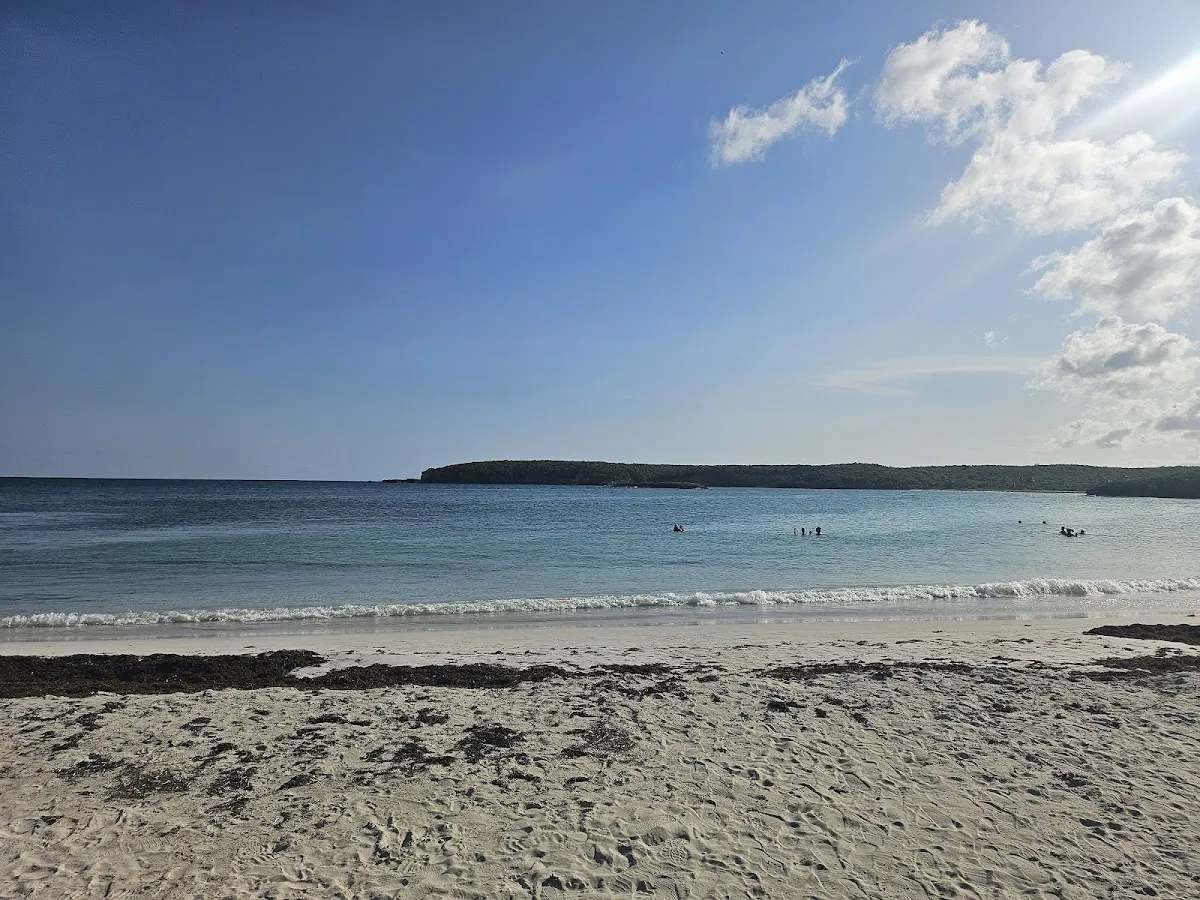
Arecibo Lighthouse and Historical Park is a popular beach in Arecibo, Puerto Rico, known for families and its popularity with locals and visitors. A cultural theme park centered on the 1898 Morillos Lighthouse, the last built by Spain in Puerto Rico. Facilities include on-site dining, parking, restrooms.
- Popular
- Scenic
- ✓ Food & Drinks
- ✓ Parking
- ✓ Picnic Areas
- ✓ Restrooms
- ✓ Shade/Umbrellas
Short path.
Visit during the dry season from January through April for the most comfortable outdoor conditions.
The wading pool area is designed for children and is separate from the open ocean.
Swim with a buddy and know your limits.
A paved parking lot at the park entrance accommodates approximately 80-100 vehicles. Parking is included with admission. The lot can fill on holiday weekends, so arrive early or plan for midweek visits.
Ways to experience Arecibo Lighthouse and Historical Park
Bookable tours and activities at and around this beach.
 Viator photoPopular near this beachTaino Indian Cave, Arecibo Hike and Beach Tour from San JuanThis day trip is guaranteed to make your stay in the island unforgettable. This tour has adrenaline and adventure, history and archeology, beautiful…✓ Free cancellationFrom $125Check availability ↗Browse more tours on Viator ↗
We may earn a commission when you book through Viator links, at no extra cost to you.
About Arecibo Lighthouse and Historical Park
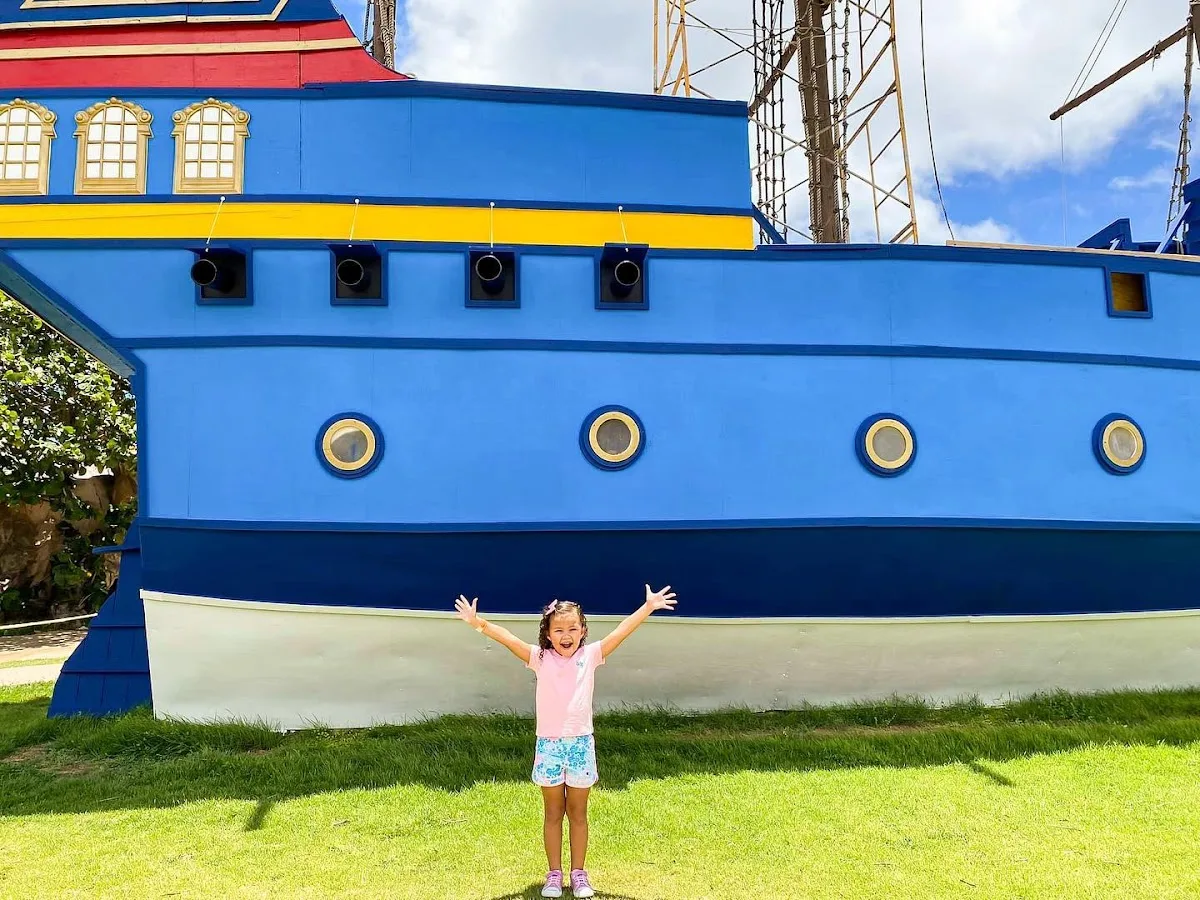
A cultural theme park centered on the 1898 Morillos Lighthouse, the last built by Spain in Puerto Rico. Located on Arecibo's Atlantic-facing north coast, the park features Taino village replicas, a pirate ship attraction, a saltwater aquarium, ocean-view decks, and a dedicated wading pool for young children. Perfect for families seeking history, scenic views, and water activities in one destination.
Local tips
What to Bring+
What you pack depends on how you plan to spend your time at Arecibo Lighthouse and Historical Park.
- Sun & Skin Protection: Reef-safe sunscreen (SPF 30 or higher), a wide-brimmed hat, and sunglasses. Puerto Rico's tropical sun is intense, especially between 10 AM and 2 PM.
- Hydration & Nutrition: A reusable water bottle, plenty of water, and snacks. Food is available at the park, but bringing your own is recommended given slightly elevated prices.
- Water Activities: Comfortable swimsuit, towel, and a change of clothes (especially for children using the wading pool). Goggles are optional.
- Park Exploration: Comfortable walking shoes for navigating park grounds, a beach tent or umbrella for shade, and a camera with extra battery or tripod for sunset shots and scenic views.
- Family Items: Sand toys for children and binoculars for coastal wildlife viewing.
The wading pool area is designed for children and is separate from the open ocean. The park grounds include elevated ocean-view decks with railings. Supervise children near cliff edges, as the ocean-facing coastline is rocky and not suitable for swimming. Much of the park is outdoors with limited shade between attractions, so plan accordingly.
History & Background+
Arecibo Lighthouse and Historical Park is located in Arecibo, a north coast municipality known for its limestone karst landscape and former Arecibo Observatory. This stretch of Puerto Rico's north coast faces the Atlantic Ocean, where trade winds generate consistent swells and currents that shape the shoreline. The northern coast experiences more wave energy than the south, with winter months bringing larger swells from the north Atlantic.
The centerpiece is the Morillos Lighthouse, built in 1898 and the last lighthouse constructed by Spain in Puerto Rico before the transfer of sovereignty. The surrounding park includes Taino village replicas, a pirate ship attraction, a saltwater aquarium, and ocean-view decks, providing hours of family-oriented activities beyond the waterfront. A designated wading pool area provides a controlled water experience for young children, separate from the open ocean, with shallow depths and contained boundaries.
The municipality of Arecibo has deep roots in Puerto Rico's history, and beaches like Arecibo Lighthouse and Historical Park reflect the ongoing relationship between coastal communities and the sea. Whether visited by local families on weekends or travelers discovering the area for the first time, this stretch of shoreline carries the character of its surroundings.
Nearby Attractions+
Arecibo Lighthouse and Historical Park is situated in Arecibo, which offers several attractions and experiences beyond the beach itself. The town and surrounding area provide cultural, culinary, and recreational opportunities for visitors with extra time to explore.
- El Faro Beach: Another beach in the Arecibo area with its own distinct character, worth exploring if you have time for beach hopping.
- Playa El Muelle (Arecibo): A local beach option within the municipality offering a different perspective on the area's coastline.
- Playa De Elohim: A third beach option in the Arecibo region, each with different features and atmosphere.
- Arecibo Town Center: A central plaza featuring a church, local shops, and cafes—a good place to experience everyday Puerto Rican town life.
- Local Restaurants & Food Stalls: Roadside kiosks (chinchorros) serving traditional Puerto Rican fare including fresh seafood, mofongo (mashed plantain with garlic), and tostones (fried plantain slices). Weekend food vendors sell empanadillas, bacalaítos (codfish fritters), and piraguas (shaved ice with fruit syrup) at affordable prices.
- Weekend Markets & Fiestas Patronales: Many towns hold festivals throughout the year, particularly patron saint celebrations featuring live music, food, and cultural performances.
Photos
Be the first to add a photo
Recent photos help others recognize the access point, water, and parking setup.
Reviews
No Puerto Rico Beach Finder reviews yet
Share whether access was easy, how the water felt, and what the next person should know.
Planning your visit
Explore by activity
Nearby beaches

Questions
Where is Arecibo Lighthouse and Historical Park located?
Arecibo Lighthouse and Historical Park is located in Arecibo, Puerto Rico. The exact coordinates are 18.481861, -66.698644. You can use GPS navigation or follow signs to Arecibo and look for beach access points.
Is Arecibo Lighthouse and Historical Park good for swimming?
Yes, Arecibo Lighthouse and Historical Park is a public beach open for swimming.
What facilities are available at Arecibo Lighthouse and Historical Park?
Arecibo Lighthouse and Historical Park offers the following facilities: Food, Parking, Picnic Areas, Restrooms, Shade Structures.
What activities can I do at Arecibo Lighthouse and Historical Park?
Popular activities at Arecibo Lighthouse and Historical Park include swimming. The beach is family-friendly and perfect for a day trip from Arecibo.
Is there parking at Arecibo Lighthouse and Historical Park?
Yes, Arecibo Lighthouse and Historical Park has parking available.
Similar beaches
Discover more beaches
Explore 400+ beaches across the island with filters, maps, and detailed guides.
Explore all beaches