Don Antonio's Beach Rincon, Puerto Rico
Quick Facts
About Don Antonio's Beach
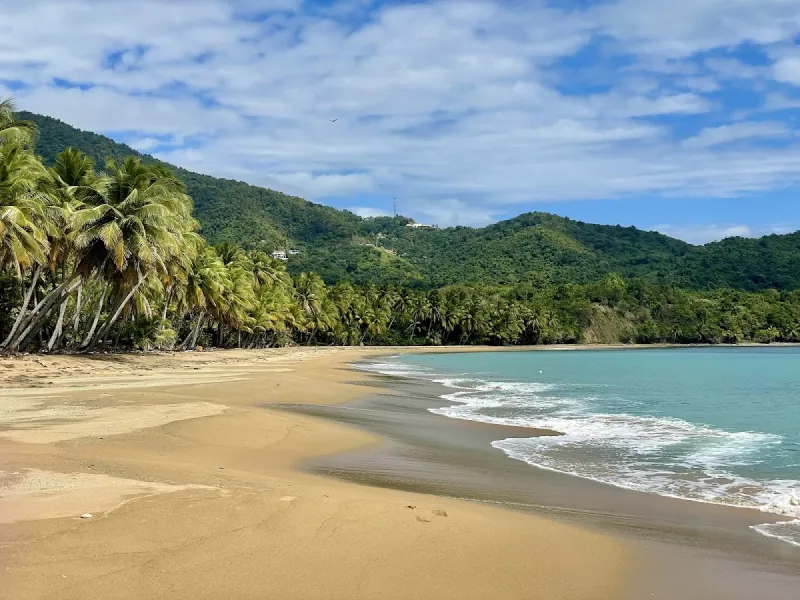
Situated on Rincón's quieter north coast between Sandy Beach and the River Mouth, Don Antonio's Beach offers a more secluded alternative to neighboring surf breaks. Morning sessions deliver beginner-friendly waves, while the shore is renowned for collecting tumbled sea glass in greens, whites, and occasional blues. This scenic stretch attracts fewer surfers and beachgoers than famous Rincón spots, making it ideal for those seeking tranquility and natural beauty.
Visitor Tips
- Early morning sessions offer the cleanest beginner-friendly waves before the wind picks up
- Bring a bag for sea glass collecting; the best pieces appear after storm swells rearrange the shore
- Roadside parking along Route 413; look for the informal pulloffs between Sandy Beach and the river
- The river mouth nearby can create rip currents; stay clear of the outflow during high-water periods
History & Background
Don Antonio's Beach is located in Rincón municipality on Puerto Rico's north coast, facing the Atlantic Ocean. This stretch experiences consistent swells and currents shaped by trade winds, with the northern coast receiving significantly more wave energy than the south. Winter months bring larger swells from the North Atlantic, creating more dynamic conditions.
Situated between Sandy Beach and the River Mouth, this stretch is notably quieter than neighboring surf spots. Morning sessions typically yield beginner-friendly waves, and the shore is well-known among locals and collectors for the abundance of tumbled sea glass in greens, whites, and occasional blues that washes ashore.
Positioned between these two natural landmarks, Don Antonio's draws far fewer surfers and beachgoers than more famous Rincón breaks, reflecting the ongoing relationship between this coastal community and the sea. Whether visited by local families or travelers discovering the area, this stretch carries the character of its quiet surroundings.
Best Time to Visit
The best time to visit Don Antonio's Beach depends on your preferred activities. Surf season runs from October through April when consistent Atlantic swells reach Rincón's coast, with winter months (December–March) bringing the largest swells and most dynamic conditions.
- October–April (Surf Season): Consistent Atlantic swells with best conditions in early morning before 10 AM when winds are lighter and waves are glassier.
- December–March (Winter): Largest north Atlantic swells create more challenging conditions; excellent for intermediate surfers.
- January–April (Dry Season): Most reliable weather and beach conditions overall.
- June–August (Summer): Calmer seas, warmer water, and flatter conditions better suited to swimming and beachcombing; afternoon thunderstorms are common.
- Sea Glass Collecting: Best after big swells have churned the shoreline, typically during winter months.
- Crowd Levels: This beach rarely experiences significant crowding, even on weekends and holidays, due to its secluded nature.
Getting There
Don Antonio's Beach is located in Rincón on Puerto Rico's north coast. GPS coordinates are more reliable than street addresses for finding beaches in Puerto Rico, as signage varies. A rental car is the most practical way to explore beaches outside the San Juan metro area.
- From San Juan, head west on Highway 22 (toll road) toward Rincón. The drive takes roughly 1–1.5 hours depending on starting location.
- Take Highway 22 to its end and follow local roads toward the Rincón coast.
- Navigate to Route 413 along the north coast between Sandy Beach and the River Mouth.
- Look for informal roadside pulloffs along Route 413 where the beach is accessible.
- Park and take a short path from the parking area to the sand.
Parking: Informal roadside pulloffs along Route 413 between Sandy Beach and the River Mouth. Parking is free but limited to a handful of cars with no paved lot. GPS navigation is recommended as coastal road signage can be minimal.
What to Bring
Pack all supplies you will need for the day, as this secluded beach has no food vendors or amenities nearby.
- Sun Protection: Reef-safe sunscreen (SPF 30 or higher), a hat, and a reusable water bottle. Puerto Rico's tropical sun is intense, especially between 10 AM and 2 PM.
- Shade & Comfort: A portable beach umbrella or pop-up shade tent, as natural shade may be limited.
- Food & Water: Pack your own meals, snacks, and plenty of water in a cooler. There are no food vendors at or near this beach.
- For Surfing: A surfboard (shortboard or longboard depending on conditions), rash guard, surf wax, and reef boots if the bottom is rocky.
- For Sea Glass Collecting: A bag for collecting sea glass; the best pieces appear after storm swells rearrange the shore.
- Photography: A camera with extra battery, a tripod for sunset shots, and binoculars for coastal views.
- Safety: A first aid kit, as no lifeguard is on duty and the river mouth to the south can produce rip currents, especially after rain.
Nearby Attractions
Don Antonio's Beach is situated in Rincón, which offers several attractions beyond the beach itself. The municipality has a rich coastal character with local dining, cultural experiences, and neighboring beaches worth exploring.
- Local Dining: Look for local restaurants and roadside kiosks (chinchorros) serving traditional Puerto Rican fare. Coastal towns typically offer fresh seafood, mofongo (mashed plantain with garlic), and tostones (fried plantain slices). Many beach areas have informal food stalls that appear on weekends, selling empanadillas, bacalaítos (codfish fritters), and piraguas (shaved ice with fruit syrup) at affordable prices. Ask locals for their favorite spot—the best food is often at the least conspicuous establishments.
- Neighboring Beaches: The Beach House Rincón, Barrero (north end), and Pools Beach are each with a different character worth exploring if you have time for beach hopping.
- Rincón Town Center: The central plaza typically features a church, local shops, and cafes—a good place to experience everyday Puerto Rican town life.
- Cultural Events: Many towns hold weekend markets or festivals throughout the year, particularly during patron saint celebrations (fiestas patronales) which feature live music, food, and cultural performances.
Local Tips
- Watch for Rip Currents: The river mouth nearby can create rip currents; stay clear of the outflow during high-water periods, especially after rain. No lifeguard is on duty, so check conditions before entering.
- Know Your Legal Beach Rights: As with all Puerto Rico beaches, the beach zone up to the high-tide mark is public land by law, regardless of any adjacent private property or signage suggesting otherwise. You have the legal right to access and enjoy any beach in Puerto Rico.
- Practice Environmental Responsibility: Pack out all trash and leave the beach as you found it. Puerto Rico's coastal ecosystems are under pressure from development and climate change, and responsible visitors make a real difference.
- Protect Sea Turtles: Between April and November, sea turtles may nest on sandy beaches. If you spot a nest or hatchlings, keep your distance and report it to the DRNA (Department of Natural Resources).
- Consider Hiring a Local Instructor: If you are new to surfing in Puerto Rico, a local instructor can teach you the specific conditions, reef layout, and hazards at this break. Respect surf etiquette: do not drop in on other surfers, and give right of way to the person closest to the peak of the wave.
- Learn Basic Spanish: Spanish is the primary language in most areas outside San Juan's tourist zones. Learning phrases like '¿Dónde está la playa?' (Where is the beach?) and 'Gracias' (Thank you) goes a long way with locals. Puerto Ricans are generally warm and helpful toward visitors who show respect for the culture and environment.
Visitor Photos
Sign in to addNo photos yet. Be the first to share!
Reviews
No reviews yet. Be the first to share your experience!
Live Updates
No recent crowd data
Amenities
Practical Info
The river mouth to the south can produce rip currents, especially after rain. Surf here is generally smaller than other Rincón spots but still demands respect. No lifeguard on duty. Check conditions before entering.