Dorado East Reef Shore Dorado, Puerto Rico
At a Glance
Dorado East Reef Shore is a beach in Dorado, Puerto Rico, known for scenic views.
About Dorado East Reef Shore
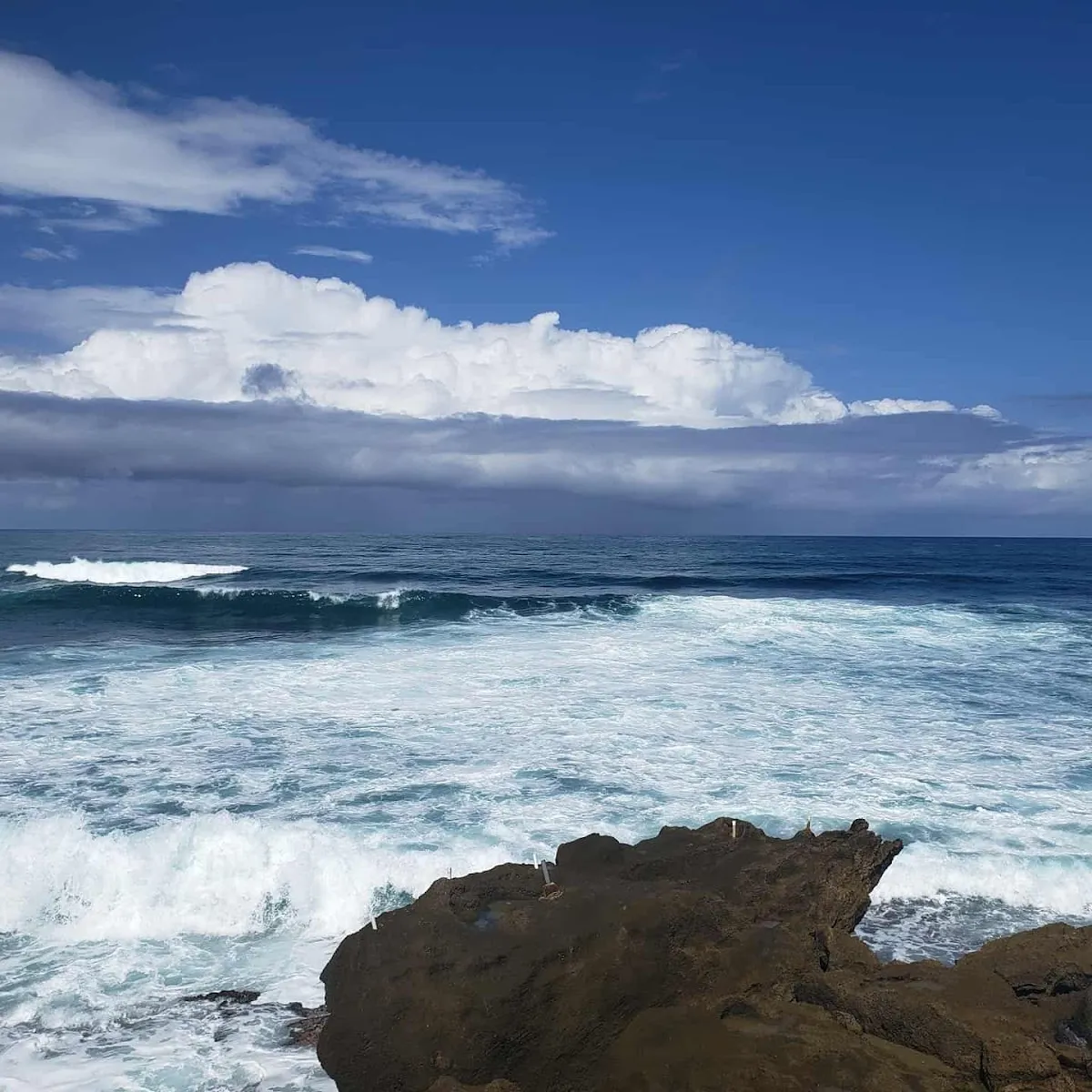
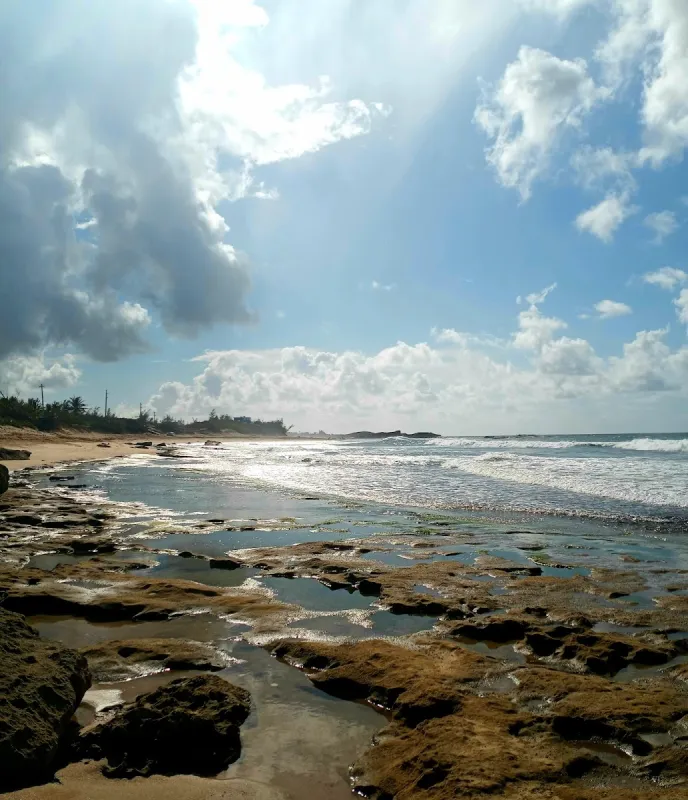
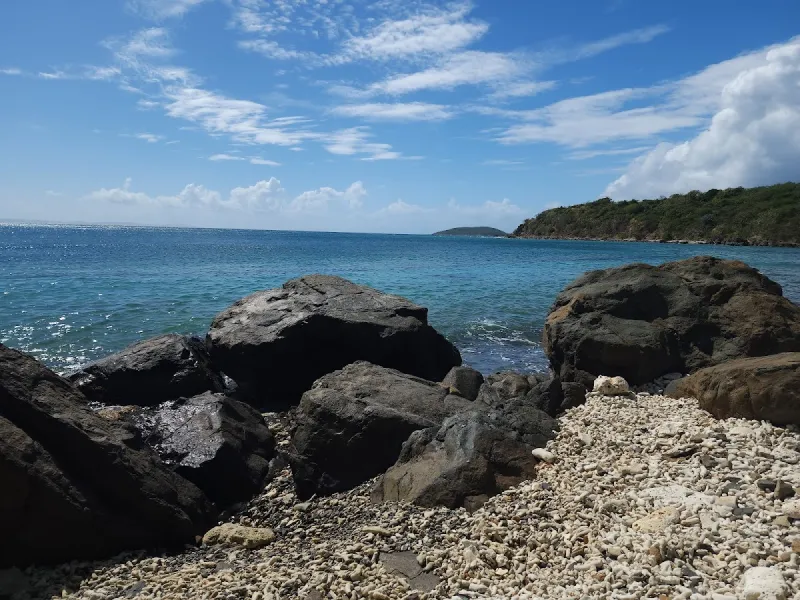
Dorado East Reef Shore features a scenic, undeveloped stretch of Puerto Rico's north coast characterized by exposed fossil reef formations, narrow sand channels, and tide pools. Located east of Dorado's main balneario, this geological landscape preserves the coastal ecosystem in its natural state, offering exploration opportunities for those interested in reef geology and intertidal marine life rather than traditional beach activities.
Visitor Tips
- Arrive before 10am to secure the best parking spots and beach locations
- Golden hour (shortly after sunrise or before sunset) provides the best lighting for photos
- Bring your own food and drinks - limited vendors in the area
- Help preserve the beach beauty by taking all trash with you when you leave
- Bring plenty of water - staying hydrated in the tropical heat is essential
Best Time to Visit
Low tide is the most important factor for visiting the Dorado East Reef Shore. When the tide drops, the reef formations become more exposed, revealing tide pools, sand channels, and geological features that are submerged at higher water. Check tide tables for the Dorado area and plan your visit to coincide with the lowest tide of the day for the best exploration opportunities.
- Summer months (June–September): Calm ocean conditions with minimal North Atlantic swells. This is the ideal season for accessing the reef formations safely.
- Spring (April–May): A good balance between diminished winter swells and lower rainfall. Tide pools are warm and accessible.
- Winter (December–February): Comfortable weather but active north swells make approaching the waterline dangerous.
- Weekday vs. weekend timing matters less here than tide and wave conditions. This stretch of coast sees very few visitors at any time due to the lack of amenities and absence of sandy beach.
What to Bring
- Reef shoes: Non-negotiable for the Dorado East Reef Shore. The fossilized reef rock is extremely sharp and will cut through thin-soled shoes, let alone bare feet. Choose footwear designed for rocky shorelines, with protection on top and bottom and secure ankle straps.
- Mask and snorkel: For peering into deeper tide pools which can hold surprising marine life including small fish, sea cucumbers, chitons, crabs, and various invertebrates.
- Underwater camera or waterproof phone case: Captures close encounters with tide pool organisms effectively.
- All food, water, and supplies: Must be brought with you. There is nothing at the reef shore, and the nearest services are back at the main Dorado beach area. Pack light since you will be carrying everything over rough terrain.
- Small daypack: Works better than a beach bag for carrying supplies over rough terrain.
- Sunscreen, hat, and sunglasses: The reef shore is fully exposed with no shade.
- First aid kit: Include waterproof bandages and antiseptic, as scrapes on reef rock are common even for careful visitors.
- Gardening gloves or neoprene dive gloves: Protect your hands if you need to brace yourself on the rock while exploring.
History & Background
Dorado East Reef Shore occupies a stretch of coastline on the eastern side of Dorado's main beach area, where the sandy shore gives way to exposed reef formations and narrow sand channels. This transition zone between beach and reef tells a geological story that extends back millions of years, when the coral structures that now form the coastline were living reefs in warmer, higher seas. As sea levels changed and the land shifted, these ancient reefs became the foundation of the shoreline itself.
Dorado, founded in 1842, grew around sugar cane cultivation and cattle ranching on the fertile coastal plain. The haciendas that once dominated the landscape have largely given way to residential developments and resort properties, but the undeveloped reef shoreline to the east preserves something of the coast's pre-development character. The lack of development along the east reef shore is partly a function of the terrain itself—the exposed reef rock, narrow sand pockets, and challenging water access make this stretch unsuitable for resort beach development, allowing tide pool ecosystems, nesting seabirds, and coastal vegetation to flourish undisturbed.
The reef formations along this eastern stretch are part of a larger system that runs along Puerto Rico's north coast. These formations, variously described as beachrock, eolianite, and fossil reef, create a hardened shoreline that resists erosion differently than sandy beaches. While sand beaches shift and reshape with every storm, the reef rock holds its form, albeit slowly wearing down under constant wave attack. The narrow sandy tongues between reef formations represent pockets where sand accumulates in the shelter of the rock.
Nearby Attractions
Several attractions near Dorado East Reef Shore offer contrasting experiences and useful services to complement your visit to this geological landscape.
- Dorado Beach public balneario: The nearest developed beach, just to the west. Offers restrooms, showers, lifeguards, and a conventional sandy beach experience. After exploring the reef shore, the balneario provides facilities for rinsing off and cooling down.
- Playa El Unico: Dorado's undeveloped western beach featuring a long sandy stretch known for sea turtle nesting. Visiting both El Unico and the East Reef Shore in a single day provides contrasting perspectives on Dorado's coastal diversity.
- Dorado Beach Ritz-Carlton Reserve: Operates restaurants open to non-guests by reservation. The property sits on beautifully landscaped grounds and provides a high-end dining option after a rugged morning on the reef shore.
- Museo y Centro Cultural Casa del Rey: Located in Dorado's town center, displays the municipality's history from Taino to present. Free admission and provides context for the landscape you explore along the coast.
- Ciclovía Dorado cycling path: Runs along the coast and connects to various beach access points. After exploring the reef shore on foot, cycling the path provides a broader view of the coastal landscape. Bike rentals are available in the Dorado area.
Local Tips
- Come as an explorer, not a sunbather. This is a location for those with the mindset of a tide pool naturalist or coastal geologist, not a beachgoer. The reward here is discovering the small-scale life and geological detail of the reef formations, not lounging on sand. Set your expectations accordingly and you will find the outing deeply satisfying.
- Watch your footing constantly. The reef rock has irregular surfaces, sharp edges, and occasional loose sections. A fall on this terrain can cause serious lacerations. Move slowly and deliberately, testing each foothold before committing your weight. Wet rock is significantly more slippery than dry rock.
- Expect sand pockets to change. The narrow sandy tongues between reef formations can disappear or relocate after storm events. Do not rely on any previous description of specific sand pocket locations, as the sand shifts with each significant wave event. What you find on the day of your visit is what exists at that moment.
- Observe marine life without touching. Many organisms, including sea urchins, fire coral, and certain anemones, can sting or puncture skin. Observe from a few inches away rather than reaching in. This protects both you and the organisms, which can be stressed or damaged by handling.
- Tell someone where you are going. The east reef shore is an isolated area without cell service in some spots, and the rocky terrain increases the chance of minor injury. Having someone aware of your plans provides a safety net in case you need assistance.
Frequently Asked Questions
Where is Dorado East Reef Shore located?
Is Dorado East Reef Shore good for swimming?
What facilities are available at Dorado East Reef Shore?
What activities can I do at Dorado East Reef Shore?
More beaches for: Scenic
Is there parking at Dorado East Reef Shore?
What is the best time to visit Dorado East Reef Shore?
Practical Info
No lifeguards are present. Swim at your own risk and never swim alone. Apply waterproof sunscreen regularly - the tropical sun is strong. Check weather conditions before visiting, especially during hurricane season (June-November).
Planning Your Visit
Similar Beaches

Nearby Beaches



Explore by Activity
Discover More on Puerto Rico Beach Finder
Explore 460+ beaches across the island with filters, maps, and detailed guides.
Explore All Beaches