Humacao Nature Preserve Humacao, Puerto Rico
At a Glance
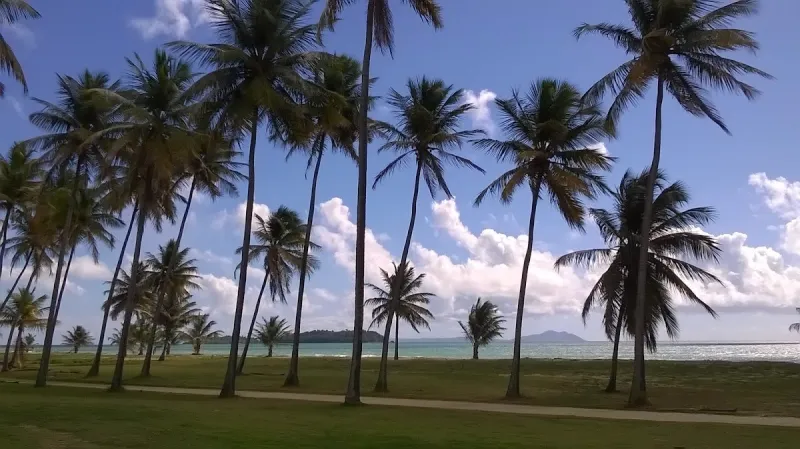
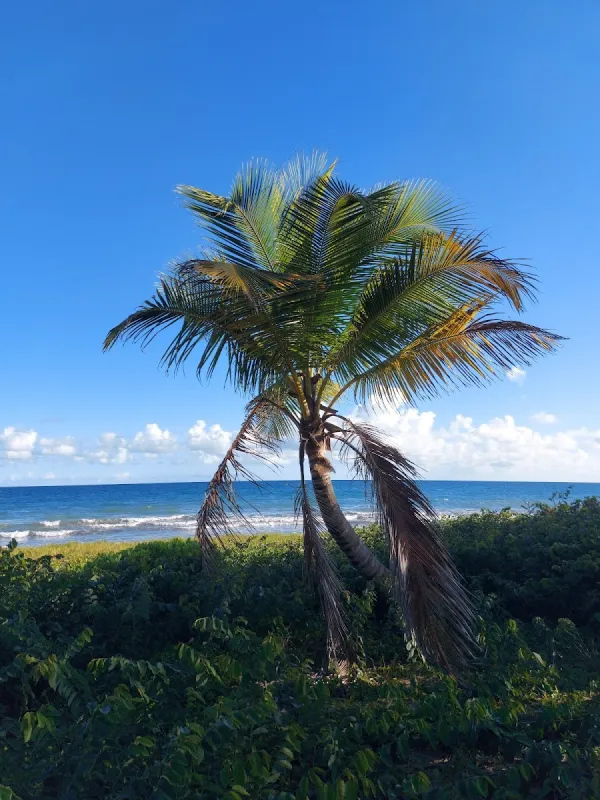
Humacao Nature Preserve is a family-friendly beach in Humacao, Puerto Rico, known for families and scenic views. A scenic 3,000-acre nature preserve on Puerto Rico's eastern coast featuring protected mangroves, lagoons, and diverse native wildlife. Facilities include parking.
About Humacao Nature Preserve
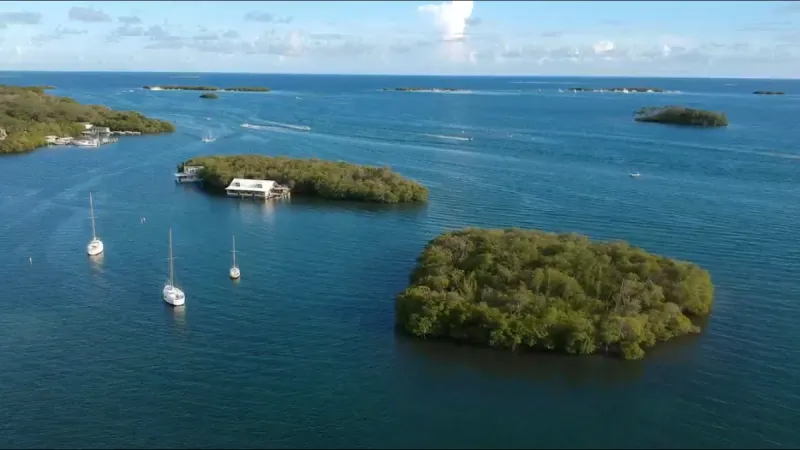
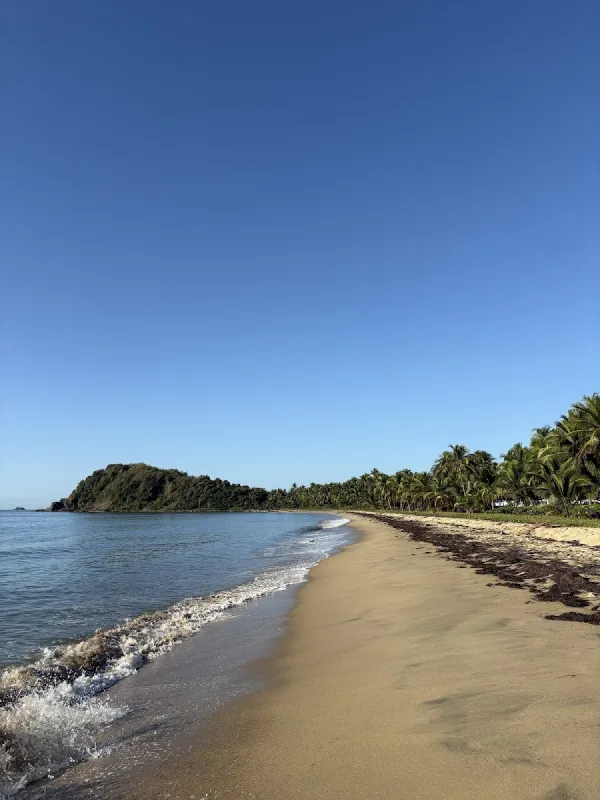
A scenic 3,000-acre nature preserve on Puerto Rico's eastern coast featuring protected mangroves, lagoons, and diverse native wildlife. Explore via maintained hiking and biking trails with rental options available. The beach is ideal for walking and nature observation rather than swimming. Best for families seeking outdoor adventures, birdwatching, and fishing opportunities in a pristine coastal ecosystem.
Visitor Tips
- Rent a bike at the entrance to cover more ground — the preserve is large and trails are flat
- Open during daylight hours; arrive early to have time for both trails and the beach area
- The beach is best for walking and nature observation rather than swimming due to conditions
- Bring binoculars and bug spray — the mangrove areas are rich in birdlife but also mosquitoes
Best Time to Visit
The dry season from December through April offers the most predictable weather and ideal trail conditions with less mud and fewer mosquitoes. Trade winds blow steadily from the northeast, keeping temperatures comfortable though occasionally creating water chop. Summer brings warmer water but more frequent afternoon rain showers, typically short-lived.
- Best hours: Visit during cooler morning hours from 7 to 11 AM when birdlife is most active along lagoon edges and temperatures remain comfortable for hiking and biking.
- Dry season advantage: December through April provides optimal trail conditions and reduced insect activity for extended nature exploration.
- Weekday visits: Quieter weekdays offer excellent uninterrupted birdwatching and wildlife observation opportunities.
- Weekend activity: Weekends bring local families for picnics and cycling outings on the flat preserved trail system.
- Daylight access: The preserve is open during daylight hours only; arrive early to maximize time for both trails and beach exploration.
What to Bring
Sun and insect protection:
- Reef-safe sunscreen (SPF 30 or higher) – tropical sun is intense, especially between 10 AM and 2 PM
- Hat and sunglasses for extended sun exposure
- Insect repellent – apply generously before entering mangrove sections where mosquitoes gather in humid areas
- Reusable water bottle for hydration throughout your visit
For activities and comfort:
- Comfortable walking shoes for trail navigation and the 10-minute beach approach
- Portable beach umbrella or pop-up shade tent – natural shade is limited at this preserve
- Binoculars for birdwatching and wildlife observation
- Camera with extra batteries for capturing scenic moments and wildlife photography
- Rented bike – available at entrance to cover more ground on the large, flat preserve
Food and fishing supplies:
- Packed meals, snacks, and water in a cooler – there are no food vendors at or near this beach
- Fishing rod, tackle, and bait if planning to fish, plus a cooler for your catch
- Valid Puerto Rico fishing license required for fishing activities
Important note: The beach is not recommended for swimming due to rough bottom conditions, debris, and unpredictable east coast currents. Focus on trails, kayaking, and walking for the most rewarding experience.
History & Background
Humacao Nature Preserve is located in the municipality of Humacao on Puerto Rico's eastern shore, where the Atlantic Ocean and Caribbean Sea converge. This 3,000-acre protected area sits in a region with deep historical roots in Puerto Rio's coastal heritage, serving as a gateway to offshore islands and cays with steady trade winds providing comfortable conditions year-round.
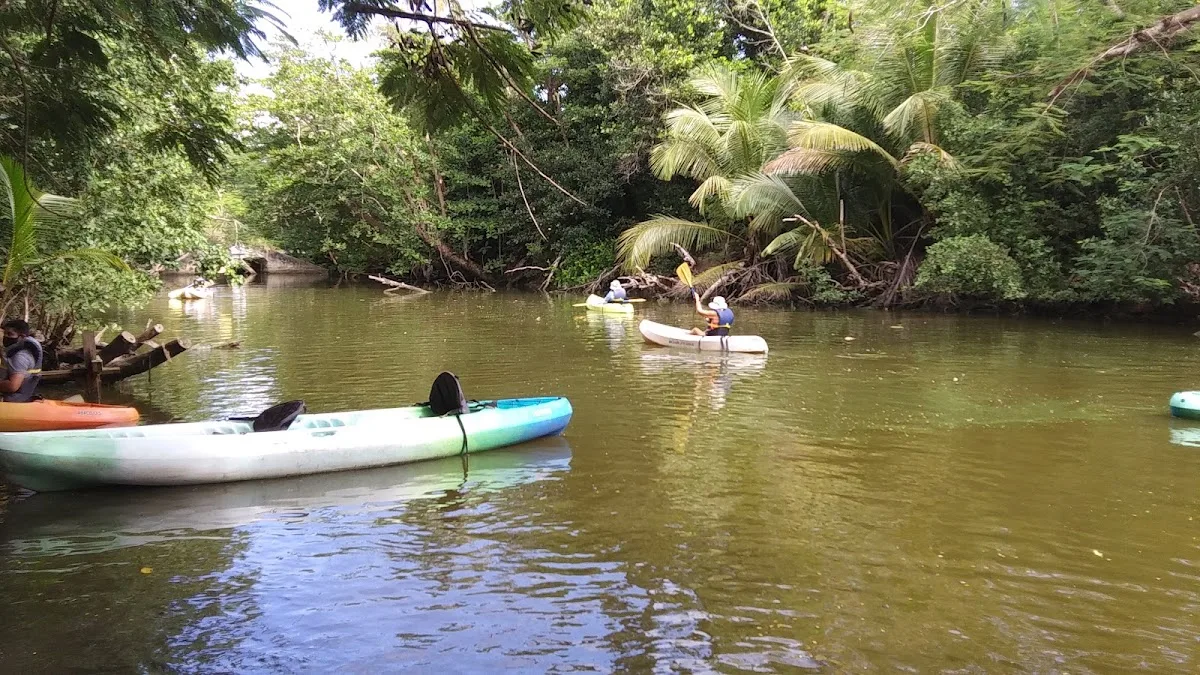
The preserve protects critical mangrove forests, lagoons, and native wildlife through a network of maintained trails accessible to hikers and cyclists. Miles of flat trails wind through the ecosystem with observation points along lagoon edges, offering visitors an intimate experience with Puerto Rico's coastal biodiversity. On-site kayak and bicycle rentals allow exploration without personal gear, making the preserve accessible to visitors of all activity levels.
Whether visited by local families on weekends or travelers discovering the area for the first time, Humacao Nature Preserve reflects the ongoing relationship between coastal communities and the natural environment, preserving both the character and ecological integrity of Puerto Rico's eastern shore.
Nearby Attractions
Humacao Nature Preserve is situated in a region rich with cultural and recreational attractions. The municipality of Humacao and surrounding areas offer dining, cultural experiences, and additional beach opportunities worth exploring during your visit.
- Humacao Wildlife Refuge and Palmas del Mar: Notable protected areas and resort developments worth visiting for additional nature exploration and coastal scenery.
- Naguabo: Neighboring municipality a short drive away, offering local character and additional coastal attractions.
- Palmas del Mar – Harbor Cove: Alternative beach in the Humacao area with different recreational character and amenities.
- Secret Beach and Playa Punta Santiago Punta: Additional nearby beaches each with unique features for beach hopping if you have time.
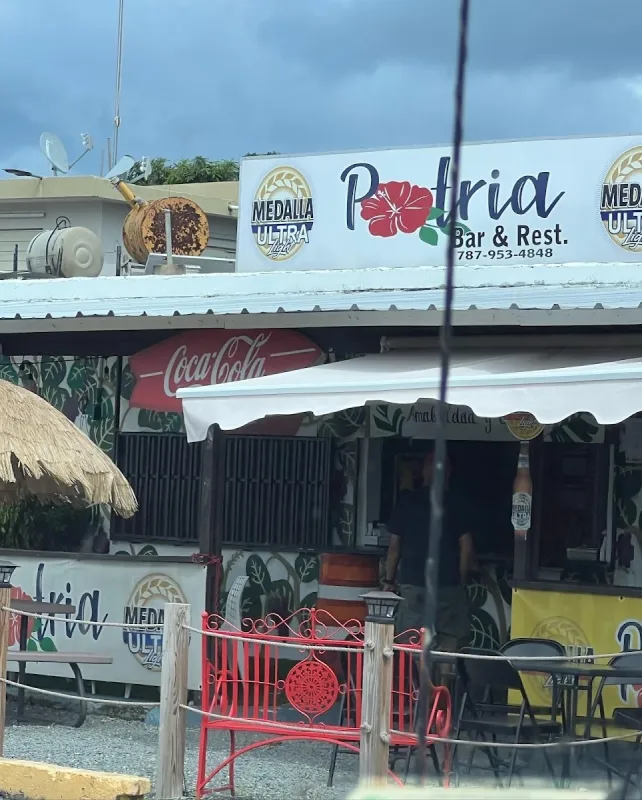
- Local restaurants and chinchorros: Roadside food establishments serving traditional Puerto Rican fare including fresh seafood, mofongo (mashed plantain with garlic), and tostones (fried plantain slices).
- Weekend food stalls: Informal vendors selling empanadillas, bacalaítos (codfish fritters), and piraguas (shaved ice with fruit syrup) at affordable prices.
- Humacao town center: Central plaza featuring a church, local shops, and cafes offering authentic Puerto Rican town life experiences.
- Patron saint celebrations (fiestas patronales): Weekend festivals and markets throughout the year featuring live music, food, and cultural performances.
Local Tips
- Walking focus: The beach is best for walking and nature observation rather than swimming due to rough conditions, debris, and unpredictable east coast currents that make water entry uncomfortable and risky.
- Wildlife observation essentials: Bring binoculars and bug spray – mangrove areas are rich in birdlife but also mosquitoes, particularly in shaded humid areas.
- Public beach access rights: As with all Puerto Rico beaches, the beach zone up to the high-tide mark is public land by law, regardless of any adjacent private property or signage suggesting otherwise. You have the legal right to access and enjoy any beach in Puerto Rico.
- Environmental responsibility: Pack out all trash and leave the beach as you found it. Puerto Rico's coastal ecosystems are under pressure from development and climate change, and responsible visitors make a real difference.
- Sea turtle protection: Between April and November, sea turtles may nest on sandy beaches. If you spot a nest or hatchlings, keep your distance and report it to the DRNA (Department of Natural Resources).
- Language and cultural respect: Spanish is the primary language in most areas outside San Juan's tourist zones. Learning phrases like ¿Dónde está la playa? (Where is the beach?) and Gracias (Thank you) goes a long way. Puerto Ricans are generally warm and helpful toward visitors who show respect for the culture and environment.
Frequently Asked Questions
Where is Humacao Nature Preserve located?
Is Humacao Nature Preserve good for swimming?
What facilities are available at Humacao Nature Preserve?
Find beaches with: With Parking
What activities can I do at Humacao Nature Preserve?
Is there parking at Humacao Nature Preserve?
What is the best time to visit Humacao Nature Preserve?
Amenities
Practical Info
The beach itself is not recommended for swimming due to rough bottom conditions, debris, and unpredictable east coast currents that make water entry uncomfortable and risky. Focus on the trails and kayak waterways for the most rewarding experience within the preserve. Apply insect repellent generously before entering mangrove sections where mosquitoes gather in shaded, humid areas. Stay on marked trails to avoid disturbing nesting wildlife habitat.
Planning Your Visit
Similar Beaches



Nearby Beaches
Explore by Activity
Discover More on Puerto Rico Beach Finder
Explore 460+ beaches across the island with filters, maps, and detailed guides.
Explore All Beaches