La Ocho (Escambrón east reef) San Juan, Puerto Rico
Quick Facts
About La Ocho (Escambrón east reef)
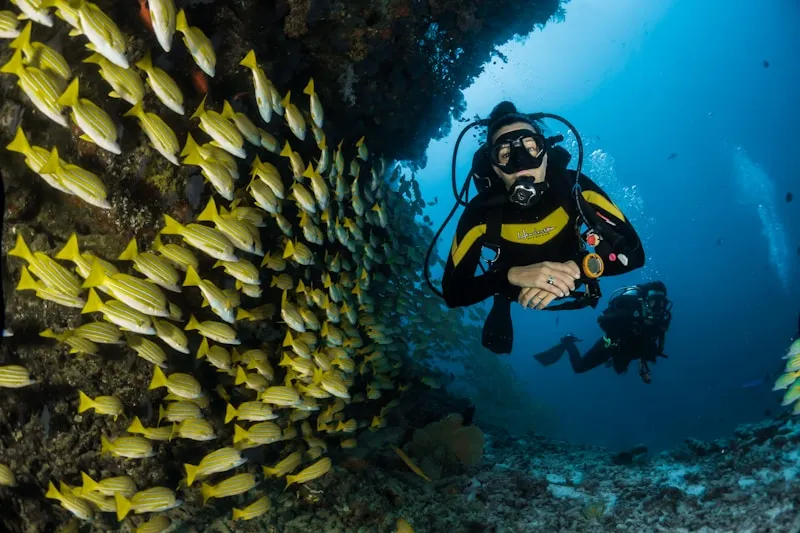
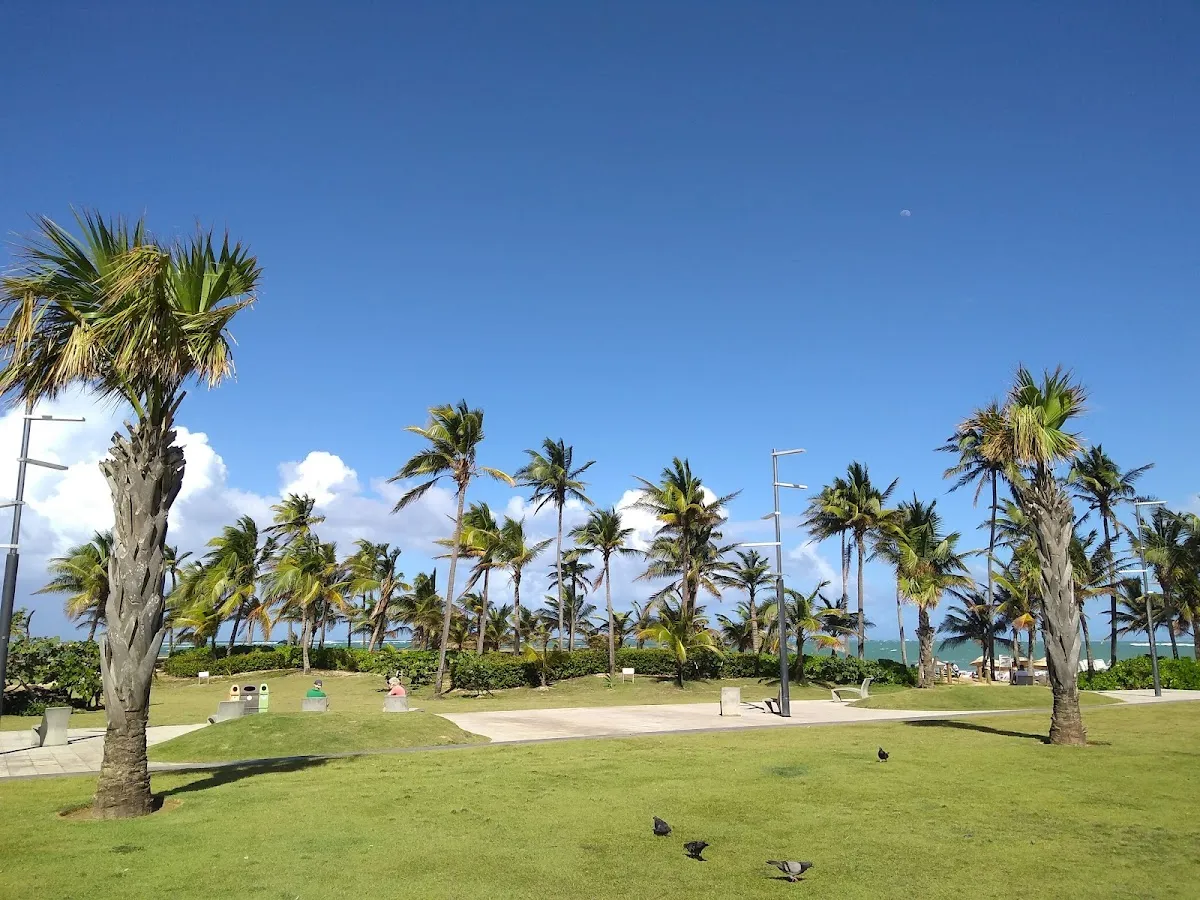
La Ocho (Escambrón east reef) in San Juan is a premier diving, snorkeling, and surfing destination on Puerto Rico's north coast. This advanced reef break delivers consistent Atlantic swells, particularly during winter months (December-March) when larger N/NE swells attract experienced surfers. The site features clear waters with excellent underwater visibility, diverse marine life, and a dramatic reef peak east of Escambrón. Best visited in early morning hours before crowds arrive.
Visitor Tips
- Arrive before 10am to secure the best parking spots and beach locations
- Bring your own snorkeling gear for the best fit and visibility
- Bring your own food and drinks - limited vendors in the area
- Help preserve the beach beauty by taking all trash with you when you leave
- Check surf reports before heading out and respect local surf etiquette
- Bring plenty of water - staying hydrated in the tropical heat is essential
History & Background
La Ocho (Escambrón east reef) is located in San Juan, Puerto Rico's capital city on the north coast, founded in 1521. This historic municipality features Old San Juan and Condado beach districts, anchoring the island's cultural and maritime heritage. The northern coastline faces the Atlantic Ocean, where trade winds generate consistent swells and currents that shape both the shoreline and local water conditions.
The reef break at Escambrón reflects Puerto Rico's dynamic coastal environment. Winter months bring larger swells from the north Atlantic, creating advanced conditions, while the area maintains clear waters with diverse marine life year-round. The waters here support excellent underwater visibility, making it popular among divers and snorkelers alongside experienced surfers who seek its powerful waves.
Whether visited by local families on weekends or travelers discovering the area for the first time, La Ocho carries the character of San Juan's ongoing relationship with the sea, balancing recreation with respect for Puerto Rico's protected marine ecosystems.
Best Time to Visit
Timing your visit to La Ocho depends on your primary activity and weather preferences. The dry season from January to April offers the most reliable beach weather with lower humidity, while December through March brings the largest north Atlantic swells ideal for experienced surfers. Summer months (June-August) feature calmer seas and warmer water, though afternoon thunderstorms are common.
- Winter (December–March): Largest swells, more dynamic conditions for advanced surfers; best overall weather conditions
- Dry Season (January–April): Lower humidity, reliable weather, ideal for water sports and beach activities
- Summer (June–August): Calmer seas, warmer water; however, afternoon thunderstorms are frequent
- Morning Visits (8am–11am): Best combination of favorable weather, good light, and manageable crowds
- Arrive Before 10am: Secure optimal parking spots and choose prime beach locations
Getting There
La Ocho (Escambrón east reef) is located in San Juan on Puerto Rico's north coast. The beach is accessible via road with a short walk to the reef break. GPS navigation is highly recommended, as coastal road signage can be minimal and street addresses are often unreliable in Puerto Rico. A rental car is the most practical option for reaching this beach independently.
- Rent a vehicle from the airport or hotel district in San Juan (major agencies available)
- Use GPS coordinates (18.4666, -66.0849) rather than street addresses for accurate navigation
- Head toward Escambrón area on the north coast; drive time varies depending on your starting point in San Juan (approximately 15-30 minutes from central areas)
- Park in available roadside or designated beach parking areas
- Walk from parking to the reef break (short distance)
Parking: Access the beach via short walk from parking. Arrive early to secure the best parking spots, especially during weekends and peak tourist seasons.
What to Bring
What you pack depends on your planned activities. La Ocho offers diving, snorkeling, and surfing opportunities, each with specific gear requirements:
- For Diving: Dive certification card, personal dive gear (or contact local dive shops for rentals)
- For Snorkeling: Snorkel set (mask, snorkel, fins), underwater camera if desired, reef-safe sunscreen
- For Surfing: Surfboard (shortboard or longboard depending on conditions), rash guard, surf wax, reef boots (rocky bottom)
- Sun & Skin Protection: Reef-safe sunscreen SPF 30 or higher (apply regularly), rash guard or UV shirt, hat for sun protection
- Hydration & Shade: Reusable water bottle, cooler with meals and snacks (no food vendors nearby), portable beach umbrella or pop-up shade tent
- General Essentials: Waterproof phone case, towel, change of clothes, insect repellent, any personal medications
Puerto Rico's tropical sun is intense, especially between 10 AM and 2 PM. Bring your own snorkeling gear for the best fit and visibility. There are no food vendors at or near this beach, so pack sufficient water and meals in a cooler.
Nearby Attractions
La Ocho is situated in San Juan, which offers numerous attractions beyond the beach itself. The area combines historic cultural sites, scenic beaches, and local dining experiences worth exploring during your visit.
- El Morro and San Cristóbal Fortresses: Historic 16th-century fortifications with ocean views, among Puerto Rico's most iconic landmarks
- Old San Juan: Historic district featuring colonial architecture, local shops, galleries, and historic plazas
- Condado Strip: Beach neighborhood with restaurants, hotels, and cultural attractions
- Nearby Beaches: Playa del Pueblo, Playa Puerta de Tierra, and Escambrón Beach each offer different character and conditions
- Local Dining: Roadside kiosks (chinchorros) serving traditional Puerto Rican fare, fresh seafood, mofongo (mashed plantain), tostones (fried plantains), and weekend food stalls with empanadillas and bacalaítos
- San Juan Town Center: Central plaza with church, local shops, and cafés reflecting everyday Puerto Rican town life
- Weekend Markets & Festivals: Patron saint celebrations (fiestas patronales) featuring live music, food, and cultural performances throughout the year
Local Tips
- Bring your own food and drinks: Limited vendors operate in the area, so pack meals, snacks, and plenty of water in a cooler to stay hydrated in the tropical heat
- Check weather and surf reports: Verify conditions before heading out, especially during hurricane season (June-November), and respect local surf etiquette
- Respect marine ecosystems: Avoid touching or standing on coral formations—they are fragile and legally protected under federal and Puerto Rico law. Maintain neutral buoyancy and keep fins from scraping the bottom
- Pack out all trash: Take all trash with you when you leave. Puerto Rico's coastal ecosystems are under pressure from development and climate change; responsible visitors make a real difference
- Sea turtle protection: Between April and November, sea turtles may nest on sandy beaches. If you spot a nest or hatchlings, keep your distance and report it to the DRNA (Department of Natural Resources)
- Know your limits and swim safely: Surf conditions can be powerful; respect the ocean and know your limits. No lifeguards are present—swim at your own risk and never swim alone
- Consider hiring a local surf instructor: If new to surfing in Puerto Rico, hire an instructor who knows the specific conditions, reef layout, and hazards at this break
- Learn basic Spanish phrases: Spanish is the primary language outside San Juan's tourist zones. Phrases like "¿Dónde está la playa?" (Where is the beach?) and "Gracias" (Thank you) help with locals who appreciate visitors showing respect for culture and environment
- Know your beach rights: As with all Puerto Rico beaches, the beach zone up to the high-tide mark is public land by law, regardless of adjacent private property or signage suggesting otherwise
Visitor Photos
Sign in to addNo photos yet. Be the first to share!
Reviews
No reviews yet. Be the first to share your experience!
Conditions
5 months agoLive Updates
No recent crowd data
Amenities
Practical Info
Surf conditions can be powerful. Respect the ocean and know your limits. No lifeguards are present. Swim at your own risk and never swim alone. Apply waterproof sunscreen regularly - the tropical sun is strong. Check weather conditions before visiting, especially during hurricane season (June-November).