La Pocita de Piñones (east pool) Loiza, Puerto Rico
Quick Facts
About La Pocita de Piñones (east pool)
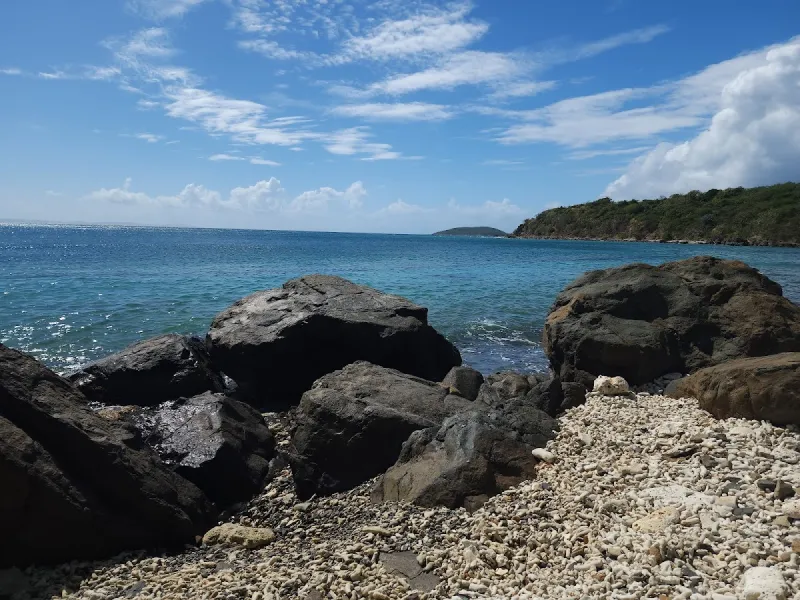
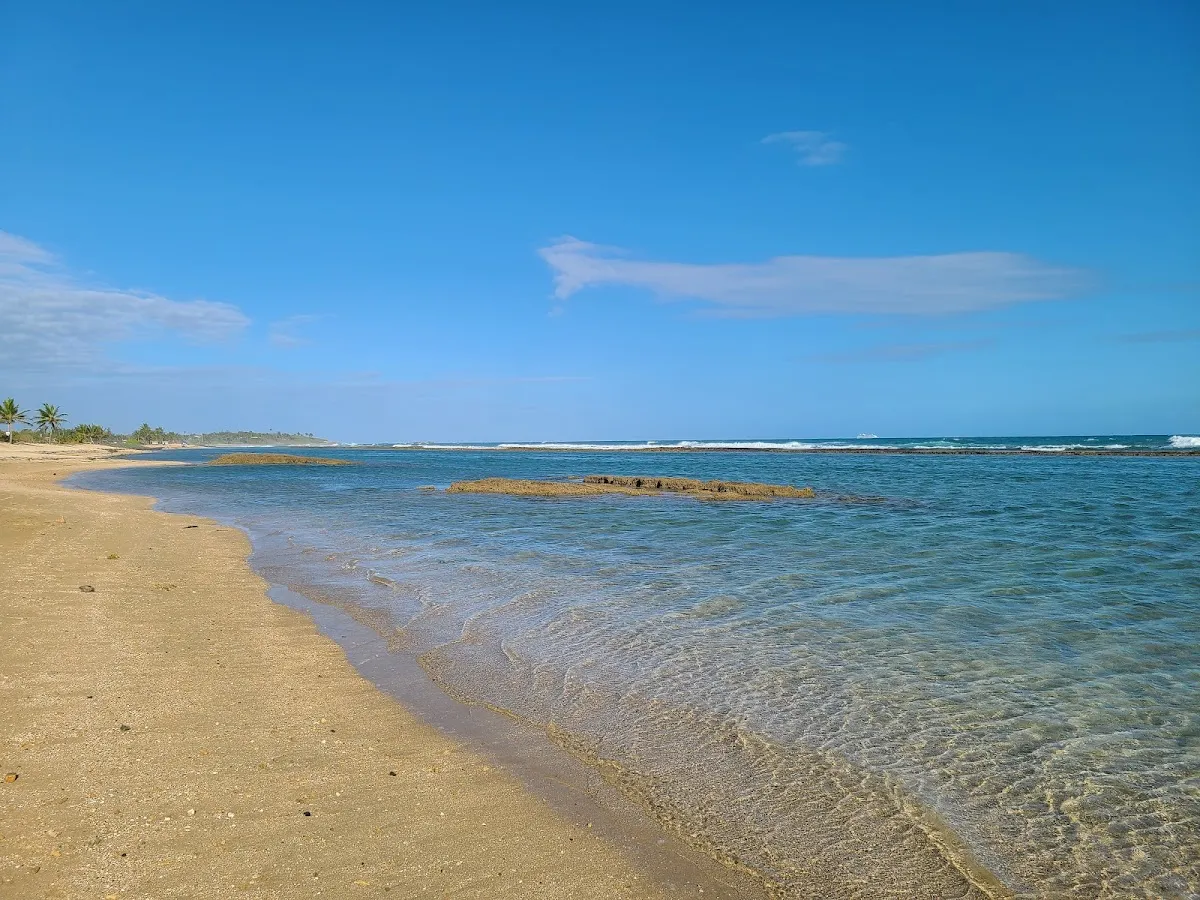
La Pocita de Piñones (east pool) is a shallow, reef-enclosed tidal pool in Loiza, Puerto Rico, perfect for families with young children. Located along the scenic Piñones coastal mangrove forest near San Juan, this natural bathing spot offers calm, warm water when ocean conditions cooperate. The pool is formed by ancient coral limestone formations that trap seawater, creating a safe swimming environment away from the wave-exposed north coast.
Visitor Tips
- Arrive before 10am to secure the best parking spots and beach locations
- Golden hour (shortly after sunrise or before sunset) provides the best lighting for photos
- Bring your own food and drinks - limited vendors in the area
- Help preserve the beach beauty by taking all trash with you when you leave
- Bring plenty of water - staying hydrated in the tropical heat is essential
History & Background
La Pocita de Piñones (east pool) is one of several natural reef-enclosed tidal pools along the coast of Loiza, a municipality whose cultural identity is among the most distinctive in Puerto Rico. Loiza was founded in 1719, though the area had been settled much earlier by both Taíno and later by enslaved Africans brought to work the sugar plantations. The municipality is widely regarded as the center of Afro-Puerto Rican culture, and its traditions in music, dance, cuisine, and religious practice carry strong West African roots that survived centuries of colonization.
The pocitas (small pools) along this coast are formed by ancient reef formations that run parallel to shore. Over millennia, coral limestone built up above the waterline, creating natural barriers that trap seawater in calm, shallow pools as waves break over the outer reef and fill the enclosed spaces. These pools have been used as natural bathing spots by local residents for generations. The east pool is known for being particularly shallow and calm when conditions cooperate, making it a favorite for families with young children.
The Bosque Estatal de Piñones protects over 3,100 acres of mangrove and pterocarpus forest, one of the largest such reserves in the Caribbean. The protection of the state forest and the designation of the ecological corridor helped preserve the area's natural character, including the reef formations that create the pocitas.
Best Time to Visit
The pocitas work best on calm ocean days when waves are small. During large north swells, common from November through March, the outer reef gets overtopped by powerful waves that can make the pools turbulent and unsafe.
- Summer months (June–September): Generally bring calmer ocean conditions to the north coast, making the pocitas more consistently usable. Water temperature in the pools is warmer than the open ocean. Morning visits are more reliable than afternoons due to possible thunderstorms.
- April–June: Often represents a sweet spot. Winter swells have mostly subsided, summer rain has not yet reached peak frequency, and the pools are calm and inviting. Fewer crowds during school days.
- Weekends vs. Weekdays: The Pinones area draws large crowds from the San Juan metro on weekends. For a peaceful experience, arrive early on a weekend or visit on a weekday.
- Tide and Time of Day: Visit during mid-tide or rising tide for the best water levels. Afternoon sun can be intense; morning visits are preferable.
Getting There
Piñones is directly east of the Isla Verde area of San Juan, making it one of the most accessible coastal areas from the metro region. The drive from Isla Verde takes about 15 minutes, and from the broader San Juan metro area, the total drive from Condado or Santurce is roughly 25 to 30 minutes.
- Take PR-26 (Baldorioty de Castro Expressway) east to Isla Verde.
- Continue onto PR-187 east into Piñones. The road runs through the Piñones state forest with the ocean to your left and mangroves to your right.
- The pocitas are located along this coastal stretch. Look for informal parking lots and roadside spots near the water.
Parking is available in informal lots and roadside spots along PR-187 near the pocitas. The kiosk area in Piñones has more organized parking that may require a small fee on busy days. From the parking area, the walk to the east pool crosses over the reef rock and requires careful footing. There is no paved path to the water's edge. The Piñones bike path runs along PR-187 and is accessible from multiple points. Cycling from Isla Verde to the pocitas is a popular option, taking about 20 to 30 minutes on the flat, paved path.
What to Bring
- Water shoes: The most important item. The reef rock surrounding the pools is sharp and uneven. Choose shoes with solid soles and secure straps that can handle wet, rocky surfaces.
- Sunscreen: Essential, as the reef rock area has no shade. Apply before leaving the car.
- Beach towel and mat: Bring a small mat for sitting on the rock surface, which gets hot in direct sun.
- Shade tent: A pop-up shade tent can be set up on the flat rock areas if you plan an extended visit.
- Snorkeling gear: If you want to observe the small fish, crabs, and other marine life that inhabit the pools. An underwater camera or waterproof phone case captures the pool life effectively.
- Food and water: Carry your own, though the Piñones kiosks are within walking distance and offer an excellent selection of local fried foods, drinks, and seafood.
- First aid kit: Bring bandages and antiseptic given the reef environment.
- Trash bag: Carry out everything you bring in.
Nearby Attractions
The Piñones area offers excellent attractions for a full day of activities beyond the pocitas themselves.
- Pinones Kiosk Strip: Dozens of small stands along PR-187 serve alcapurrias (fried fritters stuffed with crab, beef, or other fillings), bacalaitos (codfish fritters), empanadillas, and fresh coconut water. This is an essential Puerto Rican food experience and is often cited as some of the best street food on the island.
- Paseo Piñones Bike Path: Extends for several miles along the coast and through the mangrove forest. The flat, paved trail is suitable for all fitness levels and can be enjoyed on foot, by bicycle, or on rollerblades. Bike rentals are available at both ends of the path.
- Bosque Estatal de Piñones: Offers boardwalk trails through the mangrove forest. These trails are flat and accessible, providing a different perspective on the coastal ecosystem.
- Loiza Town Center: About 15 minutes east on PR-187 and PR-951, features the San Patricio Church, one of the oldest churches in Puerto Rico. The town is the epicenter of bomba music and dance, and informal bomba gatherings happen regularly. The vejigante mask-making tradition is also centered here.
- Isla Verde Beach: Back toward San Juan (about 15 minutes west), offering resort-style beach amenities, restaurants, and water sports rentals for a contrasting experience.
Local Tips
- Monitor ocean conditions constantly: Even though the pocitas appear calm, ocean conditions can change rapidly. Keep an eye on the outer reef edge at all times. If you notice waves suddenly breaking larger or water surging into the pool with more force, exit the pool immediately. Rogue sets of waves can overfill the pools and create dangerous conditions without warning.
- Time your visit for optimal tide: The east pool is shallower than the main pocita, which makes it safer for children but also means it can empty partially during low tide on calm days. Visit for mid-tide or rising tide for the best water levels and warmest temperatures.
- Do not skip the Piñones kiosks: The alcapurrias de jueyes (crab fritters) are a regional specialty that you will not find at this quality level elsewhere. Each kiosk has its own loyal following, so try a few and decide your favorite. Cash is king at most kiosks, though some have added card readers in recent years.
- Practice standard urban safety precautions: Do not leave valuables visible in your parked car. Visit during daylight hours, and stick to populated areas near the kiosks and the bike path. Traveling with others is preferable to going alone, particularly at less-trafficked sections of the coast.
- Respect the reef rock environment: The reef rock can be incredibly hot in afternoon sun. If you plan to sit on it, bring something to cushion and insulate yourself. The rock is slippery when wet from wave splash. Move deliberately, and help children navigate the terrain rather than letting them run freely.
Visitor Photos
Sign in to addNo photos yet. Be the first to share!
Reviews
No reviews yet. Be the first to share your experience!
Conditions
5 months agoLive Updates
No recent crowd data
Amenities
Practical Info
No lifeguards are present. Swim at your own risk and never swim alone. Apply waterproof sunscreen regularly - the tropical sun is strong. Check weather conditions before visiting, especially during hurricane season (June-November).