Mar Chiquita Manati, Puerto Rico
Quick Facts
About Mar Chiquita
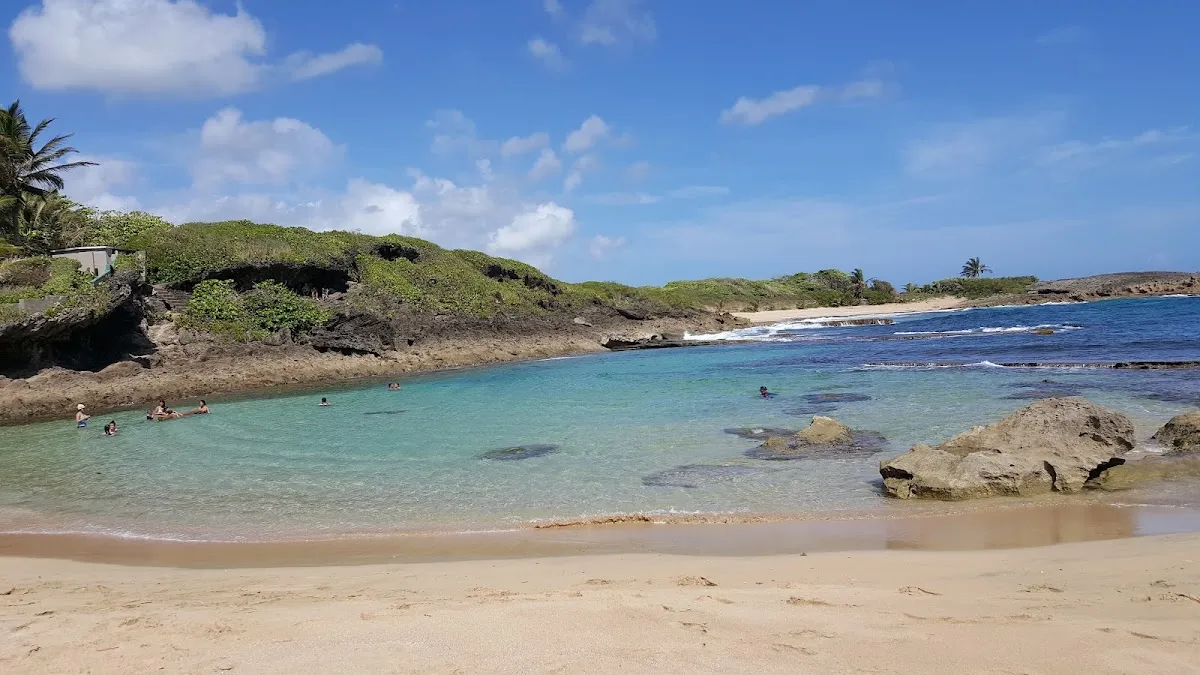
Mar Chiquita is a striking keyhole-shaped cove in Manati, Puerto Rico, formed by dramatic limestone rock walls that funnel Atlantic swells into a sheltered interior. This family-friendly swimming spot is calmest during low swell and dry season months. The narrow channel between the rocks creates unpredictable surges, so always check conditions and exercise caution. Famous for its photogenic rock arch framing, Mar Chiquita draws weekend visitors seeking a scenic natural wonder along Puerto Rico's unique karst coast.
Visitor Tips
- Arrive before 10am to secure the best parking spots and beach locations
- Golden hour (shortly after sunrise or before sunset) provides the best lighting for photos
- Bring your own food and drinks - limited vendors in the area
- Help preserve the beach beauty by taking all trash with you when you leave
- Bring plenty of water - staying hydrated in the tropical heat is essential
History & Background
Mar Chiquita, which translates to Little Sea, is a geological oddity along Puerto Rico's northern limestone coast in Manati. The beach occupies a nearly enclosed cove formed by two walls of jagged rock that curve inward from the coastline, leaving only a narrow gap where ocean water surges in and out with each wave cycle. This natural rock formation is part of the karst limestone belt that defines much of the island's north coast, shaped by millions of years of erosion, tectonic uplift, and the dissolving action of rainwater on calcium carbonate rock.
For generations, families from Manati and neighboring towns have treated Mar Chiquita as a weekend gathering place. The cove's sheltered interior made it a natural swimming hole during calm conditions, and local fishermen have long used the rocks as casting platforms. The beach gained wider recognition in the 2000s when social media and travel blogs circulated photographs of its unusual rock arch formation, turning it into one of the most shared images of Puerto Rico's coast. Hurricane Maria in 2017 reshaped portions of the rock walls and altered sand levels, with recovery continuing to this day. Mar Chiquita remains a vivid example of how Puerto Rico's karst coastline produces landforms found nowhere else in the Caribbean.
Best Time to Visit
Mar Chiquita is safest and most enjoyable during the dry season from December through April, when Atlantic swells tend to be smaller and the cove's interior stays calmer. On days when the surf report shows north swells above four feet, the channels between the rocks become dangerous and swimming is not recommended.
- December–April (Dry Season): Smaller Atlantic swells, calmer cove interior, excellent visibility. Check conditions before entering water. North swells above 4 feet make channels dangerous.
- May–November (Summer/Hurricane Season): Warmer air and water, but larger and more unpredictable swells from tropical systems. North-facing coast catches brunt of storm surge. After heavy rain, runoff clouds the water temporarily.
- Weekdays vs. Weekends: Weekends year-round are crowded, with parking filling by mid-morning. Weekday mornings offer fewer visitors before 10 a.m. and better photography light. During Semana Santa (Easter week) and Christmas–Three Kings Day (Jan 6), arrive before 8 a.m. or expect to park along the access road.
Getting There
Mar Chiquita is located on PR-685, north of the town center of Manati. The drive from San Juan takes approximately 50 minutes without traffic. A small parking lot sits adjacent to the beach access point, holding only about 20 cars, with overflow parking along PR-685 shoulders. There are no parking fees.
- From San Juan metro area: Take PR-22 (expressway) west toward Arecibo.
- Exit at PR-2 toward Manati and follow signs north on PR-685 toward the coast.
- From Arecibo: Head east on PR-2 and turn north on PR-685.
- The road narrows as it approaches the coast, winding through a residential area with speed bumps.
The walk from the parking area to the cove is short, roughly 100 yards along a dirt path that can be muddy after rain. The terrain is uneven with exposed limestone and tree roots. There are no lifeguards on duty. The nearest gas station and convenience stores are back on PR-2 in Manati proper, about a 10-minute drive south. If using GPS, search for Mar Chiquita Beach Manati rather than just Mar Chiquita, as the name can return results in other municipalities.
What to Bring
- Water Shoes: Strongly recommended. The cove floor is a mix of sand, rock, and coral rubble. Sea urchins inhabit crevices along the walls. Sturdy water shoes with good grip make entry and exit far more comfortable and safe.
- Reef-Safe Sunscreen: Reapply frequently, as the reflective rock walls amplify UV exposure inside the cove. A rashguard provides additional sun protection and helps prevent scrapes against rock surfaces when surge pushes swimmers near the walls.
- Flotation Safety Aids: For families with children, inflatable arm floats or a swim vest adds a safety margin, since water depth inside the cove changes rapidly with each wave pulse.
- Waterproof Phone Case: Capture dramatic views through the rock arch without risking your device. The spray inside the cove is constant even on calm days.
- Hydration & Food: Pack drinking water, snacks, and a small cooler since services are minimal. A beach towel or mat is more practical than a full beach chair given the compact sandy area.
- Snorkel Mask (Optional): If conditions allow safe swimming, a basic snorkel mask reveals small fish, crabs, and marine life along the rock walls, though this is not a dedicated snorkeling spot.
- Garbage Bag: Bring one to pack out all waste, as there are no trash receptacles at the beach.
Nearby Attractions
Several noteworthy destinations lie within a short drive of Mar Chiquita, offering diverse coastal and cultural experiences in the Manati area and neighboring municipalities.
- La Cueva del Indio (Indian Cave): Roughly three miles east of Mar Chiquita on PR-685. This archaeological site features Taíno petroglyphs carved into limestone walls of a sea cave, along with dramatic cliff views. A short trail from roadside parking leads to the cave entrance. Admission is free.
- Playa Tortuguero & Tortuguero Nature Reserve: Located east toward Vega Baja, this long open strand is backed by freshwater lagoons and coastal forest. The reserve protects sea turtle nesting habitat and migratory bird populations. Walking trails loop through the wetland areas.
- Manati Town Plaza & Iglesia Nuestra Señora de la Candelaria: Historic church and traditional restaurants in town center. Panadería Manati offers fresh bread and local pastries. Roadside lechoneras (roast pork stands) serve slow-roasted pork with rice and beans.
- Hacienda La Esperanza: Managed by the Conservation Trust of Puerto Rico, this reserve lies south of PR-2 in Manati and preserves a 19th-century sugar plantation with walking trails through coastal and riverine ecosystems.
Local Tips
- Never turn your back to the ocean. The gap in the rock wall produces unpredictable surges that can sweep through the cove with little warning, even on days that appear calm. Stand where you can always see the entrance channel, and keep children within arm's reach.
- Avoid climbing the rock walls. They are extremely slippery, particularly on the ocean-facing side where spray keeps the surface wet. Falls onto jagged limestone cause serious lacerations.
- Choose the calmer left side. The left side of the cove (facing the ocean) tends to be calmer than the right side, where the channel directs most incoming wave energy. On moderate swell days, staying to the left offers a more controlled experience. If you see whitewater regularly surging through the gap, stay out of the water entirely.
- Photograph in early morning light. Visit in the morning when the sun backlights the rock arch from the east, creating the iconic framing shot that made this beach famous online. An ultrawide lens captures the full arch. The best vantage point is from the sand looking outward through the gap.
- Arrive early on busy days. Parking disputes are common on busy days because the lot is small and road shoulders are narrow. Arrive early or visit on a weekday to avoid frustration.
- Support local vendors. Local vendors selling coconut water and alcapurrias (fried fritters) sometimes set up near the parking area on weekends, offering a taste of traditional roadside food culture. Tip them well since they carry everything in by hand.
Visitor Photos
Sign in to addNo photos yet. Be the first to share!
Reviews
No reviews yet. Be the first to share your experience!
Conditions
1 month agoLive Updates
No recent crowd data
Amenities
Practical Info
No lifeguards are present. Swim at your own risk and never swim alone. Apply waterproof sunscreen regularly - the tropical sun is strong. Check weather conditions before visiting, especially during hurricane season (June-November).