Pico de Piedra Aguada, Puerto Rico
Quick Facts
About Pico de Piedra
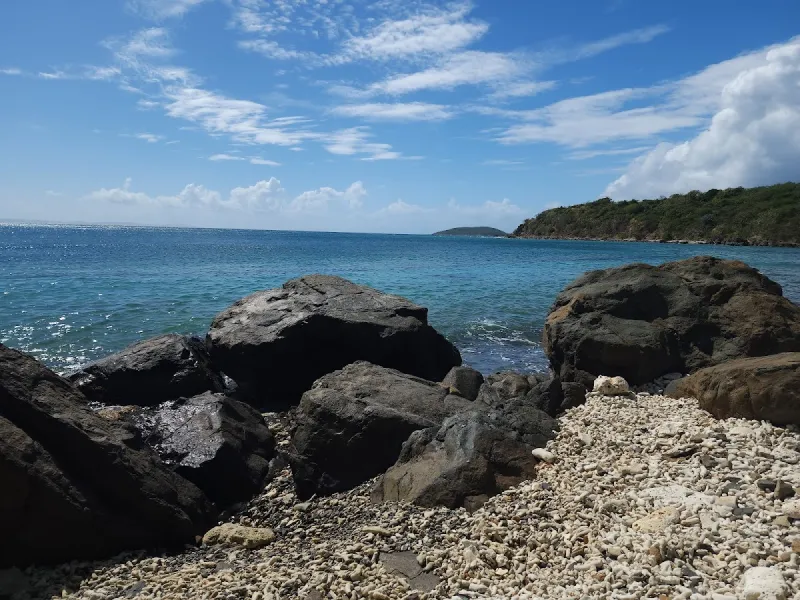
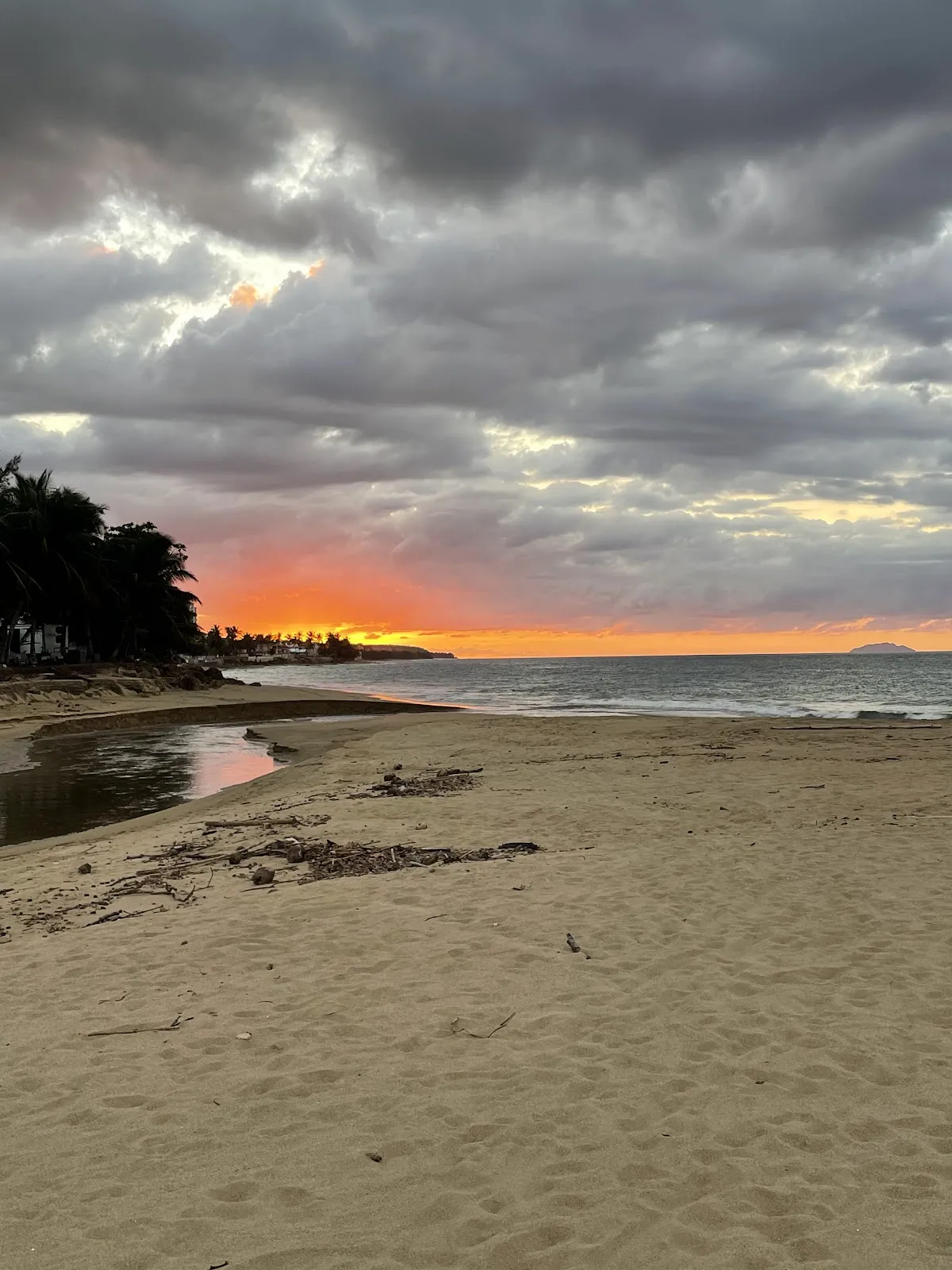
Pico de Piedra is Aguada's municipal balneario on Puerto Rico's western coast, offering a family-friendly swimming destination with gentler waters than nearby surf beaches. The public beach features maintained facilities, scenic views, and hosts summer festivals that draw families from across the region. With restrooms, showers, and calm conditions most days, it's an ideal spot for a relaxing beach day.
Visitor Tips
- Arrive before 10am to secure the best parking spots and beach locations
- Golden hour (shortly after sunrise or before sunset) provides the best lighting for photos
- Bring your own food and drinks - limited vendors in the area
- Help preserve the beach beauty by taking all trash with you when you leave
- Bring plenty of water - staying hydrated in the tropical heat is essential
History & Background
Pico de Piedra is the municipal balneario of Aguada, a town on Puerto Rico's western coast that claims one of the most debated historical distinctions on the island: the site of Christopher Columbus's second voyage landing in 1493. The town's name derives from "aguada," meaning a watering station, as rivers flowing into the bay provided fresh water for ships traversing the Mona Passage between Puerto Rico and Hispaniola. Aguada was founded as a municipality in 1692, making it one of the oldest on the island.
The beach was developed as a public balneario, part of Puerto Rico's network of government-maintained public beaches. Pico de Piedra, whose name translates to "stone peak," has become known for its summer festival programming and its generally calmer waters, making it suitable for family swimming on most days. The beach benefits from its status as a municipal facility, which provides a governance structure for ongoing maintenance and improvement following challenges like Hurricane Maria in 2017.
Best Time to Visit
The best time to visit Pico de Piedra depends on your preferences for weather, crowds, and activities.
- Dry Season (December–April): Offers the most comfortable conditions with lower humidity and generally calmer waters. Afternoon sun beautifully lights up the water, and waves are gentler from January through March.
- Summer Festival Season (June–July): Features live music, food vendors, and lively crowds celebrating Aguada's cultural events. Water temperatures reach 82–84 degrees and remain swimmable on most days.
- Weekday Visits: Significantly quieter than weekends year-round. Visit on a weekday for more space on the sand and easier access to facilities.
- Hurricane Season (June–November): Brings risk of tropical weather. Monitor forecasts carefully and avoid the beach during tropical storm warnings.
Getting There
Pico de Piedra is accessible by car from multiple directions on Puerto Rico's western coast. The balneario is located off PR-115 along the coast and is clearly signposted.
- From San Juan: Take PR-22 west (becomes PR-2 past Arecibo). Continue on PR-2 through Aguadilla into Aguada, then access via PR-115. Approximately 2 hours driving time.
- From Aguadilla: Head south on PR-115 for about 10 minutes.
- From Rincon: Head north on PR-115 for about 15 minutes.
- From Mayaguez: Take PR-2 north, then PR-115 west toward the coast. Approximately 25 minutes driving time.
The balneario has a designated parking lot with marked spaces and free parking on most days, though a small fee may be collected during peak summer weekends and festival periods. The lot accommodates a moderate number of vehicles, but during major events, overflow parking extends along nearby streets. Arriving before 10 AM on busy days secures a spot without difficulty. The beach area is accessible via paved walkways and includes restrooms, showers, and picnic areas maintained by the municipal government.
What to Bring
Sun and Skin Protection:
- Sunscreen (SPF 30 or higher) – apply before arrival and reapply after swimming
- Towels – bring your own as facilities are basic
- Hat or visor – for additional sun protection
Comfort Items:
- Beach chair or mat – useful for comfort on the sand
- Pop-up canopy – provides shade beyond existing structures, especially for large groups
- Waterproof phone case – protects your device while taking photos
For Families with Children:
- Sand toys and flotation devices
- Extra changes of clothes – for quick changes after swimming
- Snacks and drinks in a cooler – food vendors are present mainly during festivals, not reliably on regular days
Other Essentials:
- Toilet paper and soap – restrooms may lack these supplies
- Drinking water – bring your own to stay hydrated
- Insect repellent – useful during late afternoon hours when the breeze dies down
- Cash – not all services accept credit cards
Nearby Attractions
Several attractions in Aguada and the surrounding western coast region complement a visit to Pico de Piedra.
- Aguada Town Plaza and San Francisco de Asis Church: Colonial architecture, Columbus landing monument, and local restaurants serving comida criolla.
- Museo de Aguada: Displays artifacts related to the town's colonial and Taino history (check current operating hours).
- Crash Boat Beach (Aguadilla): About 15 minutes north; famous for turquoise water, boat ramp, and food kiosks. Known for its use as a rescue boat launch during the Ramey Air Force Base era.
- Rincon: Puerto Rico's premier surf town, 15–20 minutes south. Features the Rincon Art Walk, Calypso Cafe, and the lighthouse at Punta Higuero. Winter months attract surfers from around the world.
- Aguada Springs: Natural freshwater springs historically significant as a reason for ships to stop here; found in the riverside areas of the municipality.
- Ruinas de la Ermita de Espinar: Ruins of a 19th-century hermitage on a hillside offering views of the surrounding countryside and a contemplative contrast to the beach environment.
Local Tips
- Check balneario hours upon arrival. Gates typically open in the morning and close in the late afternoon. During summer festivals, hours may be extended into the evening. Plan your departure accordingly to avoid being locked inside the parking area.
- Observe water conditions before entering. While generally calmer than nearby surf beaches, conditions can change with swell direction and tide. South or southwest swells can develop unexpected wave energy even at typically calm spots. Spend 10–15 minutes observing the water when in doubt.
- Explore local fondas for authentic food. Drive into Aguada town and look for small restaurants and fondas serving lunch plates. Rice with stewed beans, fried pork chops, tostones, and fresh avocado are standard fare at prices well below tourist-oriented restaurants. Ask a local for the best fonda, as these spots do not always have visible signage.
- Combine Pico de Piedra with other beaches strategically. Start at Pico de Piedra in the morning when conditions are calm and facilities are cleanest, then move to Crash Boat or a Rincon beach for the afternoon. This sequence takes advantage of Pico de Piedra's strengths while allowing you to experience the contrasting energy of the surf coast.
- Bring cash for fees and vendors. Not all services at the balneario or nearby small businesses accept credit cards. An ATM is available in Aguada's town center if you need to withdraw funds.
Visitor Photos
Sign in to addNo photos yet. Be the first to share!
Reviews
No reviews yet. Be the first to share your experience!
Conditions
5 months agoLive Updates
No recent crowd data
Amenities
Practical Info
No lifeguards are present. Swim at your own risk and never swim alone. Apply waterproof sunscreen regularly - the tropical sun is strong. Check weather conditions before visiting, especially during hurricane season (June-November).