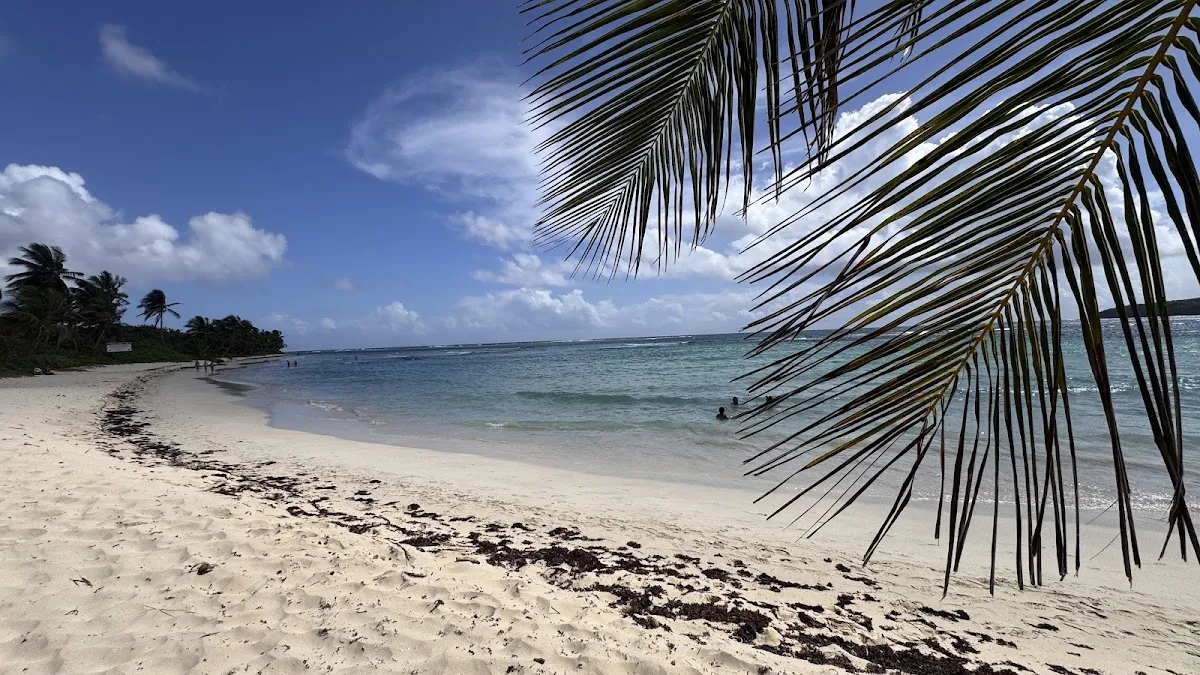
Playa Brava (Culebra) Culebra, Puerto Rico
Quick Facts
About Playa Brava (Culebra)
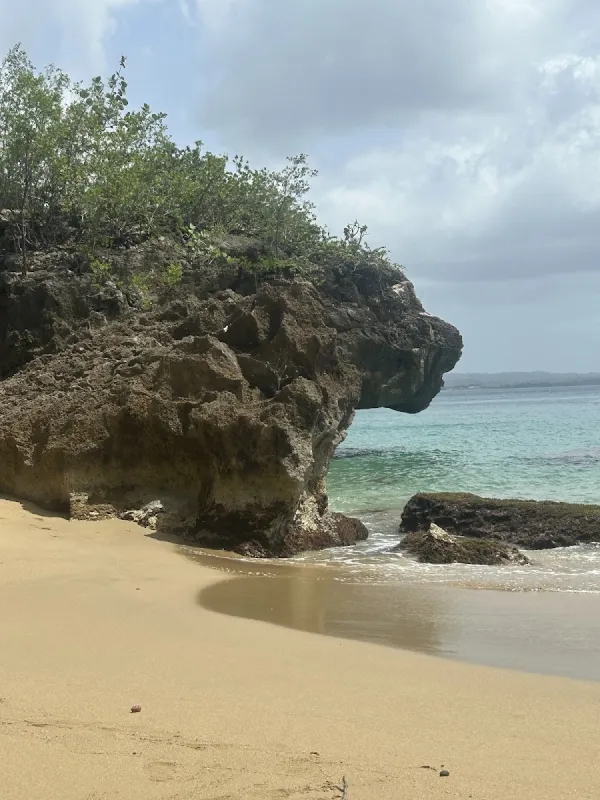
Playa Brava on Culebra's northern coast is a secluded, wave-exposed beach accessible only by a challenging 45-minute hike. Named for its fierce Atlantic swells and raw coastal beauty, this undeveloped shoreline offers solitude and dramatic scenery for adventurous visitors willing to forgo facilities and crowds. Swimming is not recommended due to powerful surf and strong currents.
Visitor Tips
- Arrive before 10am to secure the best parking spots and beach locations
- Download offline maps before visiting as cell service may be limited
- Bring your own food and drinks - limited vendors in the area
- Help preserve the beach beauty by taking all trash with you when you leave
- Bring plenty of water - staying hydrated in the tropical heat is essential
History & Background
Playa Brava sits on the northern coast of Culebra, an island municipality shaped by centuries of colonial rule and military occupation. The Spanish Crown recognized Culebra in the late 1800s, and small fishing communities developed along its coves. Due to its rough surf and exposed position, Playa Brava was never a primary settlement, but local fishermen harvested lobster, conch, and reef fish that sustained the island's economy well into the twentieth century.
During the early 1900s, the United States Navy established a presence on Culebra for bombing practice and amphibious training. Though Playa Brava itself was not a direct target zone, residents organized massive protests throughout the 1960s and 1970s. In 1975, the Navy ceased operations following one of the earliest successful environmental justice campaigns in the Caribbean. After military departure, the beach became known to adventurous travelers seeking undeveloped shoreline and powerful waves.
The beach's name derives from the Spanish word meaning "fierce" or "wild," referencing the persistent Atlantic swells. The surrounding landscape includes dry coastal forest, sea grape trees, and manchineel vegetation. The area supports nesting sea turtles during summer months, monitored by the Department of Natural and Environmental Resources. Culebra's lack of large-scale commercial development has preserved Playa Brava in a largely natural state, with no beachfront hotels, restaurants, or facilities.
Best Time to Visit
The ideal time to visit Playa Brava balances weather reliability with the remote nature of the beach.
- December through April (Dry Season): Most reliable weather with minimal rainfall and steady trade winds keeping temperatures in the low to mid-80s Fahrenheit. Powerful surf is consistent, so expect significant wave action on this north-facing beach.
- June through November (Summer/Hurricane Season): Higher humidity, afternoon rain showers, and potential tropical weather systems. Hurricane season peaks between August and October. Calm spells between storms can offer excellent hiking conditions, though weather changes rapidly.
- Weekday mornings during winter dry season: Best combination of pleasant weather and near-complete solitude. Arrive early to complete the hike before midday heat intensifies.
- Holiday weekends and semana santa (Easter): Busiest periods on Culebra, though even during peak times Playa Brava sees only a handful of visitors per day due to its remote access.
Getting There
Reaching Playa Brava requires first traveling to Culebra island via ferry or small aircraft, then completing a substantial overland hike.
- Ferry from Ceiba: Departs from Puerto de Ceiba terminal (formerly Roosevelt Roads naval base area along PR-3). Purchase tickets through the Puerto Rico Maritime Transport Authority; reservations fill quickly on weekends. Crossing takes roughly 45 minutes. Alternatively, small airlines operate short flights from Ceiba airport (RVR) or Isla Grande airport (SIG) in San Juan.
- Hike to Playa Brava: From Culebra town (Dewey), travel to Flamenco Beach. The trailhead starts near the eastern end of Flamenco. Follow the dirt path climbing over the ridge separating Flamenco from the north coast. This 45-minute to one-hour hike each way includes rocky sections, loose gravel, and elevation gain. The trail is not well marked in all sections, so watch for worn footpaths and occasional markers.
- Footwear and preparation: Wear sturdy hiking shoes or trail sandals with good grip rather than flip-flops. The terrain is uneven and requires secure footing.
Parking: There is no vehicle access to Playa Brava and no designated parking at the trailhead. Most visitors park at the Flamenco Beach parking area (fee required) and walk from there. Golf carts, the preferred rental vehicle on Culebra, can be parked along the road near the trail start.
What to Bring
Hydration and sun protection:
- Water: At least two liters per person; more during hot months. No water sources or facilities exist at the beach.
- Sunscreen: High-SPF reef-safe formula, as reflected light off sand and water intensifies UV exposure.
- Sun shelter: Portable beach umbrella or large sun shelter, as there are no shade structures on the beach.
- Hat and sunglasses: Wide-brimmed hat and polarized sunglasses for additional protection.
Hiking gear:
- Footwear: Hiking shoes or trail sandals with good grip for rocky, uneven terrain.
- Backpack: Leaves hands free for scrambling over rocky sections.
- Windbreaker: Trade winds blow strongly on this exposed coast.
Camera, binoculars, and snacks:
- Camera or binoculars: For enjoying scenery and watching seabirds and sea turtles from shore. Swimming is not recommended due to powerful surf and lack of lifeguards.
- Dry bag: Protects electronics from salt spray and unexpected rain showers.
- Snacks and calories: Bring enough to fuel the round-trip hike, since nearest food options are in Dewey.
- Trash bag: Pack out everything you bring in. There are no trash receptacles at Playa Brava.
Nearby Attractions
Culebra offers several excellent beaches, dining options, and natural attractions beyond Playa Brava. Most nearby sites are reachable within a short drive or boat trip from the main town of Dewey.
- Flamenco Beach: Culebra's most famous beach and the trailhead for Playa Brava hikes. Its calm turquoise waters and wide sandy arc make it ideal for swimming, a stark contrast to Playa Brava's rough surf. Consistently ranks among the top beaches in the Caribbean.
- Dewey (Pueblo): Culebra's only population center, about a 10-minute drive from Flamenco. Home to small restaurants serving fresh seafood, including Susie's, Dinghy Dock (waterfront spot popular for sunset drinks and grilled fish), and Mamacita's restaurant and guesthouse along the canal.
- Culebra National Wildlife Refuge: Managed by the U.S. Fish and Wildlife Service, encompassing much of the island and surrounding cays. Birdwatchers spot brown boobies, sooty terns, and magnificent frigatebirds. Includes Monte Resaca, the highest point on Culebra, offering panoramic views.
- Tamarindo Beach: South coast snorkeling destination providing access to a healthy reef with sea turtles frequently spotted in the shallows.
- Carlos Rosario Beach: Accessible by a short trail from Flamenco, excellent snorkeling spot with an offshore reef wall.
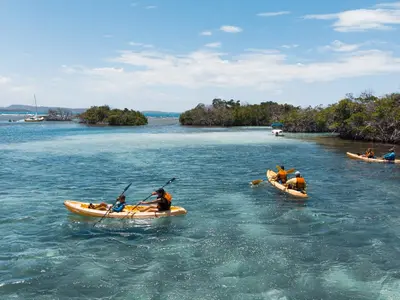
- Kayak rentals in Dewey: Allow exploration of mangrove channels and small cays dotting Ensenada Honda.
Local Tips
- Start early: Begin the hike to Playa Brava before 8:00 AM. The trail offers minimal shade, and midday temperatures combined with humidity make the walk grueling. Early risers also spot wildlife more easily, including hermit crabs and occasional iguanas.
- Do not swim: The beach's powerful waves, strong lateral currents, and lack of lifeguards make swimming dangerous. Even experienced ocean swimmers have been caught off guard. Enjoy the coastline from the sand.
- Plan ahead on island time: Ferry schedules shift, restaurants close without notice, and services are limited. Book ferry tickets as far in advance as possible, especially for weekend and holiday travel. Have a backup airline reservation to avoid getting stranded.
- Bring mosquito repellent: Particularly for wooded trail portions. After rain, standing water attracts biting insects. DEET-based repellents work best in tropical conditions.
- Allow enough time: For day trips, allocate at least three hours specifically for the Playa Brava excursion (round-trip hike plus beach time). This allows you to return to Dewey with time for lunch and to catch the afternoon ferry back to Ceiba. Cell phone service is unreliable on the trail, so inform someone of your plans before heading out.
Visitor Photos
Sign in to addNo photos yet. Be the first to share!
Reviews
No reviews yet. Be the first to share your experience!
Conditions
5 months agoLive Updates
No recent crowd data
Practical Info
No lifeguards are present. Swim at your own risk and never swim alone. Apply waterproof sunscreen regularly - the tropical sun is strong. Check weather conditions before visiting, especially during hurricane season (June-November).