Playa De Vega Vega Baja, Puerto Rico
Quick Facts
About Playa De Vega
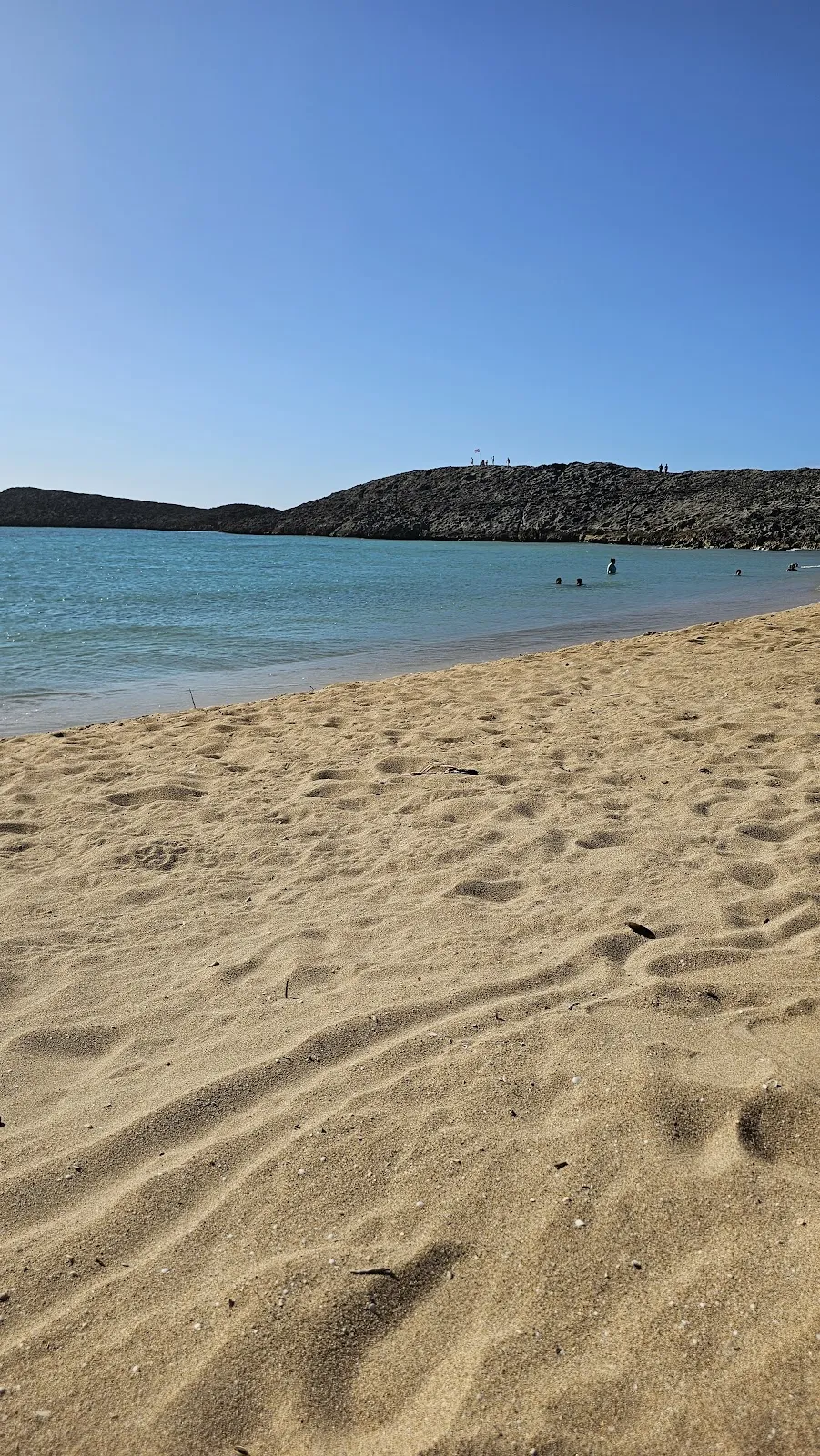
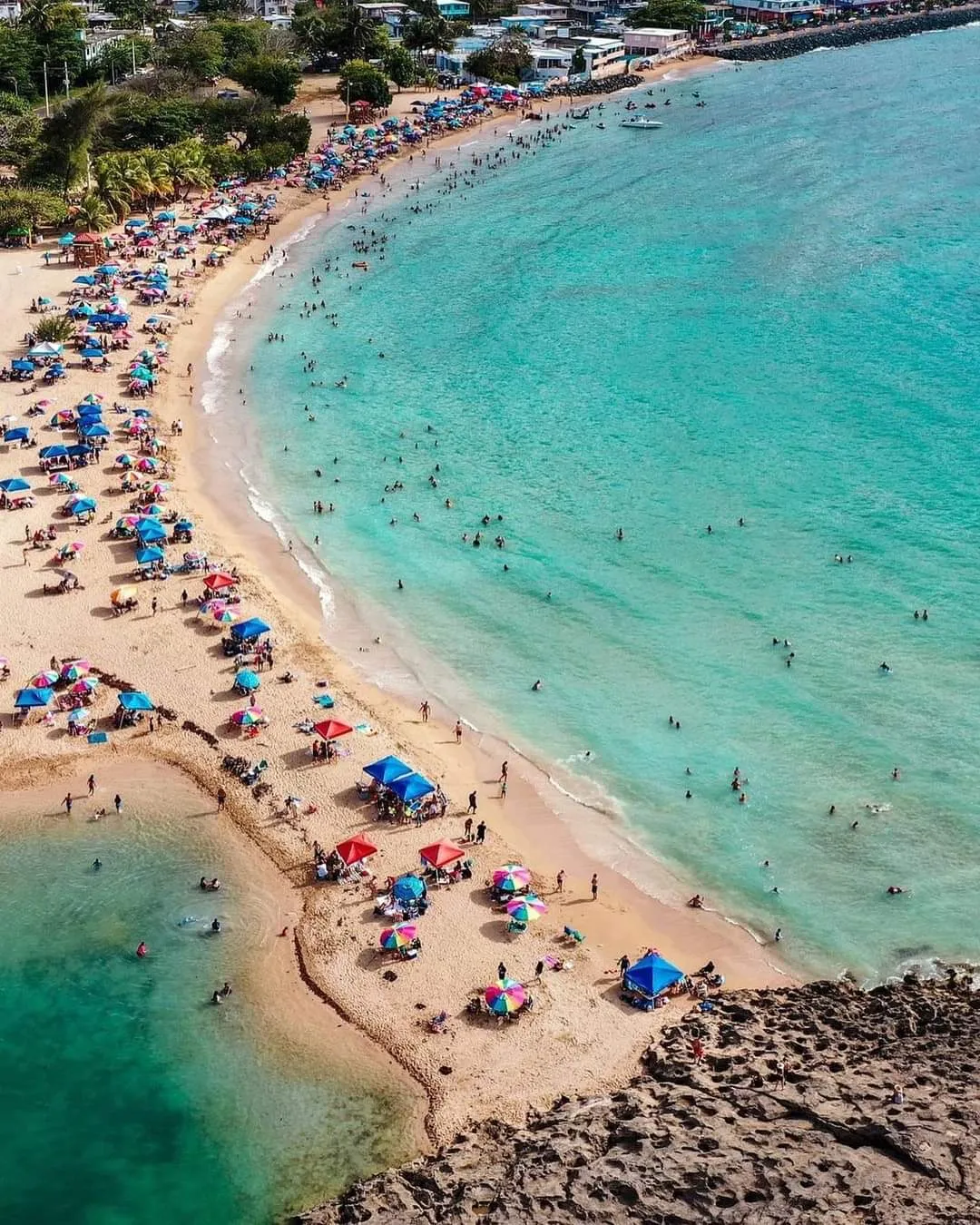
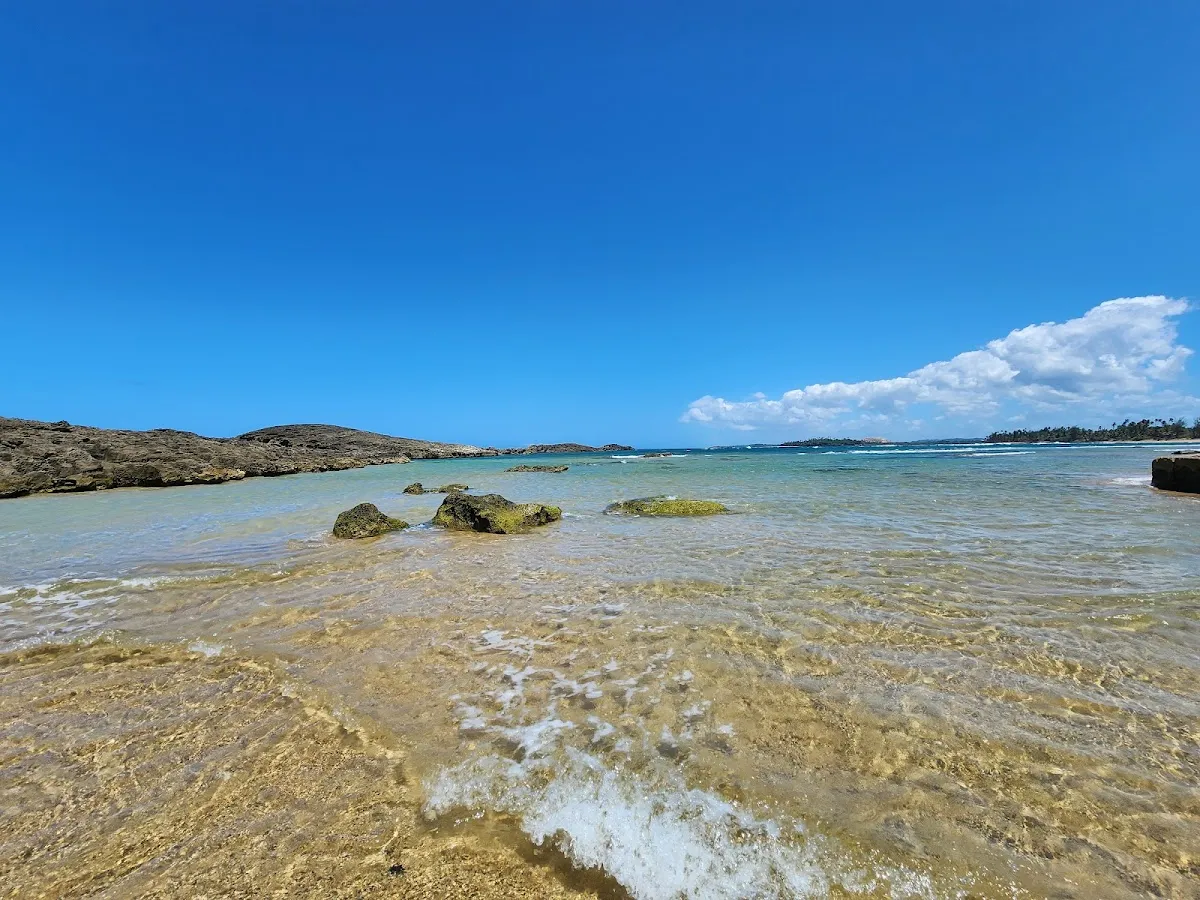
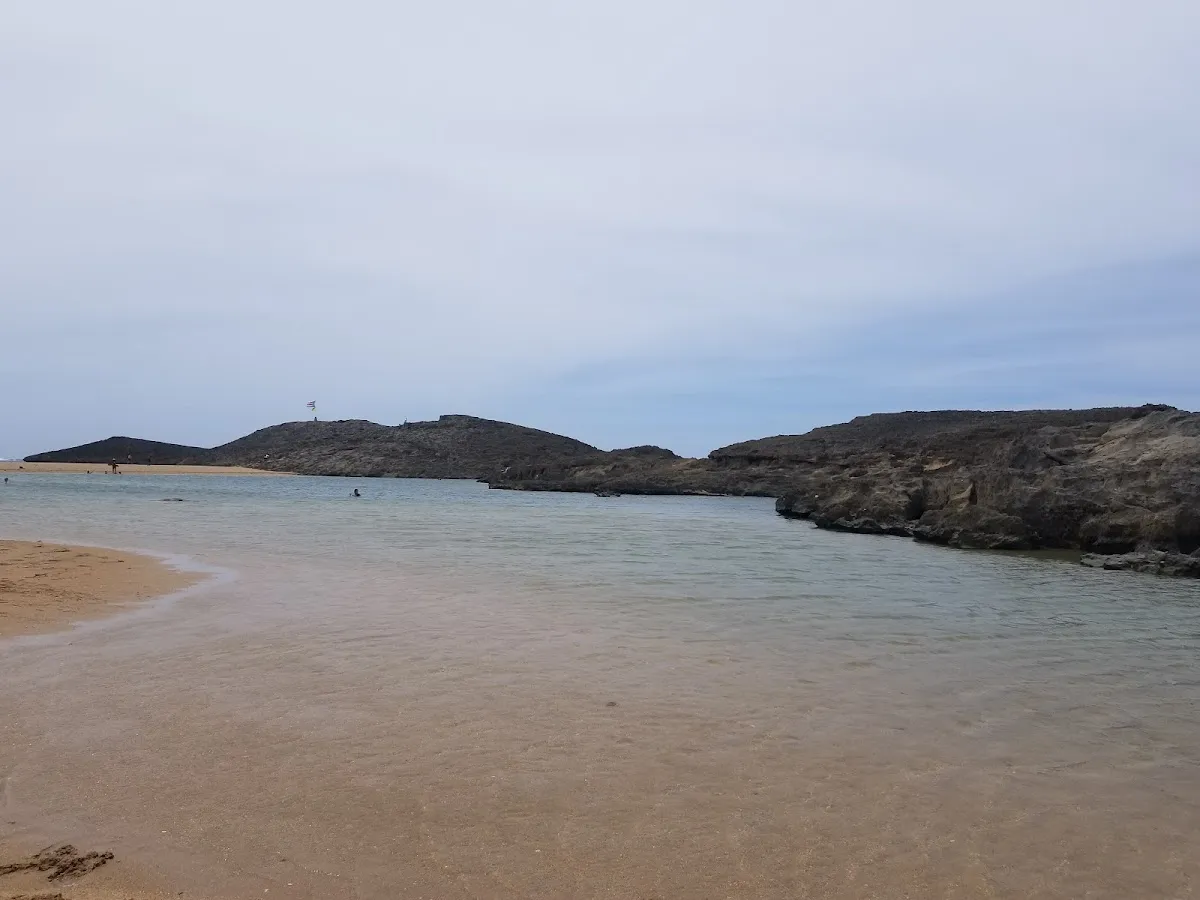
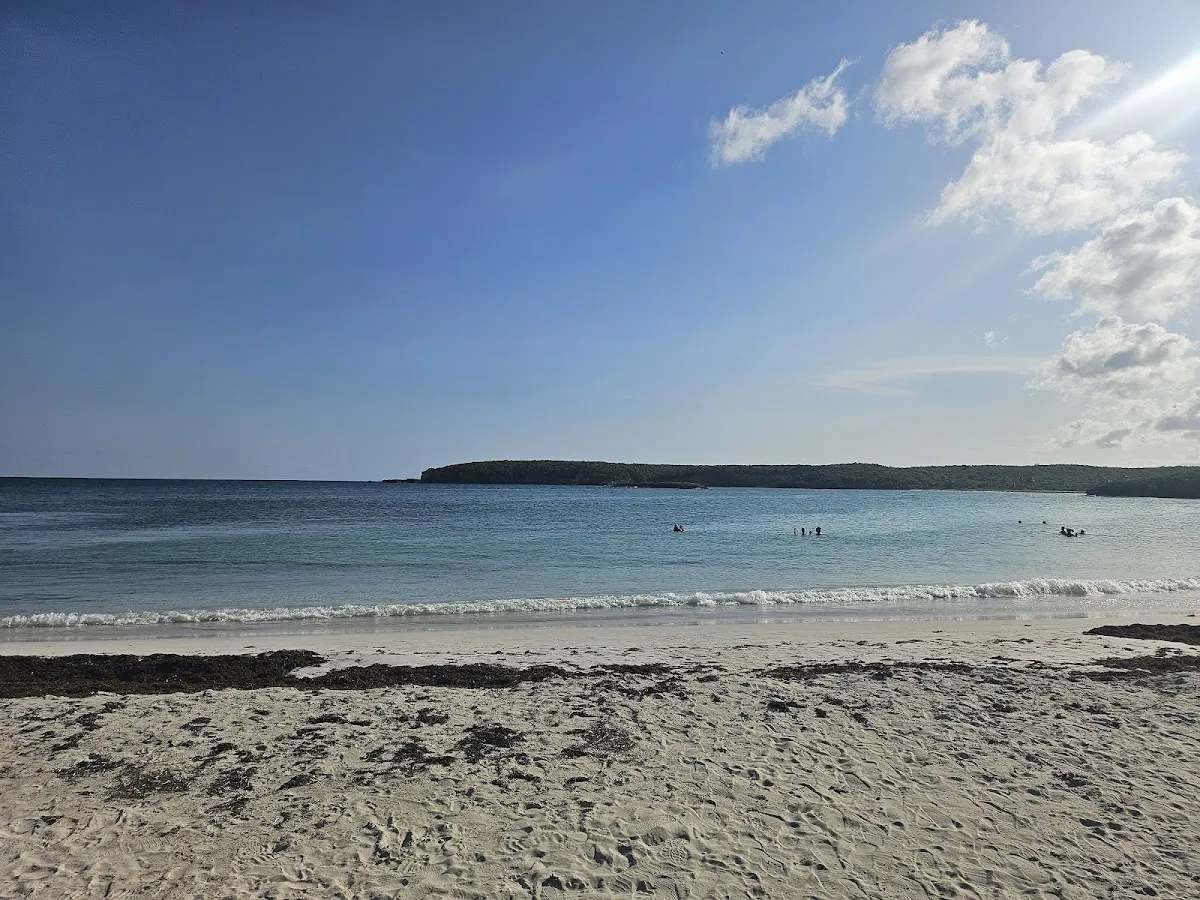
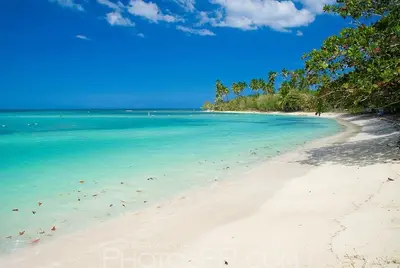
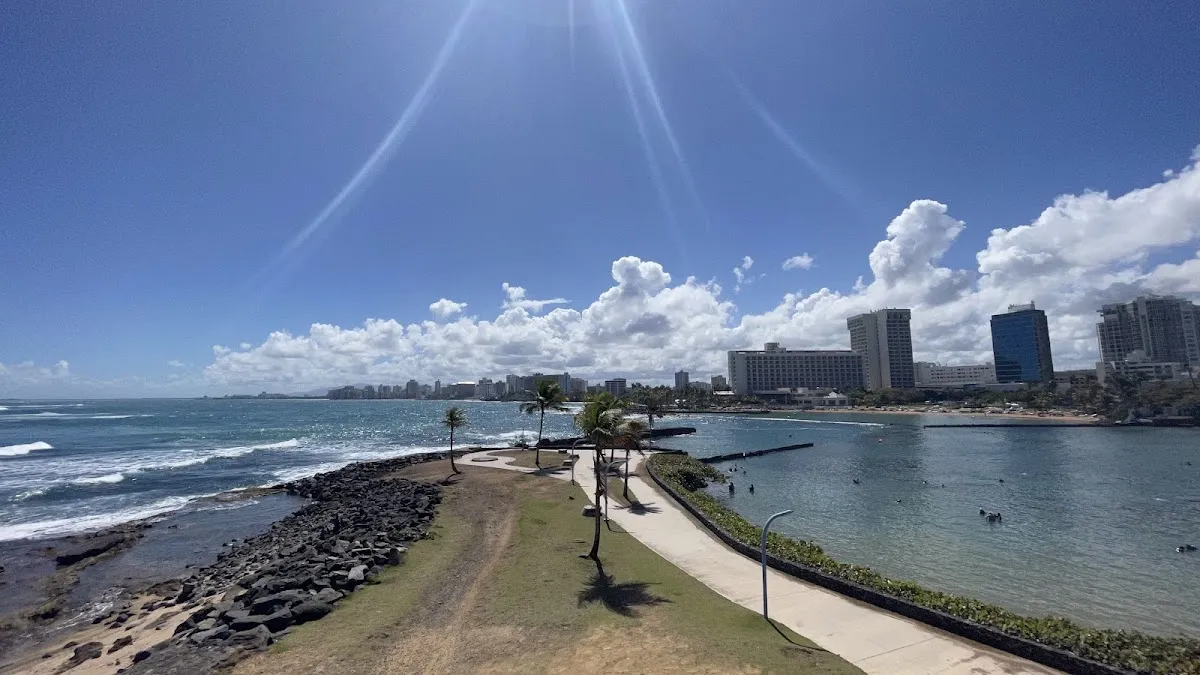
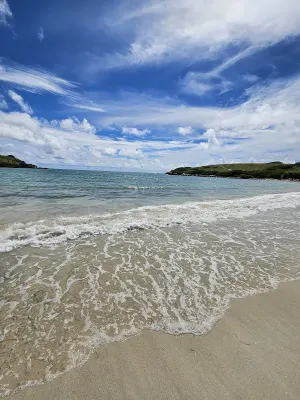
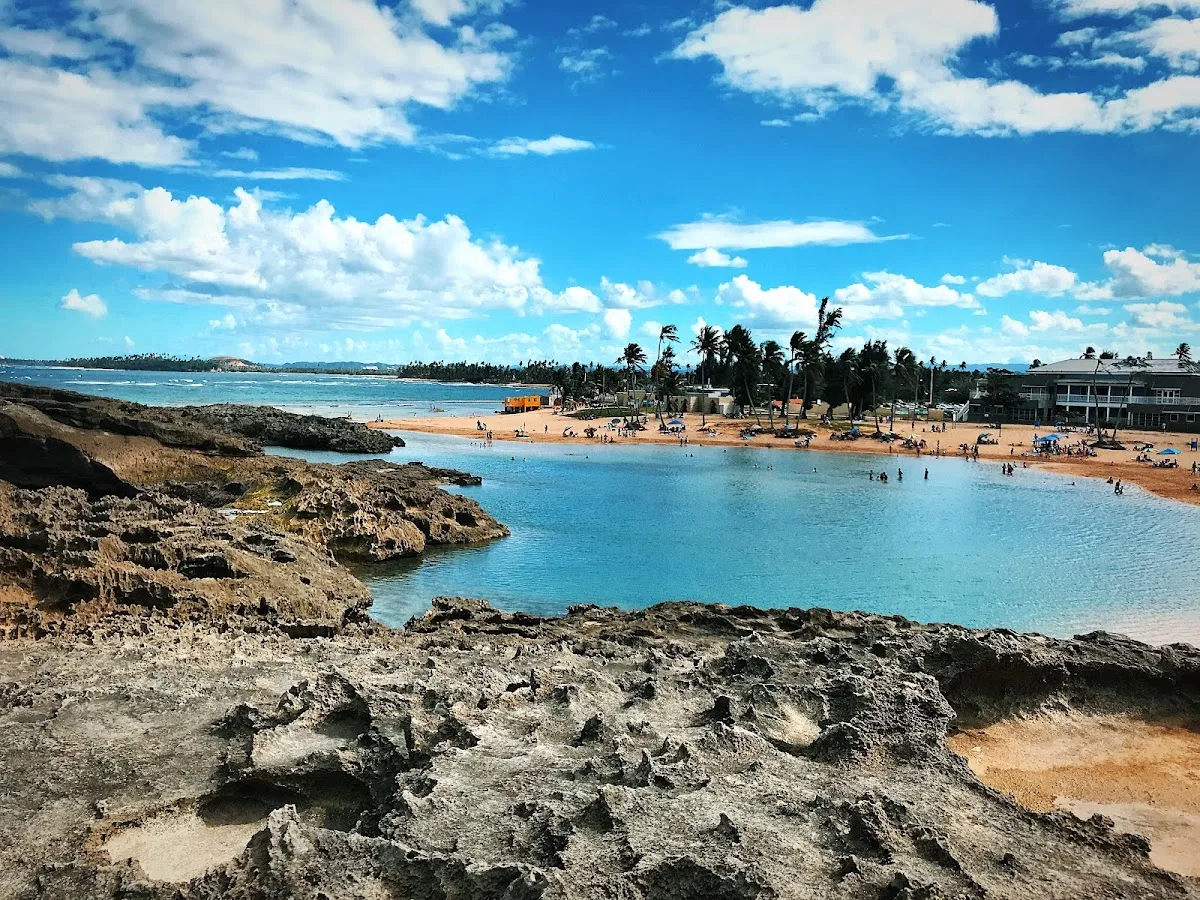
A scenic north coast beach in Vega Baja featuring sand and natural reef formations that create tidal pools ideal for snorkeling. The protected cove area is perfect for families with children, while the open Atlantic side appeals to more experienced swimmers. Sea turtles frequently visit these Blue Flag-awarded waters, and the mix of environments makes this beach excellent for both relaxation and marine exploration.
Visitor Tips
- Low tide exposes the best tide pools for exploration; check tide tables before visiting for the optimal snorkeling window.
- Bring water shoes to navigate the reef formations safely; the rocky sections can be slippery and sharp underfoot.
- The tide pools at golden hour create excellent reflection shots; bring a waterproof camera for underwater reef photos.
- Stay in the protected cove area if the Atlantic swells are up; the open side can develop strong currents on rough days.
- Locals gather on the western end for weekend cookouts. The eastern cove side is quieter for families with small children.
History & Background
Playa De Vega is located in Vega Baja, a north coast municipality known as the Melting Pot City. This stretch of Puerto Rico's Atlantic-facing shoreline experiences consistent trade winds and seasonal swells that shape its character. The northern coast receives more wave energy than the south, with winter months bringing larger swells from the North Atlantic.
The beach features a distinctive mix of sand and limestone reef formations that create natural tide pools—shallow, protected areas teeming with marine life. These pools serve as natural snorkeling classrooms where visitors can observe fish, sea stars, and other coastal creatures up close. One side of the beach provides a sheltered cove ideal for children, while the open Atlantic side offers more dynamic conditions for adults.
Blue Flag status recognizes Playa De Vega for meeting strict international standards in water quality, environmental management, and safety. Hawksbill and green sea turtles are regularly spotted in nearshore waters, particularly during nesting season from April through November. This distinction reflects the beach's commitment to conservation and visitor safety.
Best Time to Visit
The ideal time to visit Playa De Vega depends on your preferred water and weather conditions. The dry season from January through April offers the most reliable beach weather, clearest water for snorkeling, and the best visibility for spotting sea turtles and tide pool life.
- Winter months (December–March): Largest north Atlantic swells create dynamic conditions; better for experienced swimmers on the open side. Cooler water temperatures.
- Spring (January–April): Optimal combination of clear water, calm weather, and ideal snorkeling conditions. Best time for tide pool exploration during low tide.
- Summer (June–August): Warmer water temperatures and calmer seas overall, but afternoon thunderstorms are common. Larger swells still appear on the open Atlantic side.
- Low tide timing: Visit during low tide to access tide pools at their shallowest and most visible. Check tide tables before your visit for the optimal snorkeling window.
- Early mornings on weekdays: Arrive before 9 AM on weekdays for the most tranquil conditions and the best chance of spotting sea turtles near the reef. Weekends fill quickly, especially in summer.
Getting There
Playa De Vega is located in Vega Baja on Puerto Rico's north coast. From San Juan, the drive takes roughly 30 minutes to 1.5 hours depending on your starting point. GPS navigation is highly recommended, as coastal road signage can be minimal in this area.
- Head west on Highway 22 (toll road) from San Juan toward Vega Baja.
- Follow GPS coordinates 18.489111, -66.391837 for precise navigation to the beach access point.
- Use GPS rather than street addresses, as signage varies and addresses are less reliable for finding beaches in Puerto Rico.
- Once you arrive, access is straightforward with a short path from the parking area to the sand.
Parking: A designated parking area serves the beach with capacity for approximately 60 cars. Weekends fill by mid-morning during summer months. Street-side parking along the access road provides additional overflow spaces. Parking is free on most days.
Rental car: A rental car is the most practical way to explore beaches outside the San Juan metro area. Major rental agencies operate from the airport and hotel districts.
What to Bring
Sun and Shade Protection:
- Reef-safe sunscreen (SPF 30 or higher)—essential year-round; Puerto Rico's tropical sun is intense, especially between 10 AM and 2 PM.
- Hat or visor for head and face protection.
- Beach umbrella or pop-up shade tent—highly recommended, as natural shade is limited.
Water Safety and Reef Navigation:
- Water shoes—strongly recommended to navigate sharp reef formations safely; rocky sections are slippery and can cause cuts.
- Snorkel set (mask, snorkel, fins) for tide pool and reef exploration.
- Underwater camera if you have one, for capturing marine life.
Food and Hydration:
- Plenty of water in a reusable bottle—bring more than you think you'll need.
- Cooler with meals and snacks—there are no food vendors at or near this beach.
For Families with Children:
- Sand toys for the protected cove area.
- Beach tent or umbrella for shade.
Photography:
- Camera with extra battery for capturing scenic moments.
- Tripod for sunset and reflection shots in the tide pools.
- Binoculars for coastal views and wildlife spotting.
Nearby Attractions
Playa De Vega is situated in Vega Baja, which offers several attractions beyond the beach itself. The surrounding area provides cultural experiences, dining options, and additional beach exploration opportunities. The neighboring municipality of Vega Alta is also a short drive away and worth exploring.
- Puerto Nuevo Beach—a nearby beach worth visiting if you have extra time for beach hopping.
- Tortuguero Lagoon Nature Reserve—a significant natural attraction featuring protected wetlands and wildlife viewing opportunities.
- Puerto Nuevo Natural Bridge View—a scenic coastal formation and alternative beach destination in the Vega Baja area.
- Las Positas Del Lido—another beach option with a different character in the same region.
- Vega Baja town center—features a central plaza with a church, local shops, and cafés, offering an authentic look at everyday Puerto Rican town life. Weekend markets and festivals occur throughout the year, particularly during patron saint celebrations (fiestas patronales) featuring live music, food, and cultural performances.
- Local restaurants and roadside kiosks (chinchorros)—serve traditional Puerto Rican fare including fresh seafood, mofongo (mashed plantain with garlic), tostones (fried plantain slices), empanadillas, bacalaítos (codfish fritters), and piraguas (shaved ice with fruit syrup). Ask locals for their favorite spots—the best food is often at the least conspicuous establishments.
Local Tips
- Photography at golden hour: The tide pools at sunrise and sunset create excellent reflection shots. Bring a waterproof camera for underwater reef photos and dynamic compositions.
- Safe swimming zones: Stay in the protected cove area if Atlantic swells are elevated; the open side can develop strong currents on rough days. Lifeguards are on duty during peak hours.
- Crowd avoidance: Locals gather on the western end for weekend cookouts. The eastern cove side is quieter and better for families with small children seeking a peaceful experience.
- Legal beach access: The beach zone up to the high-tide mark is public land by law in Puerto Rico, regardless of any adjacent private property or signage suggesting otherwise. You have the legal right to access and enjoy any beach in Puerto Rico.
- Responsible waste management: Pack out all trash and leave the beach as you found it. Puerto Rico's coastal ecosystems are under pressure from development and climate change; responsible visitors make a real difference.
- Sea turtle protection: Between April and November, sea turtles may nest on sandy beaches. If you spot a nest or hatchlings, keep your distance and report it to the DRNA (Department of Natural Resources).
- Coral protection: When snorkeling, avoid touching or standing on coral formations; they are fragile and legally protected under both federal and Puerto Rico law. Maintain neutral buoyancy and keep your fins from scraping the bottom.
- Language and cultural respect: Spanish is the primary language in most areas outside San Juan's tourist zones. Learning a few phrases like '¿Dónde está la playa?' (Where is the beach?) and 'Gracias' (Thank you) goes a long way with locals. Puerto Ricans are generally warm and helpful toward visitors who show respect for the culture and environment.
Visitor Photos
Sign in to addNo photos yet. Be the first to share!
Reviews
No reviews yet. Be the first to share your experience!
Live Updates
No recent crowd data
Amenities
Practical Info
The protected cove is generally safe for all swimmers, but the open Atlantic side can produce strong currents and larger waves. Reef formations have sharp edges, so water shoes are strongly recommended. Lifeguards are on duty during peak hours. Avoid touching or standing on coral.