Playa La Cueva del Perro (pocket) Arecibo, Puerto Rico
Quick Facts
About Playa La Cueva del Perro (pocket)
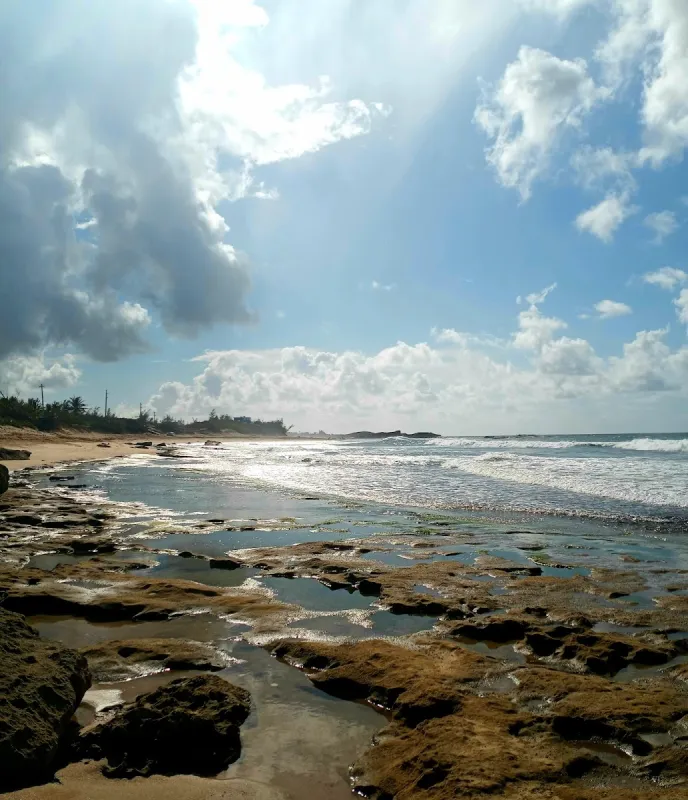
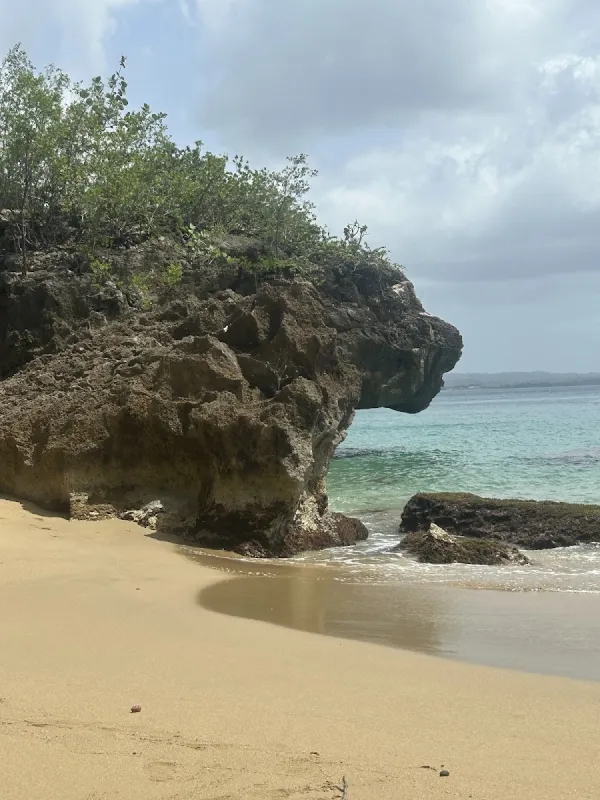
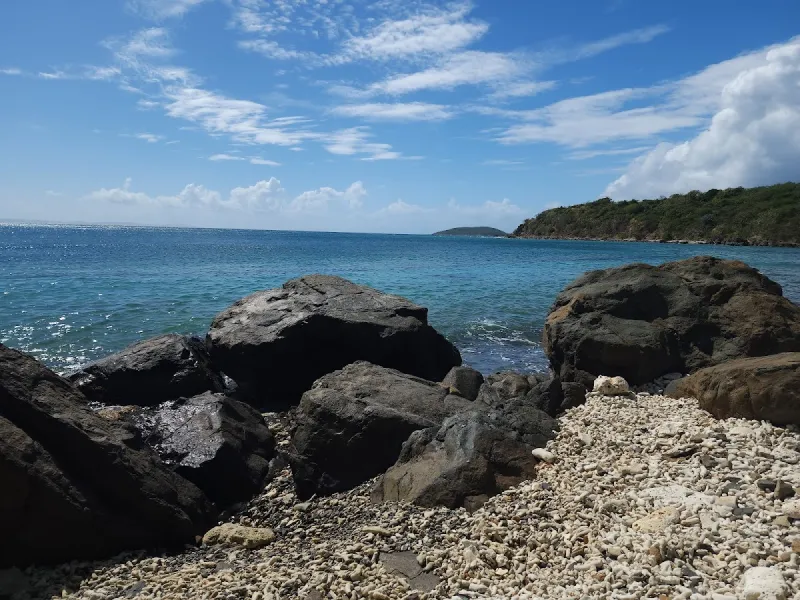
Playa La Cueva del Perro is a scenic pocket beach in Arecibo, Puerto Rico, nestled among dramatic limestone formations of the Northern Karst Belt. Named after a nearby sea cave carved by millennia of wave action, this small sandy cove offers rugged coastal scenery and tide pool ecosystems. The beach is fully exposed to Atlantic swells, undeveloped, and accessible only by foot over sharp limestone terrain. No services, facilities, or amenities are available.
Visitor Tips
- Arrive before 10am to secure the best parking spots and beach locations
- Golden hour (shortly after sunrise or before sunset) provides the best lighting for photos
- Bring your own food and drinks - limited vendors in the area
- Help preserve the beach beauty by taking all trash with you when you leave
- Bring plenty of water - staying hydrated in the tropical heat is essential
History & Background
Playa La Cueva del Perro sits along the northern coast of Arecibo, Puerto Rico's largest municipality by area, in a stretch of coastline defined by the dramatic limestone formations of the island's Northern Karst Belt. The beach takes its name from a nearby sea cave (cueva del perro, or "dog's cave"), one of many cavities carved into the coastal rock by millennia of wave action and chemical erosion.
Arecibo's coastline is among the most geologically distinctive in Puerto Rico. The Northern Karst region consists of Tertiary-age limestone deposits sculpted into haystack-shaped hills, sinkholes, underground rivers, and coastal cliffs. Along the shore, this limestone creates sea arches, blowholes, tidal pools, and small pocket beaches like La Cueva del Perro—modest sandy areas hemmed in by limestone walls. Arecibo was founded in 1616, and the town grew around the mouth of the Río Grande de Arecibo, with fishing traditions persisting from the lobster and reef fish harvests of earlier centuries.
The pocket beach remains undeveloped and unserviced, with no restrooms, parking lots, lifeguards, or food vendors. Access requires navigating coastal trails over sharp limestone rock. The beach itself is small—perhaps fifty feet of sand during favorable tides—and is fully exposed to the Atlantic, making it unsuitable or dangerous during swells. Tide pool organisms including chitons, limpets, periwinkles, and colorful Sally Lightfoot crabs inhabit the surrounding limestone formations, supported by an ecological value recognized by conservation groups.
Best Time to Visit
The safest and most enjoyable visits to La Cueva del Perro happen during periods of minimal north swell, with the best conditions from May through September. During these months, the Atlantic is calmer, the pocket beach retains more sand, and water entry is gentler. Always check the surf forecast before visiting—any north or northwest swell above three or four feet makes this exposed pocket dangerous.
- Winter (November–March): Frequent north swells can completely wash out the small beach and send powerful waves crashing against limestone walls. Swimming or approaching the water line during these conditions is extremely risky.
- Early morning visits: Offer the best light for photography, with warm tones illuminating the limestone formations. Rock surfaces are also less hot underfoot before the sun climbs high.
- Low crowd impact: Difficult access and lack of facilities keep this spot off the mainstream radar. You'll likely encounter only the occasional local fisherman, photographer, or explorer, and may have the spot largely to yourself most visits.
Getting There
From San Juan, take Route 22 West toward Arecibo, approximately one hour's drive. Route 22 is a toll road offering the fastest connection to the north-central coast. Once in Arecibo, navigate north toward the coast through local roads. The pocket beach is located along the coastline east of the main Arecibo harbor area, near the limestone cliffs characteristic of this stretch.
- Drive west from San Juan on Route 22 (toll road) toward Arecibo.
- Exit Route 22 and navigate local roads northward toward the coast.
- Use GPS coordinates (18.5018, -66.7108) as your destination—the spot doesn't appear on most conventional maps.
- Park along the roadside where space permits; there is no formal parking area.
- Walk to the coast over rocky limestone terrain, a short but careful 5–10 minute walk from road access.
Footwear is critical: Wear closed-toe shoes with good traction—hiking shoes or sturdy sneakers are appropriate. Flip-flops and sandals are inadequate for the sharp, uneven limestone terrain. From the Arecibo Lighthouse and Historical Park, which sits on the coast east of town, La Cueva del Perro is roughly 5–10 minutes by car along coastal roads and serves as a useful landmark for orientation.
What to Bring
Footwear & Protection:
- Sturdy closed-toe shoes are the most important item—hiking shoes or water shoes with good support for the rocky terrain.
- First aid kit including bandages, antiseptic, and tweezers for inevitable minor scrapes from limestone.
- Gloves can help steady yourself on sharp rock surfaces during the approach.
Water & Sustenance:
- Water—bring at least two liters per person, especially during warmer months. There are no vendors or facilities.
- Food and snacks for the duration of your visit.
- Small backpack for carrying supplies over rocky terrain.
Sun & Weather Protection:
- Sunscreen (reef-safe formulation to protect tide pool organisms) and a hat are essential—the pocket beach has no shade and limestone reflects sunlight intensely.
Photography & Cleanup:
- Camera or phone in a waterproof case captures dramatic rock formations and cave entrances effectively, especially with morning or evening light.
- Trash bag for packing out all waste—leaving garbage in a place this wild would be particularly egregious.
Nearby Attractions
The Arecibo area offers several compelling attractions that provide context for the rugged limestone coastline where La Cueva del Perro sits, ranging from historical landmarks to geological wonders.
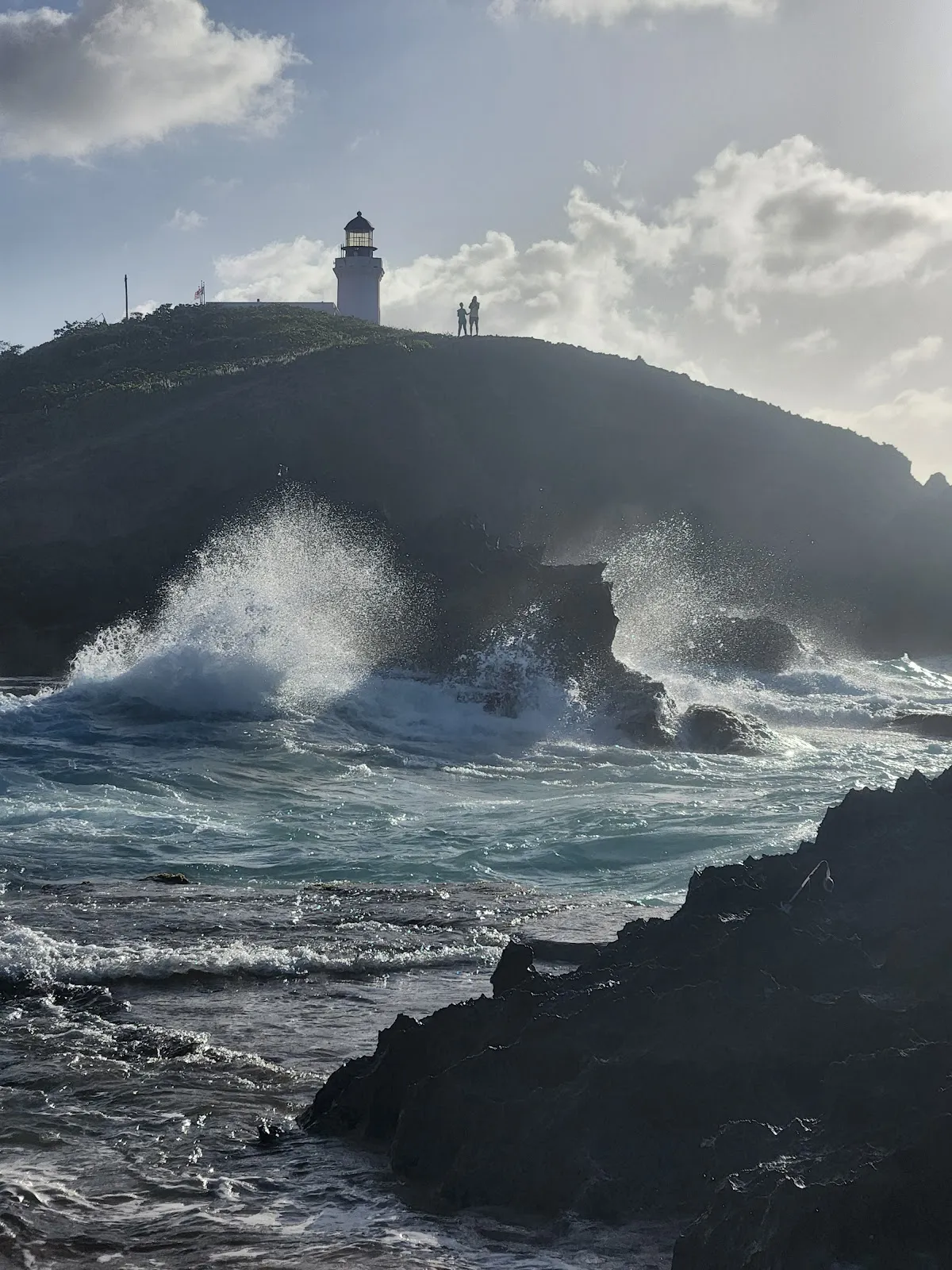
- Arecibo Lighthouse and Historical Park (Faro de los Morrillos)—Perched on a limestone cliff east of the city center, this park includes a replica Taíno village, small aquarium, playground, and pirate-themed ship structure. The 1898 lighthouse offers panoramic views along the north coast and is a family-friendly stop.
- Cueva del Indio—Located along the coast between Arecibo and Barceloneta, this archaeological site features Taíno petroglyphs carved into limestone cave walls overlooking the ocean. The short trail passes through karst terrain similar to La Cueva del Perro, with a small fee for access and dramatic cliff-edge ocean views.
- Former Arecibo Observatory site—About twenty minutes south via Route 625, this former home of the world's largest radio telescope (1963–2020) may offer visitor access to grounds and exhibits depending on ongoing NSF plans. The drive through karst country with towering mogotes is scenic in itself.
- Rio Camuy Cave Park—Approximately thirty minutes west, this park offers guided tours through one of the world's largest cave systems.
- Historic downtown Arecibo—The town plaza and cathedral (Iglesia de San Felipe Apóstol) anchor a compact center with local restaurants serving traditional dishes, bakeries offering sobao (butter bread) and tembleque (coconut pudding).
Local Tips
- This is a spot for experienced coastal explorers, not casual beachgoers. If you're uncomfortable with uneven terrain, exposed ocean conditions, and zero facilities, choose a different beach. The combination of sharp limestone and powerful waves means a misstep or miscalculation can result in serious injury.
- Never turn your back on the ocean here. North coast waves can arrive in sets, with larger waves appearing unpredictably among smaller ones. Stand well back from the water's edge when observing waves, and never assume a calm interval means the ocean has settled down.
- The sea cave (cueva) can be partially explored during calm conditions and low tide, but it floods during high tide and rough seas. Never enter a sea cave when the ocean is active—wave surges inside enclosed rock spaces amplify dramatically and can be fatal.
- Explore multiple coastal access points along this karst stretch. Several small pocket beaches and rock formations reveal different features—sea arches, blowholes, and tidal pool gardens. A morning spent exploring the coast on foot can be far more rewarding than a single-destination visit.
- For food before or after your visit, the coastal road toward Hatillo (west of Arecibo) has several chinchorro-style roadside eateries. Arecibo itself has a growing food scene near the plaza, and the town's panadería culture is strong—stop for fresh pan de agua and a cortadito before heading to the coast.
Visitor Photos
Sign in to addNo photos yet. Be the first to share!
Reviews
No reviews yet. Be the first to share your experience!
Conditions
5 months agoLive Updates
No recent crowd data
Practical Info
No lifeguards are present. Swim at your own risk and never swim alone. Apply waterproof sunscreen regularly - the tropical sun is strong. Check weather conditions before visiting, especially during hurricane season (June-November).