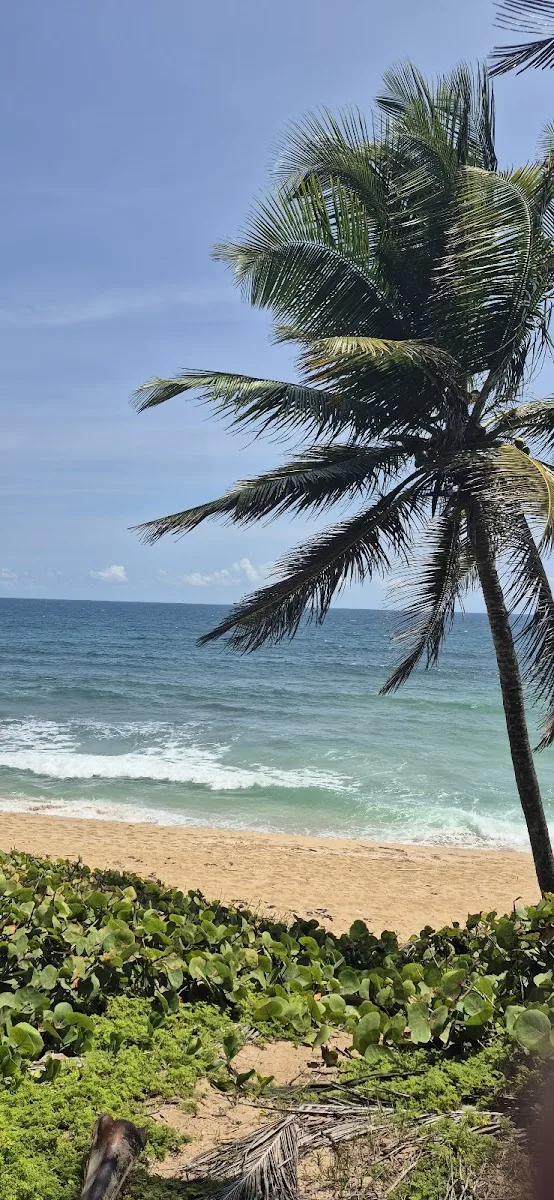
Playa Punta Caracoles is a secluded beach in Arecibo, Puerto Rico, known for calm waters and families. A spacious, uncrowded beach on Road 681 in Arecibo near the Columbus statue. Facilities include parking.
- Secluded
- ✓ Parking
Short path.
January through April provides the driest weather along Arecibo's north coast.
This is an unsupervised beach with no lifeguards or emergency services nearby.
Swim with a buddy and know your limits.
Informal roadside parking along Road 681 with space for roughly 15-20 vehicles on the shoulder. No paved lot or fees. The area near the beach path is flat gravel and easy to access.
Bring water, shade, and food for the day.
Ways to experience Playa Punta Caracoles
Bookable tours and activities at and around this beach.
 Viator photoPopular near this beachTanama River Cave Tubingour tour is offered at the heart of a subtropical forest through private access and completely away from crowds. Following old trails left by our…◷ About 6 hours✓ Free cancellationFrom $110Check availability ↗Browse more tours on Viator ↗
We may earn a commission when you book through Viator links, at no extra cost to you.
About Playa Punta Caracoles
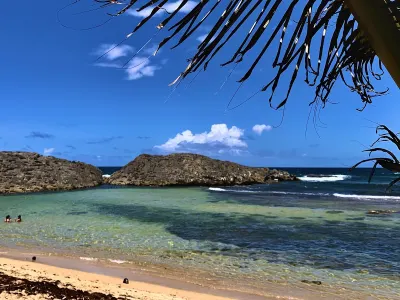
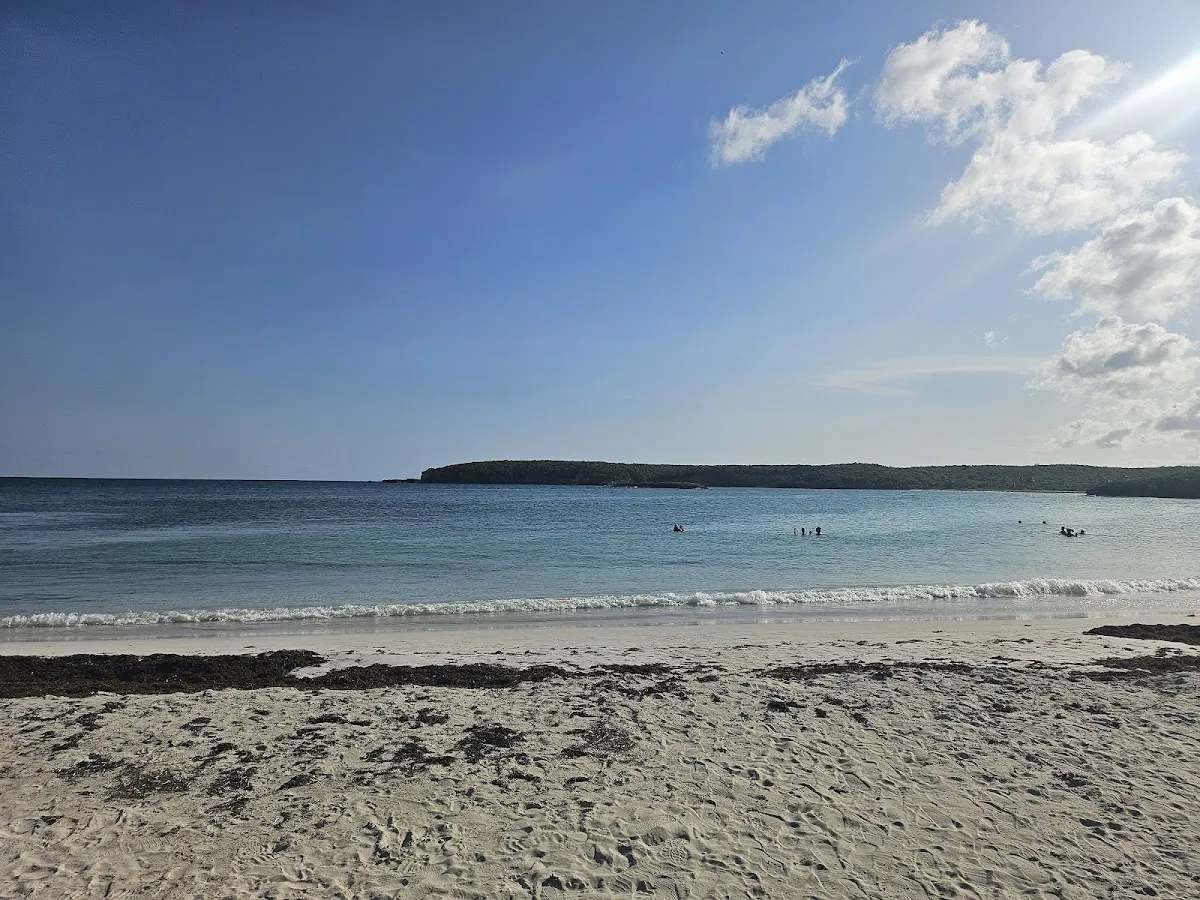
A spacious, uncrowded beach on Road 681 in Arecibo near the Columbus statue. Natural rock barriers create a protected shallow lagoon ideal for wading with children and swimming in calm waters. This secluded stretch preserves its unspoiled, natural character with no lifeguards or commercial services, making it perfect for families seeking a peaceful, undeveloped beach experience on Puerto Rico's north coast.
Local tips
What to Bring+
What you pack for Playa Punta Caracoles depends on how you plan to spend your time. This is an unsupervised beach with no lifeguards or emergency services nearby, so plan accordingly.
- Sun protection: Reef-safe sunscreen (SPF 30 or higher), a wide-brimmed hat, and sunglasses. Puerto Rico's tropical sun is intense, especially between 10 AM and 2 PM.
- Shade and comfort: A portable beach umbrella or pop-up shade tent is highly recommended, as natural shade is limited. Bring a beach towel and lightweight clothing for coverage.
- Water and food: There are no food vendors at or near this beach. Pack your own meals, snacks, and plenty of water in a cooler. Bring more water than you think you'll need.
- For families with children: Sand toys, a float or inflatable for lounging on the calm surface, and a first aid kit for minor cuts or scrapes.
- Water footwear: Water shoes are recommended for navigating the rock formations around the lagoon entrance. The bottom inside is mostly sandy but rocks are present.
History & Background+
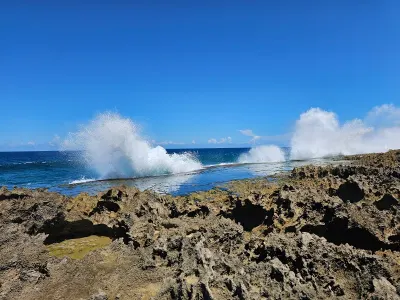
Playa Punta Caracoles is located in Arecibo, a north coast municipality known for the former Arecibo Observatory and distinctive limestone karst landscape. This stretch of Puerto Rico's north coast faces the Atlantic Ocean, where trade winds generate consistent swells and currents that shape the shoreline. The northern coast experiences more wave energy than the south, with winter months bringing larger swells from the north Atlantic.
The beach features natural rock barriers along the shoreline that form a protected shallow lagoon, creating a natural wading pool where water stays calm even when Atlantic conditions outside the barrier are rougher. Despite being easily accessible off Road 681, the beach sees relatively few visitors, offering ample room to spread out on the sand without feeling crowded. Located close to the Birth of the New World statue in Arecibo, the tallest statue in the Western Hemisphere, making it convenient to combine a beach visit with this roadside attraction.
The municipality of Arecibo has deep roots in Puerto Rico's history, and beaches like Playa Punta Caracoles reflect the ongoing relationship between coastal communities and the sea. Whether visited by local families on weekends or travelers discovering the area for the first time, this stretch of shoreline carries the character of its surroundings.
Nearby Attractions+
Playa Punta Caracoles is situated in Arecibo, which offers several attractions beyond the beach itself. The area features cultural sites, dining options, and other beaches worth exploring if you have extra time.
- Arecibo Lighthouse and Historical Park is well worth a visit if you have extra time, offering history and coastal views.
- Birth of the New World statue is located very close by—the tallest statue in the Western Hemisphere and a notable roadside attraction.
- Barceloneta area is a short drive away and worth exploring for additional beaches and local character.
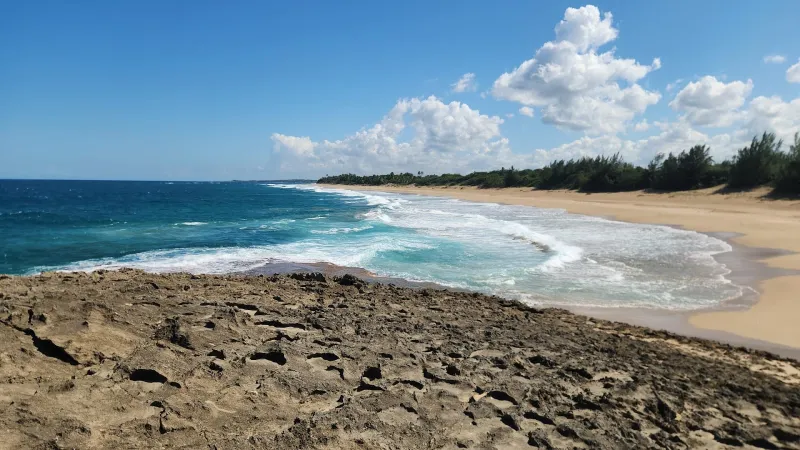
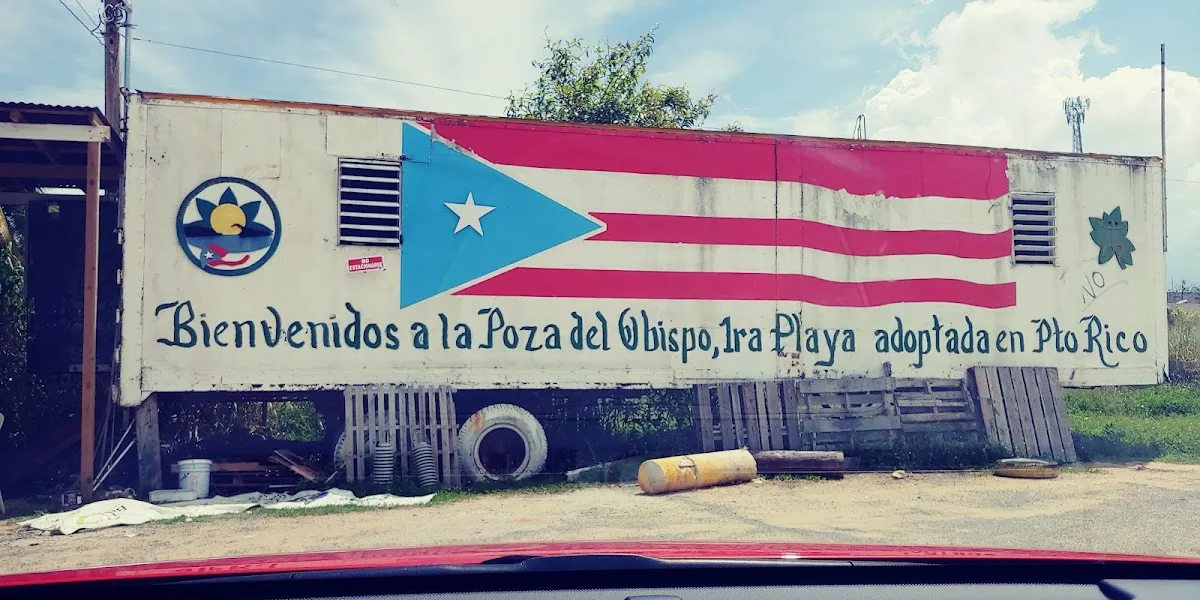
- Islote Beach, Playa De Elohim, and Poza del Obispo are other beaches in the Arecibo area, each with different character and worth visiting if you have time for beach hopping.
- Arecibo town center typically features a central plaza with a church, local shops, and cafes—a good place to experience everyday Puerto Rican town life and weekend markets or festivals throughout the year.
- Local restaurants and roadside kiosks (chinchorros) serve traditional Puerto Rican fare including fresh seafood, mofongo (mashed plantain with garlic), and tostones (fried plantain slices). Many beach areas have informal food stalls on weekends selling empanadillas, bacalaítos (codfish fritters), and piraguas (shaved ice with fruit syrup).
Photos
Be the first to add a photo
Recent photos help others recognize the access point, water, and parking setup.
Reviews
No Puerto Rico Beach Finder reviews yet
Share whether access was easy, how the water felt, and what the next person should know.
Planning your visit
Explore by activity
Nearby beaches


Questions
Where is Playa Punta Caracoles located?
Playa Punta Caracoles is located in Arecibo, Puerto Rico. The exact coordinates are 18.487656, -66.667924. You can use GPS navigation or follow signs to Arecibo and look for beach access points.
Is Playa Punta Caracoles good for swimming?
Yes, Playa Punta Caracoles is a public beach open for swimming. The beach has calm waters, making it ideal for swimming.
What facilities are available at Playa Punta Caracoles?
Playa Punta Caracoles offers the following facilities: Parking.
What activities can I do at Playa Punta Caracoles?
Popular activities at Playa Punta Caracoles include swimming. The beach is family-friendly and perfect for a day trip from Arecibo.
Is there parking at Playa Punta Caracoles?
Yes, Playa Punta Caracoles has parking available.
Similar beaches
Discover more beaches
Explore 400+ beaches across the island with filters, maps, and detailed guides.
Explore all beaches