Playa Punta Caracoles Arecibo, Puerto Rico
At a Glance
Playa Punta Caracoles is a secluded beach in Arecibo, Puerto Rico, known for calm waters and families. A spacious, uncrowded beach on Road 681 in Arecibo near the Columbus statue. Facilities include parking.
About Playa Punta Caracoles
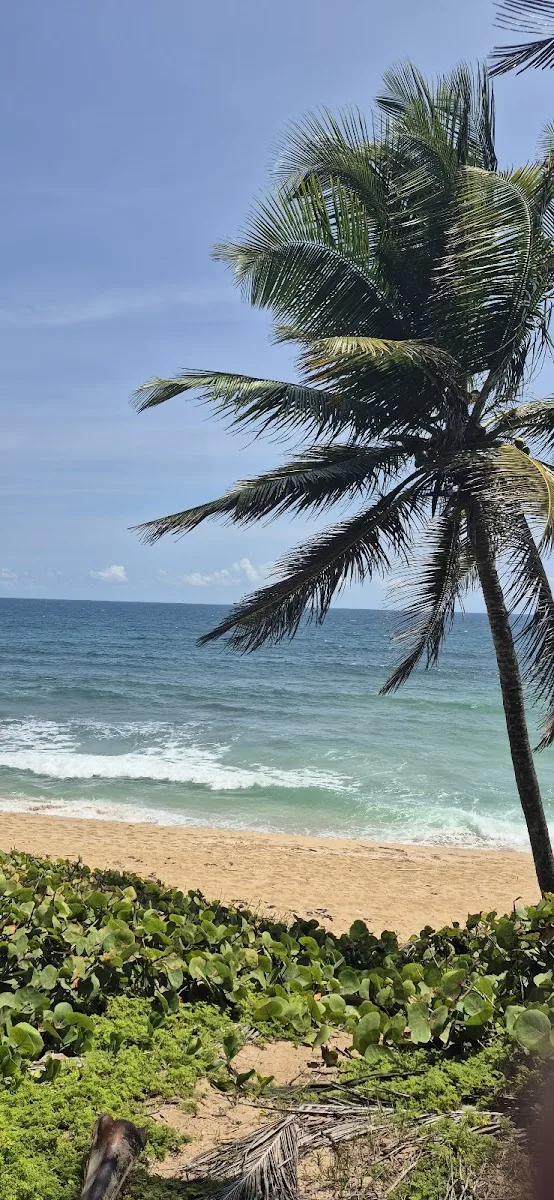
A spacious, uncrowded beach on Road 681 in Arecibo near the Columbus statue. Natural rock barriers create a protected shallow lagoon ideal for wading with children and swimming in calm waters. This secluded stretch preserves its unspoiled, natural character with no lifeguards or commercial services, making it perfect for families seeking a peaceful, undeveloped beach experience on Puerto Rico's north coast.
Visitor Tips
- Water shoes are recommended for navigating the rock formations around the lagoon entrance. The bottom inside is mostly sandy.
- Morning visits offer calmer lagoon water and cooler temperatures. The afternoon trade winds can stir up the Atlantic side.
- No food vendors on site. Bring a packed lunch and water. The nearest restaurants are back toward central Arecibo, about 15 minutes away.
- No lifeguards patrol this beach. The lagoon is safe for wading, but stay out of the open water beyond the rock barrier where currents can be strong.
- Roadside parking along Road 681 is available for free. Spaces are informal and limited to about 15-20 cars on the shoulder.
Best Time to Visit
The best time to visit Playa Punta Caracoles depends on your preferences for weather and water conditions. The beach is accessible year-round, but seasonal variations offer different experiences.
- January through April: The dry season offers the most reliable beach weather with calm conditions and clear skies ideal for families.
- December through March: Winter months bring the largest north Atlantic swells, making conditions more dynamic outside the rock barrier while the lagoon stays protected.
- June through August: Summer typically sees calmer seas and warmer water, though afternoon thunderstorms are common. Higher surf outside the barrier actually keeps the lagoon even calmer.
- Low tide: The best time to explore the rock lagoon when the pool is at its clearest and most accessible.
- Midweek visits: Visit Tuesday through Thursday for the most peaceful experience; weekends see a modest uptick in local families.
- Morning hours: Morning visits offer calmer lagoon water and cooler temperatures. The afternoon trade winds can stir up the Atlantic side.
- Year-round: Due to its secluded nature, this beach rarely experiences significant crowding, even on weekends and holidays.
What to Bring
What you pack for Playa Punta Caracoles depends on how you plan to spend your time. This is an unsupervised beach with no lifeguards or emergency services nearby, so plan accordingly.
- Sun protection: Reef-safe sunscreen (SPF 30 or higher), a wide-brimmed hat, and sunglasses. Puerto Rico's tropical sun is intense, especially between 10 AM and 2 PM.
- Shade and comfort: A portable beach umbrella or pop-up shade tent is highly recommended, as natural shade is limited. Bring a beach towel and lightweight clothing for coverage.
- Water and food: There are no food vendors at or near this beach. Pack your own meals, snacks, and plenty of water in a cooler. Bring more water than you think you'll need.
- For families with children: Sand toys, a float or inflatable for lounging on the calm surface, and a first aid kit for minor cuts or scrapes.
- Water footwear: Water shoes are recommended for navigating the rock formations around the lagoon entrance. The bottom inside is mostly sandy but rocks are present.
History & Background
Playa Punta Caracoles is located in Arecibo, a north coast municipality known for the former Arecibo Observatory and distinctive limestone karst landscape. This stretch of Puerto Rico's north coast faces the Atlantic Ocean, where trade winds generate consistent swells and currents that shape the shoreline. The northern coast experiences more wave energy than the south, with winter months bringing larger swells from the north Atlantic.
The beach features natural rock barriers along the shoreline that form a protected shallow lagoon, creating a natural wading pool where water stays calm even when Atlantic conditions outside the barrier are rougher. Despite being easily accessible off Road 681, the beach sees relatively few visitors, offering ample room to spread out on the sand without feeling crowded. Located close to the Birth of the New World statue in Arecibo, the tallest statue in the Western Hemisphere, making it convenient to combine a beach visit with this roadside attraction.
The municipality of Arecibo has deep roots in Puerto Rico's history, and beaches like Playa Punta Caracoles reflect the ongoing relationship between coastal communities and the sea. Whether visited by local families on weekends or travelers discovering the area for the first time, this stretch of shoreline carries the character of its surroundings.
Nearby Attractions
Playa Punta Caracoles is situated in Arecibo, which offers several attractions beyond the beach itself. The area features cultural sites, dining options, and other beaches worth exploring if you have extra time.
- Arecibo Lighthouse and Historical Park is well worth a visit if you have extra time, offering history and coastal views.
- Birth of the New World statue is located very close by—the tallest statue in the Western Hemisphere and a notable roadside attraction.
- Barceloneta area is a short drive away and worth exploring for additional beaches and local character.
- Islote Beach, Playa De Elohim, and Poza del Obispo are other beaches in the Arecibo area, each with different character and worth visiting if you have time for beach hopping.
- Arecibo town center typically features a central plaza with a church, local shops, and cafes—a good place to experience everyday Puerto Rican town life and weekend markets or festivals throughout the year.
- Local restaurants and roadside kiosks (chinchorros) serve traditional Puerto Rican fare including fresh seafood, mofongo (mashed plantain with garlic), and tostones (fried plantain slices). Many beach areas have informal food stalls on weekends selling empanadillas, bacalaítos (codfish fritters), and piraguas (shaved ice with fruit syrup).
Local Tips
- No food vendors on site: Bring a packed lunch and plenty of water. The nearest restaurants are back toward central Arecibo, about 15 minutes away by car.
- No lifeguards: This is an unsupervised beach. The lagoon is safe for wading and shallow swimming, but stay out of the open water beyond the rock barrier where currents can be strong and unpredictable.
- Public beach access is your right: As with all Puerto Rico beaches, the beach zone up to the high-tide mark is public land by law, regardless of any adjacent private property or signage suggesting otherwise. You have the legal right to access and enjoy any beach in Puerto Rico.
- Respect the environment: Pack out all trash and leave the beach as you found it. Puerto Rico's coastal ecosystems are under pressure from development and climate change, and responsible visitors make a real difference. Between April and November, sea turtles may nest on sandy beaches. If you spot a nest or hatchlings, keep your distance and report it to the DRNA (Department of Natural Resources).
- Monitor ocean conditions: While the calm waters here are generally safe, ocean conditions can change quickly. Keep an eye on weather forecasts and be aware that even sheltered areas can develop currents after storms or during unusual tidal patterns.
- Learn some Spanish: Spanish is the primary language in most areas outside San Juan's tourist zones. Learning a few phrases like '¿Dónde está la playa?' (Where is the beach?) and 'Gracias' (Thank you) goes a long way with locals. Puerto Ricans are generally warm and helpful toward visitors who show respect for the culture and environment.
Frequently Asked Questions
Where is Playa Punta Caracoles located?
Is Playa Punta Caracoles good for swimming?
What facilities are available at Playa Punta Caracoles?
Find beaches with: With Parking
What activities can I do at Playa Punta Caracoles?
More beaches for: Calm Waters, Swimming
Is there parking at Playa Punta Caracoles?
What is the best time to visit Playa Punta Caracoles?
Amenities
Practical Info
This is an unsupervised beach with no lifeguards or emergency services nearby. The protected lagoon is generally safe for wading and shallow swimming. Do not venture past the rock barrier into the open Atlantic, where rip currents and strong swells are common. Bring sun protection as there is no natural shade.
Planning Your Visit
Similar Beaches



Nearby Beaches


Explore by Activity
Discover More on Puerto Rico Beach Finder
Explore 460+ beaches across the island with filters, maps, and detailed guides.
Explore All Beaches