Punta Santiago Beach Humacao, Puerto Rico
At a Glance
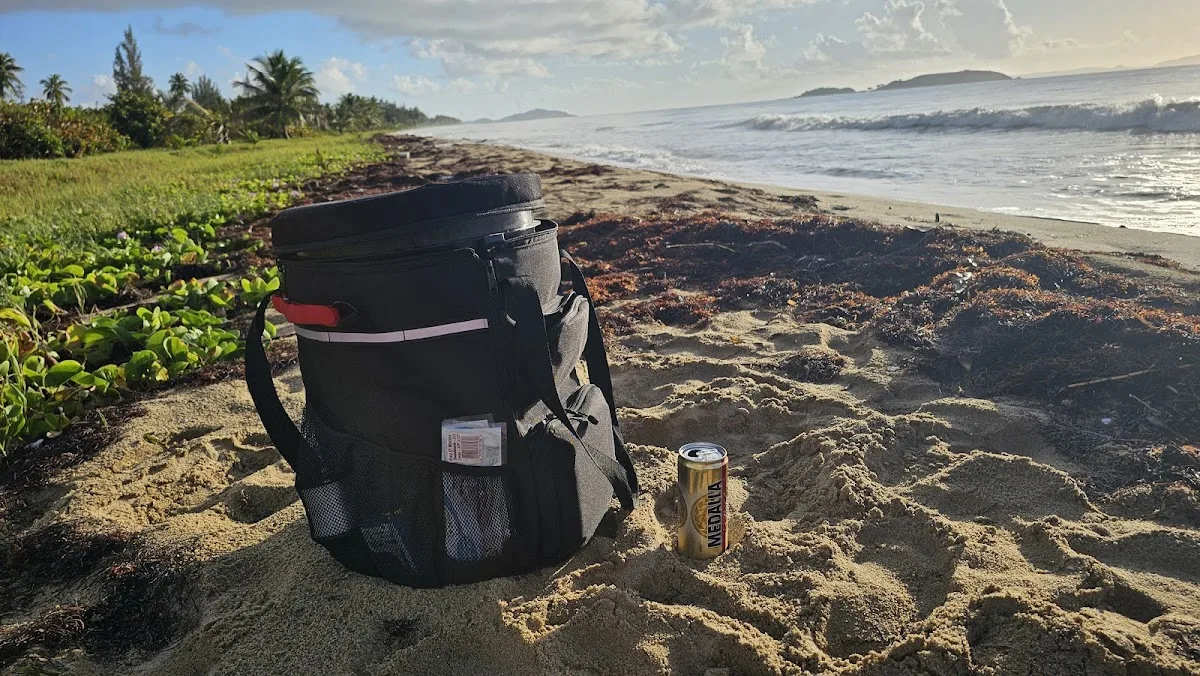
Punta Santiago Beach is a popular beach in Humacao, Puerto Rico, known for families and its popularity with locals and visitors. A well-regarded beach in Humacao's Punta Santiago barrio, known for its distinctive blend of white coral and black volcanic sand. Facilities include on-site dining, parking, restrooms.
About Punta Santiago Beach
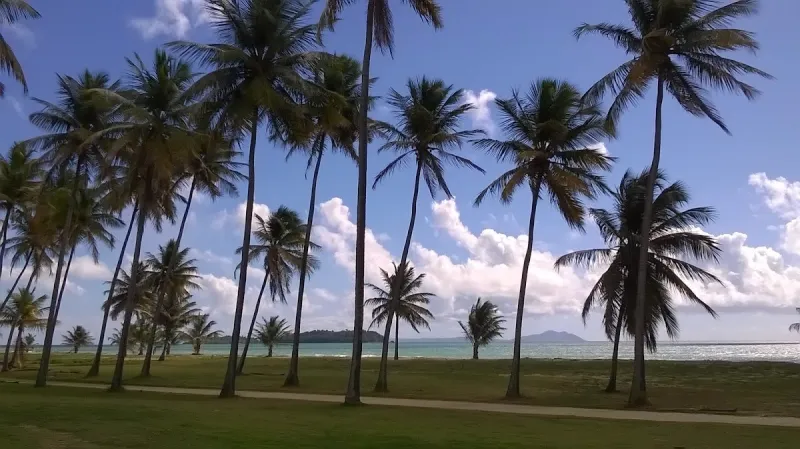
A well-regarded beach in Humacao's Punta Santiago barrio, known for its distinctive blend of white coral and black volcanic sand. This family-friendly destination offers stunning views of the Sierra de Luquillo mountains and Cayo Santiago, the famous monkey island research colony. Amenities include food kiosks, bathrooms, and camping facilities, making it ideal for both day trips and overnight stays. The east coast location provides steady trade winds and serves as a gateway to offshore islands.
Visitor Tips
- Try the food kiosks right on the beach for fresh empanadillas and cold drinks.
- Sunrise shots capture the Sierra de Luquillo silhouette behind Cayo Santiago beautifully.
- Bring a tent and camping gear — the beach allows overnight camping with a permit.
- Weekday mornings are quietest; weekends draw local families especially in summer.
- Boat operators along the shore offer affordable trips to see Cayo Santiago's monkey colony.
Best Time to Visit
Trade winds blow steadily from the northeast, keeping temperatures comfortable but sometimes creating chop. The east coast location means mornings are best for swimming before afternoon winds intensify.
- December through April (Dry Season): Most predictable conditions with steady breezes and lower rainfall
- June through August (Summer): Warmest water temperatures and calmest conditions; most active food kiosks on weekends
- September through November (Fall): Can see increased wave activity from Atlantic weather systems
- Year-round: Weekday mornings are quietest; weekends draw local families, especially in summer. Early arrival on weekends is recommended to secure a good spot
What to Bring
Sun Protection & Hydration (Essential):
- Reef-safe sunscreen (SPF 30 or higher) – Puerto Rico's tropical sun is intense, especially between 10 AM and 2 PM
- Reusable water bottle with plenty of fresh water
- Hat or visor for sun protection
- Portable beach umbrella or pop-up shade tent – natural shade may be limited
For Swimming & Water Activities:
- Water shoes for entry – the mixed sand bottom can have scattered rocks in spots
- Camera with extra battery and tripod for sunset shots
- Binoculars for coastal views and spotting Cayo Santiago
For Families & Beach Time:
- Sand toys and buckets for children
- Snacks and light refreshments – food kiosks are nearby but bringing your own is recommended
For Camping Overnight:
- Tent and sleeping bag
- Camping stove and cooking equipment
- Headlamp or flashlight
- Insect repellent for evening comfort
- Camping permit – required for overnight stays
History & Background
Punta Santiago Beach is located in the municipality of Humacao, situated on Puerto Rico's eastern shore where the Atlantic and Caribbean converge. This area is known for the Humacao Nature Reserve and Palmas del Mar resort, and serves as a jumping-off point to offshore islands and cays with steady trade winds providing comfortable breezes.
The beach features a distinctive blend of white coral and black volcanic sand, creating an unusual two-toned shoreline uncommon on the east coast. A direct sightline to Cayo Santiago, the famous Monkey Island research colony, is visible just offshore, with boat tours departing from nearby marinas. Behind the beach, the Sierra de Luquillo mountain range provides a dramatic green backdrop, combining mountain and ocean scenery in a single view.
The municipality of Humacao has deep roots in Puerto Rico's history, and beaches like Punta Santiago reflect the ongoing relationship between coastal communities and the sea. Whether visited by local families on weekends or travelers discovering the area, this stretch of shoreline carries the distinctive character of its surroundings.
Nearby Attractions
Punta Santiago Beach is situated in Humacao, which offers several attractions beyond the beach itself. The area provides opportunities for exploring coastal ecosystems, local culture, and authentic Puerto Rican dining experiences.
- Humacao Wildlife Refuge and Palmas del Mar Resort: Major attractions worth visiting if you have extra time
- Naguabo: A neighboring coastal town worth exploring, a short drive away
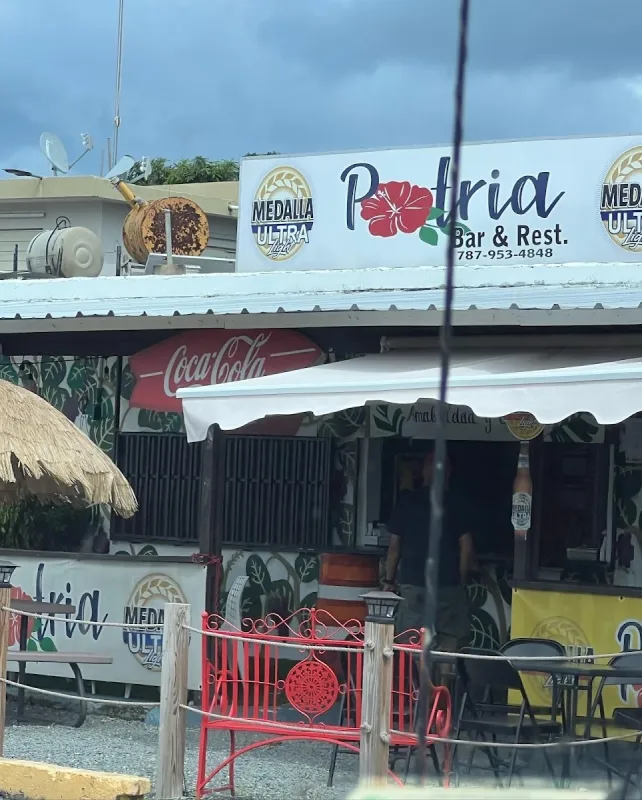
- Food Kiosks and Local Restaurants: Look for roadside chinchorros serving traditional Puerto Rican fare – fresh seafood, mofongo (mashed plantain), tostones (fried plantain slices), empanadillas, bacalaítos (codfish fritters), and piraguas (shaved ice with fruit syrup)
- Reserva Humacao Beach, Secret Beach, and Playa Palmas del Mar – Candelero: Other nearby beaches in the Humacao area, each with different character for beach hopping
- Humacao Town Center: Features a central plaza with a church, local shops, and cafes – a good place to experience everyday Puerto Rican town life and weekend markets or festivals
Local Tips
- Food Kiosks: Try the empanadillas and cold drinks served right on the beach for an authentic experience
- Photography: Sunrise shots capture the Sierra de Luquillo silhouette behind Cayo Santiago beautifully
- Cayo Santiago Tours: Boat operators along the shore offer affordable trips to see the monkey colony on the famous research island
- Beach Access Rights: As with all Puerto Rico beaches, the beach zone up to the high-tide mark is public land by law, regardless of adjacent private property or signage suggesting otherwise. You have the legal right to access and enjoy any beach in Puerto Rico
- Environmental Responsibility: Pack out all trash and leave the beach as you found it. Puerto Rico's coastal ecosystems are under pressure, and responsible visitors make a real difference. Between April and November, sea turtles may nest on sandy beaches – if you spot a nest or hatchlings, keep your distance and report it to the DRNA (Department of Natural Resources)
- Language & Cultural Respect: Spanish is the primary language in most areas outside San Juan's tourist zones. Learning a few phrases like '¿Dónde está la playa?' (Where is the beach?) and 'Gracias' (Thank you) goes a long way with locals. Puerto Ricans are generally warm and helpful toward visitors who show respect for the culture and environment
Frequently Asked Questions
Where is Punta Santiago Beach located?
Is Punta Santiago Beach good for swimming?
What facilities are available at Punta Santiago Beach?
Find beaches with: With Food, With Parking
What activities can I do at Punta Santiago Beach?
Is there parking at Punta Santiago Beach?
What is the best time to visit Punta Santiago Beach?
Amenities
Practical Info
Moderate currents can develop during incoming tides. Swim near other beachgoers and stay within sight of the shore. The mixed sand bottom can have scattered rocks in spots — water shoes are a good idea for entry.
Planning Your Visit
Similar Beaches


Nearby Beaches
Explore by Activity
Discover More on Puerto Rico Beach Finder
Explore 460+ beaches across the island with filters, maps, and detailed guides.
Explore All Beaches