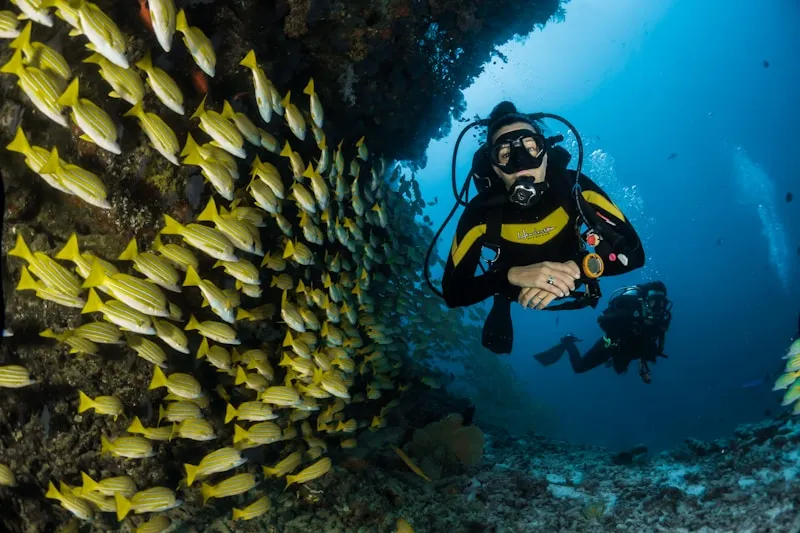
Short answer: there is no Puerto Rico law that bans regular sunscreen. Unlike Hawaii or the U.S. Virgin Islands, no island-wide rule prohibits oxybenzone or octinoxate. But reef-safe mineral sunscreen is still the smart default here — individual tour operators, marine reserves, and bioluminescent bay tours commonly require it, and it protects the reefs you came to see. This guide separates what is actually law from what is operator policy, and tells you exactly what to buy.
Is Reef-Safe Sunscreen Required by Law in Puerto Rico?
No island-wide ban is in force. Legislation to prohibit the sale and use of sunscreens containing oxybenzone and octinoxate has been introduced in Puerto Rico's legislature — most visibly in 2019 — but none of those bills has become law. Many travel articles state otherwise; they are repeating the proposal, not the outcome.
That means you will not be fined at the airport or on a public beach for carrying a chemical sunscreen. What you will run into is a patchwork of stricter rules at the places where sunscreen matters most: guided tours, marine reserves, and protected snorkeling areas.
Worth knowing if you are island-hopping: the U.S. Virgin Islands — a 30-minute flight or short ferry ride away — do ban sunscreens containing oxybenzone, octinoxate, and octocrylene, with the ban covering importation, sale, and use since 2020. If St. Thomas or St. John is on your itinerary, pack mineral sunscreen for the whole trip.
Where Reef-Safe Rules Actually Apply
Bioluminescent Bay Tours
Nearly every operator running kayak tours in Mosquito Bay (Vieques), Laguna Grande (Fajardo), and La Parguera (Lajas) asks guests to skip sunscreen and insect repellent entirely before entering the water — these chemicals harm the dinoflagellates that produce the glow. Tours run after dark, so you will not miss the sun protection. See our full bioluminescent bays guide for tour logistics.
Marine Reserves and Snorkeling Areas
Protected areas such as the Tres Palmas Marine Reserve in Rincón and the Canal Luis Peña Natural Reserve off Culebra ask visitors to use mineral-only sunscreen. Snorkeling and diving charters — especially those visiting Culebra, Vieques, and the offshore cays — frequently make reef-safe products a condition of the trip, and some provide them on board.
Everywhere Else
On ordinary balnearios and resort beaches, no one checks your sunscreen. Using mineral formulas anyway is a courtesy to the water you are swimming in — roughly 14,000 tons of sunscreen wash into reefs worldwide every year, and Puerto Rico's reefs are already under heat stress.
What to Buy (and What to Avoid)
The label "reef-safe" is not regulated — check the active ingredients panel instead:
- Choose: mineral sunscreens whose only active ingredients are zinc oxide or titanium dioxide, SPF 30–50, water-resistant
- Avoid: oxybenzone, octinoxate, and octocrylene — the three ingredients most commonly banned elsewhere and most implicated in coral damage
- Prefer lotions over sprays: sprays land on the sand as much as on you, and most of it ends up in the water
Widely available reef-safe brands include Stream2Sea, ThinkSport, Blue Lizard, and Badger. Pharmacies and big-box stores in San Juan stock mineral options, but selection shrinks and prices rise on Vieques and Culebra — buy before you go.
Practical Tips for Your Trip
- Flying carry-on only? TSA limits liquids to 3.4 oz (100 ml) — pack full-size bottles in checked luggage or buy on arrival
- Reapply every two hours and after swimming; the Caribbean UV index reaches extreme levels year-round, and mineral formulas wash off like any other
- Cover up instead: a UPF rash guard cuts how much sunscreen you need in the first place — the most reef-safe option there is
- Burned anyway? Our beach safety guide covers sun protection, heat illness, and where to find help
Building your beach kit? The complete Puerto Rico beach packing list covers everything else worth bringing.
Frequently Asked Questions
Is reef-safe sunscreen required by law in Puerto Rico?
No. There is no island-wide law banning any sunscreen ingredient in Puerto Rico — bills have been proposed but not enacted. However, many tour operators, snorkeling charters, and marine reserves require mineral reef-safe sunscreen as their own policy.
Is oxybenzone banned in Puerto Rico?
Not by law. Oxybenzone and octinoxate remain legal to sell and use in Puerto Rico, unlike Hawaii and the U.S. Virgin Islands where they are banned. Reef-conscious visitors avoid them anyway because of their documented harm to coral.
Can I bring my regular sunscreen to Puerto Rico?
Yes. No sunscreen is confiscated or fined in Puerto Rico. If your itinerary includes snorkeling tours, bioluminescent bay kayaking, or a hop to the U.S. Virgin Islands, bring a mineral (zinc oxide or titanium dioxide) sunscreen for those days.
What sunscreen should I use for the bioluminescent bays?
None. Tour operators at Mosquito Bay, Laguna Grande, and La Parguera ask visitors to enter the water free of sunscreen and insect repellent, because the chemicals harm the microorganisms that create the glow. Tours run after dark, so sun protection is not needed.
Which Caribbean destinations do ban non-reef-safe sunscreen?
The U.S. Virgin Islands ban sunscreens with oxybenzone, octinoxate, and octocrylene. Hawaii, Key West, Aruba, Bonaire, and Palau have similar bans. If you are island-hopping from Puerto Rico, mineral sunscreen keeps you compliant everywhere.
Sunscreen Sorted? Pick Your Snorkeling Spot
Put that reef-safe bottle to work at the best snorkeling beaches in Puerto Rico.
Best Snorkeling Beaches