Balneario Municipal De Aguda Aguada, Puerto Rico
At a Glance
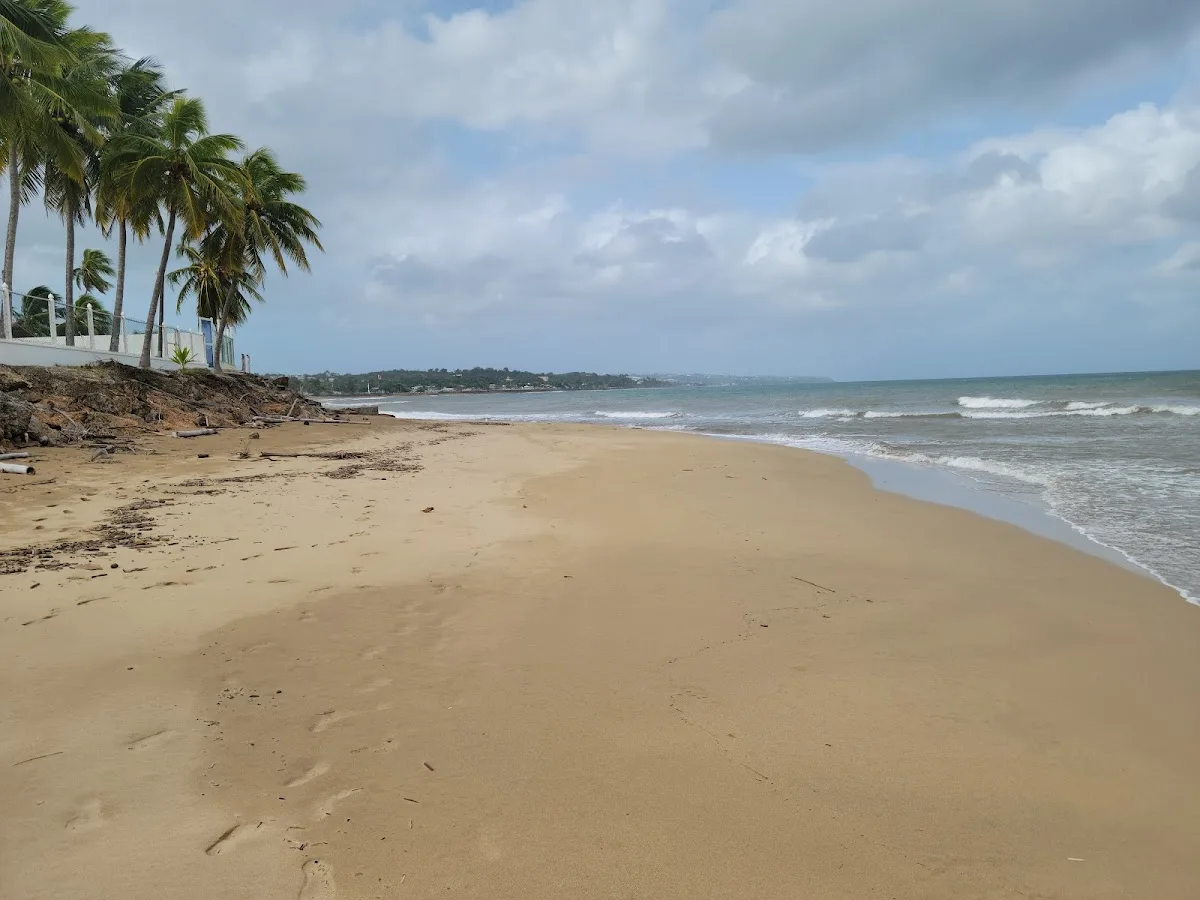
Balneario Municipal De Aguda is a popular beach in Aguada, Puerto Rico, known for families and its popularity with locals and visitors. Aguada's main public beach, also known as Pico de Piedra, sits at the mouth of the Guayabo River on the northwest coast. Facilities include on-site dining, parking, restrooms. A lifeguard is on duty.
About Balneario Municipal De Aguda
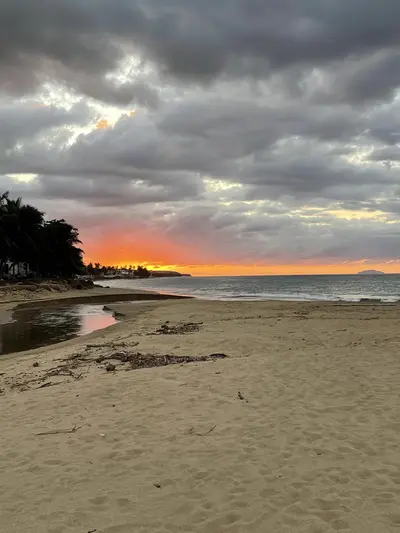
Aguada's main public beach, also known as Pico de Piedra, sits at the mouth of the Guayabo River on the northwest coast. This well-equipped family destination features food kiosks, lifeguards, and free parking with scenic views of Desecheo Island. Known for both swimming and surfing, the beach captures dramatic sunsets and offers clear waters ideal for families during summer months and excellent surf conditions in winter.
Visitor Tips
- Summer weekends are packed with local families — arrive early or visit on weekdays.
- The beachfront kiosks serve frituras, cold drinks, and fresh seafood plates.
- Swim near the lifeguard station, especially when northwest swells are running.
- Free municipal parking lot fills up on holiday weekends; arrive before 10 AM.
- Bring boogie boards for the shore break — waves are fun but manageable for beginners.
Best Time to Visit
The best time to visit depends on your preferred activities. The west coast experiences seasonal changes that affect water conditions and crowd levels throughout the year.
- Summer (June–August): Calm waters ideal for families and swimming. Peak season for local visitors; arrive early on weekends.
- Winter (November–February): Best for surfing as north swells wrap around the island. Clear skies in January–April provide the most vivid sunset displays.
- Weekdays: Significantly less crowded with ample parking available.
- Year-round: Spectacular sunsets, though dry season (January–April) offers the clearest skies.
What to Bring
What you pack depends on your planned activities at the beach. Consider these categories:
- Sun and Hydration Protection: Reef-safe sunscreen (SPF 30 or higher), reusable water bottle, and a hat for sun protection, especially between 10 AM and 2 PM.
- For Families: Sand toys, boogie boards for the shore break, a beach tent or pop-up shade tent, and snacks.
- For Photographers: Camera with extra battery, tripod for sunset shots, and binoculars for coastal views.
- For Surfers: Surfboard (shortboard or longboard depending on conditions), rash guard, surf wax, and reef boots if needed.
Food is available at nearby kiosks, but bringing your own water and snacks is recommended. A portable beach umbrella or pop-up shade tent is highly recommended, as natural shade may be limited.
History & Background
Balneario Municipal De Aguda is located in Aguada, a western coast municipality where Columbus allegedly first landed in 1493. Positioned at the mouth of the Guayabo River on the northwest coast, this beach creates a unique landscape where fresh river water meets Atlantic surf. The west coast faces the Mona Passage and is renowned for dramatic sunsets and vibrant surf culture.
As Aguada's main municipal beach, also known as Pico de Piedra, it offers complete public amenities including lifeguards, food kiosks, restrooms, and free parking. Clear west-facing views to Desecheo Island provide a scenic backdrop, especially dramatic during sunset when the island is silhouetted against the sky. The municipality of Aguada has deep roots in Puerto Rico's history, and beaches like this one reflect the ongoing relationship between coastal communities and the sea.
Nearby Attractions
Balneario Municipal De Aguda is situated in Aguada, which offers several attractions beyond the beach itself. The neighboring area of Rincón is also worth exploring and is a short drive away.
- Parque Colón and Discovery Monument: A well-visited historical site in Aguada commemorating Columbus's arrival.
- Aguada Town Center: Features a central plaza with a church, local shops, and cafes—a good place to experience everyday Puerto Rican town life. Many towns hold weekend markets or festivals throughout the year, particularly during patron saint celebrations (fiestas patronales) with live music, food, and cultural performances.
- Nearby Beaches: Aguada Malecón Strip, Banquito Frente al Mar, and Columpio Playa Escalera each offer different character and are worth exploring for beach hopping.
- Local Dining: Roadside kiosks (chinchorros) serve traditional Puerto Rican fare including fresh seafood, mofongo (mashed plantain with garlic), and tostones (fried plantain slices). Weekend food stalls sell empanadillas, bacalaítos (codfish fritters), and piraguas (shaved ice with fruit syrup). Food vendors are also available at or near the beach itself.
Local Tips
- Swim near the lifeguard station, especially when northwest swells are running. The river mouth area can create rip currents during heavy rain or high surf, so avoid swimming near the river outflow after storms.
- Beach rights are protected by law: The beach zone up to the high-tide mark is public land in Puerto Rico, regardless of any adjacent private property or signage suggesting otherwise. You have the legal right to access and enjoy any beach.
- Practice environmental responsibility: Pack out all trash and leave the beach as you found it. Between April and November, sea turtles may nest on sandy beaches. If you spot a nest or hatchlings, keep your distance and report it to the DRNA (Department of Natural Resources).
- For new surfers: Consider hiring a local instructor who knows the specific conditions, reef layout, and hazards at this break. Respect surf etiquette by not dropping in on other surfers and giving right of way to the person closest to the peak of the wave.
- Learn basic Spanish phrases: Spanish is the primary language in most areas outside San Juan's tourist zones. Phrases like '¿Dónde está la playa?' (Where is the beach?) and 'Gracias' (Thank you) go a long way with locals. Puerto Ricans are generally warm and helpful toward visitors who show respect for the culture and environment.
Frequently Asked Questions
Where is Balneario Municipal De Aguda located?
Is Balneario Municipal De Aguda good for swimming?
What facilities are available at Balneario Municipal De Aguda?
Find beaches with: With Food, With Lifeguard
What activities can I do at Balneario Municipal De Aguda?
Is there parking at Balneario Municipal De Aguda?
What is the best time to visit Balneario Municipal De Aguda?
Amenities
Practical Info
Lifeguards are on duty during posted balneario hours. The river mouth area can create rip currents during heavy rain or high surf. Avoid swimming near the river outflow after storms. The sandy bottom is generally clear of rocks.
Planning Your Visit
Similar Beaches



Nearby Beaches


Explore by Activity
Discover More on Puerto Rico Beach Finder
Explore 460+ beaches across the island with filters, maps, and detailed guides.
Explore All Beaches