Los Tubos Beach is a popular beach in Manati, Puerto Rico, known for its popularity with locals and visitors and scenic views. One of Puerto Rico's premier surf destinations on Manati's north coast, Los Tubos Beach delivers powerful tubular waves perfect for intermediate to advanced surfers. Facilities include on-site dining, parking.
- Popular
- Scenic
- Surfing
- ✓ Food & Drinks
- ✓ Parking
- ✓ Shade/Umbrellas
Short path.
The surf season runs from November through March when consistent north swells deliver the powerful tubular wav…
Strong currents and shallow reef create hazards for inexperienced swimmers and surfers.
Swim with a buddy and know your limits.
Street-side parking along the access road accommodates about 30 cars. No formal lot exists. Weekends and festival days fill up early, so arriving before 9 AM is advisable.
Ways to experience Los Tubos Beach
Bookable tours and activities at and around this beach.
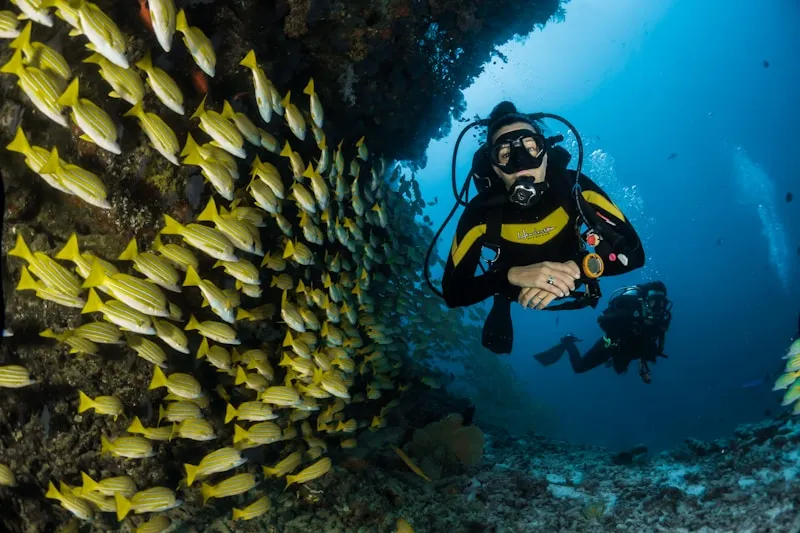
 Viator photoPopular near this beachSan Juan: Small-Group Snorkeling Experience with PickupDon't let other companies fool you! Transportation, entrance fees and gear are included in our price! Book with us, save money and feel relief!…✓ Free cancellation✓ Gear includedFrom $94Check availability ↗Browse more tours on Viator ↗
We may earn a commission when you book through Viator links, at no extra cost to you.
About Los Tubos Beach
One of Puerto Rico's premier surf destinations on Manati's north coast, Los Tubos Beach delivers powerful tubular waves perfect for intermediate to advanced surfers. The shallow reef bottom creates the barrel-shaped waves the beach is famous for. Ancient Taino petroglyphs are periodically exposed by wave action along the shore, blending archaeology with surf culture. The beach hosts the annual International Beach Festival each July, featuring live music, food vendors, and competitions.
Local tips
What to Bring+
Sun and Skin Protection:
- Reef-safe sunscreen (SPF 30 or higher)—essential, as Puerto Rico's tropical sun is intense between 10 AM and 2 PM
- Hat or visor for additional sun protection
- Rash guard or UV-protective shirt for extended time in the water
- Reef booties or reef shoes—essential to protect feet from sharp reef and exposed rocks at the entry point
Surfing Gear:
- Surfboard (shortboard or longboard depending on conditions)
- Surf wax for board grip
- Leash to keep your board secure
Swimming and Water Activities:
- Swimsuit
- Goggles for snorkeling or underwater viewing
- Towel (quick-dry preferred)
General Beach Essentials:
- Reusable water bottle—bring your own as food vendors may not have sufficient hydration options
- Portable shade—umbrella or pop-up tent, as natural shade is limited
- Camera with extra battery and tripod for sunset shots and capturing surf action
- Snacks and light food (food vendors are nearby, but bringing your own ensures availability)
History & Background+
Playas Los Tubos is located in the municipality of Manati on Puerto Rico's north coast, where it faces the Atlantic Ocean. This stretch of shoreline experiences significant wave energy from trade winds and north Atlantic swells, particularly during winter months, shaping both the landscape and the character of the beach.
The beach is named for the hollow, tube-shaped waves that consistently form along its shore, making it one of Manati's signature surf breaks. Every July, the beach hosts the International Beach Festival, drawing thousands of spectators for surf competitions, live music, and food vendors beneath the palm-lined waterfront. The wide sandy beach backed by coconut palms provides excellent vantage points for watching surfers, making it popular even with non-surfers who come to enjoy the show and the tropical setting.
Nearby Attractions+
Los Tubos Beach is situated in Manatí, which offers several attractions and dining options beyond the beach itself. The area reflects everyday Puerto Rican coastal culture and provides opportunities for food, exploration, and local experiences.
- Local Dining and Food Stalls: Look for roadside kiosks (chinchorros) serving traditional Puerto Rican fare—fresh seafood, mofongo (mashed plantain with garlic), and tostones (fried plantain slices). Weekend food vendors sell empanadillas, bacalaítos (codfish fritters), and piraguas (shaved ice with fruit syrup). Ask locals for their favorite spot; the best food is often at the least conspicuous establishments.
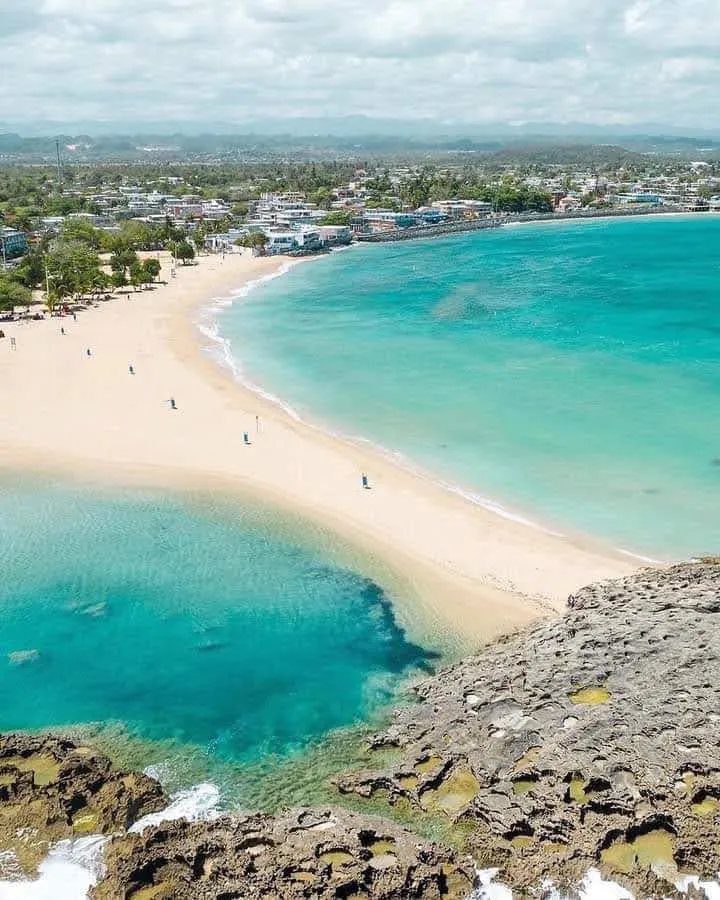
- Nearby Beaches: Other beaches in the Manatí area include The Women's Pool and Playa Tómbolo, each with a different character worth exploring if you have time for beach hopping.
- Manatí Town Center: The central plaza features a church, local shops, and cafes—a good place to experience everyday Puerto Rican town life and interact with residents.
- Weekend Markets and Festivals: Many towns hold weekend markets and celebrations throughout the year, particularly during patron saint festivals (fiestas patronales) featuring live music, food, and cultural performances.
Photos
Be the first to add a photo
Recent photos help others recognize the access point, water, and parking setup.
Reviews
No Puerto Rico Beach Finder reviews yet
Share whether access was easy, how the water felt, and what the next person should know.
Planning your visit
Explore by activity
Nearby beaches



Questions
Where is Los Tubos Beach located?
Los Tubos Beach is located in Manati, Puerto Rico. The exact coordinates are 18.469254, -66.454645. You can use GPS navigation or follow signs to Manati and look for beach access points.
Is Los Tubos Beach good for swimming?
Yes, Los Tubos Beach is a public beach open for swimming. Note that this beach is known for surfing conditions, so waves can be strong.
What facilities are available at Los Tubos Beach?
Los Tubos Beach offers the following facilities: Food, Parking, Shade Structures.
What activities can I do at Los Tubos Beach?
Popular activities at Los Tubos Beach include swimming, surfing. The beach is perfect for a day trip from Manati.
Is there parking at Los Tubos Beach?
Yes, Los Tubos Beach has parking available.
Similar beaches


Discover more beaches
Explore 400+ beaches across the island with filters, maps, and detailed guides.
Explore all beaches