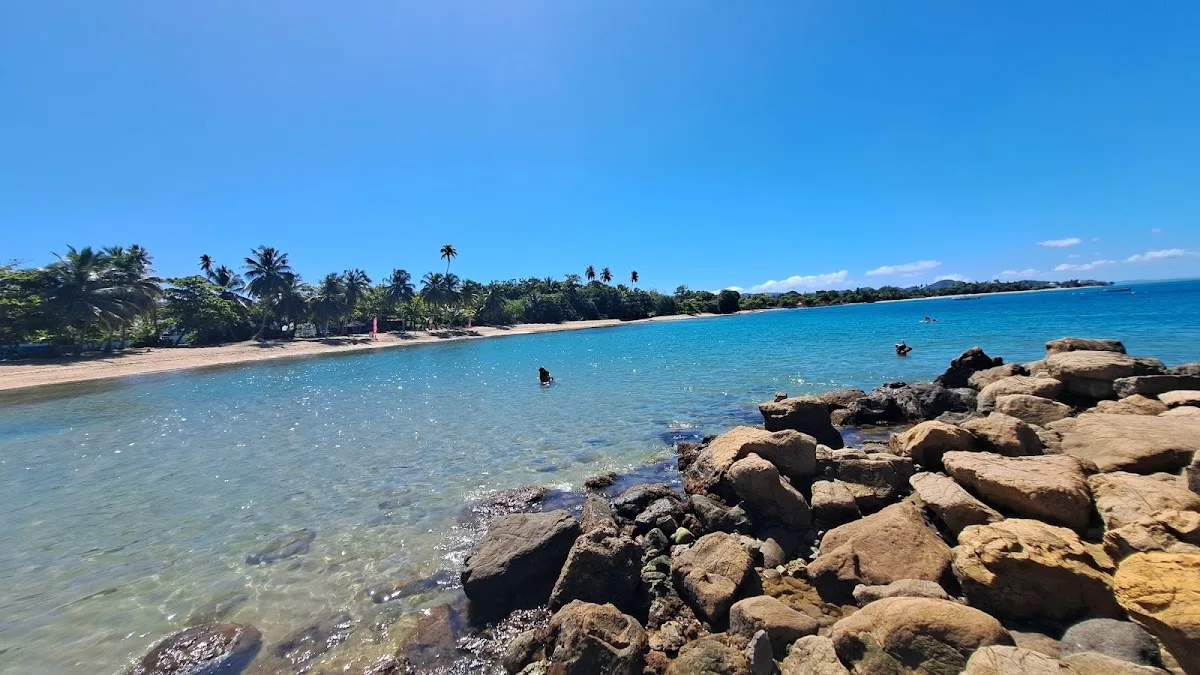
Black Eagle Beach Rincon, Puerto Rico
Quick Facts
About Black Eagle Beach
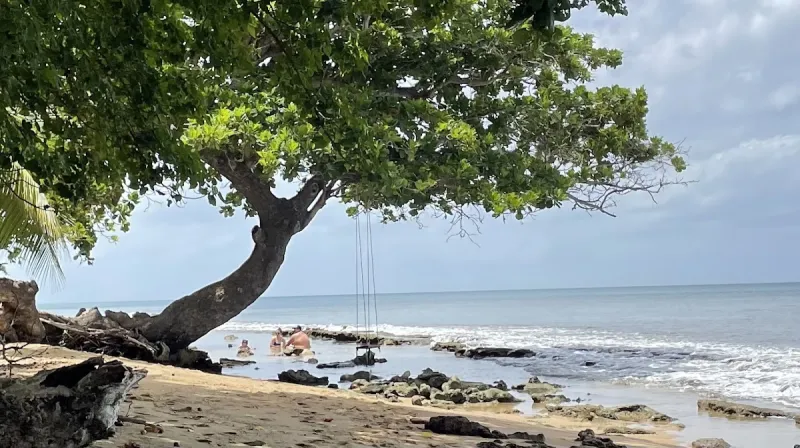
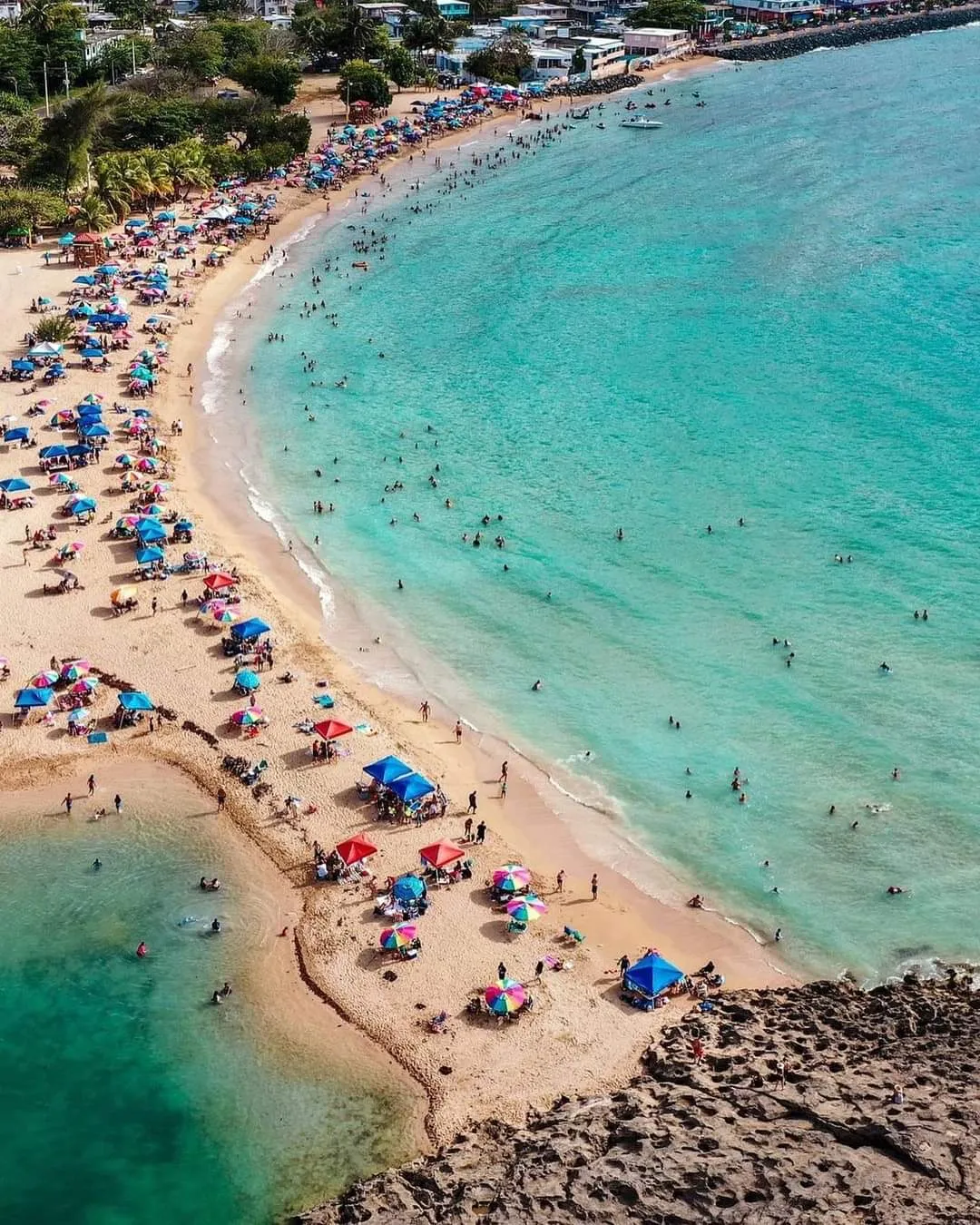
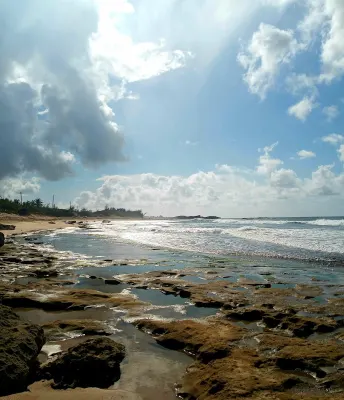
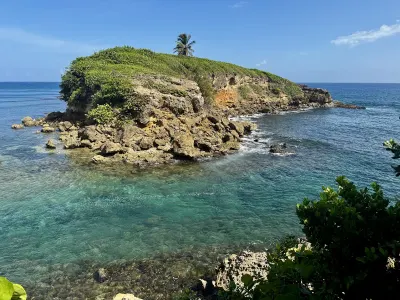
Home to Rincón's small-boat marina and part of the Tres Palmas Marine Reserve, Black Eagle Beach features a largely rocky shoreline with calm, protected waters ideal for water activities. The beach serves as a launch point for whale-watching tours during winter months, year-round snorkeling trips to explore elkhorn coral reefs, and paddleboard rentals. The rocky terrain creates natural tide pools teeming with marine life.
Visitor Tips
- January through March is prime humpback whale-watching season. Book boat tours early as they sell out.
- Rent snorkel gear or paddleboards from the marina operators if you did not bring your own.
- The rocky shoreline makes water entry tricky. Wear water shoes and enter carefully to avoid sea urchins.
- Respect the marine reserve rules — no touching coral, no fishing within the reserve boundaries, no anchoring.
- Sunset shots from the marina with fishing boats in the foreground are classic Rincón imagery.
History & Background
Black Eagle Beach is located in Rincón, Puerto Rico's north coast, where it faces the Atlantic Ocean. This area experiences consistent trade winds and significant wave energy, with winter months bringing larger swells from the north Atlantic. The rocky shoreline creates natural tide pools at low tide filled with sea urchins, small fish, and crabs—a natural aquarium for curious visitors and children.
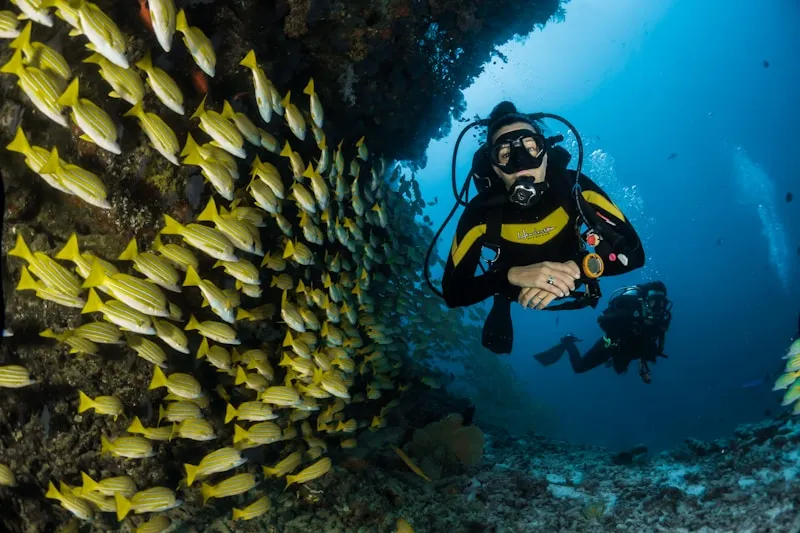
The beach is home to Rincón's small-boat marina and serves as part of the Tres Palmas Marine Reserve, which protects one of the best-developed elkhorn coral reefs in Puerto Rico and is recognized as a federally Important Habitat Area. From the marina, whale-watching tours operate seasonally, snorkeling trips run year-round, and paddleboard rentals provide access to coastal exploration.
The municipality of Rincón has deep roots in Puerto Rico's maritime heritage, and beaches like Black Eagle reflect the ongoing relationship between coastal communities and the sea. Whether visited by local families or travelers discovering the area, this stretch of shoreline carries the character of its surroundings.
Best Time to Visit
Black Eagle Beach offers excellent conditions throughout the year, with seasonal variations depending on your preferred activities.
- January to March: Prime humpback whale-watching season with excellent diving visibility. Winter swells bring dynamic conditions. Book boat tours early as they sell out frequently.
- April to May: Dry season continues with reliable beach weather and calm waters ideal for snorkeling and paddleboarding.
- June to August: Summer brings calmer seas and warmer water, though afternoon thunderstorms are common. Excellent for reef snorkeling and spotting sea turtles.
- September to December: Hurricane season begins in September but gradually diminishes. Fewer crowds and warm water for water activities.
- Morning hours: Visit early before afternoon trade winds arrive for the calmest water conditions for snorkeling and paddleboarding.
Getting There
Black Eagle Beach is accessible by car from San Juan. The drive takes roughly 1 to 1.5 hours depending on traffic. GPS navigation is recommended as coastal road signage can be minimal.
- Head west from San Juan on Highway 22 (toll road) toward Rincón.
- Follow signs for Rincón and continue on coastal roads toward the marina area.
- Use GPS coordinates (18.344204, -67.260694) to pinpoint Black Eagle Beach, as street addresses are unreliable.
- Follow the short path from the parking area to the sand and marina.
Parking: A small parking area near the marina offers limited free parking (approximately 10 spots). Street parking is available along the access road as overflow. A rental car is the most practical way to explore beaches outside the San Juan metro area, with major rental agencies operating from the airport and hotel districts.
What to Bring
Sun and Water Protection:
- Reef-safe sunscreen (SPF 30 or higher) – Puerto Rico's tropical sun is intense, especially between 10 AM and 2 PM
- Water shoes – Essential for rocky shoreline and sea urchin protection
- Reusable water bottle – Stay hydrated in tropical heat
- Hat or cap – Critical for sun protection
Diving and Snorkeling Gear:
- Dive certification card – Required for diving activities
- Personal dive gear or contact local dive shops for rental equipment
- Snorkel gear – Rent from marina operators if not bringing your own
Fishing Equipment (if applicable):
- Fishing rod and tackle
- Bait and cooler for your catch
- Valid Puerto Rico fishing license – Required and available from local authorities
Photography and Scenic Activities:
- Camera with extra battery
- Tripod for sunset shots
- Binoculars for coastal and whale viewing
Food and Shade:
- Meals, snacks, and plenty of water – No food vendors at or near this beach
- Portable beach umbrella or pop-up shade tent – Natural shade is limited
Paddleboarding:
- Paddleboards – Rent from marina operators if not bringing your own
Nearby Attractions
Black Eagle Beach is situated in Rincón, which offers several attractions and experiences beyond the beach itself. The area reflects authentic Puerto Rican coastal culture and character.
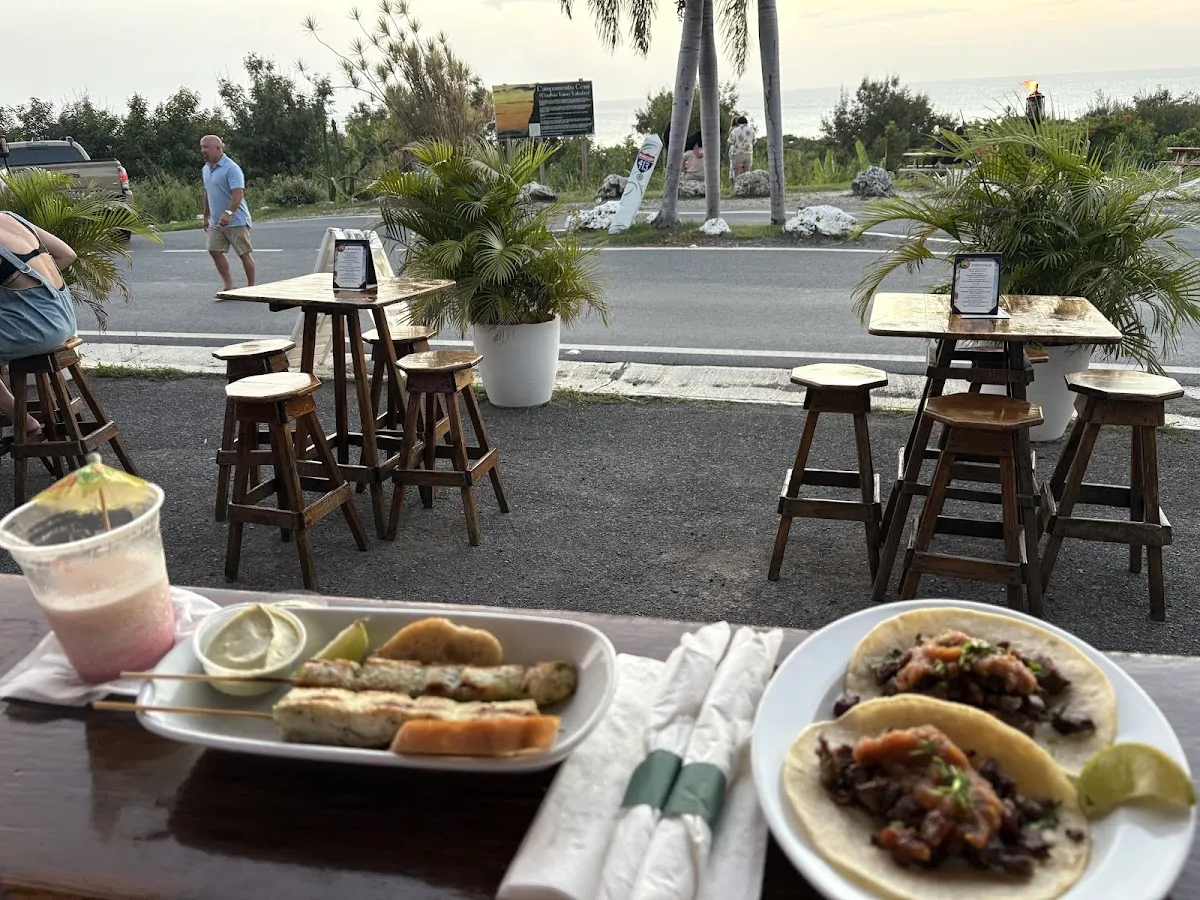
- Local Restaurants and Kiosks: Look for traditional Puerto Rican fare at roadside establishments serving fresh seafood, mofongo (mashed plantain with garlic), and tostones (fried plantain slices). Weekend food stalls sell empanadillas, bacalaítos (codfish fritters), and piraguas (shaved ice with fruit syrup). Ask locals for their favorite spots—the best food is often at the least conspicuous establishments.
- Nearby Beaches: Other beaches in the Rincón area include Steps Beach (Tres Palmas) and Canal Beach, each with different character and conditions worth exploring if you have time for beach hopping.
- Rincón Town Center: The central plaza typically features a church, local shops, and cafes—a good place to experience everyday Puerto Rican town life.
- Festivals and Markets: Many towns hold weekend markets or festivals throughout the year, particularly during patron saint celebrations (fiestas patronales) which feature live music, food, and cultural performances.
Local Tips
- Watch your footing on rocky terrain: The rocky shoreline makes water entry tricky. Wear water shoes and enter carefully to avoid sea urchins and sharp rocks.
- Respect marine reserve regulations: No touching coral, no fishing within reserve boundaries, and no anchoring. These rules protect one of Puerto Rico's most important reef systems.
- Plan for scenic photography: Sunset shots from the marina with fishing boats in the foreground are classic Rincón imagery worth capturing.
- Know your beach rights: As with all Puerto Rico beaches, the beach zone up to the high-tide mark is public land by law, regardless of any adjacent private property or signage suggesting otherwise. You have the legal right to access and enjoy any beach in Puerto Rico.
- Practice responsible tourism: Pack out all trash and leave the beach as you found it. Puerto Rico's coastal ecosystems are under pressure from development and climate change, and responsible visitors make a real difference.
- Protect sea turtle nesting sites: Between April and November, sea turtles may nest on sandy beaches. If you spot a nest or hatchlings, keep your distance and report it to the DRNA (Department of Natural Resources).
- Snorkel safely and responsibly: Avoid touching or standing on coral formations—they are fragile and legally protected under both federal and Puerto Rico law. Maintain neutral buoyancy and keep your fins from scraping the bottom.
- Learn basic Spanish phrases: Spanish is the primary language in most areas outside San Juan's tourist zones. Learning phrases like '¿Dónde está la playa?' (Where is the beach?) and 'Gracias' (Thank you) goes a long way with locals. Puerto Ricans are generally warm and helpful toward visitors who show respect for the culture and environment.
Visitor Photos
Sign in to addNo photos yet. Be the first to share!
Reviews
No reviews yet. Be the first to share your experience!
Live Updates
No recent crowd data
Amenities
Practical Info
Rocky shoreline requires careful water entry — wear water shoes. The marine reserve prohibits fishing and coral contact within its boundaries. Currents can be strong near the point. Follow all tour operator safety briefings.