Icacos Beach Fajardo, Puerto Rico
At a Glance
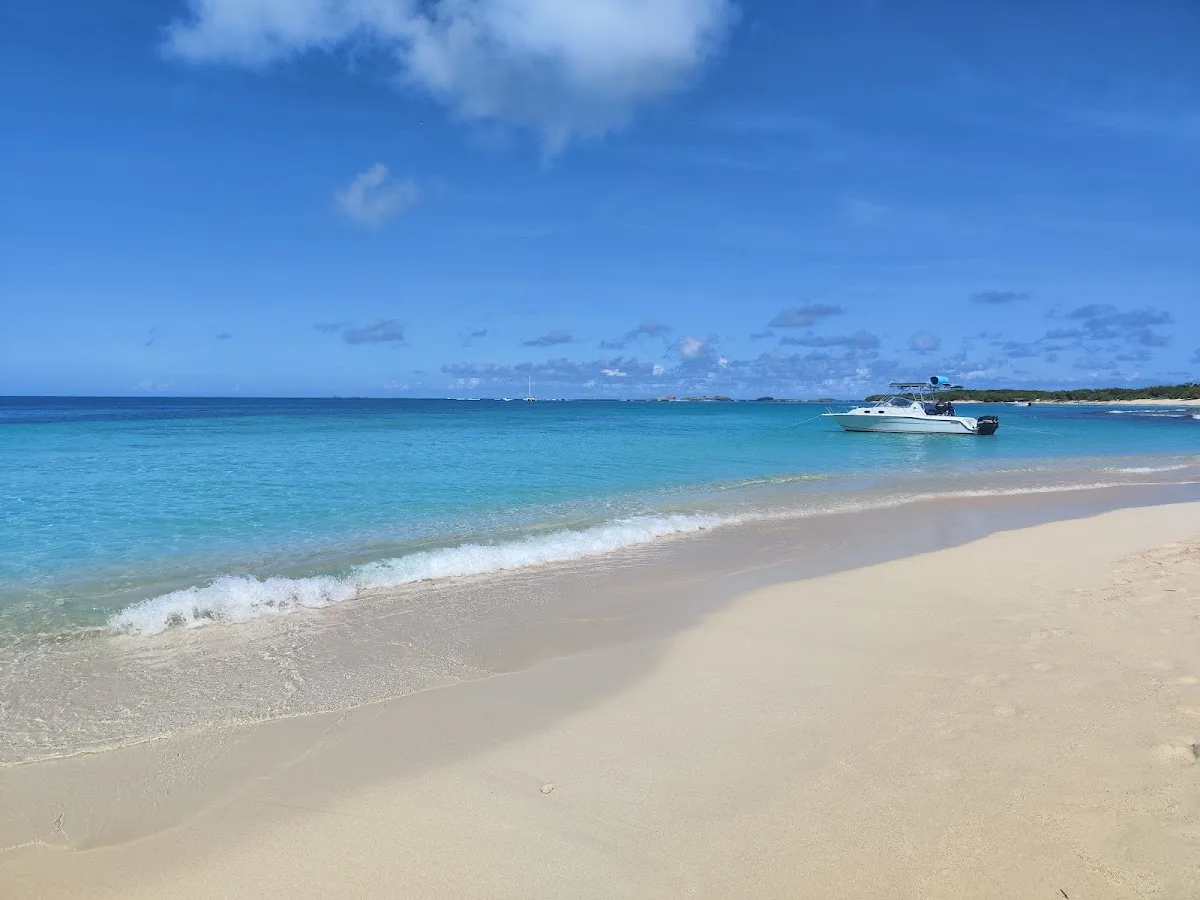
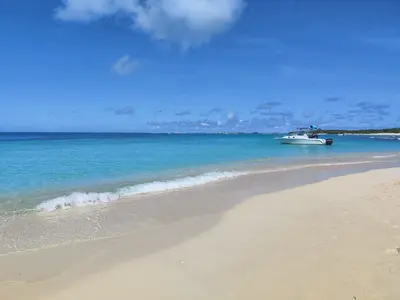
Icacos Beach is a secluded beach in Fajardo, Puerto Rico, known for calm waters and scenic views. Uninhabited island beach on Cayo Icacos, the largest cay in La Cordillera Nature Reserve off Fajardo's coast.
About Icacos Beach
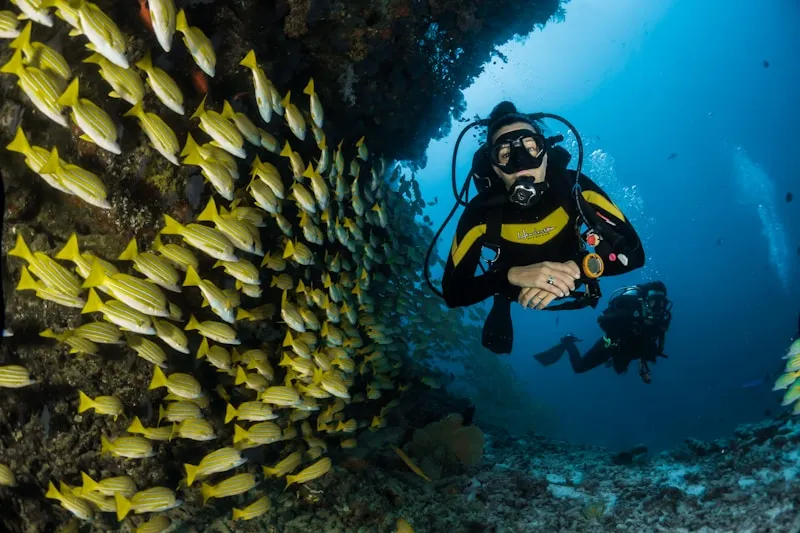
Uninhabited island beach on Cayo Icacos, the largest cay in La Cordillera Nature Reserve off Fajardo's coast. Reached by a 15-20 minute water taxi from Las Croabas. White sand shores and vibrant coral reefs make it a premier snorkeling and diving destination. Crystal-clear waters ideal for swimming and exploring marine life, with no facilities or development—a true deserted island experience.
Visitor Tips
- Bring your own snorkel gear, water, sunscreen, and food — there are zero facilities or vendors on the island
- Water taxis depart from Las Croabas starting around 9 AM; the earlier you go the calmer the water for snorkeling
- Water taxi round-trip costs $7-12 per person; some operators include snorkel gear rental in package deals
- Confirm your return pickup time with the boat operator — there is no cell service on the island
- Pack out all trash — the island is a protected nature reserve and rangers do patrol
Best Time to Visit
The best conditions at Icacos Beach occur during specific seasons when water clarity and calm seas align for optimal snorkeling and diving experiences. Morning departures are recommended for the flattest water and best underwater visibility.
- April through September: Calmest seas and visibility reaching 30+ feet; ideal snorkeling conditions
- December through April: Dry season with predictable conditions and steady trade winds
- Summer months: Warmer water but more frequent afternoon rain showers (typically short-lived)
- December through March: Winter months can bring rough seas that may cancel water taxi service
- Weekdays: Significantly less crowded than weekends and holidays, though the beach rarely experiences heavy crowding due to its secluded nature
Water taxis depart from Las Croabas starting around 9 AM; the earlier you go, the calmer the water for snorkeling and the best underwater visibility.
What to Bring
Sun and Skin Protection:
- Reef-safe sunscreen (SPF 30 or higher)—required due to intense tropical sun and no shade on the island
- Hat or visor for sun protection
- Lightweight, long-sleeved shirt or rash guard for additional UV protection
Hydration and Food:
- Reusable water bottle (at least 2 liters per person)—dehydration is a real risk with no fresh water on the island
- Cooler with meals, snacks, and beverages—there are no food vendors at or near this beach
Snorkeling and Diving Gear:
- Personal snorkel gear (mask, snorkel, fins) or contact a local dive shop for rentals
- Dive certification card if planning to dive
Comfort and Shade:
- Portable beach umbrella or pop-up shade tent (highly recommended due to limited natural shade)
- Float or inflatable for lounging on calm waters
Documentation and Safety:
- Confirm return boat arrangements with your water taxi operator before they leave—there is no cell service on the island
- Camera with extra battery and tripod if photographing sunset or coastal views
- Binoculars for coastal wildlife viewing
History & Background
Icacos Beach is located on Cayo Icacos, the largest cay in the protected La Cordillera Nature Reserve, a chain of uninhabited islands and coral reefs off Fajardo's northeast coast. The municipality of Fajardo sits on Puerto Rico's eastern shore, where the Atlantic Ocean and Caribbean Sea converge, making it a gateway to offshore islands and marine ecosystems.
With no permanent structures, electricity, or running water, Icacos offers a true deserted-island experience just a 15-20 minute water taxi ride from Las Croabas on the Fajardo mainland. The surrounding reefs support diverse marine life including sea turtles, rays, tropical fish, and healthy coral formations in shallow water accessible directly from the beach, making it a premier destination for snorkeling and diving.
The beach reflects the ongoing relationship between Puerto Rico's coastal communities and the sea, carrying the character of its pristine natural surroundings and protected conservation status.
Nearby Attractions
Icacos Beach is situated in Fajardo, a coastal town with several attractions worth exploring beyond the beach itself. The area offers a mix of natural reserves, nearby beaches, dining options, and authentic Puerto Rican culture.
- Las Cabezas de San Juan Nature Reserve—a protected natural area near Fajardo's marina district, well worth a visit if you have extra time
- Luquillo—a neighboring coastal town a short drive away with additional beaches and local character
- Local restaurants and roadside kiosks (chinchorros)—serving traditional Puerto Rican fare including fresh seafood, mofongo (mashed plantain with garlic), and tostones (fried plantain slices)
- Weekend food stalls—selling empanadillas, bacalaítos (codfish fritters), and piraguas (shaved ice with fruit syrup) at affordable prices; ask locals for their favorite spot
- Playa Colora and Playa Escondida—other beaches in the Fajardo area, each with different character worth exploring for beach hopping
- Fajardo town center—features a central plaza with church, local shops, and cafes; a good place to experience everyday Puerto Rican town life
- Weekend markets and patron saint celebrations (fiestas patronales)—held throughout the year in many towns, featuring live music, food, and cultural performances
Local Tips
- Confirm return pickup time: Confirm your return pickup time and boat operator details before they depart—there is no cell service on the island, making communication impossible after departure
- Water taxi costs: Round-trip costs range from $7-12 per person; some operators include snorkel gear rental in package deals, so ask about bundled options
- Beach access is a legal right: As with all Puerto Rico beaches, the beach zone up to the high-tide mark is public land by law, regardless of any adjacent private property or signage suggesting otherwise
- Practice responsible tourism: Pack out all trash—the island is a protected nature reserve and rangers do patrol. Puerto Rico's coastal ecosystems are under pressure, and responsible visitors make a real difference
- Protect sea turtles: Between April and November, sea turtles may nest on sandy beaches. If you spot a nest or hatchlings, keep your distance and report it to the DRNA (Department of Natural Resources)
- Respect coral reefs: When snorkeling, avoid touching or standing on coral formations—they are fragile and legally protected under both federal and Puerto Rico law. Maintain neutral buoyancy and keep your fins from scraping the bottom
- Monitor ocean conditions: While the calm waters here are generally safe, ocean conditions can change quickly. Keep an eye on weather forecasts and be aware that even sheltered areas can develop currents after storms or during unusual tidal patterns
- Watch for sea urchins: Keep an eye out for sea urchins in rocky areas near the reef to avoid painful spines
- Learn basic Spanish: Spanish is the primary language in most areas outside San Juan's tourist zones. Learning phrases like '¿Dónde está la playa?' (Where is the beach?) and 'Gracias' (Thank you) goes a long way with locals, who are generally warm and helpful toward visitors who show respect for culture and environment
Frequently Asked Questions
Where is Icacos Beach located?
Is Icacos Beach good for swimming?
What facilities are available at Icacos Beach?
What activities can I do at Icacos Beach?
More beaches for: Calm Waters, Diving
Is there parking at Icacos Beach?
What is the best time to visit Icacos Beach?
Amenities
Practical Info
No lifeguard on the island. Bring reef-safe sunscreen as there is no shade. Dehydration is a real risk — bring at least 2 liters of water per person. Watch for sea urchins in rocky areas near the reef. Confirm return boat arrangements before your operator leaves.
Planning Your Visit
Similar Beaches



Nearby Beaches

Explore by Activity
Discover More on Puerto Rico Beach Finder
Explore 460+ beaches across the island with filters, maps, and detailed guides.
Explore All Beaches