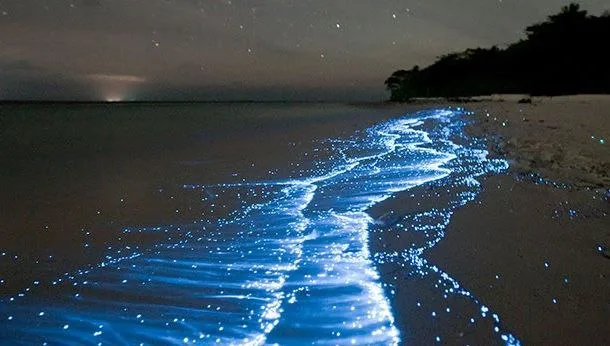
Mosquito Bay Beach is a secluded beach in Vieques, Puerto Rico, known for calm waters and scenic views. Home to the brightest bioluminescent bay in the world as certified by Guinness World Records. Facilities include parking.
- Scenic
- Secluded
- ✓ Equipment Rental
- ✓ Parking
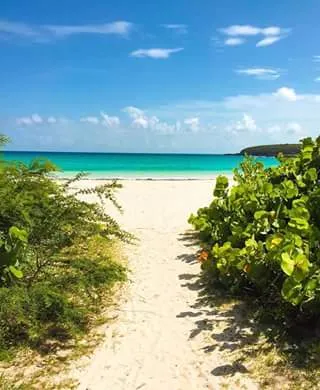
Short path.
Visit during a new moon for peak bioluminescence.
The bay is shallow and calm, making it safe for kayaking.
Swim with a buddy and know your limits.
Small gravel lot at the bay entrance fits about 20 cars. Tour operators often provide shuttle pickup from accommodations in Vieques, which is recommended.
Ways to experience Mosquito Bay Beach
Bookable tours and activities at and around this beach.
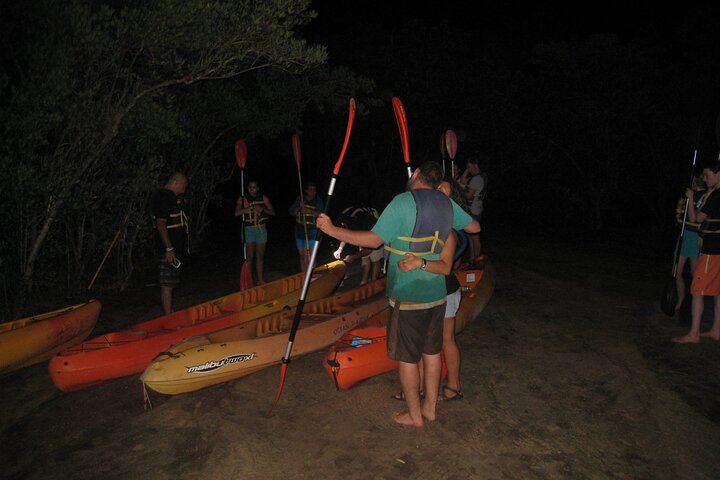 Viator photoVieques stay → Mosquito BayTop pick for this beachBioluminescent Bay Kayak Trip from ViequesAn after-dark guided paddle in clear and semi-clear-bottom kayaks on Vieques.◷ About 2 hours✓ Free cancellationFrom $65Check availability ↗
 Viator photoPopular near this beachVieques: Sea Turtle Snorkeling Small-Group, Photos & Snacks⚠️IMPORTANT: This activity takes place on the island of Vieques, Puerto Rico. Guests must take the ferry ⛴️ to Vieques in order to participate in the…◷ About 2 hours✓ Free cancellationFrom $89Check availability ↗Browse more tours on Viator ↗
We may earn a commission when you book through Viator links, at no extra cost to you.
About Mosquito Bay Beach
Home to the brightest bioluminescent bay in the world as certified by Guinness World Records. Millions of glowing dinoflagellates illuminate the water after dark, best viewed by kayak during new moon phases when darkness enhances the electric blue glow. This natural phenomenon is unique to Vieques and occurs year-round, with peak visibility between November and June. The bay's shallow, calm waters and surrounding red mangrove forests create a self-sustaining ecosystem found nowhere else on Earth.
Local tips
What to Bring+
Sun Protection & Hydration:
- Reef-safe sunscreen (SPF 30 or higher) – do NOT apply before kayaking, as chemicals harm dinoflagellates
- Reusable water bottle – bring plenty of water, as no vendors are available at the beach
- Hat or visor for sun protection; Puerto Rico's tropical sun is intense between 10 AM and 2 PM
Clothing & Safety:
- Swimsuit – you will get wet during the kayak tour
- Water shoes – protect your feet in the shallow bay
- Light cover-up or rashguard for UV protection while kayaking
- Life jacket – provided by your licensed tour operator; all kayaking is guided only
Food & Supplies:
- Meals and snacks – there are no food vendors at or near the beach; pack what you need in a cooler
- Portable beach umbrella or pop-up shade tent – natural shade is limited
- First aid kit with basic supplies
Photography & Optional Gear:
- Camera with extra batteries – the bioluminescent glow is worth capturing
- Tripod for steady shots of the glowing water
- Binoculars for coastal wildlife viewing
History & Background+
Mosquito Bay Beach is located in the municipality of Vieques, an island municipality 8 miles off the southeast coast of Puerto Rico. Formerly used by the US Navy, the area has been transformed into a nature and beach destination. The surrounding waters are influenced by both Atlantic and Caribbean currents, and the relative isolation has preserved the natural coastal environment.
Certified by Guinness World Records, Mosquito Bay contains millions of dinoflagellate organisms that produce an electric blue glow when the water is disturbed after dark. The bioluminescence is most visible during new moon phases when there is no moonlight competing with the glow. The bay is fringed by red mangrove forests that provide nutrients to sustain the massive dinoflagellate population, creating a self-sustaining ecosystem unique to this location and representing a natural phenomenon that draws visitors from around the world.
Nearby Attractions+
Mosquito Bay Beach is situated in Vieques, which offers several attractions and experiences beyond the beach itself. The island combines natural wonders, local culture, and fresh cuisine in a laid-back setting.
- Sun Bay Beach – Another popular swimming and snorkeling destination on the island with different coastal character
- Playa Blaydin – Alternative beach for exploration if you have time for beach hopping
- Punta Arenas (Green Beach) – Secluded beach with unique features worth visiting
- Isabel Segunda – The main town of Vieques, a short drive away; features a central plaza with church, local shops, and cafes representing everyday Puerto Rican town life
- Local Restaurants & Kiosks – Traditional Puerto Rican fare at roadside chinchorros including fresh seafood, mofongo (mashed plantain with garlic), tostones (fried plantain slices), empanadillas, bacalaítos (codfish fritters), and piraguas (shaved ice with fruit syrup)
- Weekend Markets & Fiestas Patronales – Many towns hold weekend markets and patron saint celebrations featuring live music, food, and cultural performances throughout the year
Photos
Be the first to add a photo
Recent photos help others recognize the access point, water, and parking setup.
Reviews
No Puerto Rico Beach Finder reviews yet
Share whether access was easy, how the water felt, and what the next person should know.
Planning your visit
Explore by activity
Nearby beaches
Questions
Where is Mosquito Bay Beach located?
Mosquito Bay Beach is located in Vieques, Puerto Rico. The exact coordinates are 18.09802, -65.44127. You can use GPS navigation or follow signs to Vieques and look for beach access points.
Is Mosquito Bay Beach good for swimming?
Yes, Mosquito Bay Beach is a public beach open for swimming. The beach has calm waters, making it ideal for swimming.
What facilities are available at Mosquito Bay Beach?
Mosquito Bay Beach offers the following facilities: Equipment Rental, Parking.
What activities can I do at Mosquito Bay Beach?
Popular activities at Mosquito Bay Beach include swimming, snorkeling. The beach is perfect for a day trip from Vieques.
Is there parking at Mosquito Bay Beach?
Yes, Mosquito Bay Beach has parking available.
Similar beaches
Discover more beaches
Explore 400+ beaches across the island with filters, maps, and detailed guides.
Explore all beaches