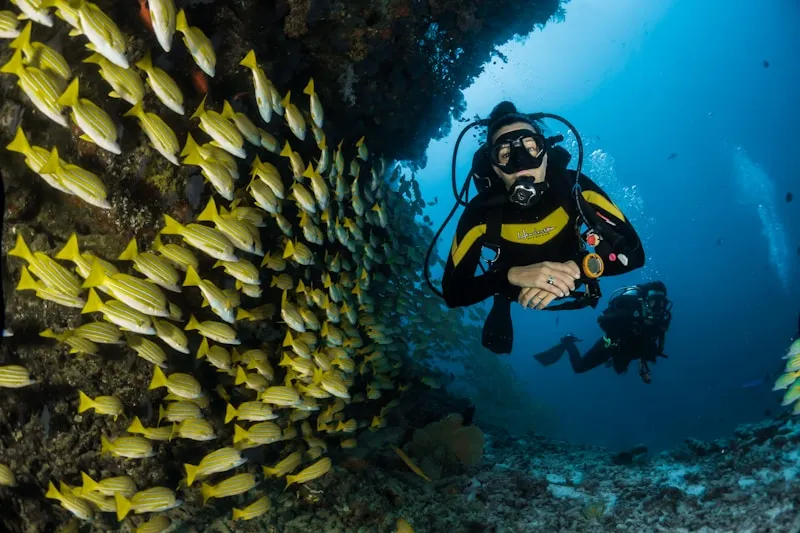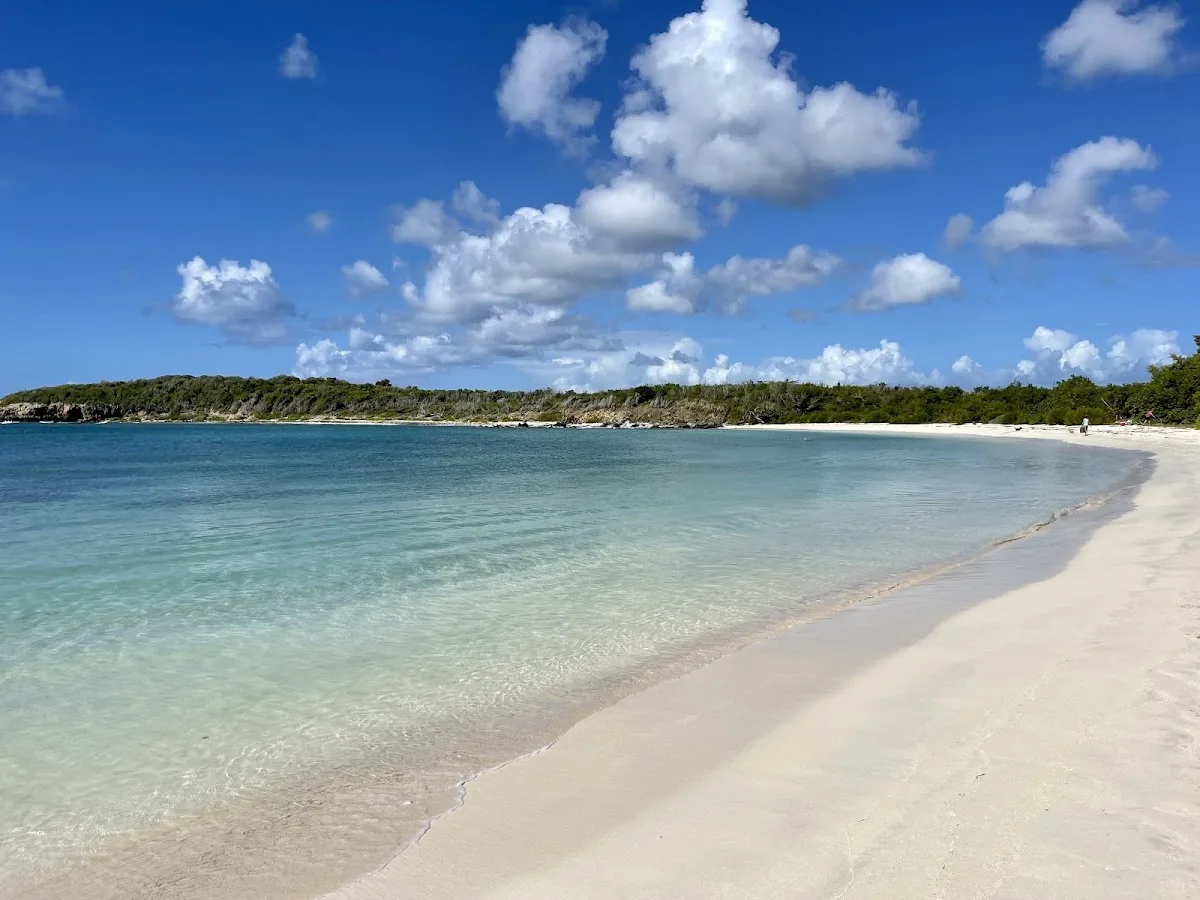
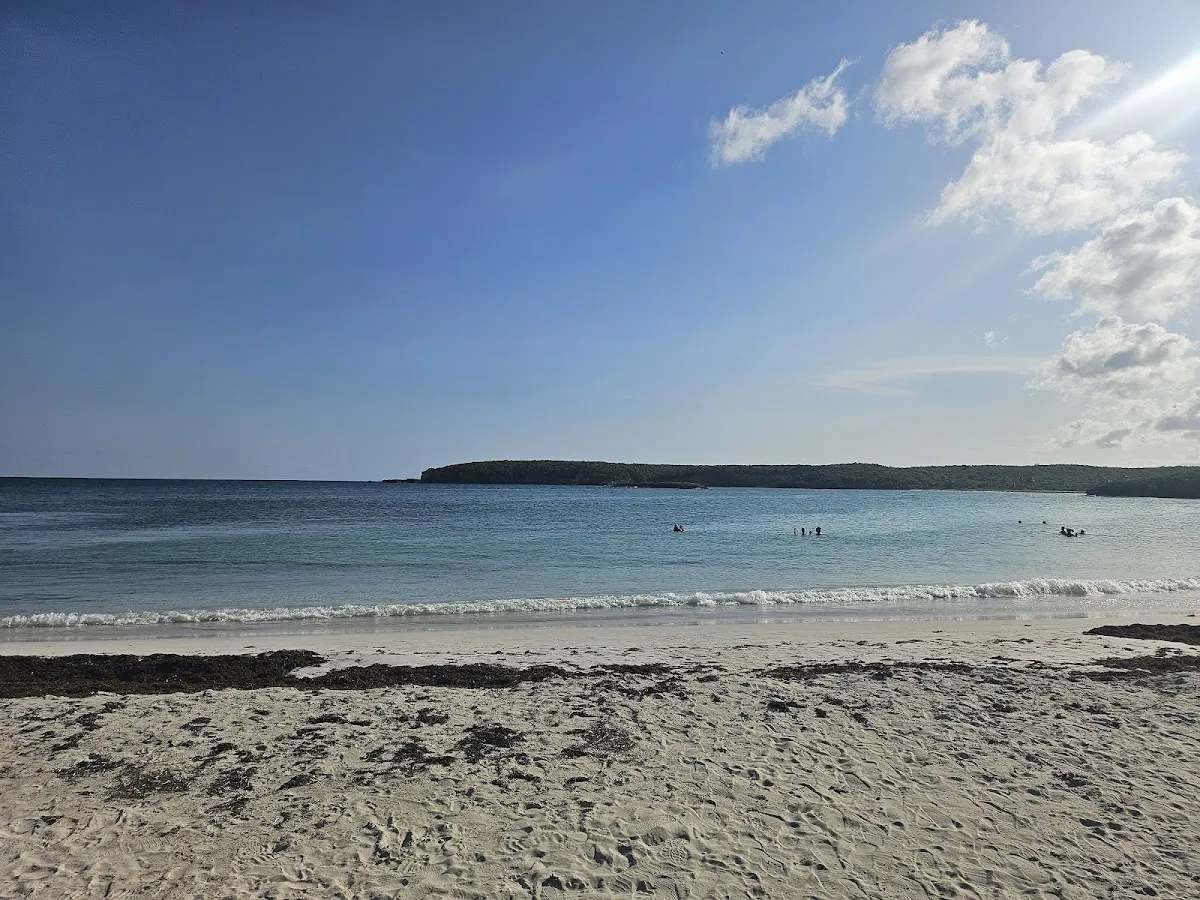
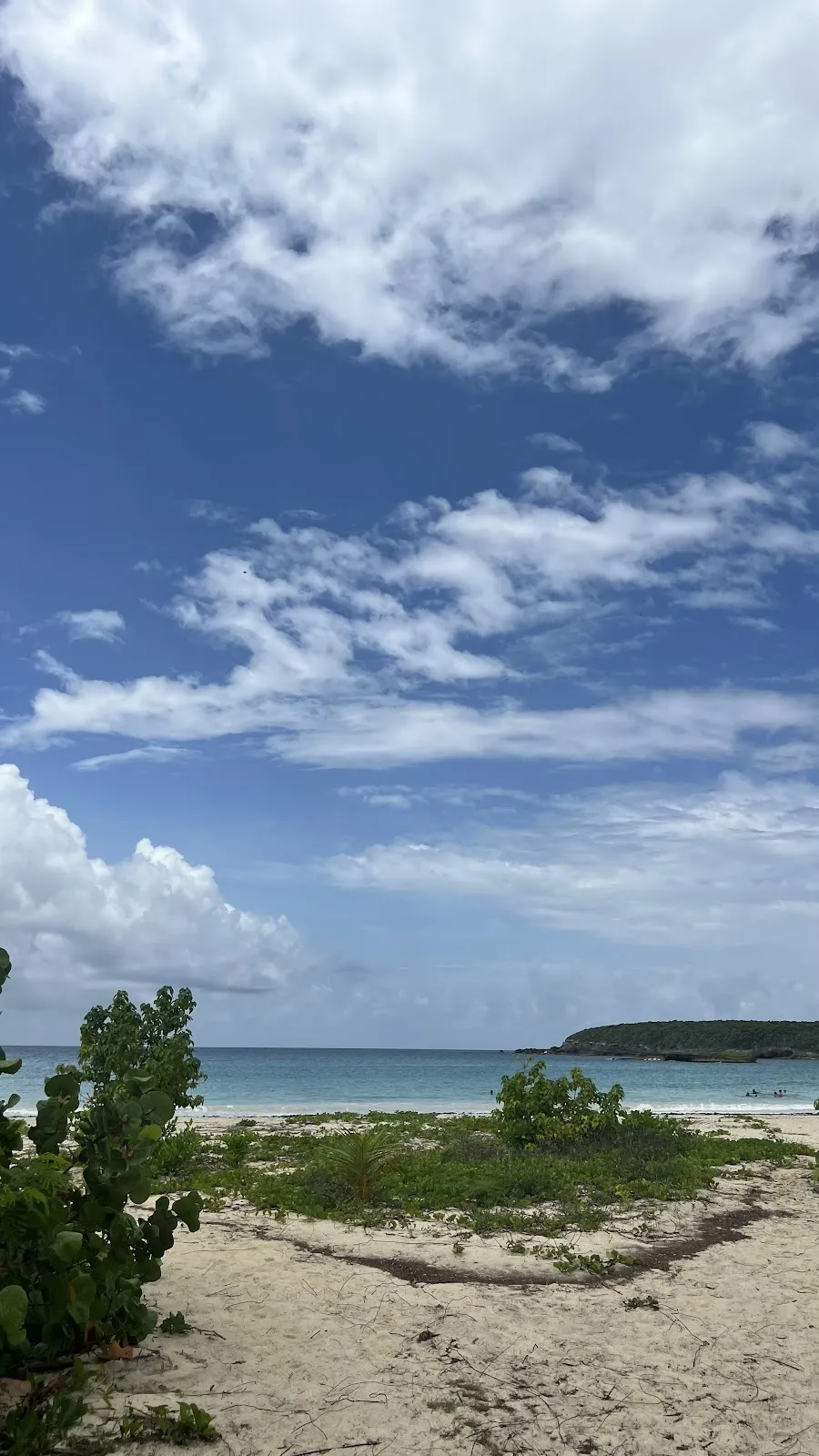
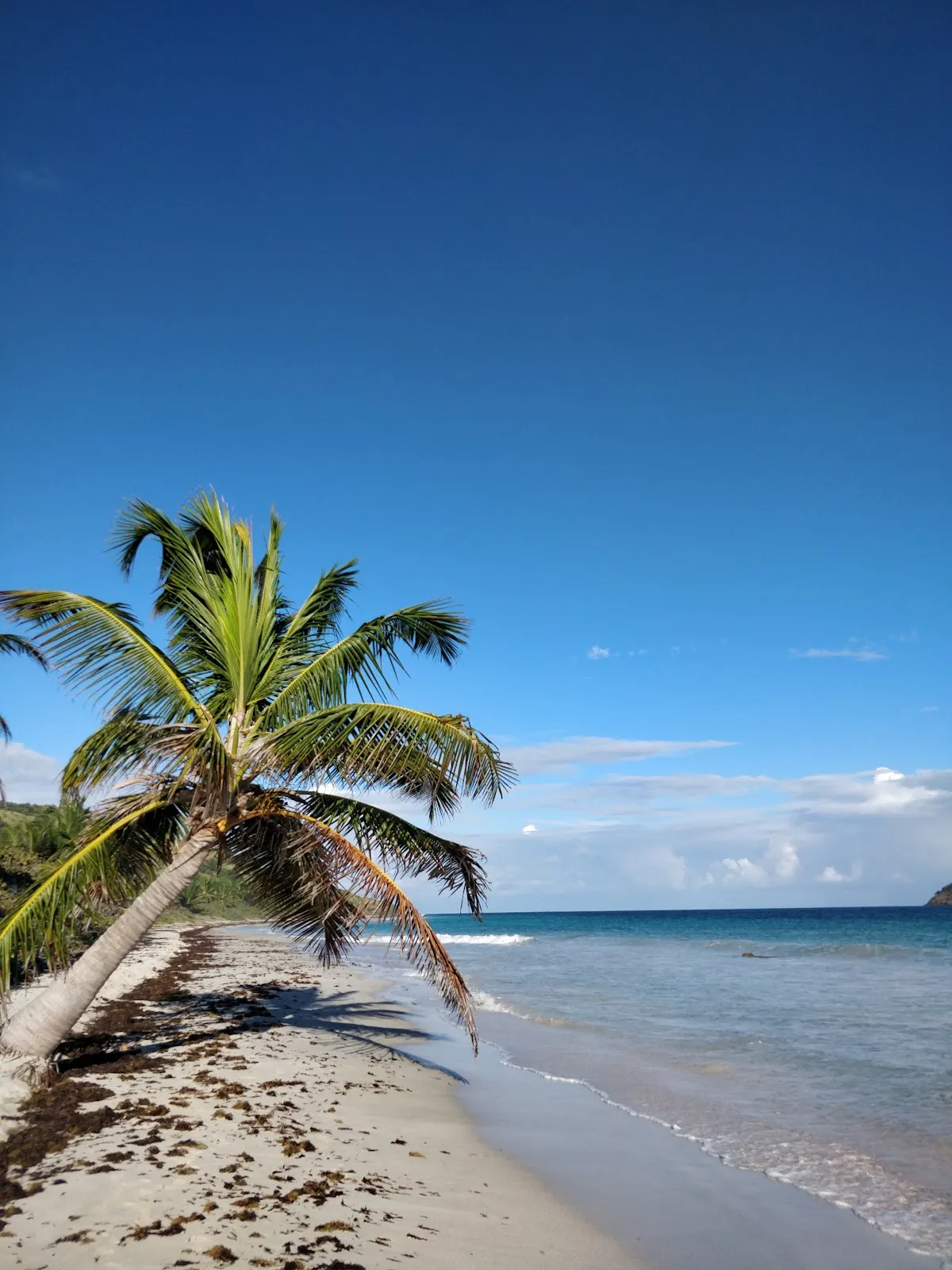
Playa Pata Prieta is a secluded beach in Vieques, Puerto Rico, known for calm waters and scenic views. Known as Secret Beach, this half-moon cove of white sand lies within the Vieques National Wildlife Refuge. Facilities include parking.
- Scenic
- Secluded
- ✓ Parking
Moderate hike.
Visit on weekday mornings for near-solitude.
Moderate hike.
Swim with a buddy and know your limits.
Small unpaved pull-off area accommodating roughly 6 to 8 vehicles. No fee. When full, there is limited shoulder space along the refuge road. Do not block the road.
Bring water, shade, and food for the day.
Ways to experience Playa Pata Prieta
Bookable tours and activities at and around this beach.
 Viator photoPopular near this beachVieques: Sea Turtle Snorkeling Small-Group, Photos & Snacks⚠️IMPORTANT: This activity takes place on the island of Vieques, Puerto Rico. Guests must take the ferry ⛴️ to Vieques in order to participate in the…◷ About 2 hours✓ Free cancellationFrom $89Check availability ↗
 Viator photoPopular near this beachPrivate Island Kayak and Snorkel Tour in ViequesDiscover the vibrant underwater world of Vieques on this unique Private Island Kayak & Snorkel Tour. Paddle from shore to a secluded snorkeling site…◷ About 1 h 30 minFrom $120Check availability ↗Browse more tours on Viator ↗
We may earn a commission when you book through Viator links, at no extra cost to you.
About Playa Pata Prieta
Known as Secret Beach, this half-moon cove of white sand lies within the Vieques National Wildlife Refuge. Despite its nickname, it draws a small but steady stream of visitors seeking turquoise waters, calm swimming conditions, and snorkeling opportunities in a secluded setting. Located on the offshore island municipality of Vieques, the beach features excellent visibility and is surrounded by protected coastal forest. A short but steep walk from the parking area is required to reach the sand.
Local tips
What to Bring+
Sun and Skin Protection:
- Reef-safe sunscreen (SPF 30 or higher) – Puerto Rico's tropical sun is intense, especially between 10 AM and 2 PM
- Hat or cap for sun protection
- Beach umbrella or pop-up shade tent – natural shade may be limited
Water and Nutrition:
- Reusable water bottle – bring plenty of water to stay hydrated during the hike and beach time
- Food and snacks – there are no food vendors at or near this beach
- Cooler to keep drinks and perishables cold
For Swimming and Snorkeling:
- Swim gear for the whole family
- Float or inflatable for lounging on the calm surface
- Snorkel, mask, and fins (if you plan to snorkel)
Safety and Practicality:
- Proper footwear with grip – the trail is steep and uneven
- First aid kit – no lifeguard or medical facilities are present
- Trash bag – pack out all waste to leave the beach as you found it
- Camera with extra battery and tripod for sunset photography
- Binoculars for coastal views
History & Background+
Playa Pata Prieta is located in the municipality of Vieques, an island municipality 8 miles off the southeast coast of Puerto Rico. Once used by the U.S. Navy, Vieques has transformed into a nature and beach destination. The surrounding waters are influenced by both Atlantic and Caribbean currents, and the relative isolation has preserved the natural coastal environment.
Known as Secret Beach, this half-moon cove of white sand lies within the Vieques National Wildlife Refuge, managed by the U.S. Fish and Wildlife Service. The beach forms a natural crescent that shields turquoise water from open ocean waves, creating a calm wading area with a white sand bottom and exceptional underwater visibility. Despite its quiet reputation, it draws a small but steady number of visitors seeking solitude and snorkeling opportunities.
A brief but steep downhill path from the roadside parking area leads to the sand, taking only a few minutes though the descent can be slippery after rain. The beach carries the character of its surroundings, reflecting the ongoing relationship between Vieques's coastal communities and the sea.
Nearby Attractions+
Playa Pata Prieta is situated in Vieques, which offers several attractions beyond the beach itself. The island combines natural beauty, local culture, and outdoor activities. Isabel Segunda, the main town, is a short drive away and offers local restaurants, shops, and a glimpse of everyday Puerto Rican life.
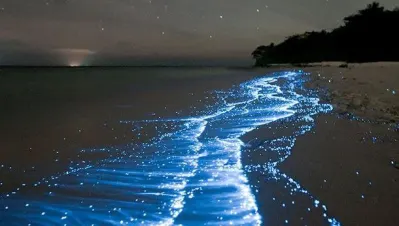
- Mosquito Bay – the brightest bioluminescent bay in the world, worth a visit if you have extra time in Vieques
- Sun Bay – another popular beach with different character and amenities
- Media Luna Beach – a crescent-shaped beach offering an alternative to Playa Pata Prieta
- Blue Beach and Navio Beach – each with distinct qualities for beach hopping if you have time
- Isabel Segunda Town Center – features a central plaza with a church, local shops, and cafes; a good place to experience everyday Puerto Rican town life
- Local Restaurants and Kiosks (Chinchorros) – serving traditional Puerto Rican fare including mofongo (mashed plantain with garlic), tostones (fried plantain slices), and fresh seafood
- Weekend Markets and Fiestas Patronales – patron saint celebrations throughout the year featuring live music, food, and cultural performances in local towns
Photos
Be the first to add a photo
Recent photos help others recognize the access point, water, and parking setup.
Reviews
No Puerto Rico Beach Finder reviews yet
Share whether access was easy, how the water felt, and what the next person should know.
Planning your visit
Explore by activity
Nearby beaches

Questions
Where is Playa Pata Prieta located?
Playa Pata Prieta is located in Vieques, Puerto Rico. The exact coordinates are 18.110954, -65.400202. You can use GPS navigation or follow signs to Vieques and look for beach access points.
Is Playa Pata Prieta good for swimming?
Yes, Playa Pata Prieta is a public beach open for swimming. The beach has calm waters, making it ideal for swimming.
What facilities are available at Playa Pata Prieta?
Playa Pata Prieta offers the following facilities: Parking.
What activities can I do at Playa Pata Prieta?
Popular activities at Playa Pata Prieta include swimming, snorkeling. The beach is perfect for a day trip from Vieques.
Is there parking at Playa Pata Prieta?
Yes, Playa Pata Prieta has parking available.
Similar beaches
Discover more beaches
Explore 400+ beaches across the island with filters, maps, and detailed guides.
Explore all beaches