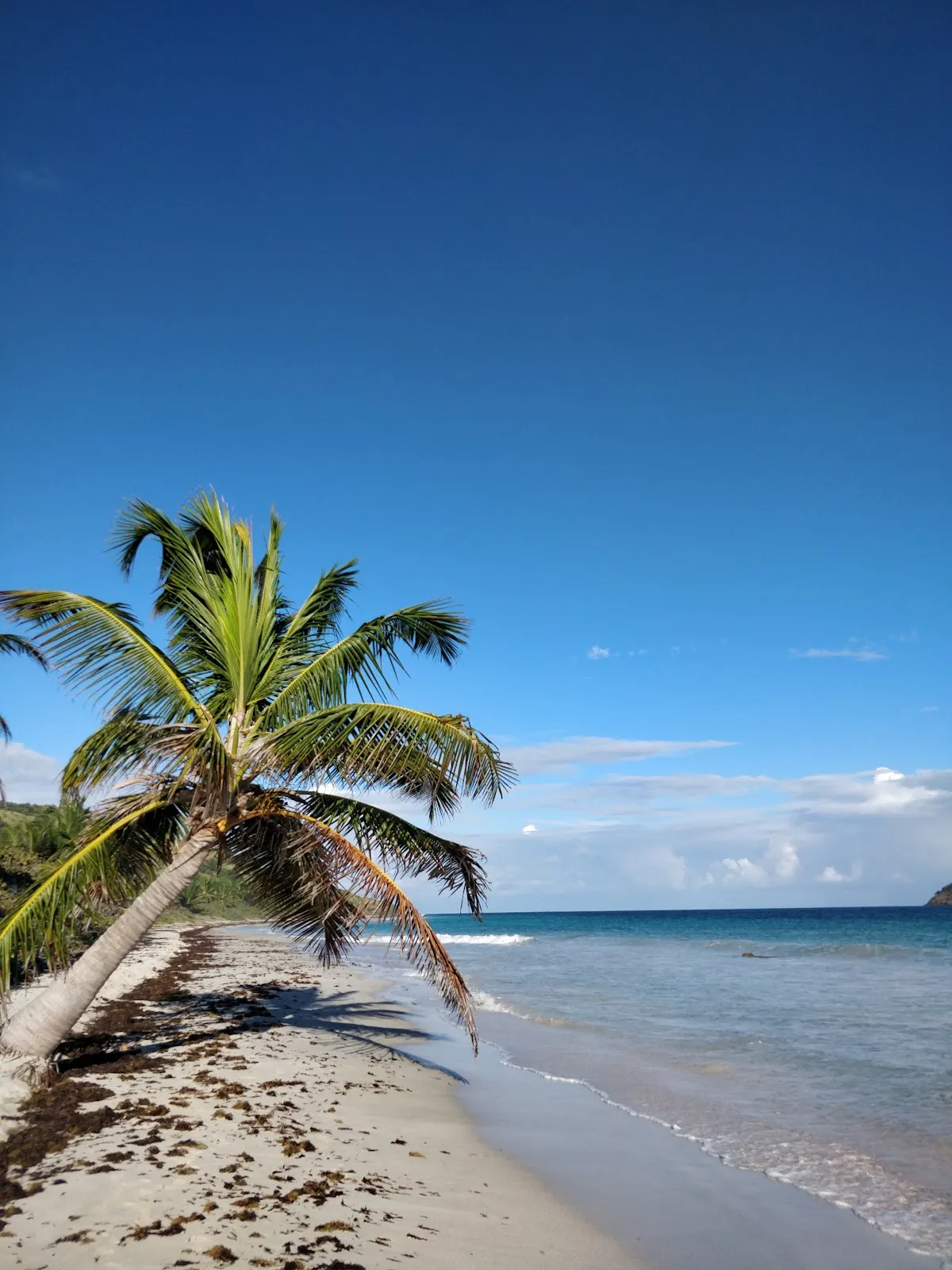
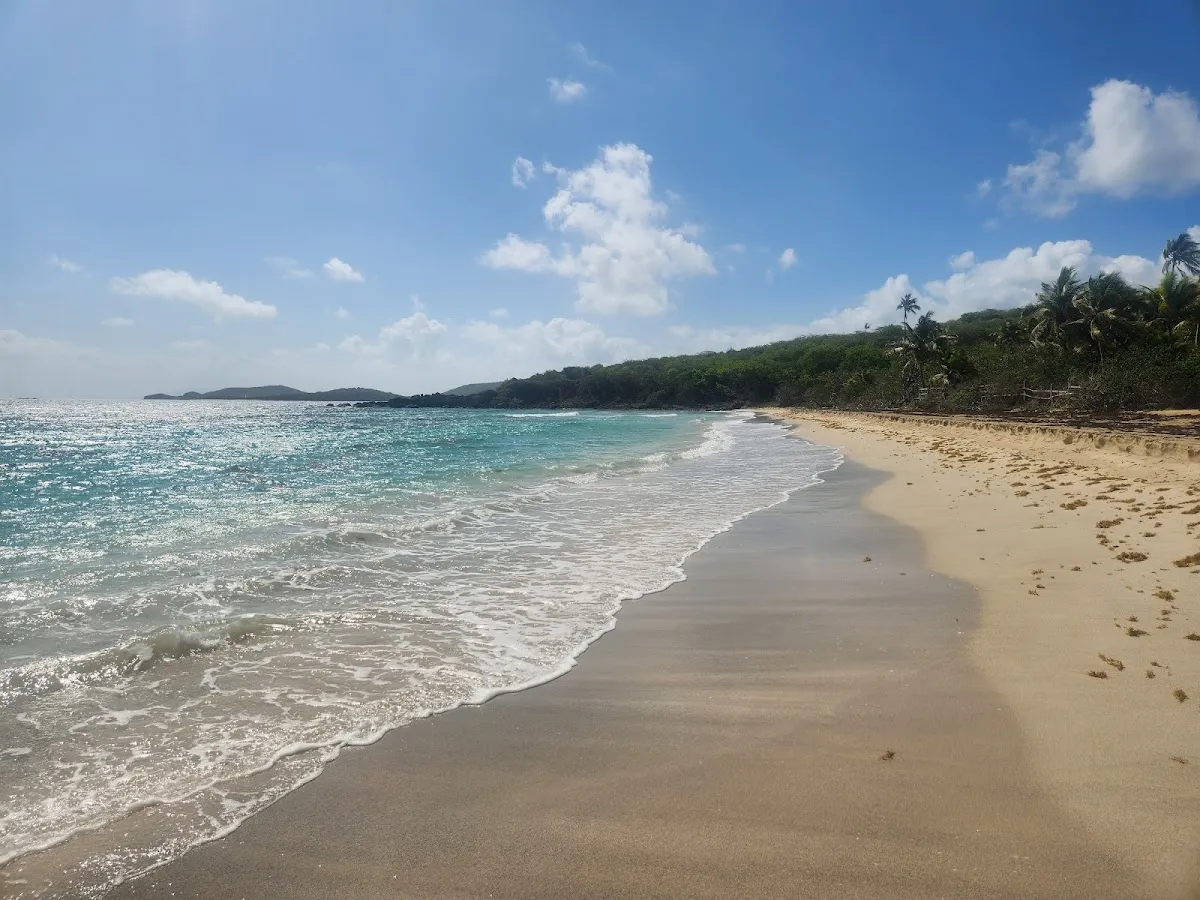
Zoni Beach is a secluded beach in Culebra, Puerto Rico, known for calm waters and scenic views. Culebra's second most popular beach on the northeast coast, offering a wider, less crowded stretch of white sand than nearby Flamenco Beach. Facilities include parking.
- Scenic
- Secluded
- ✓ Parking
Short path.
December through April offers dry weather and calm seas.
Swim with a buddy and know your limits.
Unpaved lot at the end of the road with space for roughly 15 to 20 cars. No fee. The road is paved but narrow. No overflow parking options nearby.
Bring water, shade, and food for the day.
Ways to experience Zoni Beach
Bookable tours and activities at and around this beach.
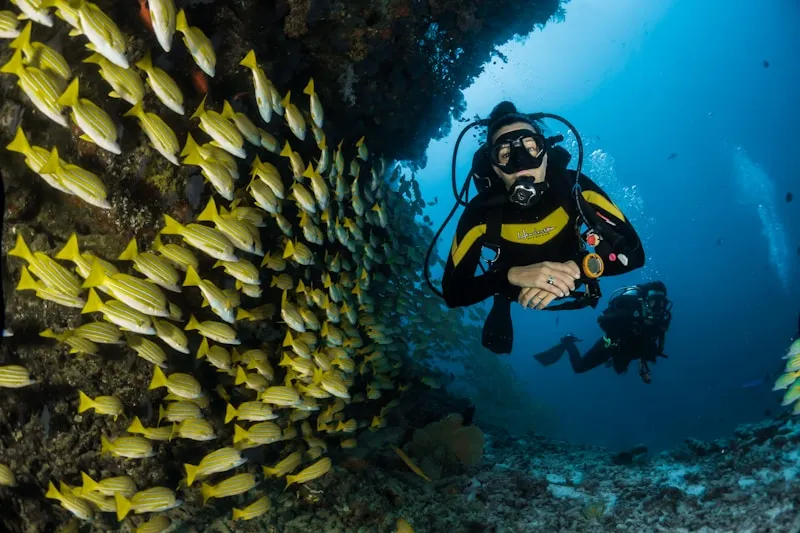
 Viator photoPopular near this beachCulebra Snorkel and Beach Day with Lunch and DrinksCome aboard a 46-ft boat for a fantastic beach and snorkeling day trip to the best beaches and snorkeling spots in the clear waters of Culebra…✓ Free cancellation✓ Lunch & drinks✓ Gear includedFrom $139Check availability ↗Browse more tours on Viator ↗
We may earn a commission when you book through Viator links, at no extra cost to you.
About Zoni Beach
Culebra's second most popular beach on the northeast coast, offering a wider, less crowded stretch of white sand than nearby Flamenco Beach. Calm waters and underwater rock formations make it ideal for snorkeling directly from shore. A seasonal sea turtle nesting site from April to June, Zoni Beach provides a secluded escape with scenic views and no facilities.
Local tips
What to Bring+
Sun and Hydration Protection:
- Reef-safe sunscreen (SPF 30 or higher)
- Reusable water bottle (bring plenty of water in a cooler; no vendors available)
- Hat or cap for sun protection
- Portable beach umbrella or pop-up shade tent (highly recommended, as natural shade may be limited)
Snorkeling and Water Activities:
- Snorkel gear (mask, fins, snorkel tube)
- Float or inflatable for lounging on calm waters
- Swim gear for the whole family
Food and Supplies:
- Meals and snacks (there are no food vendors at or near the beach)
- First aid kit
Photography and Documentation:
- Camera with extra battery
- Tripod for sunset shots
- Binoculars for coastal views
Important Note: There are no lifeguards or facilities of any kind at Zoni Beach. Pack all supplies you will need in advance.
History & Background+
Zoni Beach is located in the municipality of Culebra, a small island municipality 17 miles east of mainland Puerto Rico, accessible by ferry from Ceiba or small plane. As an offshore island, this area offers a different pace from the mainland, with waters influenced by both Atlantic and Caribbean currents that have preserved the natural coastal environment.
Zoni offers a longer and wider stretch of white sand than nearby Flamenco Beach, with far fewer visitors, giving it a spacious and undisturbed feel even during peak travel months. From April through June, leatherback sea turtles nest along this stretch of coast, and visitors may see nesting activity at dusk or hatchlings heading to sea at dawn. Underwater rock formations and coral patches along the beach edges support marine life including sea fans, parrotfish, and occasional sea turtles, accessible directly from shore.
Nearby Attractions+
Zoni Beach is situated in Culebra, which offers several attractions beyond the beach itself. The island municipality features unique coastal and cultural experiences worth exploring:
- Flamenco Beach: Culebra's most popular beach, well worth a visit if you have extra time for comparison.
- Culebra National Wildlife Refuge: A protected area offering insight into the island's natural ecosystems.
- Dewey (town center): The only town on the island, a short drive away, featuring a central plaza with a church, local shops, and cafes—a good place to experience everyday Puerto Rican town life.
- Local restaurants and roadside kiosks (chinchorros): Serving traditional Puerto Rican fare including fresh seafood, mofongo (mashed plantain with garlic), and tostones (fried plantain slices). Many beach areas have informal food stalls on weekends.
- Weekend markets and festivals: Towns hold events throughout the year, particularly during patron saint celebrations (fiestas patronales) featuring live music, food, and cultural performances.
- Other nearby beaches: Playa De Cascajo, Playa Dinero, and Sardinas II (town beach), each with a different character worth exploring if you have time for beach hopping.
Photos
Be the first to add a photo
Recent photos help others recognize the access point, water, and parking setup.
Reviews
No Puerto Rico Beach Finder reviews yet
Share whether access was easy, how the water felt, and what the next person should know.
Planning your visit
Explore by activity
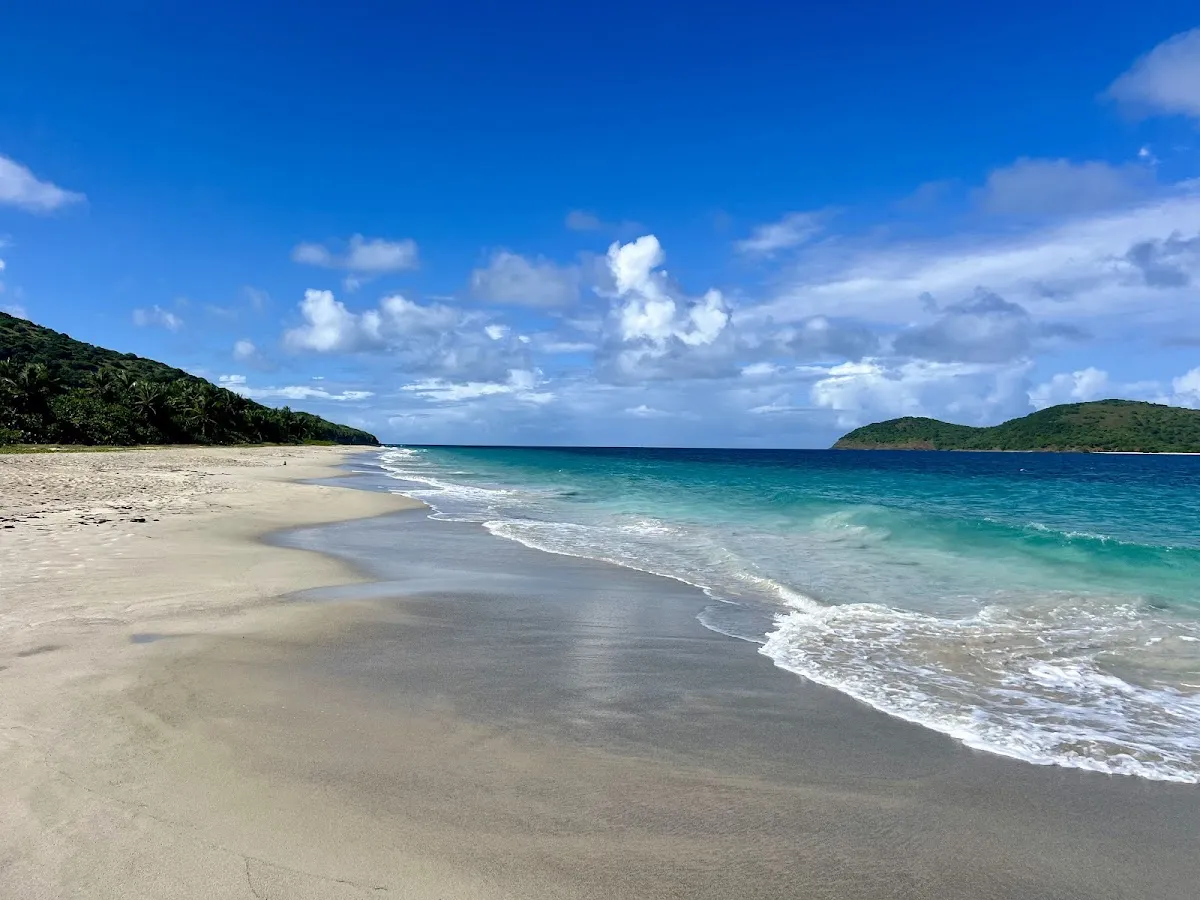
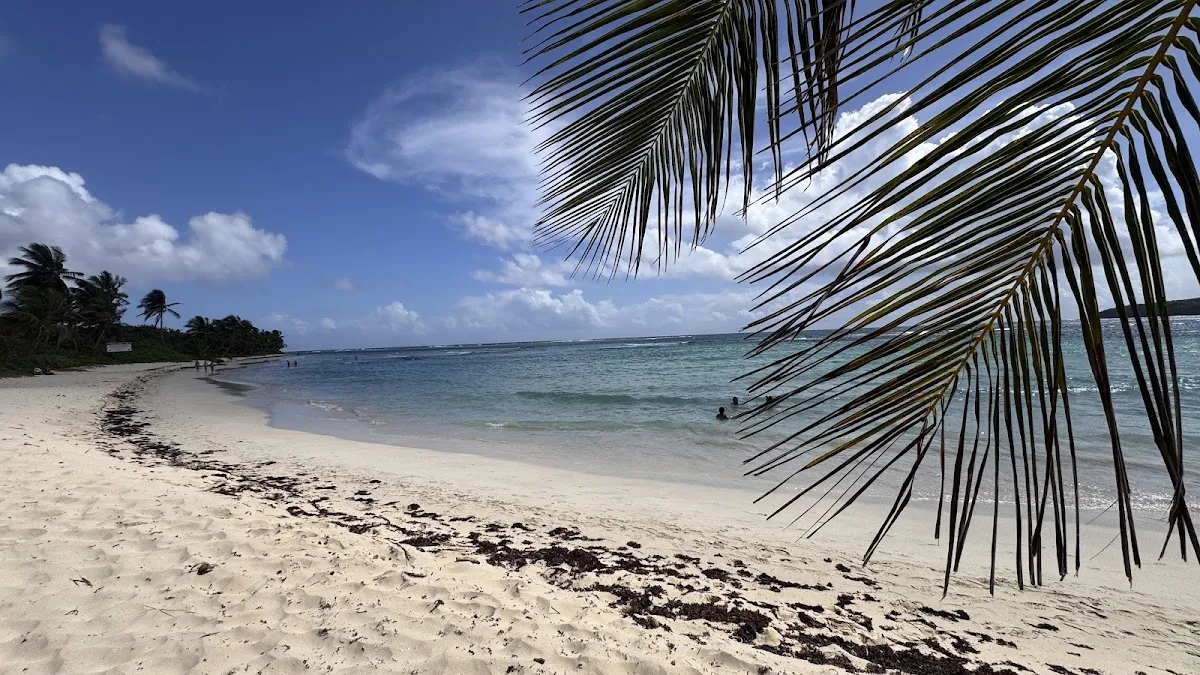
Nearby beaches

Questions
Where is Zoni Beach located?
Zoni Beach is located in Culebra, Puerto Rico. The exact coordinates are 18.319692, -65.2551024. You can use GPS navigation or follow signs to Culebra and look for beach access points.
Is Zoni Beach good for swimming?
Yes, Zoni Beach is a public beach open for swimming. The beach has calm waters, making it ideal for swimming.
What facilities are available at Zoni Beach?
Zoni Beach offers the following facilities: Parking.
What activities can I do at Zoni Beach?
Popular activities at Zoni Beach include swimming, snorkeling. The beach is perfect for a day trip from Culebra.
Is there parking at Zoni Beach?
Yes, Zoni Beach has parking available.
Similar beaches

Discover more beaches
Explore 400+ beaches across the island with filters, maps, and detailed guides.
Explore all beaches