Playa Brava Culebra, Puerto Rico
At a Glance
Playa Brava is a secluded beach in Culebra, Puerto Rico, known for scenic views and its secluded atmosphere. A remote and rugged north-coast beach on Culebra, accessible only by a challenging 20-30 minute hike through tropical terrain.
About Playa Brava
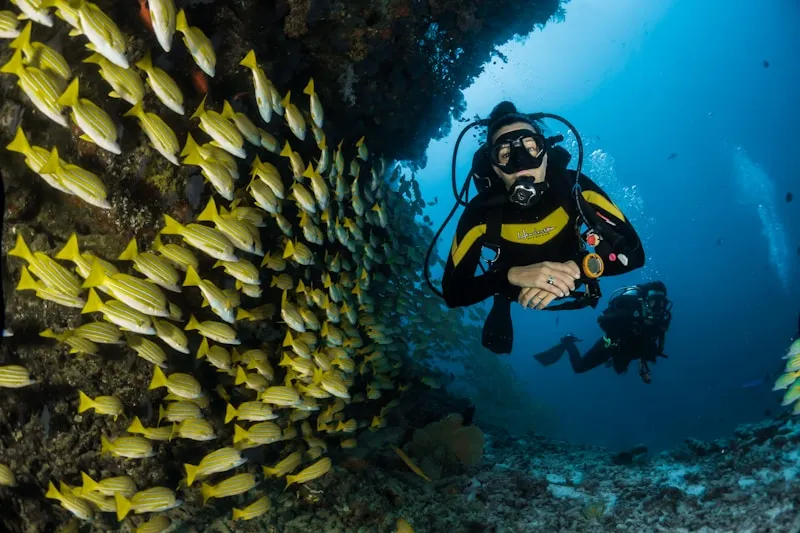
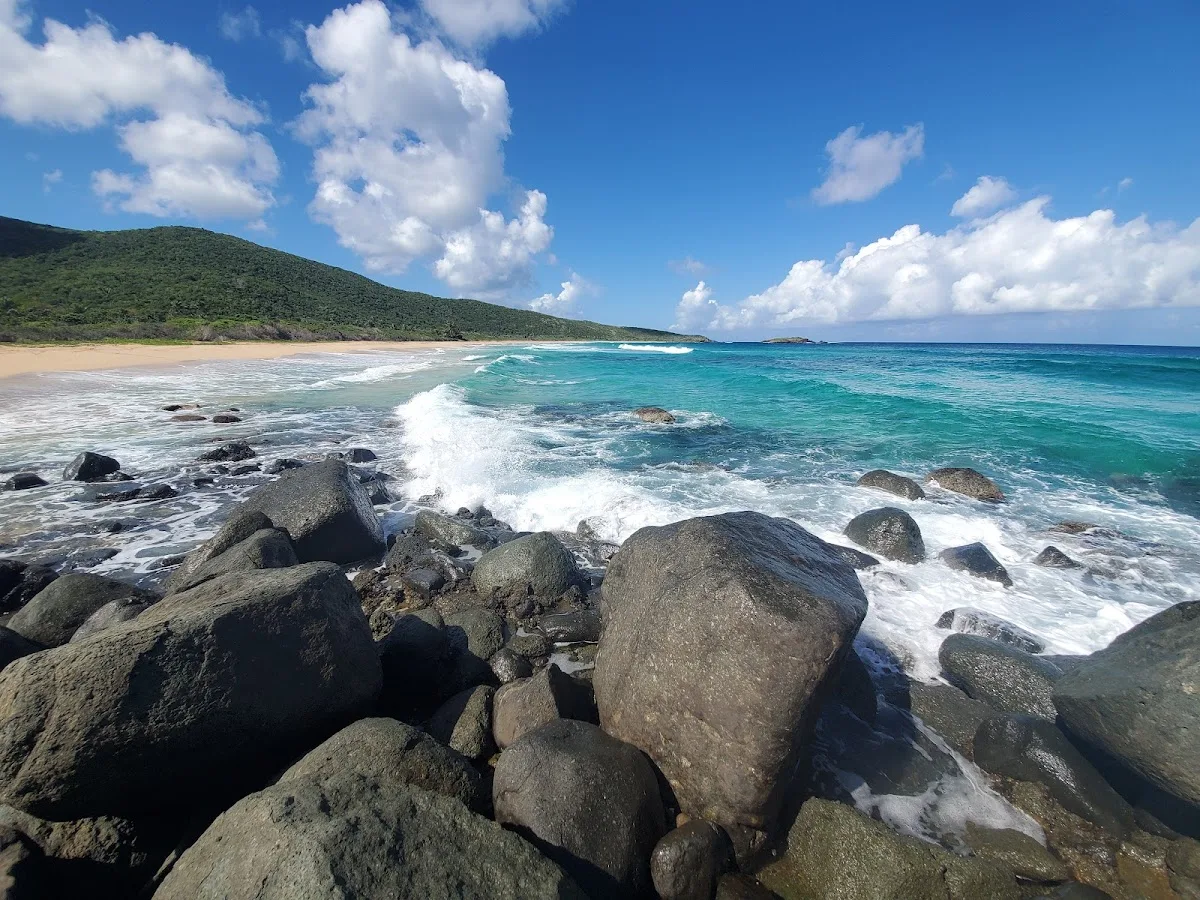
A remote and rugged north-coast beach on Culebra, accessible only by a challenging 20-30 minute hike through tropical terrain. Dramatic volcanic rock formations frame the shoreline, while an offshore barrier reef creates a sheltered snorkeling zone when conditions permit. Playa Brava serves as an important sea turtle nesting site during breeding season and remains largely undeveloped, offering solitude and wild natural beauty to experienced hikers and swimmers.
Visitor Tips
- Bring snorkel gear, plenty of water, and food — there is nothing at the beach.
- The hike is unmarked in spots; use GPS or a trail app to avoid getting lost.
- Start the hike before 9 AM to avoid the heat and have the beach to yourself.
- During nesting season (April-August), do not disturb any turtle nests in the sand.
- Wear hiking shoes for the trail and switch to water shoes at the beach.
Best Time to Visit
The ideal time to visit Playa Brava depends on your priorities and comfort with challenging conditions.
- December through April (Dry Season): Most reliable conditions with lower rainfall, less muddy trails, and more calm days for safe swimming and snorkeling near the reef.
- May through November (Hurricane Season and Summer): Brings warmer temperatures but also tropical weather systems and northern swells that can make Playa Brava dangerous with powerful waves breaking onto the volcanic rock shelf.
- April through August (Sea Turtle Nesting): If visiting specifically for turtle nesting, this is the active season. Leatherback turtles tend to nest earlier (March to June), while hawksbills are more active from July through October. Nighttime visits should be coordinated through local conservation groups.
- Early Morning Hikes: Start by 7 AM to reach the beach while temperatures are comfortable and return before midday heat becomes intense. The trail has little canopy cover, and afternoon thundershowers are common May through November.
What to Bring
Water and Hydration:
- Water: Bring at least two liters per person—the hike, heat, and lack of shade will dehydrate you quickly. There are no facilities or vendors at Playa Brava.
- Electrolyte drinks: Useful for replacing minerals lost to sweating and sun exposure.
Snorkeling and Swimming:
- Snorkeling gear: If you are a confident swimmer and conditions are calm, bring your own mask, snorkel, and fins. There is no equipment rental on this side of the island.
- Water shoes: For rocky entry points at the beach.
Footwear and Sun Protection:
- Sturdy hiking shoes or trail sandals: With ankle support for the walk in. The trail has loose rock and root-covered sections that make flip-flops impractical.
- Reef-safe sunscreen: Mandatory—standard chemical sunscreens damage the coral reef system. A wide-brimmed hat and rash guard provide additional sun protection.
Food and Supplies:
- Full lunch and snacks: Pack everything you need, as there are no vendors at the beach or along the trail.
Environmental Responsibility:
- Dry bag: Keeps electronics and towels protected during the hike and at the beach.
- Trash bag: Pack out everything you carry in. This is an undeveloped conservation area, and leaving waste behind harms nesting turtles and the reef ecosystem.
History & Background
Playa Brava occupies the windward north coast of Culebra, a small island municipality roughly 17 miles east of Puerto Rico. The beach takes its name from the Spanish word for 'fierce' or 'wild,' a reference to the powerful Atlantic swells that pound this exposed shoreline. Unlike the sheltered southern beaches of Culebra, Playa Brava faces the open ocean and receives the full force of trade wind-driven waves.
The volcanic rock formations framing Playa Brava are among the oldest geological features on Culebra, composed of Cretaceous-era volcanic and sedimentary rocks. The dark, angular boulders contrast sharply with white coral sand, creating a landscape distinct from mainland Puerto Rico. Playa Brava also serves as a nesting site for hawksbill and leatherback sea turtles, with the Department of Natural and Environmental Resources monitoring activity during the breeding season from April through August.
The island's history includes significant military use. The U.S. Navy acquired large portions of Culebra in 1901 and used surrounding waters for training exercises until withdrawing in 1975 following environmental protests. The barrier reef offshore creates a partially sheltered snorkeling zone, though strong currents and the lack of lifeguard presence require experienced swimmers. The beach remains undeveloped, preserving the wild character that earned it its name.
Nearby Attractions
Culebra offers a variety of beaches and attractions within reach of Playa Brava, each with distinct characteristics suited to different visitor preferences.
- Playa Resaca: Another north-coast beach on a similar hiking trail and also a designated sea turtle nesting site. The two beaches can be combined into a longer day hike for those with the stamina.
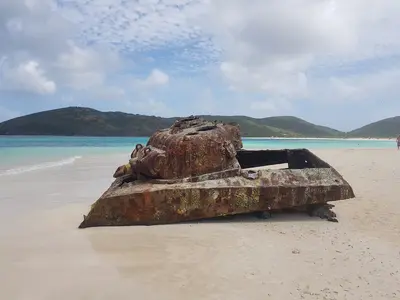
- Flamenco Beach: Culebra's most famous stretch of sand and regularly appears on lists of top Caribbean beaches. The contrast between Flamenco's calm, developed crescent and Playa Brava's rugged wildness illustrates the range of coastal environments on this small island. Flamenco has food kiosks, restrooms, and camping areas.
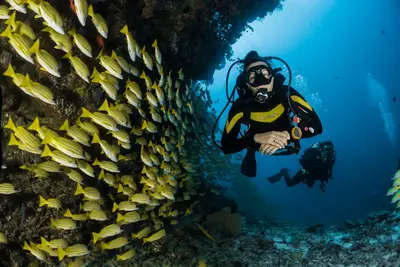
- Carlos Rosario Beach: Accessible by a short trail from Flamenco, offering some of the best snorkeling on the island with an offshore reef wall teeming with parrotfish, sergeant majors, and occasional sea turtles. Makes a good pairing if you want calmer snorkeling conditions than Playa Brava typically provides.
- Town of Dewey: Culebra's only population center has a handful of restaurants and bars worth visiting after a day of hiking. Dinghy Dock is a waterfront spot popular for sunset views and casual seafood, while Mamacita's offers cold drinks and reliable lunch plates.
- Culebra National Wildlife Refuge: Managed by the U.S. Fish and Wildlife Service, encompasses much of the island's undeveloped land and surrounding cays. Monte Resaca, the island's highest point at about 650 feet, offers panoramic views of the surrounding archipelago on clear days.
Local Tips
- Check ocean conditions: The Culebra community Facebook groups and local dive shops in Dewey can give you current information on north-coast surf. If swells are running above four feet, Playa Brava will be too rough for swimming.
- Do not rely on cell service: Coverage on Culebra is inconsistent at best, and the north coast is particularly spotty. Tell someone where you are going and when you plan to return.
- Maintain distance from sea turtles: If you encounter a sea turtle on the beach, maintain at least 30 feet of distance. Do not use flash photography or shine lights at nesting turtles, as artificial light disorients both adults and hatchlings. During nesting season, avoid walking on the upper beach where nests are typically located.
- Confirm ferry departure times: The ferry back to Ceiba has fixed departure times, and missing the last boat means an unplanned overnight on Culebra. Confirm return times before heading out, and give yourself at least an hour buffer for the hike back and the drive to the terminal.
- Bring cash: Many small businesses on Culebra do not accept credit cards or have unreliable card readers. ATM availability on the island is limited and machines sometimes run out of cash during busy weekends.
Frequently Asked Questions
Where is Playa Brava located?
Is Playa Brava good for swimming?
What facilities are available at Playa Brava?
What activities can I do at Playa Brava?
Is there parking at Playa Brava?
What is the best time to visit Playa Brava?
Practical Info
The 20-30 minute hike crosses uneven terrain with no facilities along the way. Bring at least 2 liters of water per person. No lifeguard or cell service at the beach. Snorkel within the reef-protected zone — currents beyond the reef can be strong. Never hike the trail after dark.
Planning Your Visit
Similar Beaches




Nearby Beaches
Explore by Activity
Discover More on Puerto Rico Beach Finder
Explore 460+ beaches across the island with filters, maps, and detailed guides.
Explore All Beaches