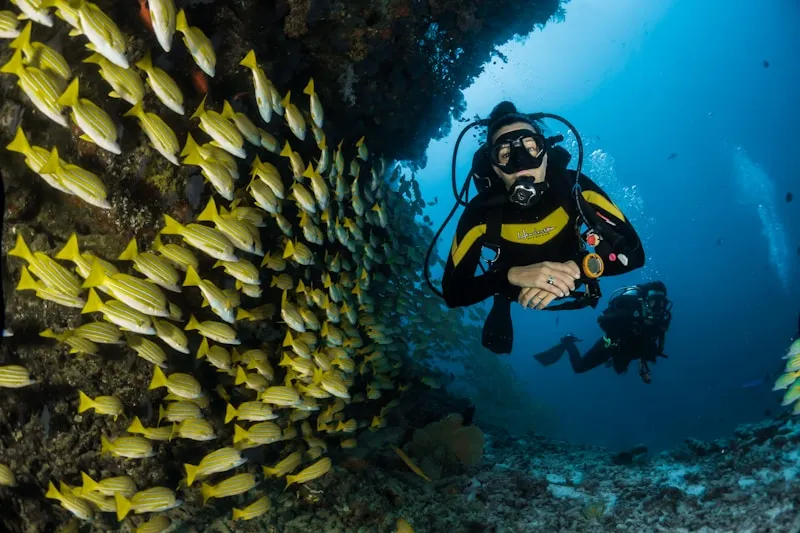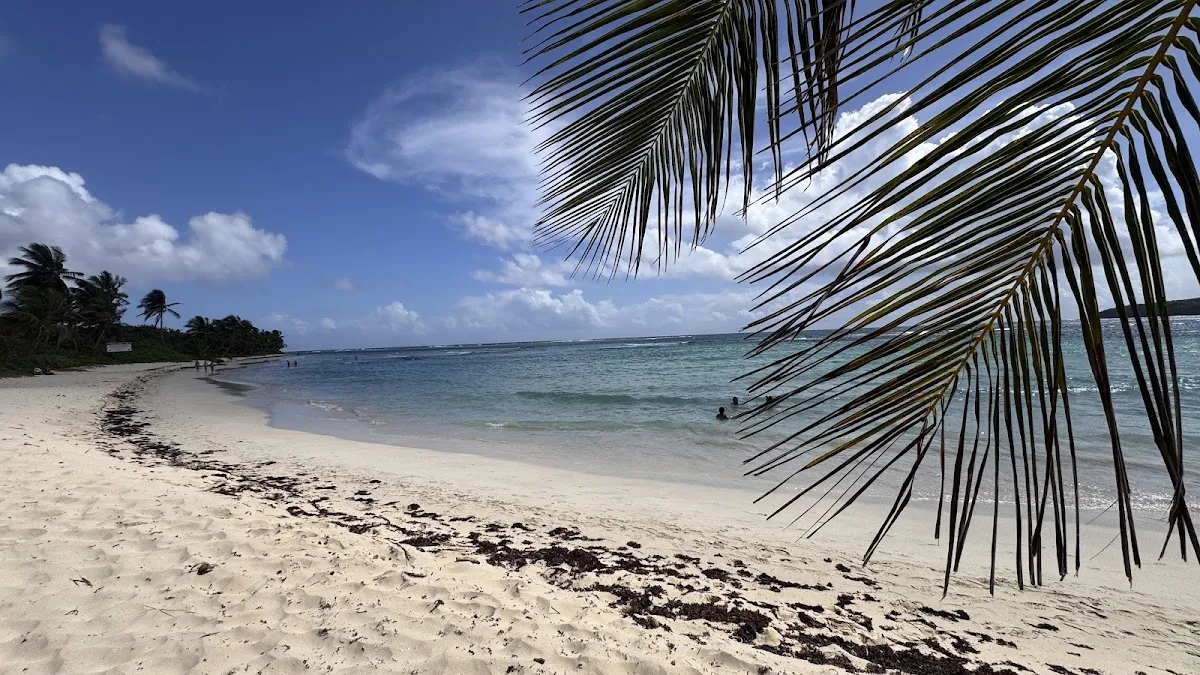
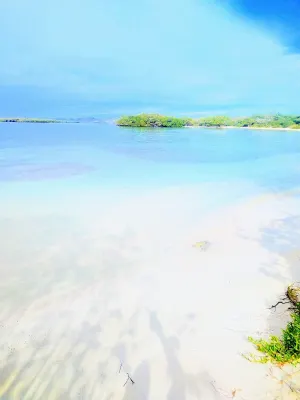
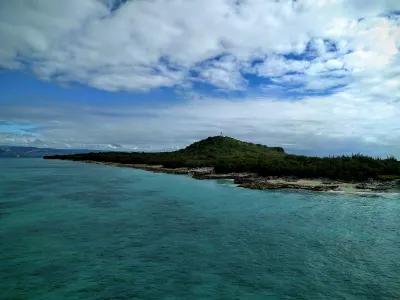
Playa Brava (Culebra) is a secluded beach in Culebra, Puerto Rico, known for scenic views and its secluded atmosphere. Playa Brava on Culebra's northern coast is a secluded, wave-exposed beach accessible only by a challenging 45-minute hike.
- Scenic
- Secluded
Hike via trail.
Best season: December through April offers the most pleasant weather with lower humidity.
Hike via trail.
Swim with a buddy and know your limits.
Access requires a hike from the nearest parking area. Park at the designated trailhead and follow the marked path to the beach. Parking is limited but usually available due to the beach's remote location.
Bring water, shade, and food for the day.
Ways to experience Playa Brava
Bookable tours and activities at and around this beach.
 Viator photoPopular near this beachCulebra Snorkel and Beach Day with Lunch and DrinksCome aboard a 46-ft boat for a fantastic beach and snorkeling day trip to the best beaches and snorkeling spots in the clear waters of Culebra…✓ Free cancellation✓ Lunch & drinks✓ Gear includedFrom $139Check availability ↗
 Viator photoPopular near this beachFull Day Charter from Fajardo to CulebraFull-Day Charter Tour Culebra:
It’s a day filled with fun, and everything is included. The tour is for up to 6 people. The day consists of visiting…◷ About 7 h 30 min✓ Free cancellationFrom $1,292Check availability ↗Browse more tours on Viator ↗
Viator photoPopular near this beachFull Day Charter from Fajardo to CulebraFull-Day Charter Tour Culebra:
It’s a day filled with fun, and everything is included. The tour is for up to 6 people. The day consists of visiting…◷ About 7 h 30 min✓ Free cancellationFrom $1,292Check availability ↗Browse more tours on Viator ↗We may earn a commission when you book through Viator links, at no extra cost to you.
About Playa Brava
Playa Brava on Culebra's northern coast is a secluded, wave-exposed beach accessible only by a challenging 45-minute hike. Named for its fierce Atlantic swells and raw coastal beauty, this undeveloped shoreline offers solitude and dramatic scenery for adventurous visitors willing to forgo facilities and crowds. Swimming is not recommended due to powerful surf and strong currents.
Local tips
What to Bring+
Hydration and sun protection:
- Water: At least two liters per person; more during hot months. No water sources or facilities exist at the beach.
- Sunscreen: High-SPF reef-safe formula, as reflected light off sand and water intensifies UV exposure.
- Sun shelter: Portable beach umbrella or large sun shelter, as there are no shade structures on the beach.
- Hat and sunglasses: Wide-brimmed hat and polarized sunglasses for additional protection.
Hiking gear:
- Footwear: Hiking shoes or trail sandals with good grip for rocky, uneven terrain.
- Backpack: Leaves hands free for scrambling over rocky sections.
- Windbreaker: Trade winds blow strongly on this exposed coast.
Camera, binoculars, and snacks:
- Camera or binoculars: For enjoying scenery and watching seabirds and sea turtles from shore. Swimming is not recommended due to powerful surf and lack of lifeguards.
- Dry bag: Protects electronics from salt spray and unexpected rain showers.
- Snacks and calories: Bring enough to fuel the round-trip hike, since nearest food options are in Dewey.
- Trash bag: Pack out everything you bring in. There are no trash receptacles at Playa Brava.
History & Background+
Playa Brava sits on the northern coast of Culebra, an island municipality shaped by centuries of colonial rule and military occupation. The Spanish Crown recognized Culebra in the late 1800s, and small fishing communities developed along its coves. Due to its rough surf and exposed position, Playa Brava was never a primary settlement, but local fishermen harvested lobster, conch, and reef fish that sustained the island's economy well into the twentieth century.
During the early 1900s, the United States Navy established a presence on Culebra for bombing practice and amphibious training. Though Playa Brava itself was not a direct target zone, residents organized massive protests throughout the 1960s and 1970s. In 1975, the Navy ceased operations following one of the earliest successful environmental justice campaigns in the Caribbean. After military departure, the beach became known to adventurous travelers seeking undeveloped shoreline and powerful waves.
The beach's name derives from the Spanish word meaning "fierce" or "wild," referencing the persistent Atlantic swells. The surrounding landscape includes dry coastal forest, sea grape trees, and manchineel vegetation. The area supports nesting sea turtles during summer months, monitored by the Department of Natural and Environmental Resources. Culebra's lack of large-scale commercial development has preserved Playa Brava in a largely natural state, with no beachfront hotels, restaurants, or facilities.
Nearby Attractions+
Culebra offers a variety of beaches and attractions within reach of Playa Brava, each with distinct characteristics suited to different visitor preferences.
- Playa Resaca: Another north-coast beach on a similar hiking trail and also a designated sea turtle nesting site. The two beaches can be combined into a longer day hike for those with the stamina.
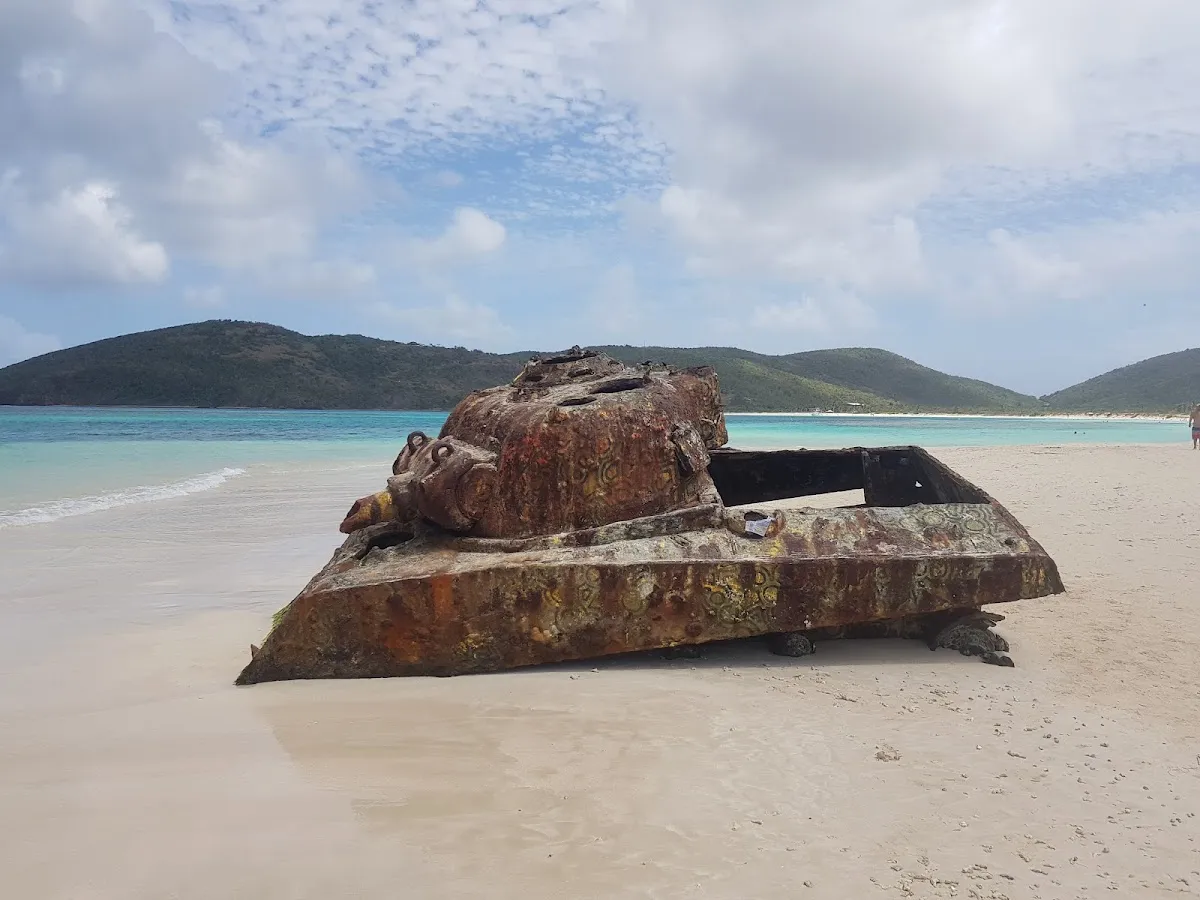
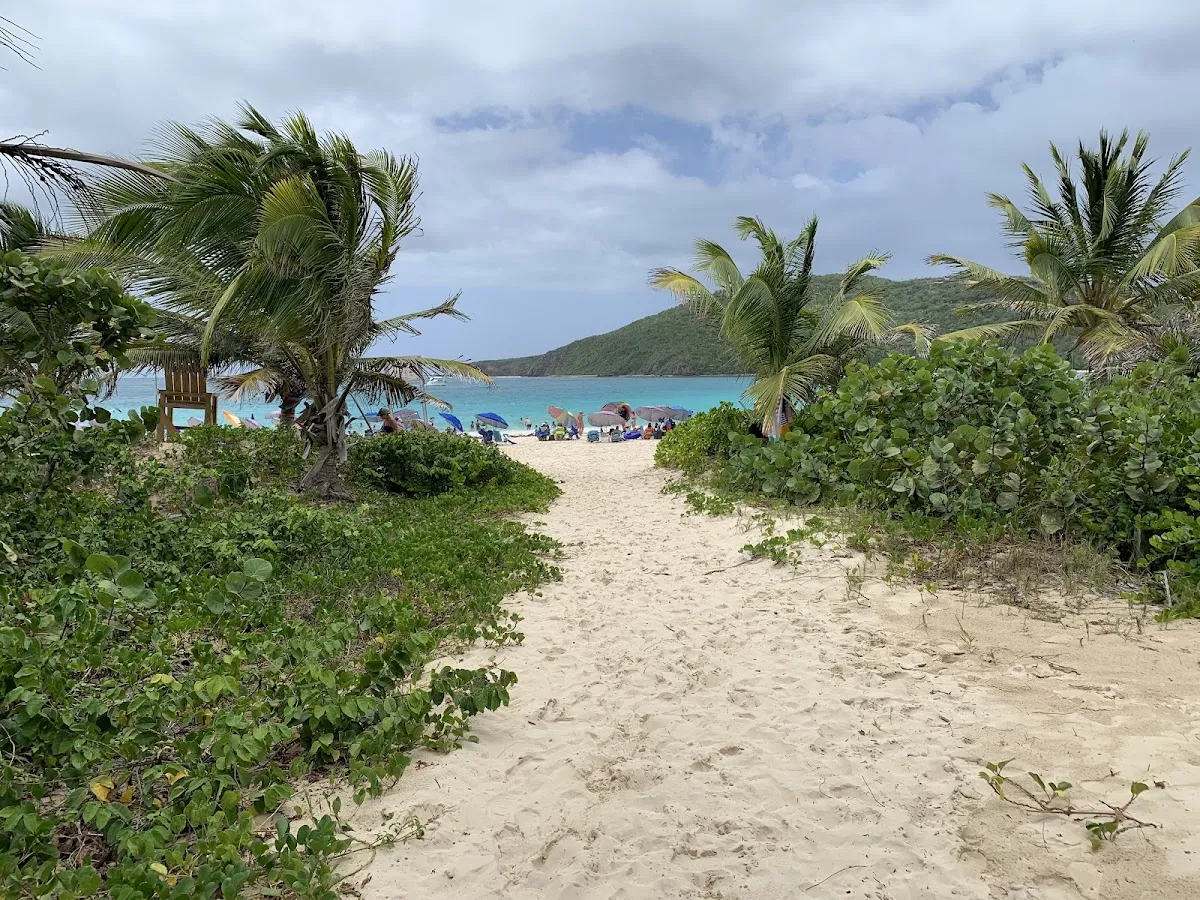
- Flamenco Beach: Culebra's most famous stretch of sand and regularly appears on lists of top Caribbean beaches. The contrast between Flamenco's calm, developed crescent and Playa Brava's rugged wildness illustrates the range of coastal environments on this small island. Flamenco has food kiosks, restrooms, and camping areas.
- Carlos Rosario Beach: Accessible by a short trail from Flamenco, offering some of the best snorkeling on the island with an offshore reef wall teeming with parrotfish, sergeant majors, and occasional sea turtles. Makes a good pairing if you want calmer snorkeling conditions than Playa Brava typically provides.
- Town of Dewey: Culebra's only population center has a handful of restaurants and bars worth visiting after a day of hiking. Dinghy Dock is a waterfront spot popular for sunset views and casual seafood, while Mamacita's offers cold drinks and reliable lunch plates.
- Culebra National Wildlife Refuge: Managed by the U.S. Fish and Wildlife Service, encompasses much of the island's undeveloped land and surrounding cays. Monte Resaca, the island's highest point at about 650 feet, offers panoramic views of the surrounding archipelago on clear days.
Photos
Be the first to add a photo
Recent photos help others recognize the access point, water, and parking setup.
Reviews
No Puerto Rico Beach Finder reviews yet
Share whether access was easy, how the water felt, and what the next person should know.
Planning your visit
Explore by activity
Nearby beaches
Questions
Where is Playa Brava (Culebra) located?
Playa Brava (Culebra) is located in Culebra, Puerto Rico. The exact coordinates are 18.3310321, -65.2870068. You can use GPS navigation or follow signs to Culebra and look for beach access points.
Is Playa Brava (Culebra) good for swimming?
Yes, Playa Brava (Culebra) is a public beach open for swimming.
What facilities are available at Playa Brava (Culebra)?
Playa Brava (Culebra) is a natural beach. Facilities may be limited, so consider bringing your own supplies.
What activities can I do at Playa Brava (Culebra)?
Popular activities at Playa Brava (Culebra) include swimming, snorkeling. The beach is perfect for a day trip from Culebra.
Is there parking at Playa Brava (Culebra)?
Parking near Playa Brava (Culebra) may be limited. It's recommended to arrive early, especially on weekends and holidays.
Similar beaches
Discover more beaches
Explore 400+ beaches across the island with filters, maps, and detailed guides.
Explore all beaches