You can only reach Cayo Icacos by boat — most visitors book a tour or water taxi from Fajardo.
- Diving
- Scenic
- Secluded
- ✓ Water Sports
Boat or water taxi from Fajardo. Most visitors book a tour. See tours →
Best season: December through April offers the most pleasant weather with lower humidity.
Tours and water taxis depart from Fajardo. See tours →
Swim with a buddy and know your limits.
Bring water, shade, and food for the day.
Tours to Cayo Icacos
The only way to reach this beach — tours depart from Fajardo.
 Viator photoFajardo → IcacosTop pick for this beachFajardo: Icacos Island Catamaran Snorkeling Tour with LunchSail from Fajardo for snorkeling, beach time, lunch and drinks at Icacos.◷ About 5 hr 30 min✓ Free cancellation✓ Lunch & drinks✓ Gear includedFrom $100Check availability ↗
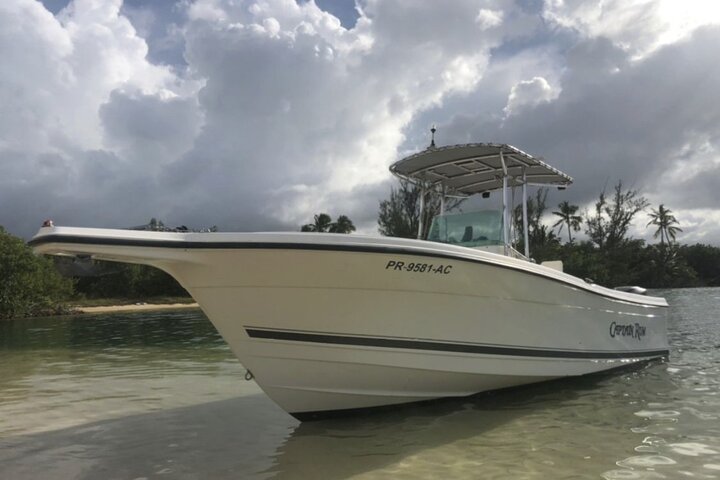 Viator photoPopular near this beachBoat trip to Palomino /Icacos /Fajardo Puerto RicoBoat tour for private groups of up to 6 people. Trip includes a visit to the sea turtles’ habitat in 2 of the following islands: Palomino Island…◷ About 4 hoursFrom $800Check availability ↗Browse more tours on Viator ↗
We may earn a commission when you book through Viator links, at no extra cost to you.
About Cayo Icacos
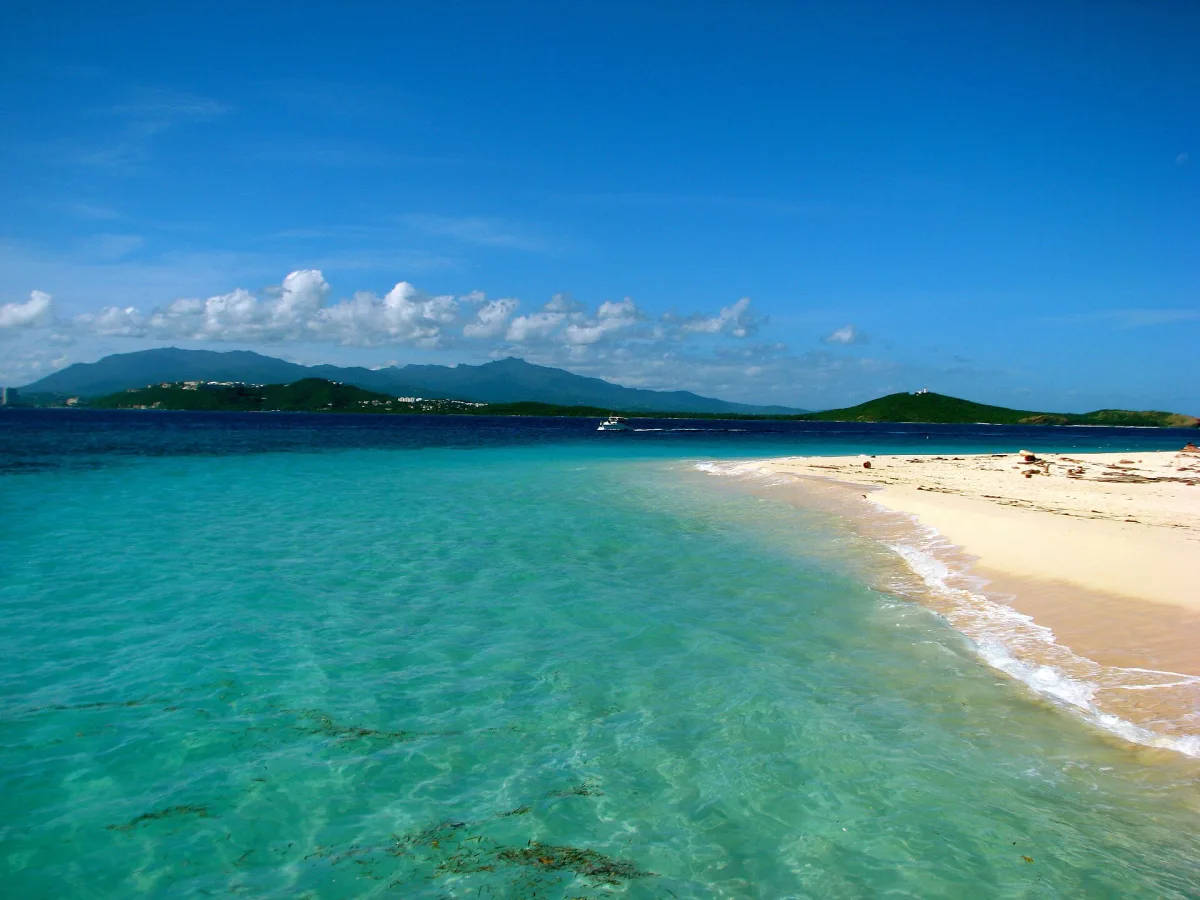
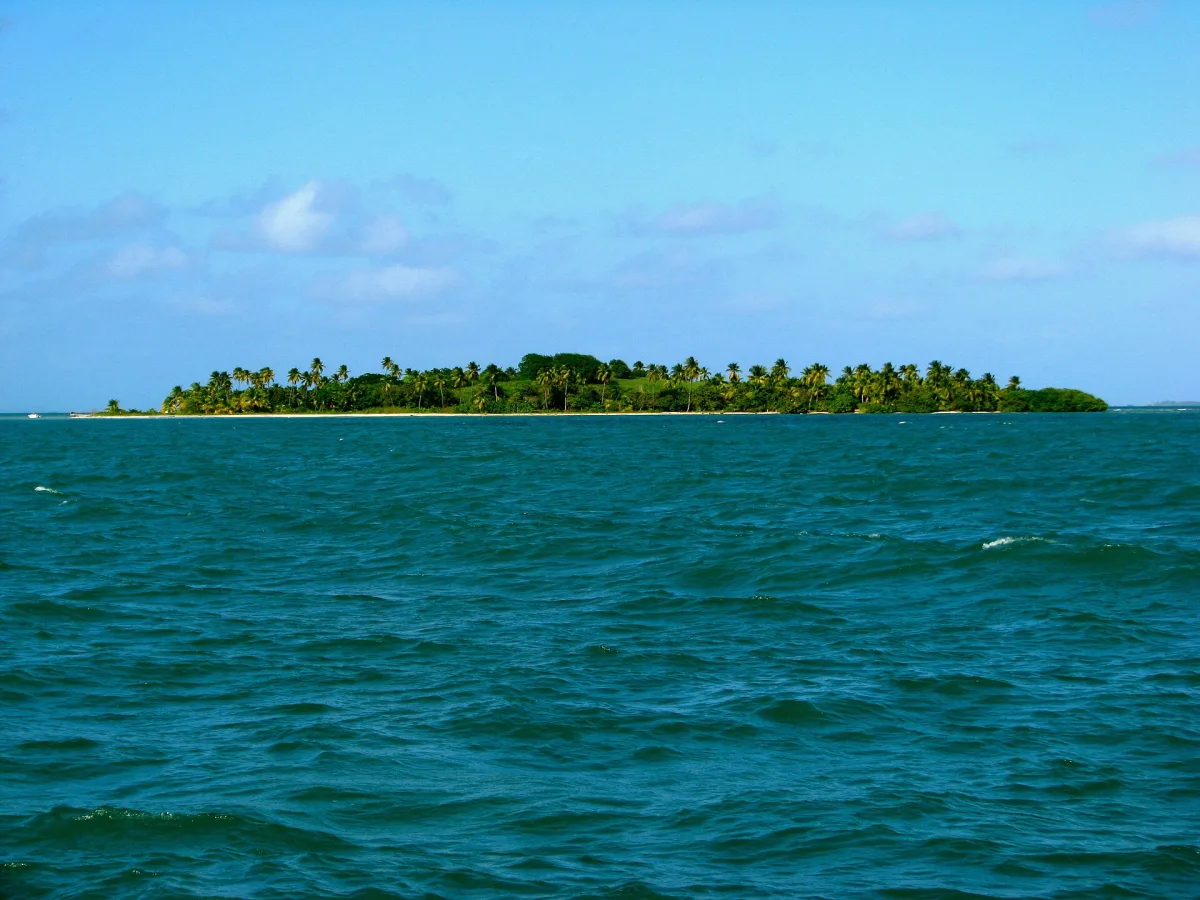
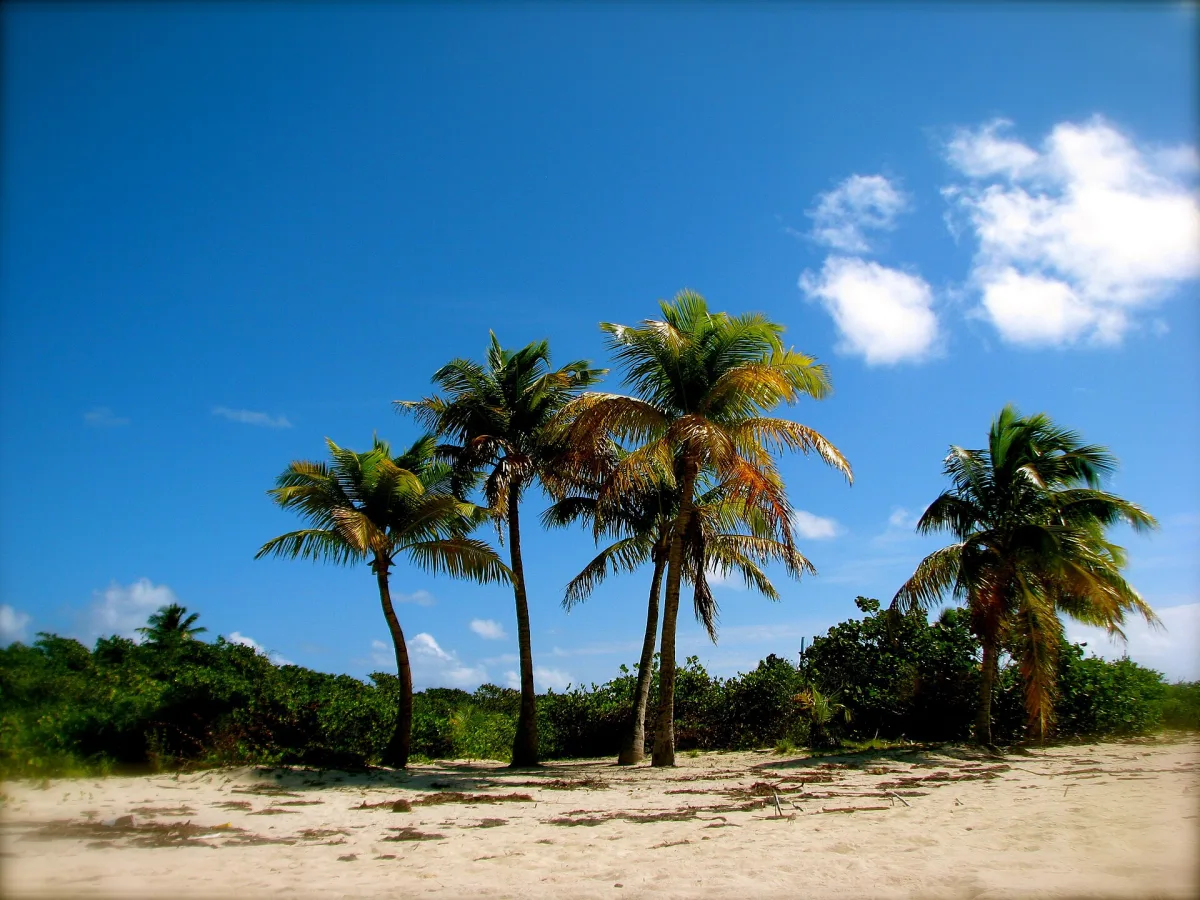
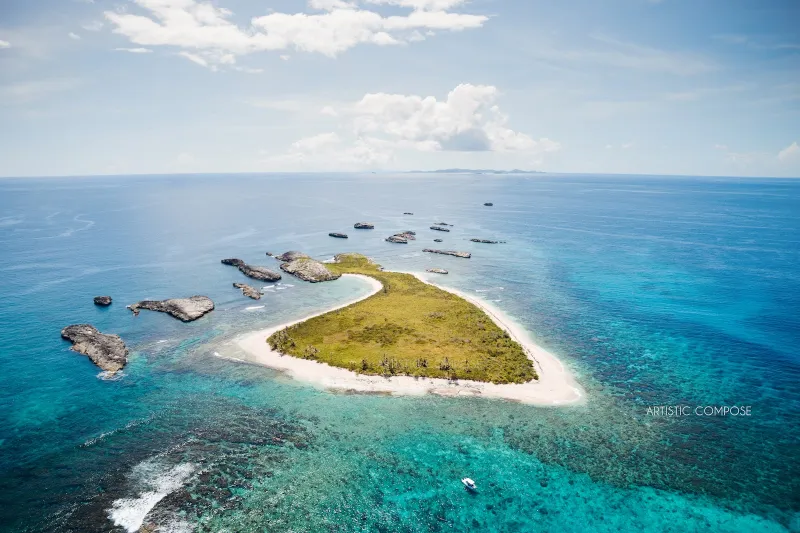
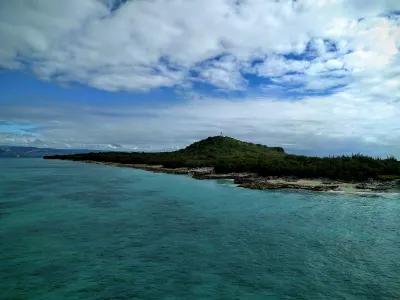
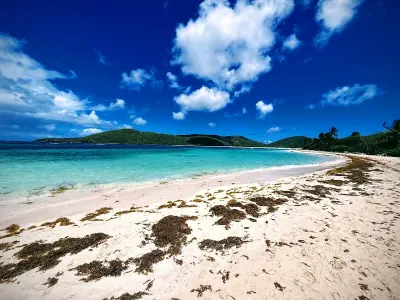
Cayo Icacos is the largest uninhabited cay of the La Cordillera nature reserve, a crescent of white sand and turquoise shallows a couple of miles off Fajardo. The sandbar shelves gently into clear water with the reef a short swim out — bring a mask, but stay for the sand itself, some of the softest on Puerto Rico's east coast.
Local tips
What to Bring+
Sun and Skin Protection:
- Reef-safe sunscreen (SPF 30 or higher)—required due to intense tropical sun and no shade on the island
- Hat or visor for sun protection
- Lightweight, long-sleeved shirt or rash guard for additional UV protection
Hydration and Food:
- Reusable water bottle (at least 2 liters per person)—dehydration is a real risk with no fresh water on the island
- Cooler with meals, snacks, and beverages—there are no food vendors at or near this beach
Snorkeling and Diving Gear:
- Personal snorkel gear (mask, snorkel, fins) or contact a local dive shop for rentals
- Dive certification card if planning to dive
Comfort and Shade:
- Portable beach umbrella or pop-up shade tent (highly recommended due to limited natural shade)
- Float or inflatable for lounging on calm waters
Documentation and Safety:
- Confirm return boat arrangements with your water taxi operator before they leave—there is no cell service on the island
- Camera with extra battery and tripod if photographing sunset or coastal views
- Binoculars for coastal wildlife viewing
History & Background+
Icacos Beach is located on Cayo Icacos, the largest cay in the protected La Cordillera Nature Reserve, a chain of uninhabited islands and coral reefs off Fajardo's northeast coast. The municipality of Fajardo sits on Puerto Rico's eastern shore, where the Atlantic Ocean and Caribbean Sea converge, making it a gateway to offshore islands and marine ecosystems.
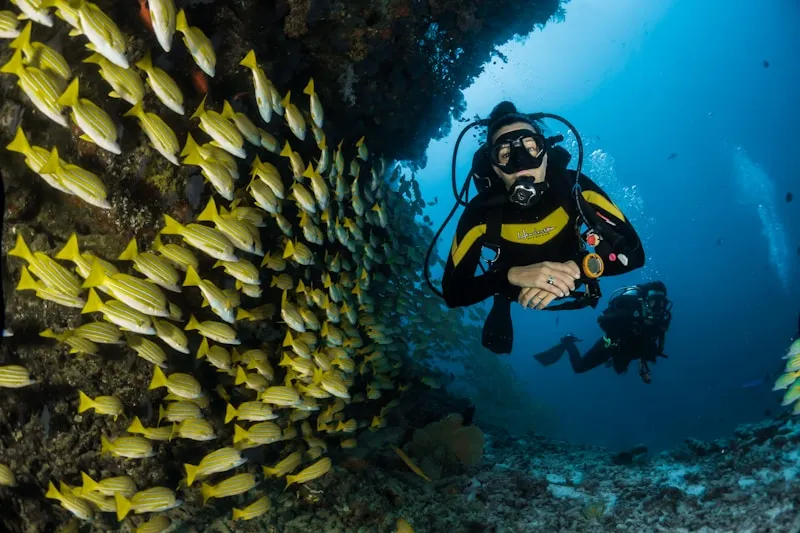
With no permanent structures, electricity, or running water, Icacos offers a true deserted-island experience just a 15-20 minute water taxi ride from Las Croabas on the Fajardo mainland. The surrounding reefs support diverse marine life including sea turtles, rays, tropical fish, and healthy coral formations in shallow water accessible directly from the beach, making it a premier destination for snorkeling and diving.
The beach reflects the ongoing relationship between Puerto Rico's coastal communities and the sea, carrying the character of its pristine natural surroundings and protected conservation status.
Nearby Attractions+
Cayo Icacos (La Cordillera) is situated in Fajardo, which offers several attractions beyond the beach itself. The town serves as a gateway to natural reserves, cultural experiences, and local dining featuring fresh Caribbean cuisine.
- Las Cabezas de San Juan Nature Reserve: A protected coastal area with hiking trails, historic lighthouse, and scenic viewpoints worth visiting if you have extra time.
- Fajardo Marina District: The departure point for boat tours, featuring restaurants, shops, and the commercial heart of the town's maritime heritage.
- Laguna Grande (Bioluminescent Lagoon): A natural wonder where microorganisms create a glowing effect at night—popular evening excursion from Fajardo.
- Luquillo Beach Area: A short drive away, offering another popular beach destination and dining options with a different character.
- Playa Canalejo, Playa Puerto Real: Alternative beaches in the Fajardo area, each with unique features worth exploring if beach hopping.
- Fajardo Town Center: Features a central plaza with church, local shops, and cafes—a good place to experience everyday Puerto Rican town life and weekend markets.
- Local Restaurants & Kiosks: Coastal towns offer fresh seafood, mofongo (mashed plantain), tostones (fried plantains), empanadillas, and bacalaítos (codfish fritters) at affordable prices—ask locals for their favorite spots.
Photos
Reviews
No Puerto Rico Beach Finder reviews yet
Share whether access was easy, how the water felt, and what the next person should know.
Planning your visit
Explore by activity
Nearby beaches
Questions
Where is Cayo Icacos (La Cordillera) located?
Cayo Icacos (La Cordillera) is located in Fajardo, Puerto Rico. The exact coordinates are 18.38634, -65.5887727. You can use GPS navigation or follow signs to Fajardo and look for beach access points.
Is Cayo Icacos (La Cordillera) good for swimming?
Yes, Cayo Icacos (La Cordillera) is a public beach open for swimming. The beach has calm waters, making it ideal for swimming.
What facilities are available at Cayo Icacos (La Cordillera)?
Cayo Icacos (La Cordillera) offers the following facilities: Water Sports.
What activities can I do at Cayo Icacos (La Cordillera)?
Popular activities at Cayo Icacos (La Cordillera) include swimming, snorkeling. The beach is perfect for a day trip from Fajardo.
Similar beaches
Discover more beaches
Explore 400+ beaches across the island with filters, maps, and detailed guides.
Explore all beaches