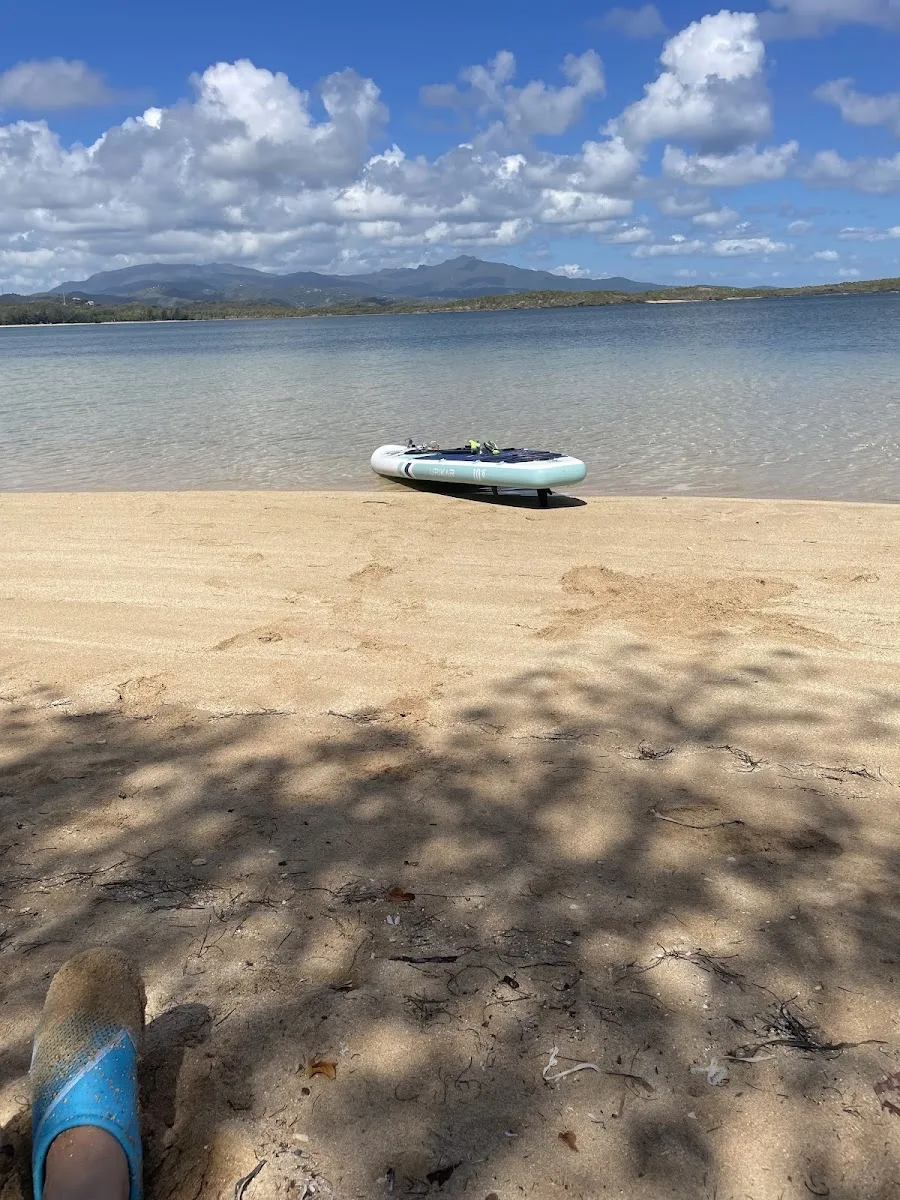
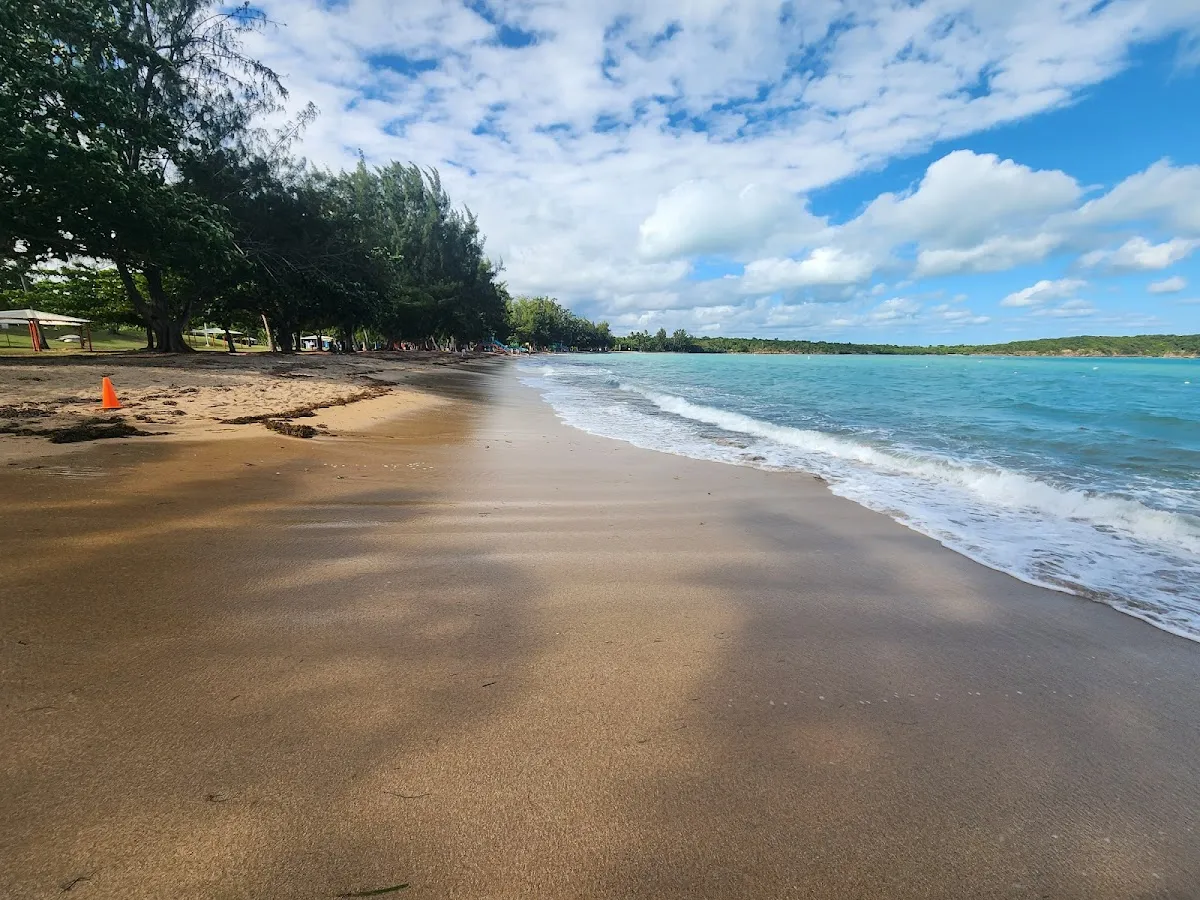
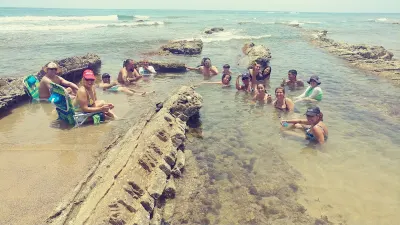
La Pocita de Mimosa is a secluded beach in Fajardo, Puerto Rico, known for scenic views and its secluded atmosphere. Remote natural beach area along Fajardo's Atlantic coastline, approximately 7 km from town center.
- Scenic
- Secluded
Moderate hike.
Calm-weather days between January and April provide the safest conditions for visiting this remote shore.
Moderate hike.
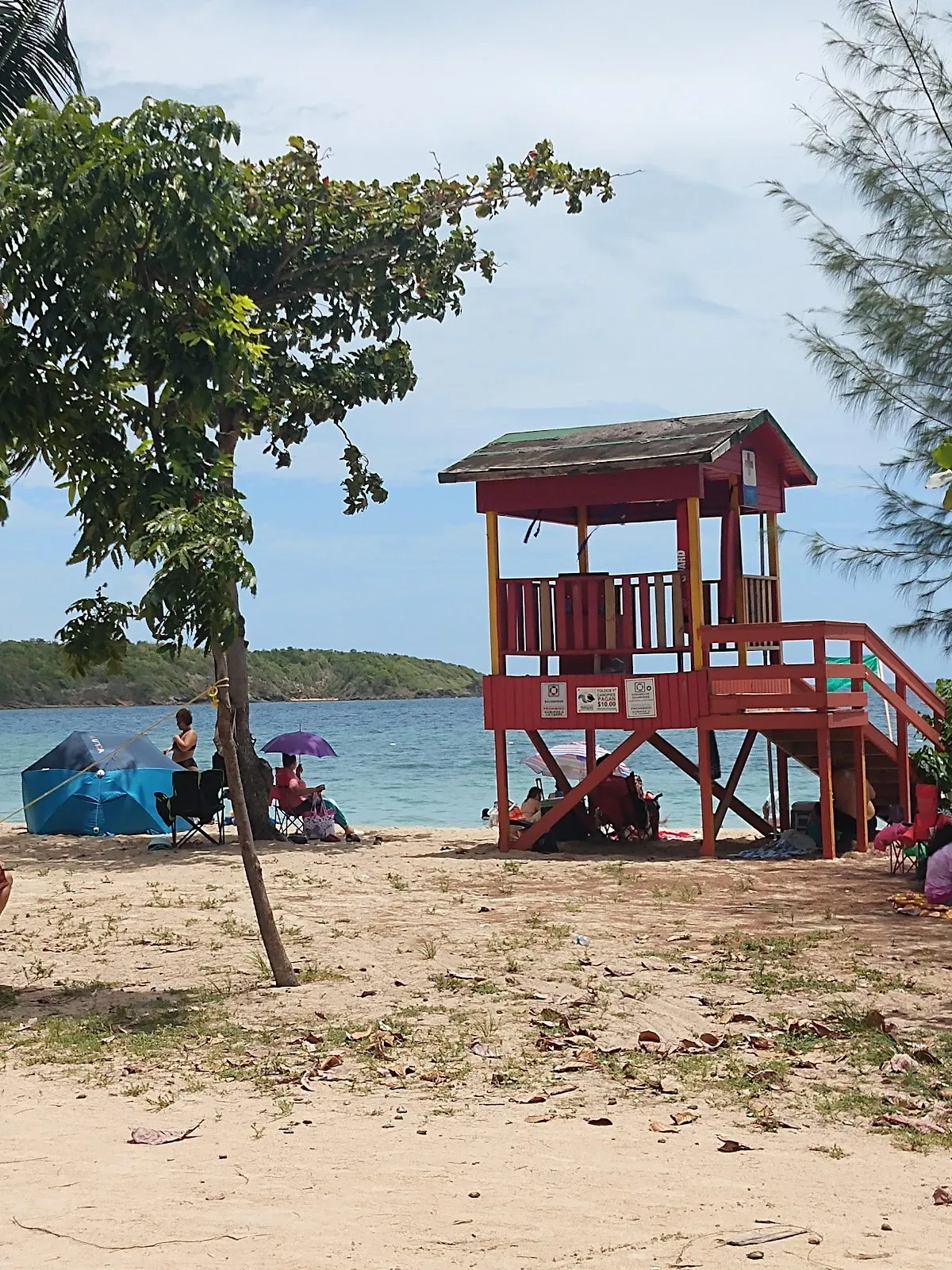
This is a remote, unmonitored beach with no lifeguard, restrooms, or cell service in some spots.
Swim with a buddy and know your limits.
No dedicated parking. Visitors pull off along the road approaching the coast. A vehicle with decent clearance is helpful for the rough access road.
Bring water, shade, and food for the day.
Ways to experience La Pocita de Mimosa
Bookable tours and activities at and around this beach.
 Viator photoPopular near this beachIcacos All-Inclusive Private Boat Tour - Special Rate for GroupsWe offer you a wide variety of snacks and beverages, including sandwiches, chips, bottled water, alcoholic drinks, and local favorites, ensuring all…◷ About 4 hours✓ Free cancellationFrom $545Check availability ↗Browse more tours on Viator ↗
We may earn a commission when you book through Viator links, at no extra cost to you.
About La Pocita de Mimosa
Remote natural beach area along Fajardo's Atlantic coastline, approximately 7 km from town center. This undeveloped, secluded stretch offers no amenities, parking facilities, or lifeguards, making it ideal for visitors seeking solitude and natural scenery. Rocky shoreline requires water shoes for safe entry. Visitors must bring all supplies including water, food, and first aid kit. Best visited during calm weather with a vehicle suitable for rough access roads.
Local tips
What to Bring+
Pack all supplies you will need, as amenities are unavailable at or near this beach. Never swim alone at this remote, unmonitored location.
- Sun Protection: Reef-safe sunscreen (SPF 30 or higher), a wide-brimmed hat, and sunglasses for Puerto Rico's intense tropical sun, especially between 10 AM and 2 PM.
- Water & Hydration: A reusable water bottle and a cooler with plenty of drinking water. There are no food vendors nearby.
- Food & Snacks: Pack your own meals and snacks, as no vendors operate at the beach. Bring enough for your entire visit.
- Shade: A portable beach umbrella or pop-up shade tent is highly recommended, as natural shade may be limited.
- Safety & Footwear: Water shoes are essential for the rocky entry. Bring a first aid kit for minor injuries, as there is no lifeguard or nearby help. Avoid swimming alone.
- Photography: A camera with extra battery, a tripod for sunset shots, and binoculars for coastal views, if desired.
- Swimming Gear: A comfortable swimsuit, goggles, and a towel.
History & Background+
La Pocita de Mimosa is located in Fajardo, an eastern coastal municipality known as a marina town and gateway to offshore cays and the bioluminescent Laguna Grande. Situated where the Atlantic and Caribbean waters converge, this area serves as a natural jumping-off point to offshore islands, with steady trade winds characterizing the region.
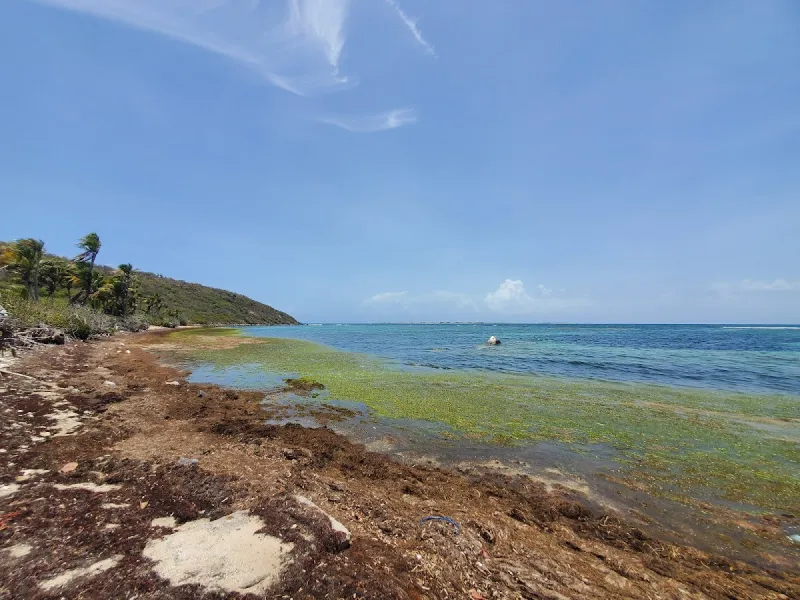
Roughly 7 kilometers from Fajardo's town center, this undeveloped stretch of Atlantic shoreline offers complete solitude away from the busy marina and ferry terminal. The area features no amenities, parking lots, or lifeguards, keeping it uncrowded and naturally pristine. The shoreline includes rocky sections at the water's edge, requiring water shoes for safe entry into the Atlantic waters.
The municipality of Fajardo has deep roots in Puerto Rico's history, and beaches like La Pocita de Mimosa reflect the ongoing relationship between coastal communities and the sea. Whether visited by local families or travelers discovering the area, this stretch of shoreline carries the character of its remote surroundings.
Nearby Attractions+
La Pocita de Mimosa is situated in Fajardo, which offers several attractions worth exploring during your visit. The area features a mix of natural reserves, nearby beaches, dining options, and authentic local culture.
- Las Cabezas de San Juan Nature Reserve: A well-known nature reserve with diverse coastal ecosystems, worth a visit if you have extra time.
- Fajardo Marina District: The bustling marina area with shops, services, and boat operators offering trips to offshore cays and islands.
- Laguna Grande: A famous bioluminescent lagoon where nighttime kayaking reveals glowing plankton, accessible from Fajardo.
- Seven Seas Beach: Another Fajardo-area beach with a different character, ideal for beach hopping if you have time.
- Icacos Beach & Playa Colora: Additional nearby beach options, each offering unique features worth exploring.
- Luquillo: A neighboring coastal town a short drive away, popular for its beaches and local food scene.
- Fajardo Town Center: Features a central plaza with church, local shops, and cafes—a good place to experience everyday Puerto Rican town life. Many towns hold weekend markets or festivals throughout the year, particularly during patron saint celebrations featuring live music, food, and cultural performances.
- Local Dining: Look for coastal restaurants and roadside kiosks (chinchorros) serving traditional Puerto Rican fare: fresh seafood, mofongo (mashed plantain with garlic), tostones (fried plantain slices), empanadillas, bacalaítos (codfish fritters), and piraguas (shaved ice with fruit syrup). Ask locals for their favorite spots—the best food is often at the least conspicuous establishments.
Photos
Be the first to add a photo
Recent photos help others recognize the access point, water, and parking setup.
Reviews
No Puerto Rico Beach Finder reviews yet
Share whether access was easy, how the water felt, and what the next person should know.
Planning your visit
Explore by activity
Nearby beaches
Questions
Where is La Pocita de Mimosa located?
La Pocita de Mimosa is located in Fajardo, Puerto Rico. The exact coordinates are 18.380396, -65.626722. You can use GPS navigation or follow signs to Fajardo and look for beach access points.
Is La Pocita de Mimosa good for swimming?
Yes, La Pocita de Mimosa is a public beach open for swimming.
What facilities are available at La Pocita de Mimosa?
La Pocita de Mimosa is a natural beach. Facilities may be limited, so consider bringing your own supplies.
What activities can I do at La Pocita de Mimosa?
Popular activities at La Pocita de Mimosa include swimming. The beach is perfect for a day trip from Fajardo.
Is there parking at La Pocita de Mimosa?
Parking near La Pocita de Mimosa may be limited. It's recommended to arrive early, especially on weekends and holidays.
Similar beaches
Discover more beaches
Explore 400+ beaches across the island with filters, maps, and detailed guides.
Explore all beaches