Boulder Beach Aguadilla, Puerto Rico
At a Glance
Boulder Beach is a secluded beach in Aguadilla, Puerto Rico, known for scenic views and its secluded atmosphere. Remote and dramatic coastal spot in Aguadilla reached via a challenging 30-minute hike through dense forest near the former Ramey Air Force Base.
About Boulder Beach
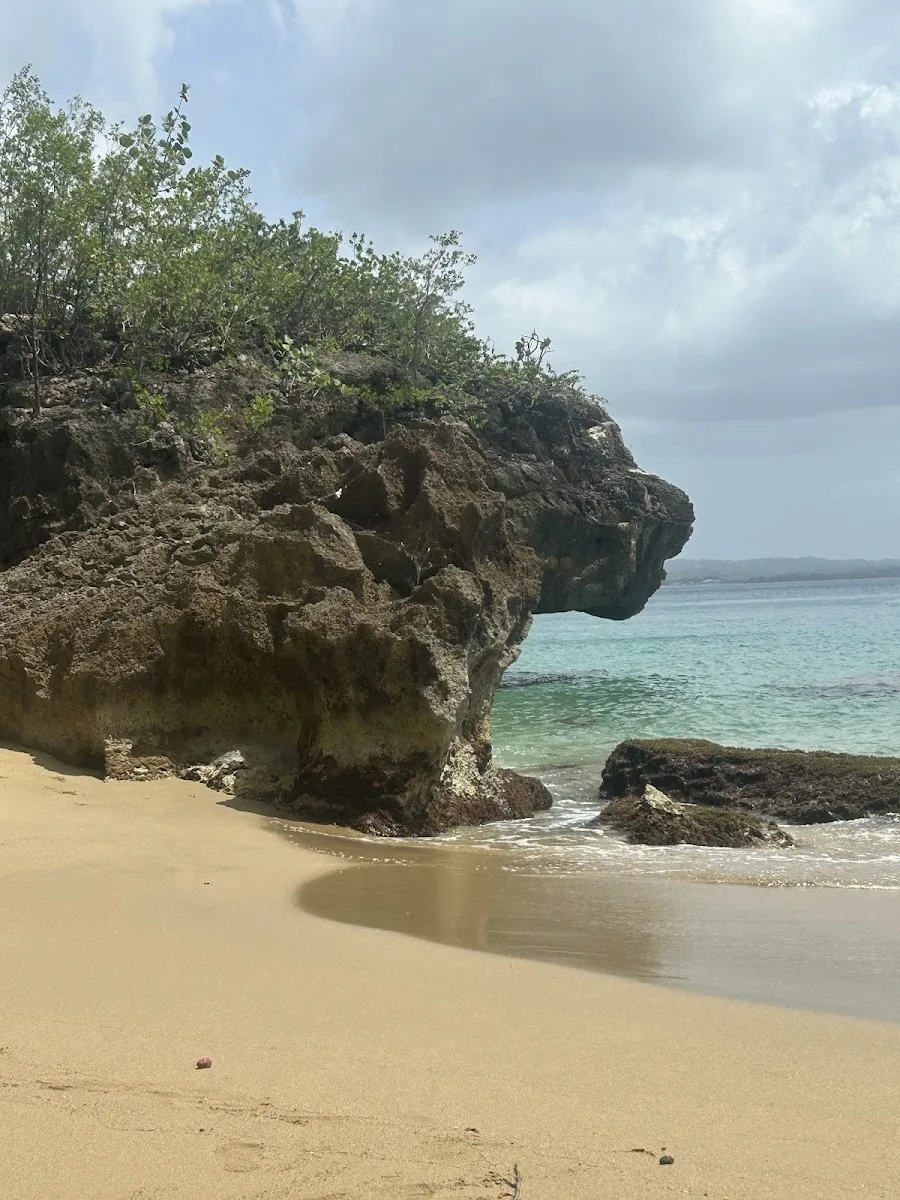
Remote and dramatic coastal spot in Aguadilla reached via a challenging 30-minute hike through dense forest near the former Ramey Air Force Base. Giant boulders are scattered across the shore and shallow water, framed by sea caves and powerful wave action. The rugged limestone formations create spectacular photography opportunities, though strong currents and crashing waves make swimming dangerous. A destination for adventurous hikers, photographers, and experienced anglers seeking an unspoiled, secluded experience.
Visitor Tips
- Do not swim here — waves crash onto rocks and the shoreline drops off unpredictably
- Wear hiking shoes for the forest trail and bring a headlamp if starting early
- The boulder formations and sea caves are incredibly photogenic, especially with wave spray
- Morning light hits the boulders from the east creating strong shadows and contrast for photos
Best Time to Visit
Boulder Beach offers compelling reasons to visit in different seasons, though winter months showcase the beach's most dramatic character.
- October through April: The west coast comes alive with surf from north swells wrapping around the island. Winter months bring the most powerful wave action crashing against the boulders and through the sea caves, creating spectacular photo opportunities.
- December through April (Dry Season): The clearest skies and most vivid sunsets occur during these months. Morning visits are ideal for photography, with eastern sun illuminating boulder formations and cooler temperatures making the 30-minute hike more comfortable. The trail is most reliably passable without mud during this window.
- May through September: Summer months offer calmer waters, though swimming remains dangerous at this beach. Afternoon thunderstorms are common and can make the forest trail slippery.
- Morning hours: Eastern sun creates strong shadows and contrast for photos. Early starts also help avoid the intense midday heat and provide cooler conditions for hiking.
- Crowd levels: Due to its secluded nature and challenging access, Boulder Beach rarely experiences significant crowding, even on weekends and holidays.
What to Bring
Sun & Water Protection:
- Reef-safe sunscreen (SPF 30 or higher)—Puerto Rico's tropical sun is intense, especially between 10 AM and 2 PM
- Reusable water bottle with plenty of fresh water for the hike and day at the beach
- Wide-brimmed hat or cap for sun protection
- Portable beach umbrella or pop-up shade tent—natural shade is limited at Boulder Beach
Photography & Observation:
- Camera with extra battery—the dramatic boulder formations and sea caves are highly photogenic, especially with wave spray
- Tripod for sunset and long-exposure shots
- Binoculars for coastal wildlife viewing
Fishing (if applicable):
- Fishing rod and tackle
- Bait appropriate for local species
- Cooler for storing your catch
- Valid Puerto Rico fishing license
Hiking & Safety:
- Hiking shoes with good traction—the trail has roots, loose soil, and steep sections
- Headlamp or flashlight if starting early
- First aid kit for minor injuries
- Companion—always hike with a partner; there is no cell service and no other visitors most days
Food & Supplies:
- Packed meals, snacks, and lunch—there are no food vendors at or near this beach
- All supplies you will need including water in a cooler, as amenities are unavailable
History & Background
Boulder Beach is located in the municipality of Aguadilla on Puerto Rico's northwest coast, an area with deep roots in military history tied to Ramey Air Force Base. The coastline's exposure to both north Atlantic swells and west-facing Mona Passage energy has carved dramatic limestone formations over centuries of relentless wave action.
Reaching Boulder Beach requires a 30-minute hike through dense forest near the former air base grounds, adding an element of adventure before revealing the coastline. Massive boulders scattered across the shore and into shallow water create an otherworldly landscape, with sea caves carved into the rock face amplifying the rugged scenery. The area's isolation on former military territory lends a sense of abandoned history to the wild coastline, where infrastructure remnants from Ramey's era still dot the approach.
Whether visited by local families on weekends or travelers discovering the area for the first time, this stretch of shoreline carries the character of its surroundings—a place where Puerto Rico's coastal communities maintain their relationship with the powerful Atlantic.
Nearby Attractions
Boulder Beach is situated in Aguadilla, which offers several attractions beyond the beach itself. The area provides opportunities to explore both natural and cultural sites within a short drive.
- Crash Boat Beach—one of the area's main draws, featuring calmer waters and better swimming conditions than Boulder Beach
- Punta Borinquen Lighthouse—a historic navigational landmark well worth a visit if you have extra time
- Isabela—a neighboring coastal town worth exploring, a short drive away
- Aguadilla Town Center—features a central plaza with a church, local shops, and cafes; a good place to experience everyday Puerto Rican town life
- Rompeolas Beach—another option in the Aguadilla area with a different character worth exploring if beach hopping
- Bahía de Aguadilla—additional beach option with distinct features
- Paseo de Aguadilla—waterfront promenade and beach area
- Local restaurants and roadside kiosks (chinchorros)—serving traditional Puerto Rican fare including fresh seafood, mofongo (mashed plantain with garlic), tostones (fried plantain slices), empanadillas, bacalaítos (codfish fritters), and piraguas (shaved ice with fruit syrup). Ask locals for their favorite spot—the best food is often at the least conspicuous establishments
- Weekend markets and fiestas patronales—many towns hold these throughout the year, particularly patron saint celebrations featuring live music, food, and cultural performances
Local Tips
- Do not swim here. Waves crash directly onto rocks with tremendous force, and the water drops off steeply between the boulders. Currents are strong and unpredictable. Stay well back from the waterline where wave surge can reach further than expected and knock you against the stones.
- Wave danger is real and immediate. The dramatic boulder formations that make this beach photogenic also create deadly surf conditions. Never turn your back to the ocean or underestimate wave power in coastal areas with large rock formations.
- The trail requires caution. The hiking path is unimproved with roots, loose soil, and steep sections. Wear proper hiking shoes and bring a headlamp if visiting in low light. Always hike with a companion; there is no cell service and no other visitors most days.
- Pack out all trash. Leave the beach as you found it. Puerto Rico's coastal ecosystems are under pressure from development and climate change, and responsible visitors make a real difference.
- Respect sea turtle nesting. Between April and November, sea turtles may nest on sandy beaches. If you spot a nest or hatchlings, keep your distance and report it to the DRNA (Department of Natural Resources).
- Know your legal rights. As with all Puerto Rico beaches, the beach zone up to the high-tide mark is public land by law, regardless of any adjacent private property or signage suggesting otherwise. You have the legal right to access and enjoy any beach in Puerto Rico.
- Learn basic Spanish. Spanish is the primary language in most areas outside San Juan's tourist zones. Learning phrases like '¿Dónde está la playa?' (Where is the beach?) and 'Gracias' (Thank you) goes a long way with locals. Puerto Ricans are generally warm and helpful toward visitors who show respect for the culture and environment.
Frequently Asked Questions
Where is Boulder Beach located?
Is Boulder Beach good for swimming?
What facilities are available at Boulder Beach?
What activities can I do at Boulder Beach?
Is there parking at Boulder Beach?
What is the best time to visit Boulder Beach?
Practical Info
This is absolutely not a swimming beach. Waves crash directly onto massive boulders with tremendous force and the water drops off steeply between the rocks. Stay well back from the waterline where wave surge can reach further than expected and knock you against the stones. The hiking trail is unimproved with roots, loose soil, and steep sections. No facilities, no cell service, and no other visitors most days — always hike with a companion.
Planning Your Visit
Similar Beaches


Nearby Beaches



Explore by Activity
Discover More on Puerto Rico Beach Finder
Explore 460+ beaches across the island with filters, maps, and detailed guides.
Explore All Beaches