Cayo Caracoles Sandbar Lajas, Puerto Rico
Quick Facts
About Cayo Caracoles Sandbar
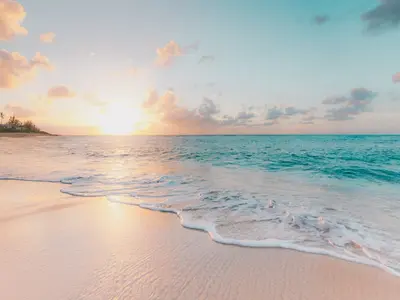
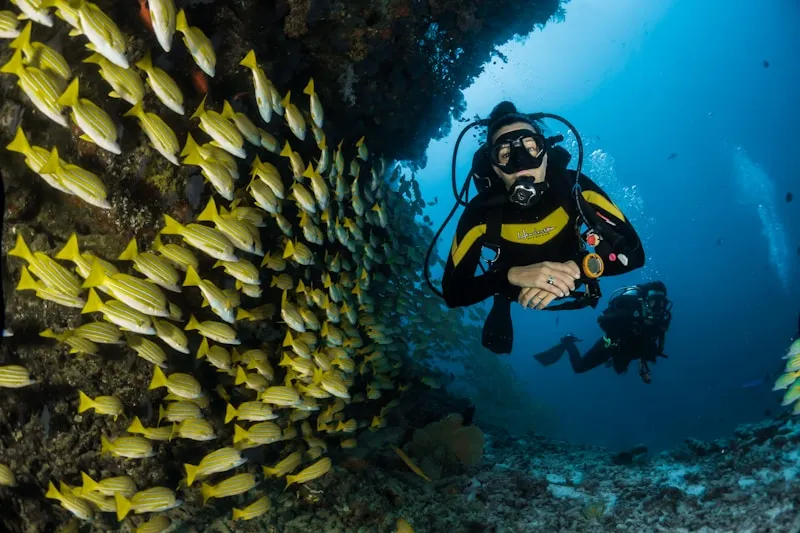
Cayo Caracoles Sandbar is a scenic, secluded shallow-water destination near La Parguera in Lajas, Puerto Rico. Accessible only by boat, this shifting sandbar offers excellent snorkeling opportunities over coral reefs and seagrass beds within the La Parguera Natural Reserve. The area is known for clear waters and vibrant marine life, with weekend boat traffic creating a lively atmosphere.
Visitor Tips
- Arrive before 10am to secure the best parking spots and beach locations
- Golden hour (shortly after sunrise or before sunset) provides the best lighting for photos
- Bring your own snorkeling gear for the best fit and visibility
- Download offline maps before visiting as cell service may be limited
- Bring your own food and drinks - limited vendors in the area
- Help preserve the beach beauty by taking all trash with you when you leave
- Bring plenty of water - staying hydrated in the tropical heat is essential
History & Background
Cayo Caracoles Sandbar lies within the bioluminescent bay system of La Parguera, a coastal community in the municipality of Lajas along Puerto Rico's southwestern coast. The name "Caracoles" translates to "snails," a reference to the gastropod shells historically abundant in this area's shallow waters and sandy bottoms.
La Parguera developed as a fishing village during the Spanish colonial era, with families settling along the mangrove-lined waterfront to work the productive fishing grounds. The community's name derives from pargo, the Spanish word for red snapper, the primary commercial species caught by local fishermen. The La Parguera Natural Reserve encompasses mangrove forests, seagrass beds, coral reefs, and open-water habitats supporting extraordinary marine diversity. Cayo Caracoles itself is a shifting sandbar—its shape and size change with seasonal currents, storms, and sand transport patterns.
The University of Puerto Rico operates a marine sciences research station in La Parguera since 1954, conducting research that supports conservation efforts in the reserve. La Parguera's bioluminescent bay, located in a nearby mangrove channel, has been a significant attraction since the mid-twentieth century, though its luminosity has diminished due to light pollution and water quality changes.
Best Time to Visit
Plan your visit around season, tide, and crowd preferences to maximize your experience at Cayo Caracoles.
- December to April (Dry Season): Calmest seas, best water clarity for snorkeling, and lowest afternoon thunderstorm risk. The sandbar is most accessible and above-water conditions are most favorable.
- Weekdays: Fewer boats mean less crowded conditions and less churned-up water. If you prefer a quieter experience with better visibility, avoid weekends.
- Weekends: Heavy boat traffic creates a festive, lively atmosphere with local boaters anchoring around the sandbar. Saturday and Sunday afternoons are busiest.
- Summer Months: Warmer water but increased storm risk. Rapid afternoon squalls can develop unexpectedly. Morning departures with return before 2 PM reduce exposure to afternoon weather.
- New Moon Phases: If combining your sandbar day trip with an evening bioluminescent bay tour, plan around new moon for the strongest dinoflagellate glow. Full moon periods brighten the night sky, diminishing the organisms' visibility.
Getting There
Cayo Caracoles is accessible only by boat. From La Parguera's waterfront, boat operators and tour companies offer day trips to the cay system, with Cayo Caracoles as a common stop. Trips typically include snorkeling stops at nearby reef sites and visits to other cays. Prices vary from about $25 to $65 per person depending on the operator, trip duration, and whether snorkeling equipment is included.
- From San Juan: Take PR-52 south to Ponce, then PR-2 west toward Guánica and Lajas. From PR-2, take PR-304 south to La Parguera. Drive time: approximately 2.5 hours.
- From Mayagüez: Head south on PR-2 to PR-116 toward Lajas, then PR-304 to La Parguera. Drive time: approximately 1 hour.
- In La Parguera: The waterfront strip has several tour operators with signs advertising boat trips. You can also arrange trips through your accommodation if staying locally. Kayak rentals are available for self-guided trips to closer cays, but Cayo Caracoles is far enough offshore that a motorized boat is the practical option for most visitors.
Parking: Parking in La Parguera is available along the waterfront road and in small lots near restaurants and tour operators. Weekend parking fills up quickly, especially during holiday weekends when the entire southwestern coast draws visitors from the metro area.
What to Bring
Snorkeling Equipment:
- Snorkeling gear is the most important item for this trip. While some boat operators provide basic masks and snorkels, bringing your own ensures a proper fit and better experience.
- Fins make exploring the reef areas around the cay significantly easier.
- Reef-safe sunscreen is essential—you are snorkeling directly over coral, and chemical sunscreen runoff causes measurable damage to the organisms you are there to see.
Protection & Photography:
- Waterproof dry bag protects your phone, keys, wallet, and camera during the boat ride and while wading around the sandbar.
- Waterproof phone cases that allow photography are practical for capturing underwater shots in the shallow snorkeling areas.
- Lightweight long-sleeve rash guard provides better sun protection than repeated sunscreen applications and also protects against jellyfish stings, which are occasional in these waters.
- Wide-brimmed hat with chin strap keeps sun off your face during the boat transit.
- Polarized sunglasses cut the glare off the water surface, reducing eye strain and headaches.
Hydration & Provisions:
- Cooler with water, drinks, and snacks. Some boat operators allow you to bring your own provisions; confirm before departure. Spending several hours in the sun and salt water causes rapid dehydration. At least one liter per person per hour is a reasonable guideline.
- Cash in small bills is useful for tipping the boat operator and for purchasing food or drinks at the La Parguera waterfront before or after your trip.
Nearby Attractions
The area surrounding Cayo Caracoles and La Parguera offers several excellent day-trip destinations and evening activities to complement your sandbar visit.
- La Parguera Bioluminescent Bay: The area's most famous attraction. Night tours depart from the waterfront by kayak or electric-powered boats (gas motors are restricted to protect the bay's ecosystem). The glow is best observed during new moon phases and on clear, dark nights. Several operators run tours, with prices typically between $30 and $50 per person.
- Isla Mata la Gata Reef: Accessible by short boat ride from La Parguera, this is one of the best snorkeling sites in southwestern Puerto Rico. The shallow reef supports brain coral, fan coral, and schools of tropical fish in water generally under ten feet deep.
- Bosque Seco de Guánica (Guánica Dry Forest): About 20 minutes east on PR-116 and PR-334, this UNESCO Biosphere Reserve protects the best-preserved subtropical dry forest in the Caribbean. Hiking trails wind through landscapes of cacti, lignum vitae trees, and native bird species, including the endangered Puerto Rican nightjar.
- San Germán: About 25 minutes north on PR-116, this is one of Puerto Rico's oldest colonial towns. The Porta Coeli church, dating to 1606, is among the oldest European religious structures in the Americas and now houses a museum of religious art.
Local Tips
- Choose your boat operator carefully. The cheapest option is not always the safest. Look for operators with visible life jackets on board, a functioning radio, and a boat in reasonable condition. Ask whether snorkeling stops are included and how long the total trip lasts before committing.
- Expect variable sandbar conditions. The sandbar's above-water area varies dramatically depending on tide and recent weather. On some visits it provides a wide, ankle-deep wading area; on others it may be submerged with only the shallowest ridge visible. Do not plan your trip expecting a full beach experience—think of it as a shallow-water snorkeling destination that sometimes has a sandy resting spot.
- Eat at waterfront restaurants. La Parguera's waterfront restaurants serve solid local seafood at reasonable prices. Arrive early for lunch; popular spots fill quickly on weekends. The mofongo de mariscos (mashed plantain with mixed seafood) is a regional specialty worth ordering.
- Stay overnight in La Parguera if combining activities. If you plan to visit both the sandbar during the day and the bioluminescent bay at night, book your accommodations in La Parguera itself. The community has guesthouses and small hotels within walking distance of the waterfront, eliminating the need to drive the narrow PR-304 road at night.
- Wear polarized sunglasses on the boat. They cut the glare off the water surface, making it possible to spot stingrays, turtles, and fish in the shallows as you transit between the cays. This is also a practical safety item—reflected glare off open water without sun protection causes eye strain and headaches within an hour.
Visitor Photos
Sign in to addNo photos yet. Be the first to share!
Reviews
No reviews yet. Be the first to share your experience!
Conditions
5 months agoLive Updates
No recent crowd data
Practical Info
No lifeguards are present. Swim at your own risk and never swim alone. Apply waterproof sunscreen regularly - the tropical sun is strong. Check weather conditions before visiting, especially during hurricane season (June-November).