El Faro Beach Arecibo, Puerto Rico
At a Glance
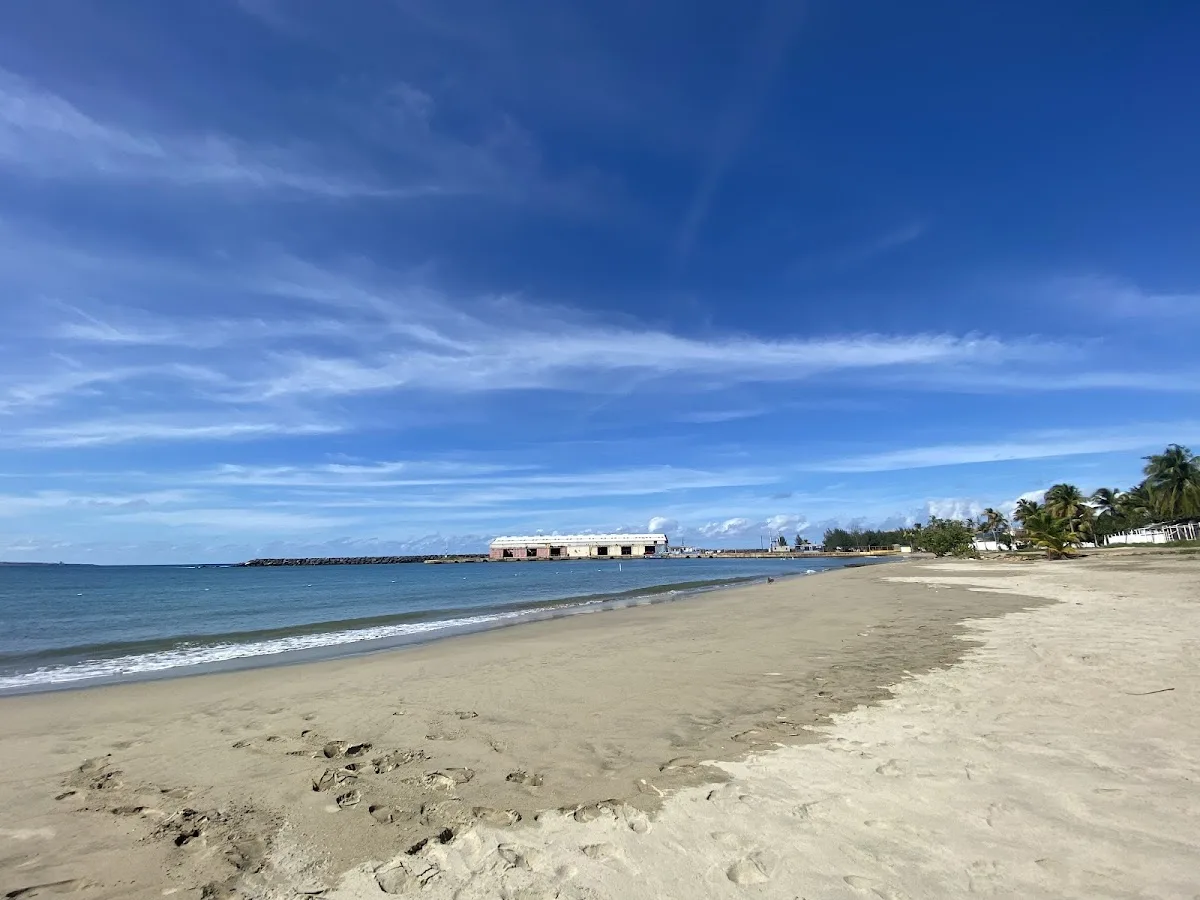
El Faro Beach is a popular beach in Arecibo, Puerto Rico, known for families and its popularity with locals and visitors. Sitting directly in front of the historic Arecibo Lighthouse on Puerto Rico's north coast, El Faro Beach features golden sand and practical amenities for day-long visits. Facilities include on-site dining, parking.
About El Faro Beach
Sitting directly in front of the historic Arecibo Lighthouse on Puerto Rico's north coast, El Faro Beach features golden sand and practical amenities for day-long visits. A public boat ramp serves fishing enthusiasts, while covered gazebos with charcoal grills make it ideal for family cookouts and weekend gatherings. The beach fills quickly on weekends, so arrive early to secure parking and enjoy swimming, scenic views, and the nearby lighthouse historical park.
Visitor Tips
- Arrive before 10 AM on weekends as the parking lot fills quickly; weekday visits are significantly less crowded
- Bring charcoal for the on-site grills or grab fresh seafood from vendors near the lighthouse park entrance
- Position yourself at the east end of the beach for the best angle capturing both the lighthouse and the coastline
- Combine your beach visit with the Arecibo Lighthouse park above — it opens at 10 AM and charges a separate admission
Best Time to Visit
El Faro Beach is a year-round destination with varying conditions throughout the seasons. Plan your visit based on weather preferences, crowd levels, and the activities you want to enjoy.
- Winter (December–March): Largest north Atlantic swells arrive, creating dynamic conditions; avoid days with heavy swells when waves can be rough and dangerous.
- Summer (June–August): Calmer seas and warmer water, though afternoon thunderstorms are common.
- May–September: North coast swells smaller and most reliable beach weather; best conditions year-round.
- January–April: Dry season offers the most consistent weather.
- Weekday mornings: Considerably less crowded than weekends.
- Weekend visits: Arrive before 10 AM to secure parking and avoid mid-morning crowds.
Combine your beach visit with the Arecibo Lighthouse Park above, which opens at 10 AM and charges separate admission. The lighthouse occasionally hosts festivals and events that increase traffic.
What to Bring
Sun Protection & Hydration:
- Reef-safe sunscreen (SPF 30 or higher)
- Reusable water bottle
- Hat for sun protection (Puerto Rico's tropical sun is intense, especially between 10 AM and 2 PM)
For Families:
- Sand toys
- Beach tent or umbrella for shade
- Snacks and plenty of water for the kids
For Fishing:
- Fishing rod and tackle
- Bait
- Cooler for your catch
- Valid Puerto Rico fishing license
For Photography:
- Camera with extra battery
- Tripod for sunset shots
- Binoculars for coastal views
Food is available nearby, but bringing your own water and snacks is still recommended.
History & Background
El Faro Beach is located in Arecibo, a north coast municipality known for the former Arecibo Observatory and distinctive limestone karst landscape. This stretch of Puerto Rico's north coast faces the Atlantic Ocean, where trade winds generate consistent swells and currents that shape the shoreline. The northern coast experiences more wave energy than the south, with winter months bringing larger swells from the north Atlantic.
The beach sits directly below the historic Arecibo Lighthouse and Historical Park, offering unique views of the landmark structure perched on the cliff above the shoreline. A public boat ramp at the beach doubles as El Muelle, making this a practical launch point for fishing trips and recreational boating. Multiple covered gazebos equipped with charcoal grills line the beachfront, making it popular for full-day family cookouts and weekend gatherings.
The municipality of Arecibo has deep roots in Puerto Rico's history, and beaches like El Faro reflect the ongoing relationship between coastal communities and the sea. Whether visited by local families on weekends or travelers discovering the area, this shoreline carries the character of its surroundings.
Nearby Attractions
El Faro Beach is situated in Arecibo, which offers several attractions beyond the beach itself. The area is rich in natural and cultural sites worth exploring.
- Arecibo Lighthouse and Historical Park: Located directly above the beach on the cliff, this well-preserved lighthouse offers unique views and historical exhibits. Open at 10 AM with separate admission.
- Playa La Cueva del Perro: A nearby pocket beach with a different character, worth exploring if you have time for beach hopping.
- Playa El Muelle: Another nearby beach option in the Arecibo area.
- Arecibo Town Center: Features a central plaza with a church, local shops, and cafes—a good place to experience everyday Puerto Rican town life. Many towns hold weekend markets or festivals throughout the year, particularly during patron saint celebrations (fiestas patronales) with live music, food, and cultural performances.
- Local Restaurants and Kiosks: Look for roadside establishments (chinchorros) serving traditional Puerto Rican fare. Fresh seafood, mofongo (mashed plantain with garlic), and tostones (fried plantain slices) are staples. Weekend food stalls sell empanadillas, bacalaítos (codfish fritters), and piraguas (shaved ice with fruit syrup) at affordable prices. Ask locals for their favorite spot—the best food is often at the least conspicuous establishments.
Local Tips
- Bring charcoal for the on-site grills or grab fresh seafood from vendors near the lighthouse park entrance for a complete cookout experience.
- Position yourself at the east end of the beach for the best angle capturing both the lighthouse and the coastline in your photographs.
- Know your beach rights: The beach zone up to the high-tide mark is public land by law in Puerto Rico, regardless of any adjacent private property or signage suggesting otherwise. You have the legal right to access and enjoy any beach.
- Practice responsible tourism: Pack out all trash and leave the beach as you found it. Puerto Rico's coastal ecosystems are under pressure from development and climate change, and responsible visitors make a real difference. Between April and November, sea turtles may nest on sandy beaches—if you spot a nest or hatchlings, keep your distance and report it to the DRNA (Department of Natural Resources).
- Learn basic Spanish phrases: Spanish is the primary language in most areas outside San Juan's tourist zones. Learning phrases like '¿Dónde está la playa?' (Where is the beach?) and 'Gracias' (Thank you) goes a long way with locals. Puerto Ricans are generally warm and helpful toward visitors who show respect for the culture and environment.
- Watch for water hazards: North coast waves can be unpredictable, especially during winter months. No lifeguard is on duty. Watch for strong currents near the boat ramp area. The rocky areas on either side of the beach are slippery when wet.
Frequently Asked Questions
Where is El Faro Beach located?
Is El Faro Beach good for swimming?
What facilities are available at El Faro Beach?
Find beaches with: With Food, With Parking
What activities can I do at El Faro Beach?
Is there parking at El Faro Beach?
What is the best time to visit El Faro Beach?
Amenities
Practical Info
North coast waves can be unpredictable, especially during winter months. No lifeguard on duty. Watch for strong currents near the boat ramp area. The rocky areas on either side of the beach are slippery when wet.
Planning Your Visit
Similar Beaches



Nearby Beaches




Explore by Activity
Discover More on Puerto Rico Beach Finder
Explore 460+ beaches across the island with filters, maps, and detailed guides.
Explore All Beaches