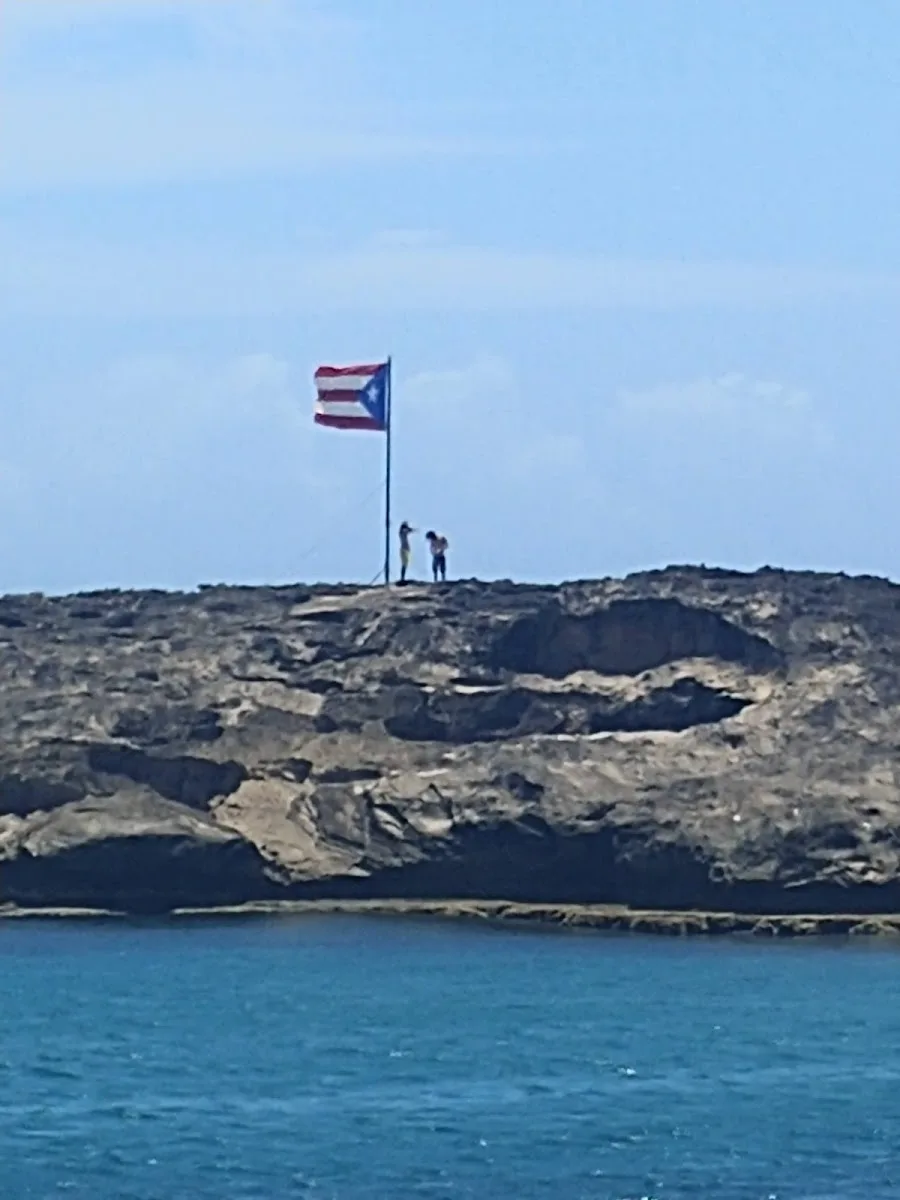
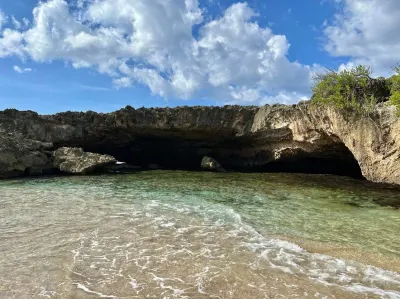
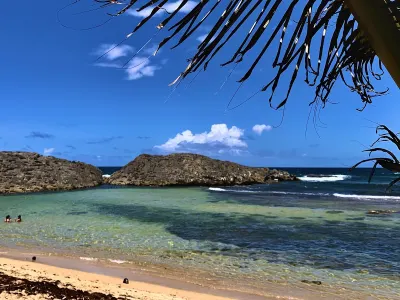
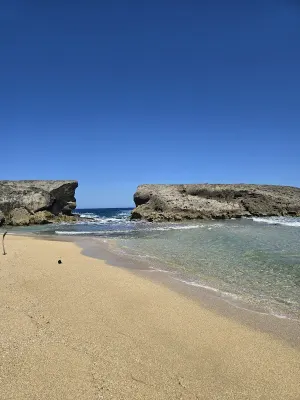
Gasolina Beach Club is a family-friendly beach in Arecibo, Puerto Rico, known for calm waters and families. Also called Caracoles or La Poza de Don Guelo, this Arecibo cove features a natural rock-walled lagoon that transforms the Atlantic into a calm, shallow pool perfect for families and casual swimmers. Facilities include parking.
- Scenic
- ✓ Parking
- ✓ Shade/Umbrellas
Short path.
April through October provides the calmest Atlantic conditions and the safest swimming in the natural lagoon.
Swim with a buddy and know your limits.
Informal unpaved parking area near the beach access road with space for approximately 15 vehicles on level ground. No marked spots, paved surface, or official signage indicates the parking zone. Summer weekends fill the available spaces by late morning as local families arrive for the day. Additional informal overflow spots may exist along the access road shoulder.
Ways to experience Gasolina Beach Club
Bookable tours and activities at and around this beach.
 Viator photoPopular near this beachPiñones Beach Buggy + El Yunque Waterfall AdventureCelebrate unforgettable moments starting your day with an exciting Beach Buggy ride along the golden beaches and palm-lined trails of Piñones, Loíza…◷ About 6 hours✓ Free cancellationFrom $207Check availability ↗Browse more tours on Viator ↗
We may earn a commission when you book through Viator links, at no extra cost to you.
About Gasolina Beach Club
Also called Caracoles or La Poza de Don Guelo, this Arecibo cove features a natural rock-walled lagoon that transforms the Atlantic into a calm, shallow pool perfect for families and casual swimmers. The protected waters and scenic rock formations create ideal conditions for safe swimming, though some beachside structures remain damaged from Hurricane Maria. Best visited during calm summer months when conditions are safest.
Local tips
What to Bring+
For Swimming and Water Activities:
- Water shoes (highly recommended for navigating rocky edges and lagoon entry)
- Swim gear for the whole family
- Float or inflatable for lounging on the calm surface
- Camera with extra battery and tripod for sunset shots
Sun and Environmental Protection:
- Reef-safe sunscreen (SPF 30 or higher)
- Hat for sun protection
- Reusable water bottle for hydration
For Families with Children:
- Sand toys for beach play
- Beach tent or umbrella for shade
- Snacks and meals (no food vendors at this beach)
- Cooler with plenty of water
- Binoculars for coastal views
Important Note: There are no food vendors at or near this beach. Pack your own meals, snacks, and plenty of water in a cooler. Puerto Rico's tropical sun is intense, especially between 10 AM and 2 PM.
History & Background+
Gasolina Beach Club is located in Arecibo, a north coast municipality known for the former Arecibo Observatory and distinctive limestone karst landscape. This stretch of Puerto Rico's northern shore faces the Atlantic Ocean, where consistent trade winds generate powerful swells and currents that continuously shape the coastline.
Also called Caracoles or La Poza de Don Guelo, this cove features a natural rock-walled lagoon that transforms Atlantic waves into a calm, shallow pool ideal for families and casual swimmers. The multiple local names reflect deep community roots across different generations. Some beachside structures damaged by Hurricane Maria remain visible, adding a layer of recent history and resilience to the landscape while the natural rock formation endures.
Nearby Attractions+
Gasolina Beach Club is situated in Arecibo, which offers several attractions beyond the beach itself. The area has a rich character worth exploring if you have extra time.
- Arecibo Lighthouse and Historical Park – A well-preserved lighthouse with panoramic coastal views and historical exhibits, a main draw for visitors to the area.
- El Faro Beach – Another nearby beach with a different character worth visiting if you have time for beach hopping.
- Playa La Cueva del Perro – A pocket beach nearby offering an alternative swimming experience.
- Stoner Beach – A local favorite in the Arecibo area with its own distinct atmosphere.
- Arecibo town center – Features a central plaza with a church, local shops, and cafés where you can experience everyday Puerto Rican town life. Many towns hold weekend markets or festivals throughout the year, particularly during patron saint celebrations (fiestas patronales) featuring live music, food, and cultural performances.
- Local restaurants and roadside kiosks (chinchorros) – Serve traditional Puerto Rican fare including fresh seafood, mofongo (mashed plantain with garlic), tostones (fried plantain slices), empanadillas, bacalaítos (codfish fritters), and piraguas (shaved ice with fruit syrup). Ask locals for their favorite spot—the best food is often at the least conspicuous establishments.
- Barceloneta – A neighboring area worth exploring, a short drive away.
Photos
Be the first to add a photo
Recent photos help others recognize the access point, water, and parking setup.
Reviews
No Puerto Rico Beach Finder reviews yet
Share whether access was easy, how the water felt, and what the next person should know.
Planning your visit
Explore by activity
Nearby beaches


Questions
Where is Gasolina Beach Club located?
Gasolina Beach Club is located in Arecibo, Puerto Rico. The exact coordinates are 18.422888, -66.074363. You can use GPS navigation or follow signs to Arecibo and look for beach access points.
Is Gasolina Beach Club good for swimming?
Yes, Gasolina Beach Club is a public beach open for swimming. The beach has calm waters, making it ideal for swimming.
What facilities are available at Gasolina Beach Club?
Gasolina Beach Club offers the following facilities: Parking, Shade Structures.
What activities can I do at Gasolina Beach Club?
Popular activities at Gasolina Beach Club include swimming. The beach is family-friendly and perfect for a day trip from Arecibo.
Is there parking at Gasolina Beach Club?
Yes, Gasolina Beach Club has parking available.
Similar beaches

Discover more beaches
Explore 400+ beaches across the island with filters, maps, and detailed guides.
Explore all beaches