La Plata / Platita Vieques, Puerto Rico
Quick Facts
About La Plata / Platita
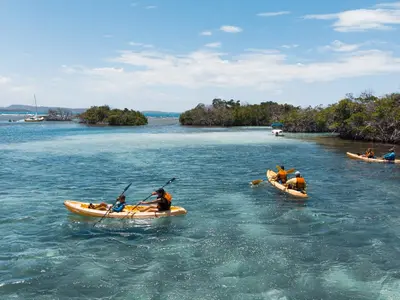
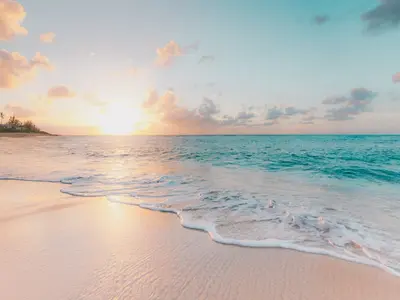
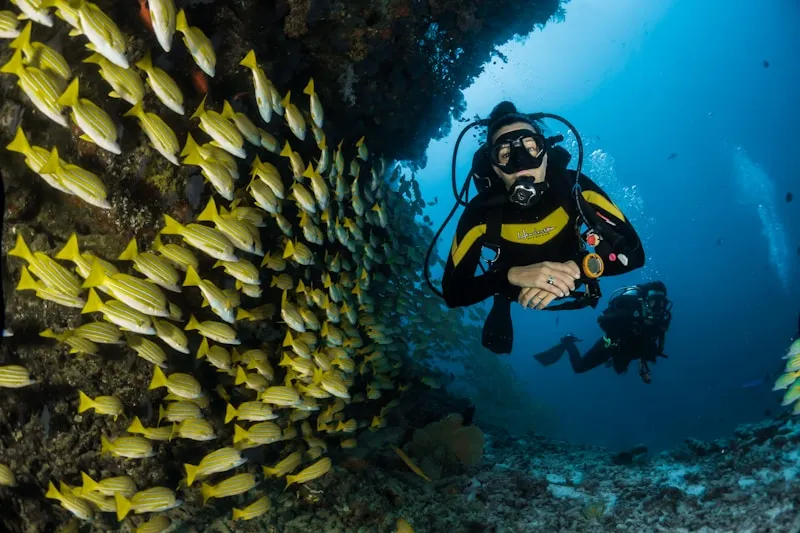
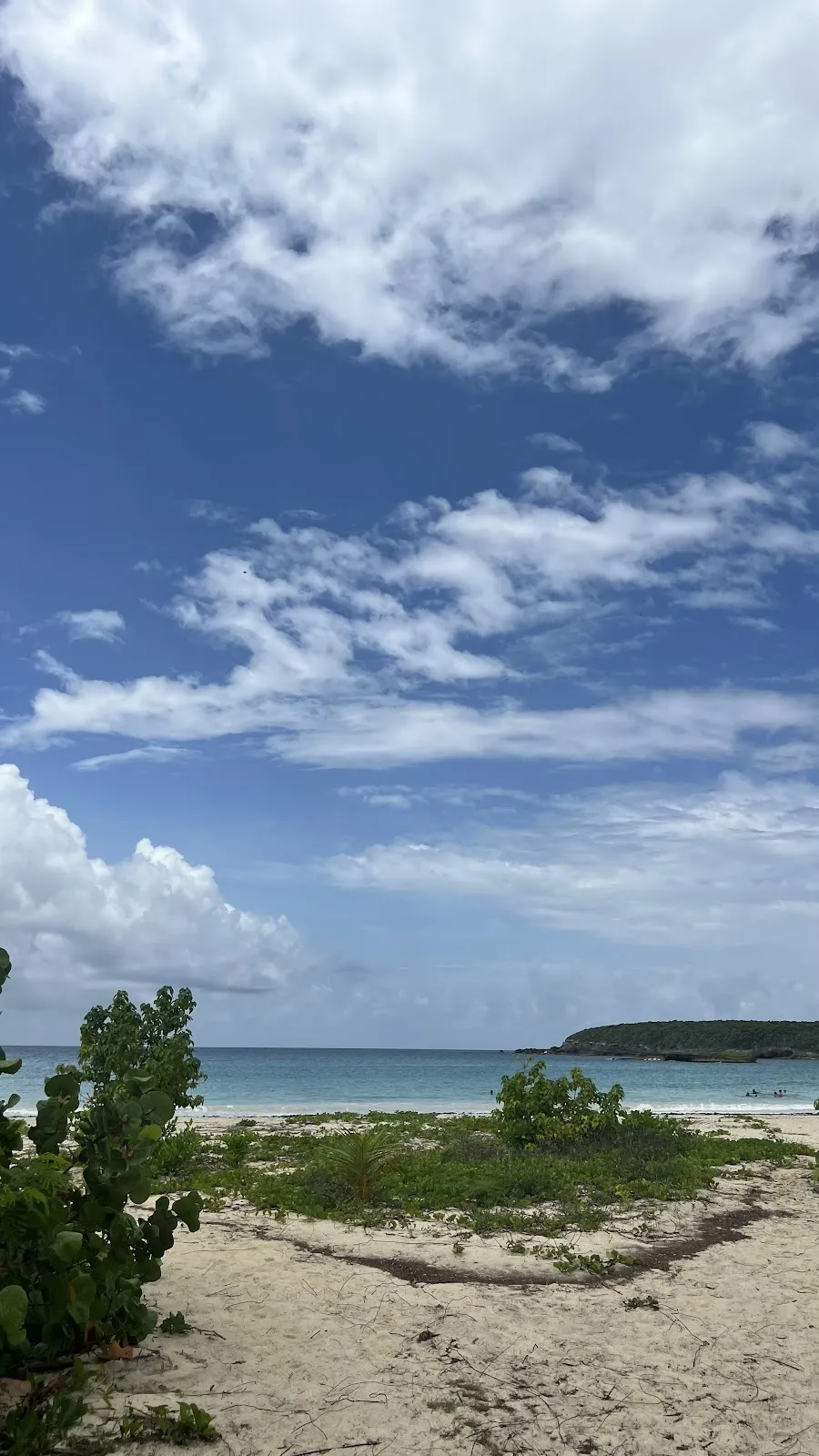
Tucked away in Vieques, La Plata / Platita offers a peaceful escape from crowded tourist beaches. This secluded cove east of Pata Prieta features clear waters ideal for snorkeling with diverse marine life and excellent visibility. The unguarded beach remains relatively untouched, preserving its natural character and making it perfect for those seeking a quiet retreat off Puerto Rico's beaten path.
Visitor Tips
- Arrive before 10am to secure the best parking spots and beach locations
- Bring your own snorkeling gear for the best fit and visibility
- Download offline maps before visiting as cell service may be limited
- Bring your own food and drinks - limited vendors in the area
- Help preserve the beach beauty by taking all trash with you when you leave
- Bring plenty of water - staying hydrated in the tropical heat is essential
History & Background
La Plata / Platita is located in the municipality of Vieques, an island municipality situated 8 miles off the southeast coast of Puerto Rico. Vieques was formerly used by the US Navy and has since transformed into a nature and beach destination. As an offshore island municipality, this area offers a distinctly different pace from mainland Puerto Rico.
The surrounding waters are influenced by both Atlantic and Caribbean currents, and the relative isolation has preserved the natural coastal environment. Clear waters with diverse marine life and excellent underwater visibility characterize the area. Tucked away in Vieques, La Plata / Platita offers a peaceful escape from crowded tourist beaches, featuring a clear cove east of Pata Prieta with reefs and an unguarded shoreline.
The municipality of Vieques has deep roots in Puerto Rico's history, and beaches like La Plata / Platita reflect the ongoing relationship between coastal communities and the sea. Whether visited by local families on weekends or travelers discovering the area for the first time, this stretch of shoreline carries the character of its surroundings.
Best Time to Visit
Island weather tends to be drier and sunnier than the mainland. High season brings the most visitors, while shoulder months offer a balance of good weather and fewer crowds. Ferry schedules may be affected during rough weather in winter. Due to its secluded nature, this beach rarely experiences significant crowding, even on weekends and holidays.
- December through April: Best conditions with drier weather, lower humidity, and comfortable temperatures. This is peak season, so expect more visitors despite the beach's remote location.
- May and November: Shoulder months offering pleasant weather with fewer crowds and more manageable ferry schedules.
- Morning visits (8 AM–11 AM): Provides the best combination of good weather and manageable crowds. Arrive before 10 AM to secure the best parking spots and beach locations.
- June–November: Hurricane season; check weather conditions before visiting and monitor forecasts for tropical storms.
Getting There
La Plata / Platita is located in Vieques on Puerto Rico's offshore islands. Reaching this beach requires traveling to Vieques first, which involves taking a ferry or flying from the mainland.
- Ferry from Ceiba: The most common option. Take the ferry from Ceiba terminal (formerly Fajardo) to Vieques. The ferry ride takes approximately 1 hour. Book tickets in advance, especially on weekends and holidays, as ferries often sell out.
- Commuter flight option: Book a small commuter flight from Isla Grande or Ceiba airports if you prefer to fly. This is faster but more expensive than the ferry.
- Arrange island transportation: Plan ahead since rental cars and taxis have limited availability in Vieques. A rental car is the most practical way to explore beaches in this area.
- Navigate to the beach: Use GPS coordinates (18.0958, -65.4046) rather than street addresses, as signage varies throughout Puerto Rico. Once you arrive, access is straightforward with a short path from the parking area to the sand.
Parking: Parking is limited but usually available due to the beach's remote location. Arrive early to secure a spot, especially during peak season.
What to Bring
Essential Sun & Water Protection:
- Reef-safe sunscreen (SPF 30 or higher) – apply regularly, especially between 10 AM and 2 PM when the tropical sun is most intense
- Reusable water bottle – bring plenty of water to stay hydrated in the tropical heat
- Wide-brimmed hat or cap – essential for sun protection throughout the day
- Lightweight, long-sleeved shirt or rash guard – optional but recommended for extended water time
Snorkeling Gear:
- Snorkel set (mask, snorkel, fins) – bring your own gear for the best fit and visibility
- Underwater camera – optional, for capturing marine life and reef photos
- Dive booties or water shoes – helpful for rocky entry points and reef protection
Shade & Comfort:
- Portable beach umbrella or pop-up shade tent – highly recommended, as natural shade is limited
- Beach towel or quick-dry towel
- Lightweight beach bag – to carry your belongings
Food & Supplies:
- Meals and snacks – there are no food vendors at or near this beach, so pack your own
- Cooler with ice – to keep food and drinks cold
- First aid kit – with basics for minor cuts, scrapes, and stings
Nearby Attractions
La Plata / Platita is situated in Vieques, which offers several attractions beyond the beach itself. The area provides opportunities to explore both natural wonders and local culture within easy reach.
- Mosquito Bay (Laguna Grande): The brightest bioluminescent bay in the world, located in Vieques. A short drive away and absolutely worth a visit if you have extra time. Evening visits reveal the magical glow of bioluminescent organisms.
- Sun Bay (Playa Sun Bay): Another popular beach in Vieques with a different character, featuring wide sandy stretches and calm waters. Good for swimming and a change of scenery.
- Esperanza Beach (Malecón): The main beach area of Esperanza, Vieques' most developed town, with shops, restaurants, and a more social beach atmosphere.
- Playa La Chiva: An alternative beach option in the Vieques area worth exploring if beach hopping.
- Mosquito Pier (Rompeolas): A scenic pier area offering views and a different perspective on the island's coastline.
- Isabel Segunda (main town): Vieques' historic town center, featuring a central plaza with a church, local shops, and cafes. A good place to experience everyday Puerto Rican town life and pick up supplies.
- Local restaurants and kiosks (chinchorros): Serving traditional Puerto Rican fare including fresh seafood, mofongo (mashed plantain with garlic), and tostones (fried plantain slices). Many beach areas have informal food stalls that appear on weekends, selling empanadillas, bacalaítos (codfish fritters), and piraguas (shaved ice with fruit syrup) at affordable prices.
- Weekend markets and fiestas patronales: Many towns hold weekend markets or festivals throughout the year, particularly during patron saint celebrations, which feature live music, food, and cultural performances.
Local Tips
- Download offline maps before visiting – cell service may be limited in remote areas of Vieques, so having maps stored on your phone is essential for navigation.
- Bring your own food and drinks – limited vendors exist in the area, and there are no amenities at this secluded beach. Plan and pack accordingly.
- Bring plenty of water – staying hydrated in the tropical heat is essential. Bring more than you think you'll need.
- Know your legal beach access rights – as with all Puerto Rico beaches, the beach zone up to the high-tide mark is public land by law, regardless of any adjacent private property or signage suggesting otherwise. You have the legal right to access and enjoy any beach in Puerto Rico.
- Practice responsible beach etiquette – pack out all trash and leave the beach as you found it. Puerto Rico's coastal ecosystems are under pressure from development and climate change, and responsible visitors make a real difference.
- Protect nesting sea turtles – between April and November, sea turtles may nest on sandy beaches. If you spot a nest or hatchlings, keep your distance and report it to the DRNA (Department of Natural Resources).
- Respect coral reefs while snorkeling – avoid touching or standing on coral formations, as they are fragile and legally protected under both federal and Puerto Rico law. Maintain neutral buoyancy and keep your fins from scraping the bottom.
- Learn basic Spanish phrases – Spanish is the primary language in most areas outside San Juan's tourist zones. Learning phrases like '¿Dónde está la playa?' (Where is the beach?) and 'Gracias' (Thank you) goes a long way with locals. Puerto Ricans are generally warm and helpful toward visitors who show respect for the culture and environment.
Visitor Photos
Sign in to addNo photos yet. Be the first to share!
Reviews
No reviews yet. Be the first to share your experience!
Conditions
5 months agoLive Updates
No recent crowd data
Amenities
Practical Info
No lifeguards are present. Swim at your own risk and never swim alone. Apply waterproof sunscreen regularly - the tropical sun is strong. Check weather conditions before visiting, especially during hurricane season (June-November).