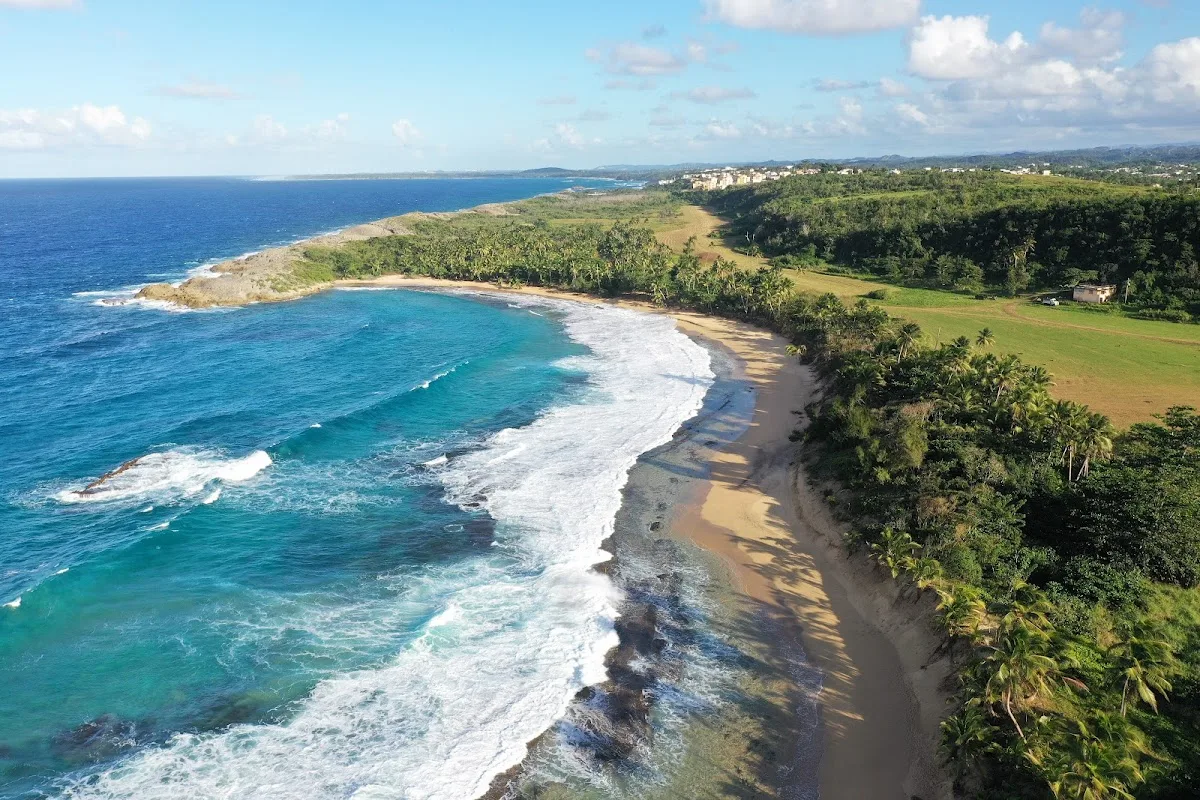
Las Palmas Beach is a popular beach in Manati, Puerto Rico, known for its popularity with locals and visitors and scenic views. A broad, open-ocean beach in Manati known for dramatic shore break and powerful Atlantic swells year-round. Facilities include parking.
- Popular
- Scenic
- Surfing
- ✓ Parking
- ✓ Shade/Umbrellas
Short path.
Summer months (June through August) offer the safest swimming conditions when Atlantic swells diminish.
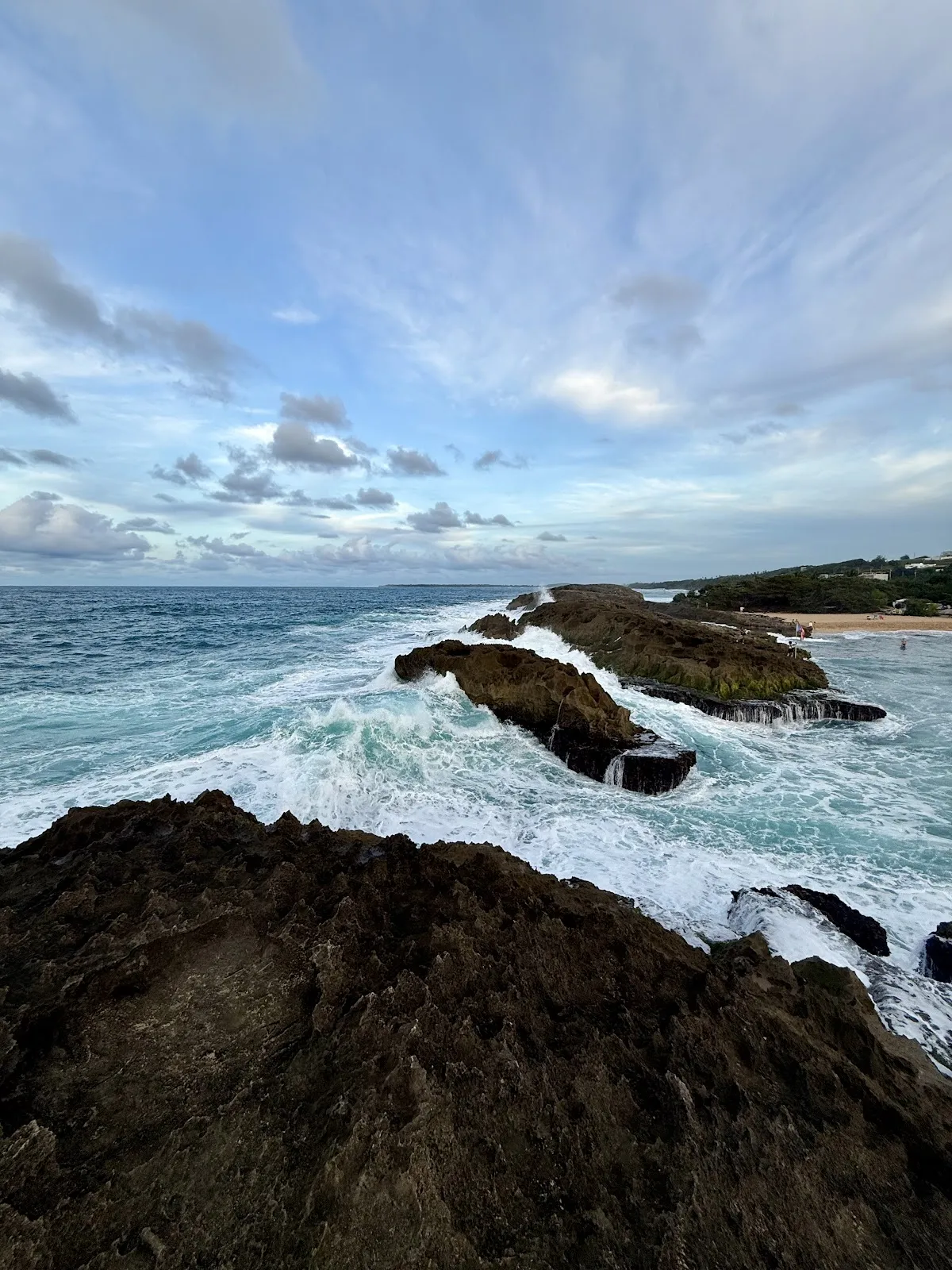
Powerful shore break is the primary hazard — waves slam directly onto the steep sand shelf.
Swim with a buddy and know your limits.
Informal roadside parking along the beach access road. No paved lot or marked spaces. Can accommodate roughly 30 cars. Arrives early on weekends to secure a spot.
Ways to experience Las Palmas Beach
Bookable tours and activities at and around this beach.
 Viator photoPopular near this beachSan Juan: Small-Group Snorkeling Experience with PickupDon't let other companies fool you! Transportation, entrance fees and gear are included in our price! Book with us, save money and feel relief!…✓ Free cancellation✓ Gear includedFrom $94Check availability ↗Browse more tours on Viator ↗
We may earn a commission when you book through Viator links, at no extra cost to you.
About Las Palmas Beach
A broad, open-ocean beach in Manati known for dramatic shore break and powerful Atlantic swells year-round. Best visited in summer during calmer conditions for swimming. The beach serves as a scenic trailhead to natural pools including La Poza de las Mujeres and Las Golondrinas Cave, making it ideal for surfers and hikers seeking adventure on Puerto Rico's rugged north coast.
Local tips
What to Bring+
Sun and Water Protection
- Reef-safe sunscreen (SPF 30 or higher) – Puerto Rico's tropical sun is intense, especially between 10 AM and 2 PM
- Reusable water bottle – Pack plenty of water; there are no vendors at this beach
- Hat or cap – Essential for sun protection
For Surfing and Water Activities
- Surfboard (shortboard or longboard depending on conditions)
- Rash guard – Protection from sun and reef contact
- Surf wax
- Reef boots – Recommended if the bottom is rocky
- Hiking shoes – If exploring the natural pools trail, as the rocky limestone path is uneven and slippery
Photography and General Items
- Camera with extra battery – Sunset views and coastal scenery are photogenic
- Tripod – For sunset shots
- Binoculars – For coastal views
- Cooler with food and snacks – No food vendors nearby
History & Background+
Las Palmas Beach is located in the municipality of Manati on Puerto Rico's north coast, where it faces the Atlantic Ocean. This region experiences consistent trade winds and swells that shape the shoreline throughout the year. The northern coast receives significantly more wave energy than the south, with winter months bringing larger swells from the North Atlantic.
The beach is known for its dramatic shore break and rough surf conditions that attract experienced surfers and bodyboarders. Beyond the beach itself, Las Palmas serves as a trailhead to famous natural rock pools, including La Poza de las Mujeres and Las Golondrinas Cave, all within walking distance. From June through August, wave energy diminishes enough to allow safer wading and swimming in shallower areas, creating the only reliable window for non-surfers to safely enjoy the water.
The municipality of Manati reflects deep historical roots in Puerto Rico's coastal culture, and beaches like Las Palmas carry the character of their surroundings, whether visited by local families on weekends or travelers discovering the region for the first time.
Nearby Attractions+
Las Palmas Beach is situated in Manati, which offers several attractions beyond the beach itself. The area is rich in both natural and cultural experiences worth exploring during your visit.
- Natural Pools Trail – Directly accessible from the beach, featuring La Poza de las Mujeres and Las Golondrinas Cave, all within walking distance
- Playa Tombolo y – Another beach in the Manati area with a different character worth exploring
- Playa Esperanza (Playa La Esperanza) – Alternative beach option in the region
- Escondida Beach – For beach-hopping opportunities
- Manati Town Center – Features a central plaza with a church, local shops, and cafes; a good place to experience everyday Puerto Rican town life
- Local Restaurants and Kiosks (Chinchorros) – Serve traditional Puerto Rican fare including fresh seafood, mofongo (mashed plantain with garlic), tostones (fried plantain slices), empanadillas, bacalaítos (codfish fritters), and piraguas (shaved ice with fruit syrup)
- Weekend Markets and Fiestas Patronales – Manati hosts festivals throughout the year, particularly during patron saint celebrations featuring live music, food, and cultural performances
Photos
Be the first to add a photo
Recent photos help others recognize the access point, water, and parking setup.
Reviews
No Puerto Rico Beach Finder reviews yet
Share whether access was easy, how the water felt, and what the next person should know.
Planning your visit
Explore by activity
Nearby beaches



Questions
Where is Las Palmas Beach located?
Las Palmas Beach is located in Manati, Puerto Rico. The exact coordinates are 18.475225, -66.500422. You can use GPS navigation or follow signs to Manati and look for beach access points.
Is Las Palmas Beach good for swimming?
Yes, Las Palmas Beach is a public beach open for swimming. Note that this beach is known for surfing conditions, so waves can be strong.
What facilities are available at Las Palmas Beach?
Las Palmas Beach offers the following facilities: Parking, Shade Structures.
What activities can I do at Las Palmas Beach?
Popular activities at Las Palmas Beach include surfing. The beach is perfect for a day trip from Manati.
Is there parking at Las Palmas Beach?
Yes, Las Palmas Beach has parking available.
Similar beaches
Discover more beaches
Explore 400+ beaches across the island with filters, maps, and detailed guides.
Explore all beaches