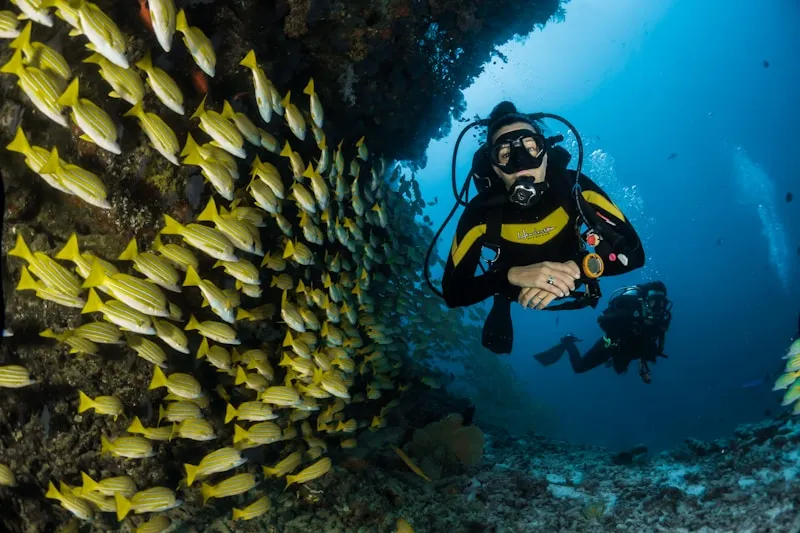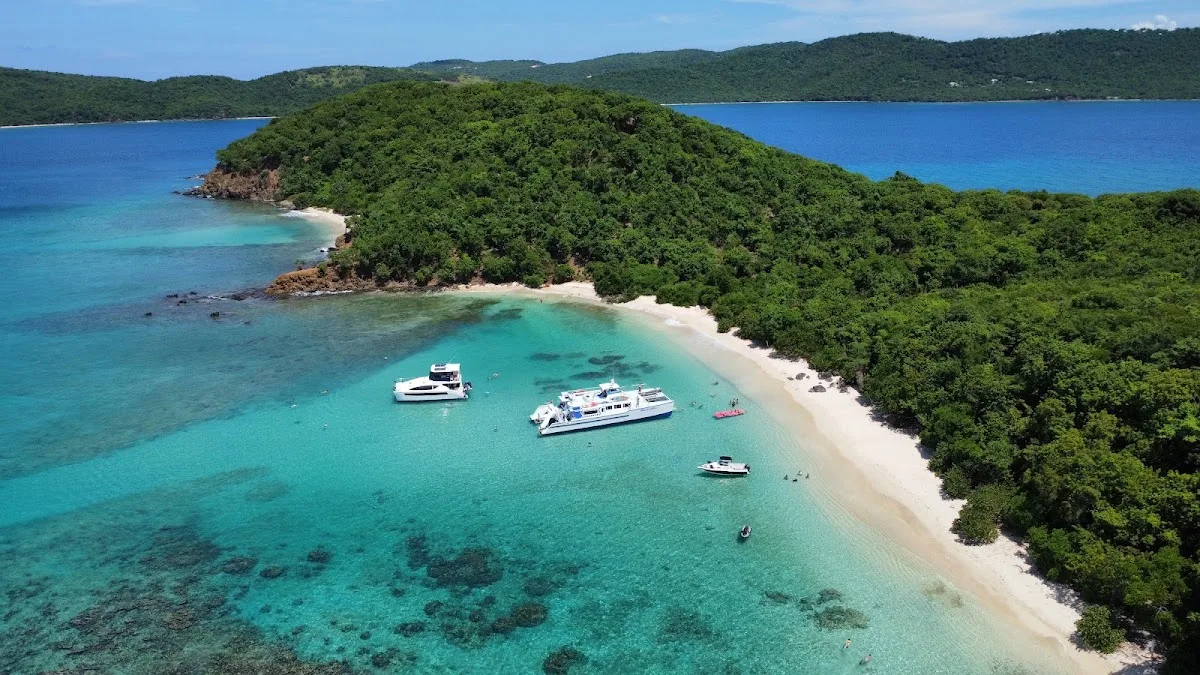
You can only reach Luis Pena Beach by boat or kayak — most visitors book a tour or water taxi from Culebra.
- Diving
- Scenic
- Secluded
- ✓ Water Sports
Boat or water taxi from Culebra. Most visitors book a tour. See tours →
January through May delivers the best underwater visibility and calmest conditions for the kayak crossing.
Tours and water taxis depart from Culebra. See tours →
Strong currents can develop in the channel between Culebra and the cay. Wear a life jacket during the kayak crossing. The marine reserve prohibits touching or standing on coral.
Swim with a buddy and know your limits.
Bring water, shade, and food for the day.
Ways to experience Luis Pena Beach
Bookable tours and activities at and around this beach.
 Viator photoPopular near this beachCulebra Snorkel and Beach Day with Lunch and DrinksCome aboard a 46-ft boat for a fantastic beach and snorkeling day trip to the best beaches and snorkeling spots in the clear waters of Culebra…✓ Free cancellation✓ Lunch & drinks✓ Gear includedFrom $139Check availability ↗Browse more tours on Viator ↗
We may earn a commission when you book through Viator links, at no extra cost to you.
About Luis Pena Beach
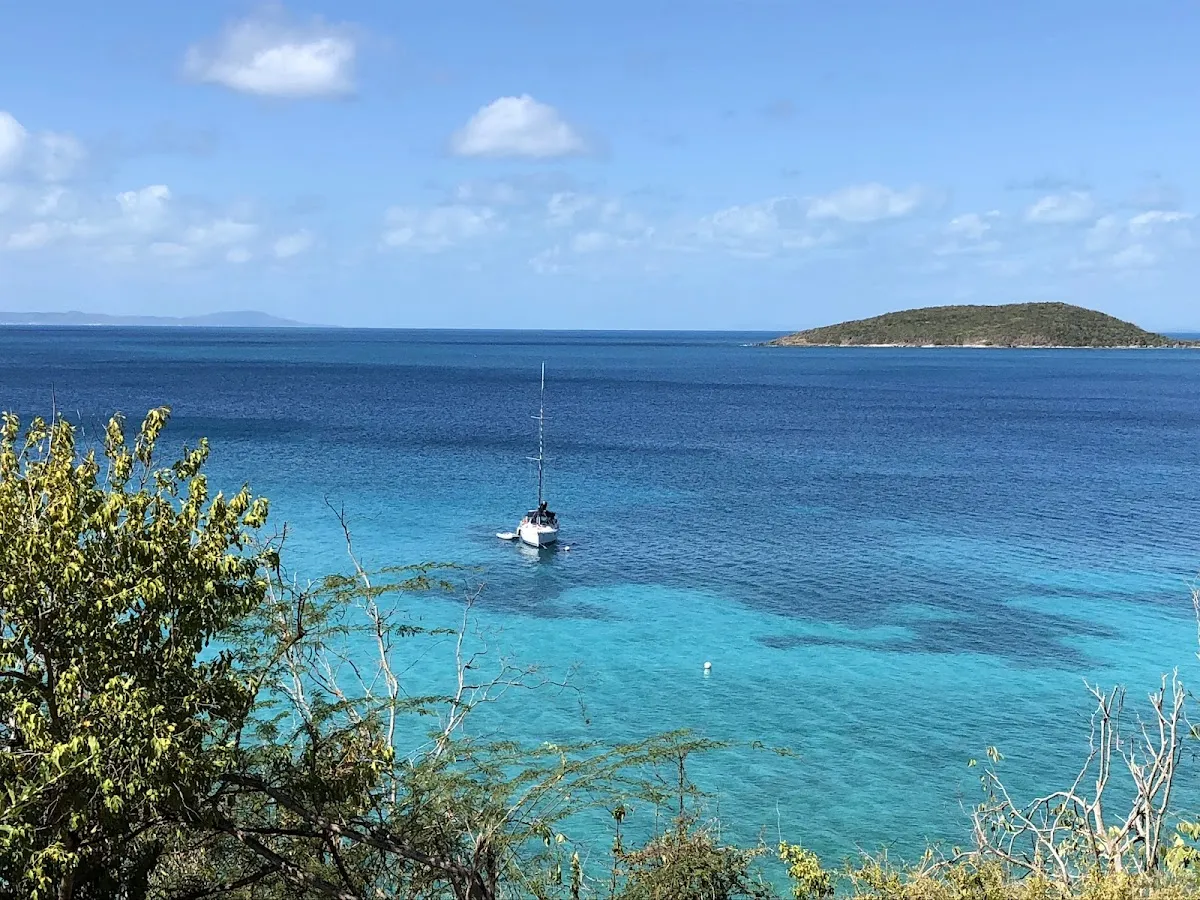
This beach sits on Cayo Luis Peña, the uninhabited cay guarding Culebra's west side, inside a marine reserve established in 1999. The reserve's restrictions have kept the reef unusually healthy — sea fans, eagle rays, and turtles are regular sightings a short swim from the sand.
Local tips
What to Bring+
Pack these essentials regardless of your planned activities:
- Sun protection: Reef-safe sunscreen (SPF 30 or higher), a reusable water bottle, and a hat for sun protection. Puerto Rico's tropical sun is intense, especially between 10 AM and 2 PM.
- Shade and comfort: A portable beach umbrella or pop-up shade tent is highly recommended, as natural shade may be limited.
- Food and water: Pack all supplies including meals, snacks, and plenty of water in a cooler. There are no food vendors at or near this beach.
- Snorkeling and diving: Bring your dive certification card and personal dive gear, or contact a local dive shop for rental equipment. Quality snorkel gear with a good mask seal is recommended; rental gear on Culebra can be worn out.
- Photography: A camera with extra battery, a tripod for sunset shots, and binoculars for coastal views.
- Safety: A life jacket during the kayak crossing. A first aid kit. Strong currents can develop in the channel between Culebra and the cay.
History & Background+
Luis Peña Beach is located in the municipality of Culebra, a small island municipality 17 miles east of mainland Puerto Rico, accessible by ferry from Ceiba or small plane. The surrounding waters are influenced by both Atlantic and Caribbean currents, and the relative isolation has preserved the natural coastal environment.
Established in 1999, the Cayo Luis Peña marine reserve protects healthy coral reefs, sea fans, and seagrass beds that support a thriving underwater ecosystem. Snorkelers and divers regularly encounter spotted eagle rays, hawksbill sea turtles, and schools of reef fish in the protected waters. Reaching the island requires paddling a kayak or hiring a water taxi from Culebra, which naturally limits visitor numbers and preserves the quiet atmosphere.
This stretch of shoreline carries the character of its surroundings, whether visited by local families on weekends or travelers discovering the area for the first time.
Nearby Attractions+
Luis Peña Beach is situated in Culebra, which offers several attractions beyond the beach itself. The neighboring area of Dewey is the only town and is a short drive away.
- Flamenco Beach: One of the area's main draws, well worth a visit if you have extra time.
- Culebra National Wildlife Refuge: A premier destination for nature lovers.
- Playa Brava (Culebra): A different beach character worth exploring.
- Punta Soldado: Another nearby beach option for island hopping.
- Carlos Rosario Beach: Offers a unique coastal experience.
- Dewey town center: Features a central plaza with a church, local shops, and cafes, a good place to experience everyday Puerto Rican town life.
- Local restaurants and kiosks: Look for chinchorros serving traditional Puerto Rican fare including fresh seafood, mofongo, and tostones. Many beach areas have informal food stalls appearing on weekends, selling empanadillas, bacalaítos, and piraguas at affordable prices.
- Weekend markets and festivals: Many towns hold events throughout the year, particularly during patron saint celebrations (fiestas patronales) featuring live music, food, and cultural performances.
Photos
Be the first to add a photo
Recent photos help others recognize the access point, water, and parking setup.
Reviews
No Puerto Rico Beach Finder reviews yet
Share whether access was easy, how the water felt, and what the next person should know.
Planning your visit
Explore by activity
Nearby beaches
Questions
Where is Luis Pena Beach located?
Luis Pena Beach is located in Culebra, Puerto Rico. The exact coordinates are 18.311067, -65.332936. You can use GPS navigation or follow signs to Culebra and look for beach access points.
Is Luis Pena Beach good for swimming?
Yes, Luis Pena Beach is a public beach open for swimming.
What facilities are available at Luis Pena Beach?
Luis Pena Beach offers the following facilities: Water Sports.
What activities can I do at Luis Pena Beach?
Popular activities at Luis Pena Beach include swimming, snorkeling. The beach is perfect for a day trip from Culebra.
Similar beaches


Discover more beaches
Explore 400+ beaches across the island with filters, maps, and detailed guides.
Explore all beaches