Melones Beach Culebra, Puerto Rico
Quick Facts
About Melones Beach
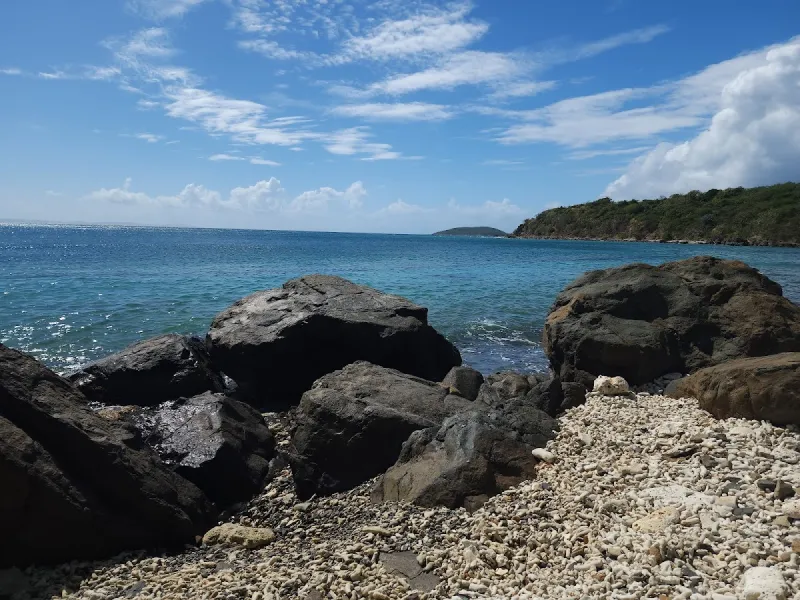
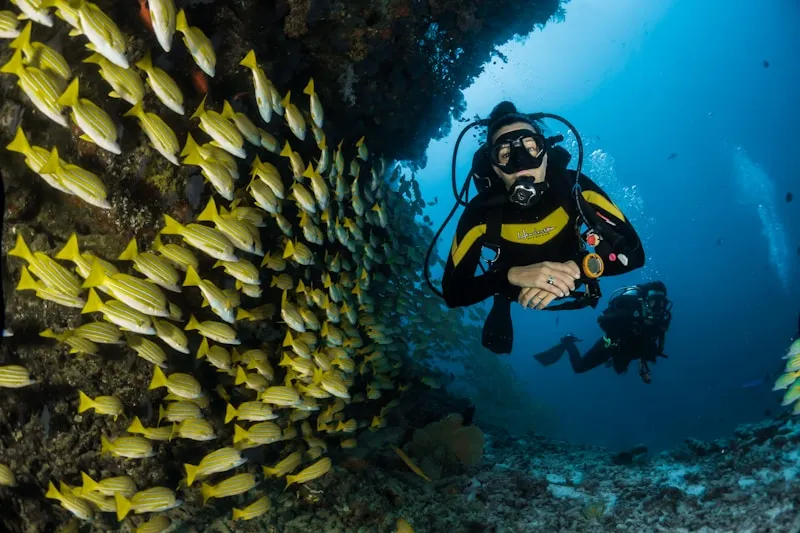
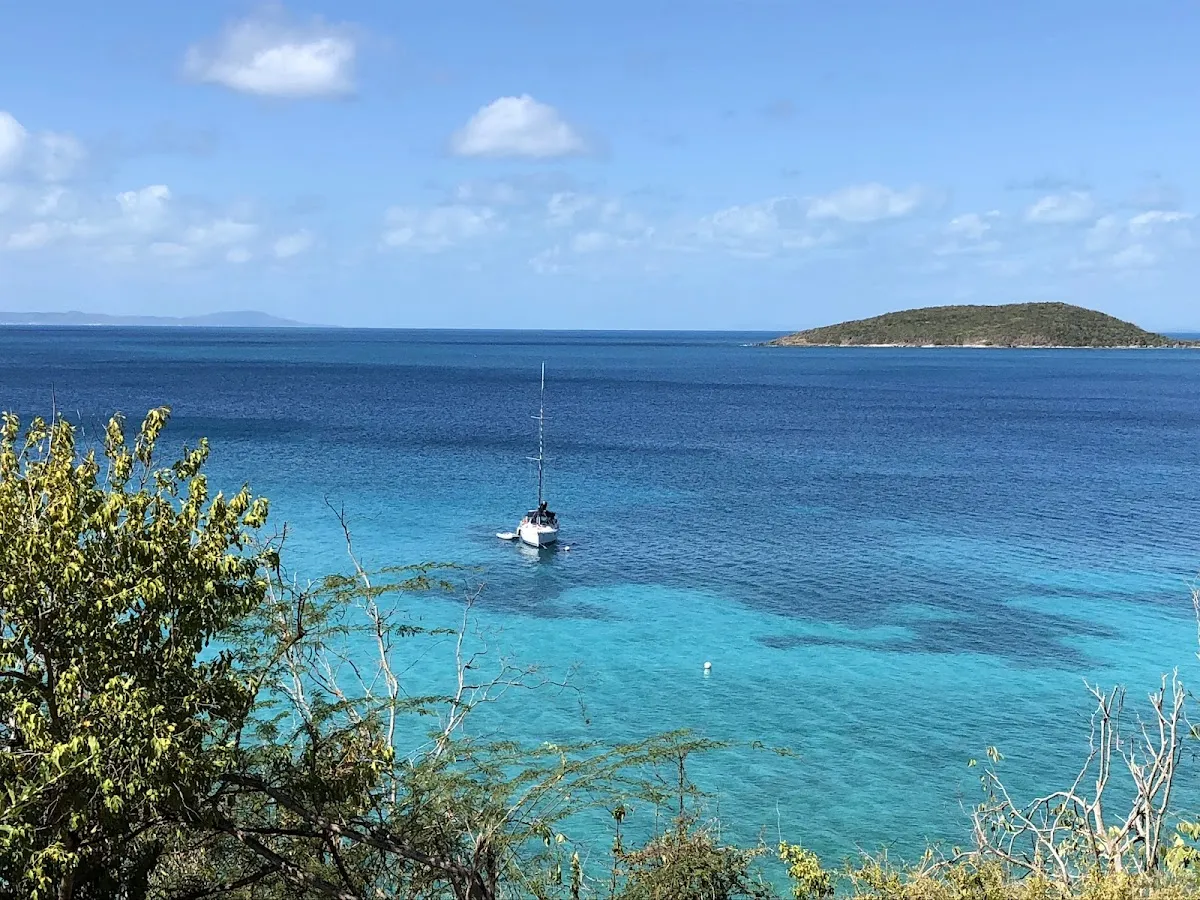
Melones Beach in Culebra offers stunning coastal scenery with a rocky reef entry ideal for snorkeling. Located on Puerto Rico's offshore island municipality, 17 miles east of the mainland, this scenic destination features excellent underwater visibility, diverse marine life, and spectacular sunset views. The beach sits near Dewey town, accessible by ferry from Ceiba. Clear waters and picturesque landscapes make it perfect for photography and water activities.
Visitor Tips
- Arrive before 10am to secure the best parking spots and beach locations
- Golden hour (shortly after sunrise or before sunset) provides the best lighting for photos
- Bring your own snorkeling gear for the best fit and visibility
- Bring your own food and drinks - limited vendors in the area
- Help preserve the beach beauty by taking all trash with you when you leave
- Bring plenty of water - staying hydrated in the tropical heat is essential
History & Background
Melones Beach is located in the municipality of Culebra, a small island municipality 17 miles east of mainland Puerto Rico. The island is accessible by ferry from Ceiba or by small commuter plane. As an offshore island, Culebra offers a distinct pace and character separate from the mainland, with the surrounding waters influenced by both Atlantic and Caribbean currents that have helped preserve the natural coastal environment.
Melones Beach stands as one of Culebra's most visually stunning coastal destinations, featuring a rocky entry with reef formations, clear waters with diverse marine life, and exceptional sunset views. The beach's picturesque landscapes and excellent underwater visibility make it a favorite for both photography and snorkeling. The municipality of Culebra carries deep roots in Puerto Rico's history, and beaches like Melones reflect the ongoing relationship between its coastal communities and the sea.
Whether visited by local families on weekends or travelers discovering the area for the first time, this stretch of shoreline embodies the character and natural beauty that define Culebra's island culture.
Best Time to Visit
Culebra's island weather tends to be drier and sunnier than the mainland. High season (December through April) brings the most pleasant weather conditions but also attracts the most visitors. Shoulder months (May and November) offer a good balance of favorable weather and fewer crowds. Ferry schedules may be affected during rough seas in winter months.
- Best Season: December through April – Most pleasant weather with lower humidity and optimal visibility for snorkeling
- Morning Visits (8 AM–11 AM) – Provides the best combination of good weather, manageable crowds, and ideal lighting
- Arrive Before 10 AM – Secures the best parking spots and beach locations before peak hours
- Shoulder Season (May, November) – Good weather with fewer tourists, though ferry service may be less frequent
Getting There
Melones Beach is located in Culebra on Puerto Rico's offshore islands. Reaching Culebra requires taking the ferry from the Ceiba terminal (formerly Fajardo) or booking a small commuter flight from Isla Grande or Ceiba airports. The ferry ride takes approximately 30 minutes to Culebra or 1 hour to Vieques. Book tickets in advance, especially on weekends and holidays, as ferries frequently sell out. Plan island transportation ahead of time since rental cars and taxis have limited availability.
- Travel to Ceiba mainland terminal from San Juan or other Puerto Rico locations
- Purchase ferry tickets in advance (recommended, especially weekends/holidays)
- Board the ferry for approximately 30-minute crossing to Culebra
- Arrange a rental car or taxi upon arrival on Culebra
- Navigate to Melones Beach using GPS coordinates (18.303, -65.3107) rather than street addresses
Parking: Access to Melones Beach is via roadside access. Arrive early (before 10 AM) to secure the best parking spots. A rental car is the most practical way to explore beaches beyond the San Juan metro area, as signage is limited and GPS coordinates are more reliable than street addresses for locating beaches in Puerto Rico.
What to Bring
For Snorkeling & Water Activities:
- Snorkel set (mask, snorkel, fins) – bring your own for best fit and visibility
- Underwater camera – ideal for capturing marine life and reef formations
- Reef-safe sunscreen (SPF 30 or higher) – apply regularly and reapply after swimming
- Waterproof bag – to protect valuables from salt water and sand
For Photography & Viewing:
- Camera with extra battery – for capturing sunset views and coastal landscapes
- Tripod – essential for sunset shots and long exposures
- Binoculars – for observing coastal wildlife and distant features
Essential Sun & Hydration Protection:
- Hat – for sun protection, especially 10 AM–2 PM when UV is strongest
- Reusable water bottle – bring plenty of water; staying hydrated in tropical heat is essential
- Portable beach umbrella or pop-up shade tent – highly recommended as natural shade is limited
Food & Safety:
- Pack your own meals and snacks – there are no food vendors at or near this beach
- Cooler with ice – to keep food and drinks cold throughout the day
- First-aid kit – for minor cuts or injuries from rocky entry
- Note: No lifeguards are present. Swim at your own risk and never swim alone. Check weather conditions before visiting, especially during hurricane season (June–November)
Nearby Attractions
Melones Beach is situated in Culebra, which offers several attractions beyond the beach itself. The nearby town of Dewey (Culebra's only town) is a short drive away and worth exploring for local culture and dining. Spanish is the primary language in most areas, and learning a few basic phrases enhances interactions with locals.
- Flamenco Beach – one of Puerto Rico's most famous beaches, nearby and worth a visit
- Culebra National Wildlife Refuge – protects important coastal and marine habitats; excellent for nature observation
- Playa Resaca, Playa Dinero, and Punta Soldado – other nearby beaches with distinct character; ideal for beach hopping if you have time
- Dewey Town Center – features a central plaza with a church, local shops, and cafes; experience everyday Puerto Rican town life
- Local Restaurants & Chinchorros (Food Kiosks) – serve traditional Puerto Rican fare including fresh seafood, mofongo (mashed plantain with garlic), tostones (fried plantain slices), empanadillas, bacalaítos (codfish fritters), and piraguas (shaved ice with fruit syrup)
- Weekend Markets & Fiestas Patronales – many towns hold weekend markets or festivals throughout the year, featuring live music, food, and cultural performances celebrating patron saints
Local Tips
- Photography Timing: Golden hour (shortly after sunrise or before sunset) provides the best lighting for photos and videos
- Bring Your Own Food: Pack your own meals and drinks – there are limited or no vendors in the area
- Leave No Trace: Help preserve the beach beauty by taking all trash with you when you leave. Pack out all trash and leave the beach as you found it
- Stay Hydrated: Bring plenty of water and drink regularly – staying hydrated in the tropical heat is essential, especially between 10 AM and 2 PM when UV rays are strongest
- Know Your Beach Rights: As with all Puerto Rico beaches, the beach zone up to the high-tide mark is public land by law, regardless of any adjacent private property or signage suggesting otherwise. You have the legal right to access and enjoy any beach in Puerto Rico
- Protect Marine Life & Ecosystems: Between April and November, sea turtles may nest on sandy beaches. If you spot a nest or hatchlings, keep your distance and report it to the DRNA (Department of Natural Resources). When snorkeling, avoid touching or standing on coral formations – they are fragile and legally protected under both federal and Puerto Rico law. Maintain neutral buoyancy and keep your fins from scraping the bottom
- Respect Puerto Rican Culture: Spanish is the primary language in most areas outside San Juan's tourist zones. Learning a few phrases like '¿Dónde está la playa?' (Where is the beach?) and 'Gracias' (Thank you) goes a long way with locals. Puerto Ricans are generally warm and helpful toward visitors who show respect for the culture and environment
- Check Weather: Review weather conditions before visiting, especially during hurricane season (June–November), and monitor ferry schedules as they may be affected by rough seas
Visitor Photos
Sign in to addNo photos yet. Be the first to share!
Reviews
No reviews yet. Be the first to share your experience!
Conditions
1 month agoLive Updates
No recent crowd data
Amenities
Practical Info
No lifeguards are present. Swim at your own risk and never swim alone. Apply waterproof sunscreen regularly - the tropical sun is strong. Check weather conditions before visiting, especially during hurricane season (June-November).