Playa El Único Dorado, Puerto Rico
Quick Facts
About Playa El Único
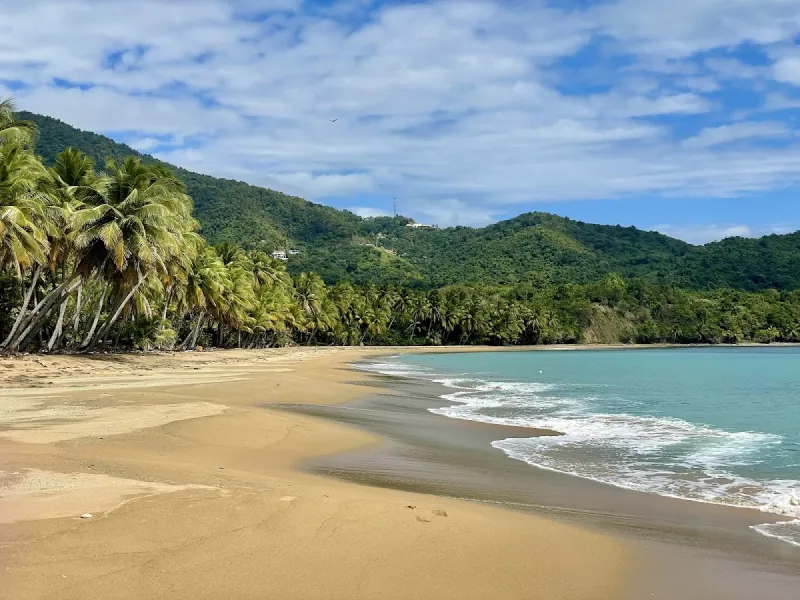
Expansive, secluded beach in Dorado with a private-beach feel ideal for uninterrupted walks and peaceful swimming. This important sea turtle nesting site offers visitors the chance to spot hatchlings during breeding season. Winter swells attract bodyboarders and surfers to this undeveloped stretch, while minimal crowds and pristine sands make it a true escape from Dorado's busier coastal areas.
Visitor Tips
- Visit between March and August for a chance to see sea turtle nesting activity at dawn
- Pack all supplies including water, sunscreen, and shade — no vendors or structures on the beach
- Shore break can be strong; bodyboard with fins and watch for sudden depth changes
- If you see turtle nests marked with stakes, keep your distance and avoid using flashlights at night
History & Background
Playa El Unico sits along Dorado's northern coast, part of a municipality whose name means "golden" and whose history stretches back to Taino settlements that once thrived along these shores. Archaeological sites in the Dorado area have yielded ceremonial objects, pottery fragments, and ball courts that suggest a significant indigenous population before Spanish arrival.
Founded in 1842, Dorado developed as a colonial settlement with sugar cane cultivation dominating the landscape for centuries. The mid-20th century brought dramatic change when Laurance Rockefeller developed Dorado Beach Resort in 1958, establishing the municipality as an upscale destination. However, Playa El Unico to the west has remained largely undeveloped, preserving its natural character. The beach serves as a vital nesting ground for leatherback and hawksbill sea turtles, which return annually between March and August to lay eggs in the sand, monitored by conservation volunteers.
The beach's name, El Unico ("The Only One"), reflects the local sentiment that this is Dorado's truest beach experience. Despite regional growth and the construction of PR-22 toll expressway, this stretch has avoided development pressures, partly due to local conservation efforts. Winter swells from the North Atlantic support a small but dedicated community of bodyboarders and surfers who appreciate the uncrowded lineup.
Best Time to Visit
The best overall conditions for visiting Playa El Unico occur during the dry season from December through April, when rainfall is minimal, temperatures sit in the low 80s, and trade winds keep humidity manageable.
- Winter Months (December–April): Ideal weather, minimal rain, and north/northwest swells perfect for bodyboarding and surfing.
- Sea Turtle Nesting Season (March–August): Peak hatching occurs June through September. Contact local conservation groups for monitored nesting activity. Use only red-filtered lights for evening visits.
- Summer (June–October): Warmer and more humid with afternoon thunderstorms common. Ocean is calmer, better for swimming on swell-free days. Hurricane season peaks in September and October.
- Crowd Levels: The beach sees far fewer visitors than Dorado's main balneario. Sunday mornings bring local families; early mornings and late afternoons offer near-solitude any day of the week.
Getting There
From San Juan, Playa El Unico is approximately 30 to 40 minutes away by car. The beach is not served by public transportation, so a rental car or ride-share service is essential.
- Take PR-22 west from San Juan toward Dorado (toll road—have an AutoExpreso transponder or be prepared to pay tolls).
- Exit at the Dorado interchange and head north toward the coast.
- Navigate through Dorado's residential streets toward the coastline west of the main balneario area. Local signage is minimal; use GPS coordinates or a maps application with the beach name.
- From western municipalities like Arecibo or Manati, head east on PR-2 and turn north toward the Dorado coast.
Parking near Playa El Unico is informal, with roadside spots available near access points. There is no paved parking lot, so be mindful of where you leave your vehicle to avoid blocking residential driveways. During heavy rain, unpaved access areas can become muddy. The walk from Dorado's town center to the beach is approximately 20 to 30 minutes on foot through residential neighborhoods.
What to Bring
Water & Food:
- Drinking water and meals—there are no vendors, restaurants, or shops at the beach. Dorado's town center has supermarkets and restaurants within a short drive.
Sun & Shade Protection:
- High-SPF sunscreen, hat, and UV-protective clothing—the tropical sun is strongest between 10 AM and 3 PM.
- Beach umbrella or pop-up tent for reliable shade during extended visits.
For Surfing & Water Activities:
- Bodyboard or surfboard if visiting during surf season; no rental operations nearby.
- Board leash to prevent separation from your board in the shore break.
- Water shoes for navigating rocky patches between sandy stretches.
Beach Etiquette & Wildlife:
- Trash bag to pack out all waste—there are no garbage bins.
- Binoculars for birdwatching; pelicans, frigatebirds, and shorebirds frequent this undeveloped stretch.
- Red-filtered flashlight only for evening visits during turtle nesting season.
- Insect repellent to ward off mosquitoes and sand flies active near vegetation, especially at dawn and dusk.
Nearby Attractions
Dorado offers several attractions within a short drive or walk, providing excellent opportunities to combine beach time with cultural and culinary exploration.
- Manuel Morales Jr. Balneario (Dorado Beach): The nearest developed beach, a short drive east, with restrooms, showers, lifeguards, picnic shelters, and food kiosks selling drinks and simple meals.
- Dorado's Historic Town Plaza & Center: Features a colonial church, local restaurants, bakeries, and cafeterias serving breakfast items like mallorcas, quesitos, and strong Puerto Rican coffee.
- Dorado Beach Ritz-Carlton Reserve: A private resort with restaurants accepting non-guest reservations, including Su Casa (in a restored plantation house) and Positivo Sand Bar. Nature trail through a coconut grove along the coast.
- Ciclovía Dorado: A flat, paved cycling and walking path along the coast connecting various beach access points and neighborhoods. Suitable for all fitness levels; bicycles available for rent in town.
- Dorado Community Museum (Casa del Rey): Houses artifacts from the municipality's Taino and colonial past. Free admission.
- Popular Local Restaurants: El Ladrillo (comida criolla) and Mangiare (Italian cuisine) are favored by locals for a full day in the area.
Local Tips
- Respect the beach's name and character: El Unico ("The Only One") reflects locals' sentiment that this is Dorado's truest beach experience, uncluttered by resort fences or balneario rules. Keep the area clean and undisturbed; the local community is protective of this stretch.
- Protect sea turtles at all costs: If you see marked turtle nests flagged with stakes and tape by authorized monitors, stay well clear. Disturbing a nest carries legal penalties under Puerto Rico and federal law. Turtles are protected species. During nesting season, keep noise low and lights off when walking at night.
- Assess surf and water conditions: The beach break here is close to shore with a punchy shore break that can be powerful on bigger swells. Less experienced swimmers should be cautious, especially during winter when wave energy increases. There are no lifeguards—enter the water only if confident in your abilities.
- Plan a full-day itinerary: Combine a morning at Playa El Unico with lunch at local restaurants like El Ladrillo or Mangiare serving comida criolla and Italian fare. End the day with a walk along the Ciclovía as temperatures cool in late afternoon.
- Time visits to avoid biting insects: Mosquitoes and sand flies are active near the vegetation line at dawn and dusk. Apply insect repellent before settling in, and choose a spot closer to the waterline where the breeze keeps insects at bay.
Visitor Photos
Sign in to addNo photos yet. Be the first to share!
Reviews
No reviews yet. Be the first to share your experience!
Live Updates
No recent crowd data
Amenities
Practical Info
No lifeguards are on duty at any time along this stretch of coast. Shore break waves can be deceptively powerful and slam swimmers into the sandy bottom with force. Keep a close eye on children near the waterline where waves surge unpredictably. Rip currents form during winter swells and can pull even strong swimmers offshore. Check conditions before entering the water.