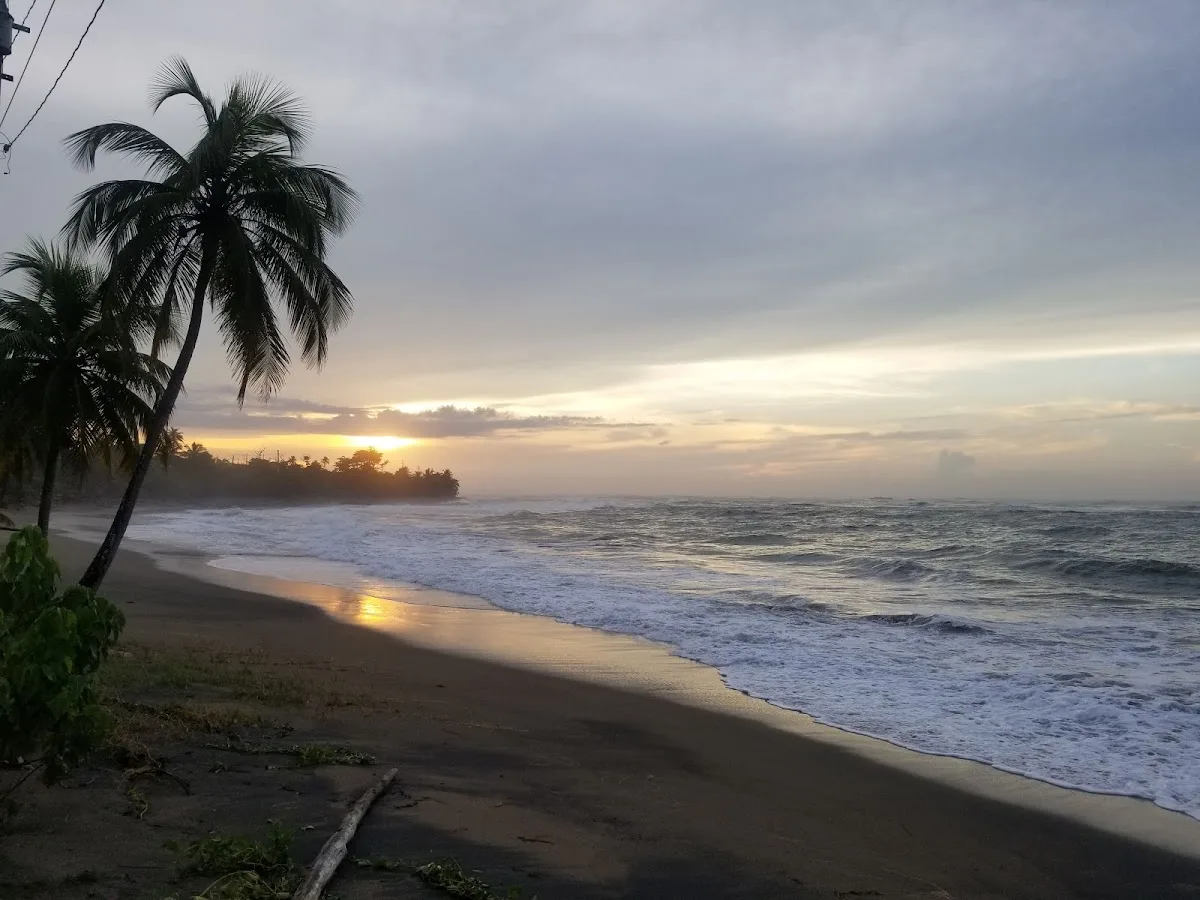
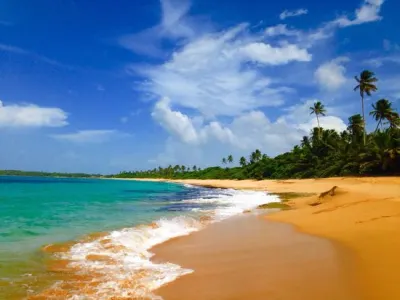
Playa La Palmita is a popular beach in Barceloneta, Puerto Rico, known for its popularity with locals and visitors and scenic views. A scenic palm-lined beach in Barceloneta on Puerto Rico's north coast, where sandy shoreline transitions into smooth rock slabs at the water's edge. Facilities include on-site dining.
- Fishing
- Popular
- Scenic
- ✓ Food & Drinks
- ✓ Shade/Umbrellas
Short path.
Summer months bring calmer north coast conditions for swimming.
The smooth rock slabs at the water line are slippery when wet — exercise caution when entering and exiting the water. North coast Atlantic surf can produce strong waves and currents.
Swim with a buddy and know your limits.
Roadside pull-off parking along PR-681. No dedicated lot. The coastal road has multiple informal spots near the beach and chinchorro stops. Space is rarely an issue on weekdays.
Ways to experience Playa La Palmita
Bookable tours and activities at and around this beach.
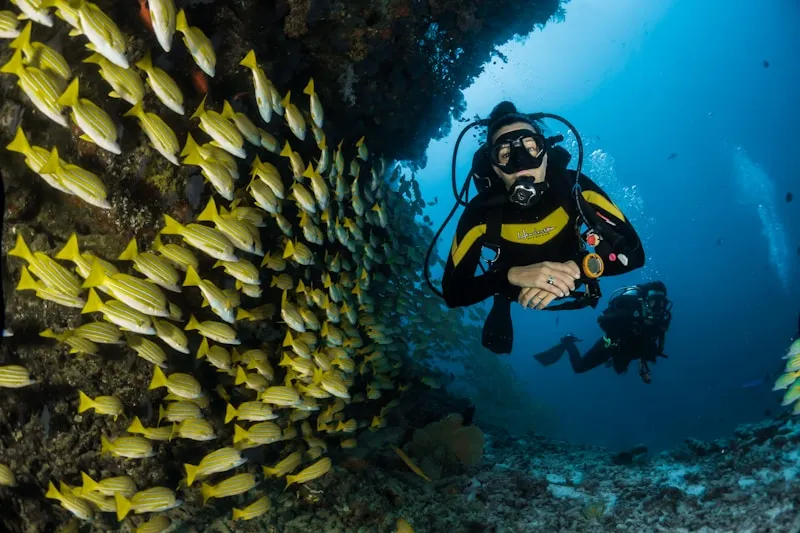
 Viator photoPopular near this beachTanama River Cave Tubingour tour is offered at the heart of a subtropical forest through private access and completely away from crowds. Following old trails left by our…◷ About 6 hours✓ Free cancellationFrom $99Check availability ↗Browse more tours on Viator ↗
We may earn a commission when you book through Viator links, at no extra cost to you.
About Playa La Palmita
A scenic palm-lined beach in Barceloneta on Puerto Rico's north coast, where sandy shoreline transitions into smooth rock slabs at the water's edge. Located along the vibrant PR-681 coastal corridor, Playa La Palmita is popular with local fishing enthusiasts and swimmers seeking natural shade from towering palms. The area is known for its traditional chinchorros serving fresh seafood and local fritters, making it a favorite spot for both beach days and authentic coastal dining.
Local tips
What to Bring+
For Fishing:
- Fishing rod and tackle
- Bait
- Cooler for storing your catch
- Valid Puerto Rico fishing license
For Photography and Scenic Viewing:
- Camera with extra battery
- Tripod for sunset shots
- Binoculars for coastal views
For Swimming:
- Comfortable swimsuit
- Goggles
- Water shoes (helpful for the smooth rock slab entry)
- Towel
Essential Sun and Health Protection:
- Reef-safe sunscreen (SPF 30 or higher)
- Hat or visor for sun protection
- Reusable water bottle
- Snacks (though food is available nearby)
Puerto Rico's tropical sun is intense, especially between 10 AM and 2 PM. The smooth rock slabs at the water line are slippery when wet—exercise caution when entering and exiting the water. North coast Atlantic surf can produce strong waves and currents. No lifeguard is on duty, so swim near others and avoid deep water during high surf.
History & Background+
Playa La Palmita is located in the municipality of Barceloneta, a north coast community known for pharmaceutical manufacturing and vibrant beach festivals. This stretch of Puerto Rico's north coast faces the Atlantic Ocean, where consistent trade winds generate notable swells and currents that shape the shoreline year-round.
The beach takes its name from the row of tall palm trees that frame the sandy shoreline, providing natural shade along this section of the Atlantic coast. The distinctive feature of this beach is where the sandy beach transitions into smooth rock slabs at the water's edge, creating a unique entry experience. Playa La Palmita is part of the scenic PR-681 coastal corridor, where traditional chinchorros (casual open-air eateries) serve fried fritters, fresh seafood, and cold beverages to both locals and visitors.
The municipality of Barceloneta carries deep roots in Puerto Rico's coastal history, and beaches like Playa La Palmita reflect the ongoing relationship between local communities and the sea, whether visited by families on weekends or travelers discovering the area for the first time.
Nearby Attractions+
Playa La Palmita is situated in Barceloneta, which offers several attractions beyond the beach itself. The area combines natural beauty with local culture and dining opportunities worth exploring.
- Barceloneta Beach Boardwalk Area: Well worth a visit if you have extra time, offering a scenic waterfront experience.
- Arecibo: A neighboring coastal town worth exploring, located a short drive away.
- Local Chinchorros and Food Stalls: Traditional casual eateries serving alcapurrias, bacalaítos (codfish fritters), empanadillas, piononos, and piraguas (shaved ice with fruit syrup) at affordable prices. Many appear on weekends.
- Traditional Puerto Rican Restaurants: Look for establishments serving mofongo (mashed plantain with garlic), tostones (fried plantain slices), and fresh seafood dishes. Ask locals for their favorite spots.
- Las Criollas Beach: Another beach in the Barceloneta area with its own distinct character.
- Playa Las Marías: Additional beach option for exploration if beach-hopping.
- Puerto de las Vacas Shore: Another nearby beach with different features to discover.
- Barceloneta Town Center: Features a central plaza with a church, local shops, and cafés—a good place to experience everyday Puerto Rican town life. Weekend markets and festivals occur throughout the year, particularly during patron saint celebrations (fiestas patronales) with live music, food, and cultural performances.
Photos
Be the first to add a photo
Recent photos help others recognize the access point, water, and parking setup.
Reviews
No Puerto Rico Beach Finder reviews yet
Share whether access was easy, how the water felt, and what the next person should know.
Planning your visit
Explore by activity
Nearby beaches

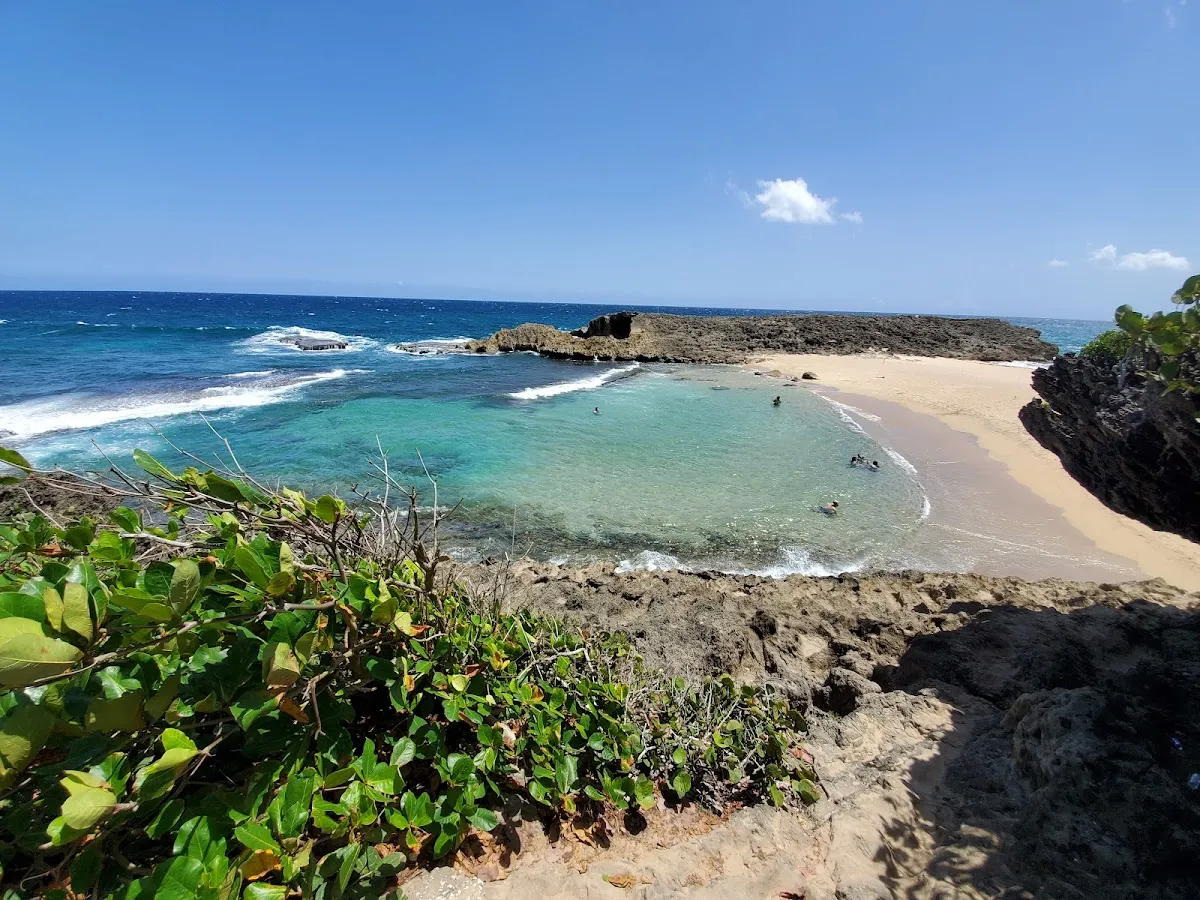
Questions
Where is Playa La Palmita located?
Playa La Palmita is located in Barceloneta, Puerto Rico. The exact coordinates are 18.485647, -66.564629. You can use GPS navigation or follow signs to Barceloneta and look for beach access points.
Is Playa La Palmita good for swimming?
Yes, Playa La Palmita is a public beach open for swimming.
What facilities are available at Playa La Palmita?
Playa La Palmita offers the following facilities: Food, Shade Structures.
What activities can I do at Playa La Palmita?
Popular activities at Playa La Palmita include swimming, fishing. The beach is perfect for a day trip from Barceloneta.
Is there parking at Playa La Palmita?
Parking near Playa La Palmita may be limited. It's recommended to arrive early, especially on weekends and holidays.
Similar beaches
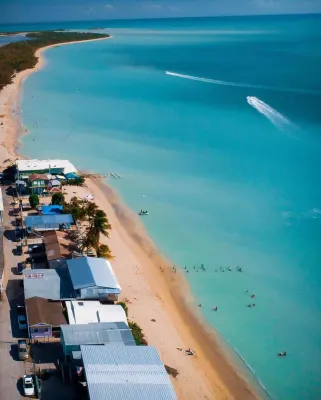
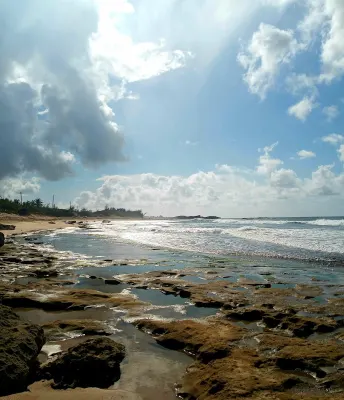
Discover more beaches
Explore 400+ beaches across the island with filters, maps, and detailed guides.
Explore all beaches