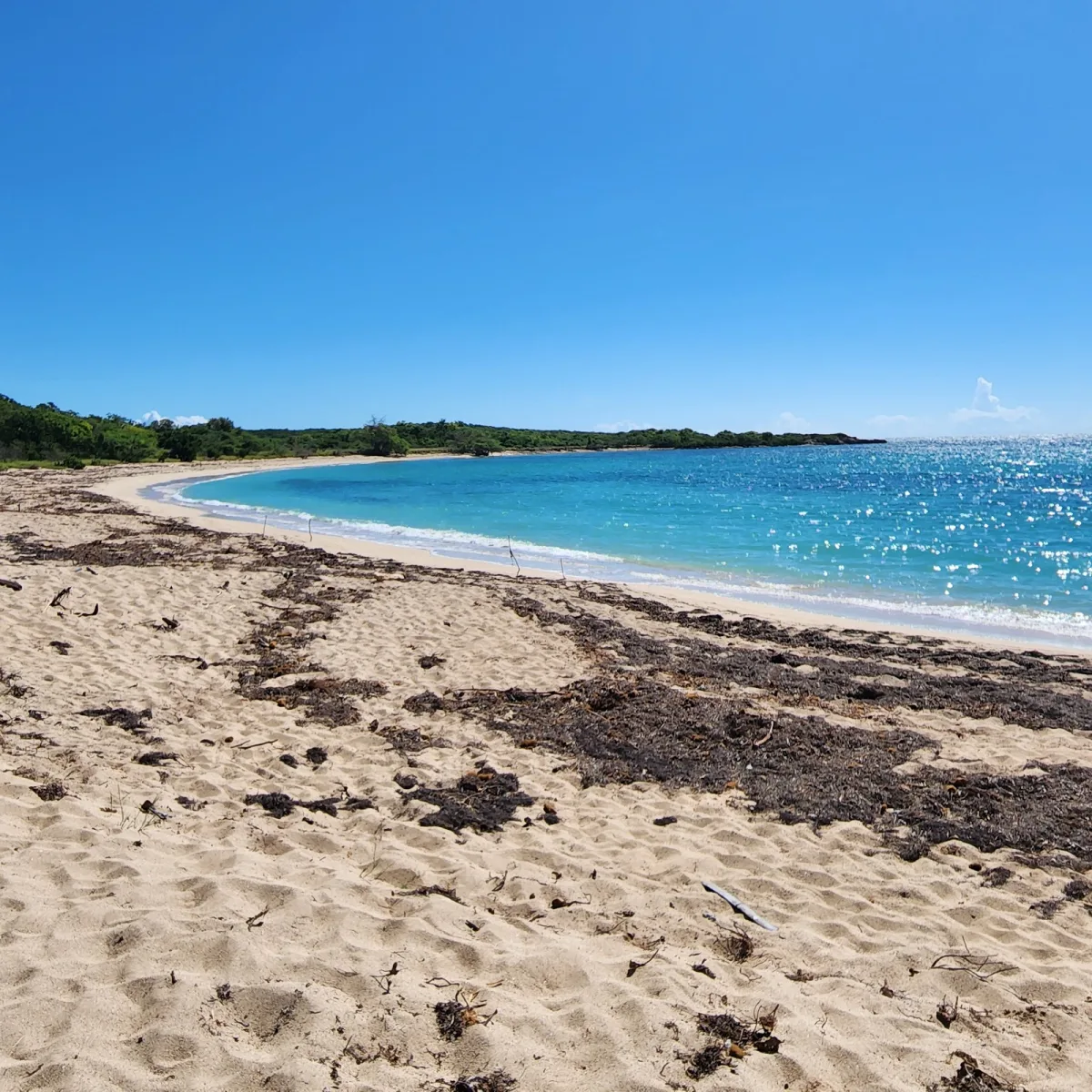
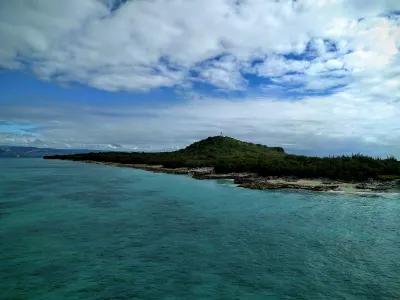
Playa Tamarindo is a secluded beach in Guanica, Puerto Rico, known for scenic views and its secluded atmosphere. A pristine 400-meter stretch of fine sand within the Guánica Dry Forest, a UNESCO Biosphere Reserve.
- Scenic
- Secluded
10-min walk.
Year-round access with the driest and most comfortable weather from December through April.
10-min walk.
Swim with a buddy and know your limits.
Small gravel lot at the dry forest trailhead. Fits about 10-12 cars. Free but unattended. The access road is paved but narrow in sections.
Bring water, shade, and food for the day.
Ways to experience Playa Tamarindo
Bookable tours and activities at and around this beach.
 Viator photoPopular Puerto Rico experienceTanama River Cave Tubingour tour is offered at the heart of a subtropical forest through private access and completely away from crowds. Following old trails left by our…◷ About 6 hours✓ Free cancellationFrom $99Check availability ↗Browse more tours on Viator ↗
We may earn a commission when you book through Viator links, at no extra cost to you.
About Playa Tamarindo
A pristine 400-meter stretch of fine sand within the Guánica Dry Forest, a UNESCO Biosphere Reserve. A scenic boardwalk winds through nesting ponds for the critically endangered Puerto Rican crested toad before reaching the secluded shore. Crystal-clear waters ideal for snorkeling and swimming. Completely undeveloped with no facilities, restrooms, lifeguards, or vendors—a protected natural escape.
Local tips
What to Bring+
Sun & Hydration Protection:
- Reef-safe sunscreen (SPF 30 or higher)
- Wide-brimmed hat and sunglasses for intense tropical sun
- 2+ liters of water per person (dehydration is a real risk in the dry forest heat)
- Portable beach umbrella or pop-up shade tent (natural shade is limited)
Water Activities:
- Snorkel set (mask, snorkel, fins) for reef exploration
- Underwater camera if documenting marine life
Food & Supplies:
- All meals, snacks, and refreshments (no food vendors at or near this beach)
- Cooler with ice to keep food and drinks cold
- First aid kit for minor injuries
Photography & Observation:
- Camera with extra battery for boardwalk and forest scenes
- Binoculars for bird watching and coastal wildlife
- Tripod for sunset or wildlife photography
Important: There are no lifeguards, facilities, or cell service in parts of the reserve. Pack everything you need before arriving.
History & Background+
Playa Tamarindo is located in Guánica municipality on Puerto Rico's south coast, within one of the world's best-preserved subtropical dry forests designated as a UNESCO Biosphere Reserve. This 400-meter stretch of fine sand represents a rare, completely undeveloped coastal ecosystem where natural processes remain largely undisturbed.
A distinctive boardwalk passes through nesting ponds for the critically endangered Puerto Rican crested toad, offering visitors a unique opportunity to observe this species in its natural habitat while protecting sensitive breeding grounds. The beach itself features zero development—no vendors, structures, or utilities—preserving the authentic character of this protected coastline.
The municipality of Guánica has deep historical roots in Puerto Rico, and beaches like Playa Tamarindo reflect the enduring relationship between coastal communities and the sea. Whether visited by local families or travelers discovering the area, this shoreline carries the distinctive character of its pristine dry forest surroundings.
Nearby Attractions+
Playa Tamarindo is situated in Guánica, which offers several attractions and cultural experiences beyond the beach itself. The municipality combines natural reserves with authentic Puerto Rican coastal town culture.
- Guánica Town Center: Central plaza featuring a historic church, local shops, cafes, and weekend markets showcasing traditional Puerto Rican products and crafts
- Local Dining & Food Stalls: Roadside kiosks (chinchorros) serving fresh seafood, mofongo (mashed plantain with garlic), tostones (fried plantain slices), empanadillas, bacalaítos (codfish fritters), and piraguas (shaved ice with fruit syrup)—ask locals for their favorite spots
- Fiestas Patronales: Weekend festivals and patron saint celebrations throughout the year featuring live music, traditional food, and cultural performances
- Nearby Beaches: Playa Ballena, Playa La Jungla, and other Guánica-area beaches, each with distinct character and worth exploring for beach hopping
- Guánica Dry Forest Reserve: Extensive hiking trails and wildlife observation opportunities within the UNESCO-designated biosphere reserve surrounding the beach
Photos
Be the first to add a photo
Recent photos help others recognize the access point, water, and parking setup.
Reviews
No Puerto Rico Beach Finder reviews yet
Share whether access was easy, how the water felt, and what the next person should know.
Planning your visit
Explore by activity
Nearby beaches

Questions
Where is Playa Tamarindo located?
Playa Tamarindo is located in Guanica, Puerto Rico. The exact coordinates are 17.953452, -66.846965. You can use GPS navigation or follow signs to Guanica and look for beach access points.
Is Playa Tamarindo good for swimming?
Yes, Playa Tamarindo is a public beach open for swimming.
What facilities are available at Playa Tamarindo?
Playa Tamarindo is a natural beach. Facilities may be limited, so consider bringing your own supplies.
What activities can I do at Playa Tamarindo?
Popular activities at Playa Tamarindo include swimming, snorkeling. The beach is perfect for a day trip from Guanica.
Is there parking at Playa Tamarindo?
Parking near Playa Tamarindo may be limited. It's recommended to arrive early, especially on weekends and holidays.
Similar beaches
Discover more beaches
Explore 400+ beaches across the island with filters, maps, and detailed guides.
Explore all beaches