Pocita De Teodoro is a family-friendly beach in Isabela, Puerto Rico, known for calm waters and families. A natural rock pool on Isabela's northwest coast near Jobos Beach, where limestone formations create a sheltered swimming area with varying depths. Facilities include parking.
- Scenic
- ✓ Parking
- ✓ Shade/Umbrellas
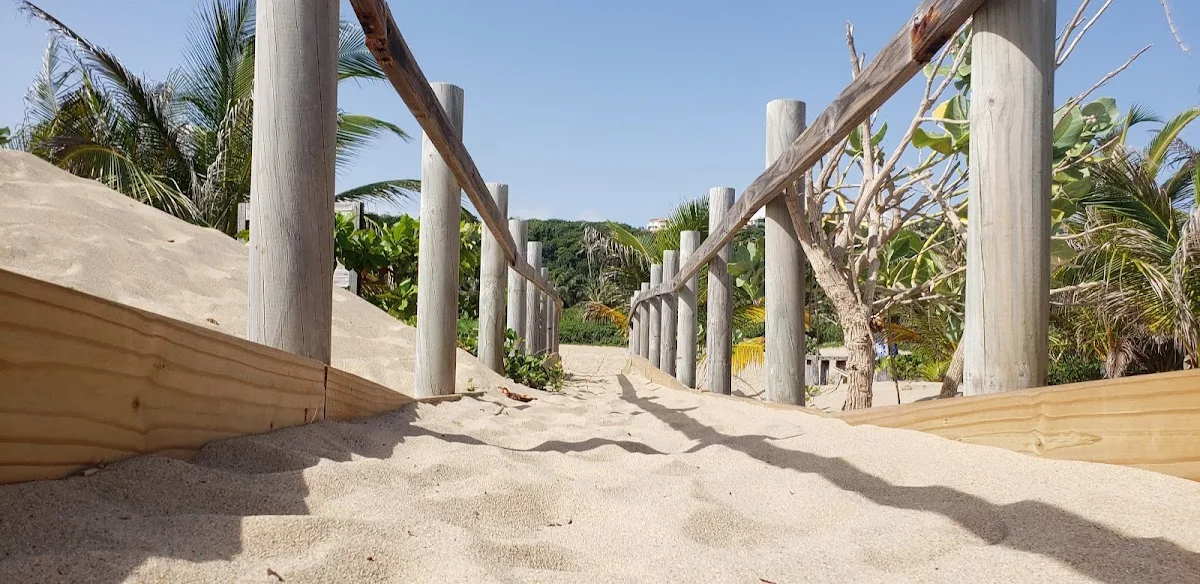
Short path.
Low tide provides the calmest and most enjoyable pool conditions, typically in the morning hours.
Rock surfaces around the pool are slippery and sharp in places, making water shoes strongly recommended for all visitors.
Swim with a buddy and know your limits.
Informal roadside parking along Route 466 between Jobos Beach and the pocita access point. Spots fill up quickly on weekends and holidays, especially during summer months. Arrive before 10 AM on Saturdays and Sundays for the best chance at a close spot. No paved lot or official signage marks the area.
Ways to experience Pocita De Teodoro
Bookable tours and activities at and around this beach.
 Viator photoPopular Puerto Rico experienceAguadilla Tropical SnorkelingWe both love spending time in the ocean, that being surfing, bodysurfing, scubadiving, and swimming keeping safety our #1 priority, in order to have…◷ About 2 hours✓ Free cancellationFrom $98Check availability ↗Browse more tours on Viator ↗
We may earn a commission when you book through Viator links, at no extra cost to you.
About Pocita De Teodoro
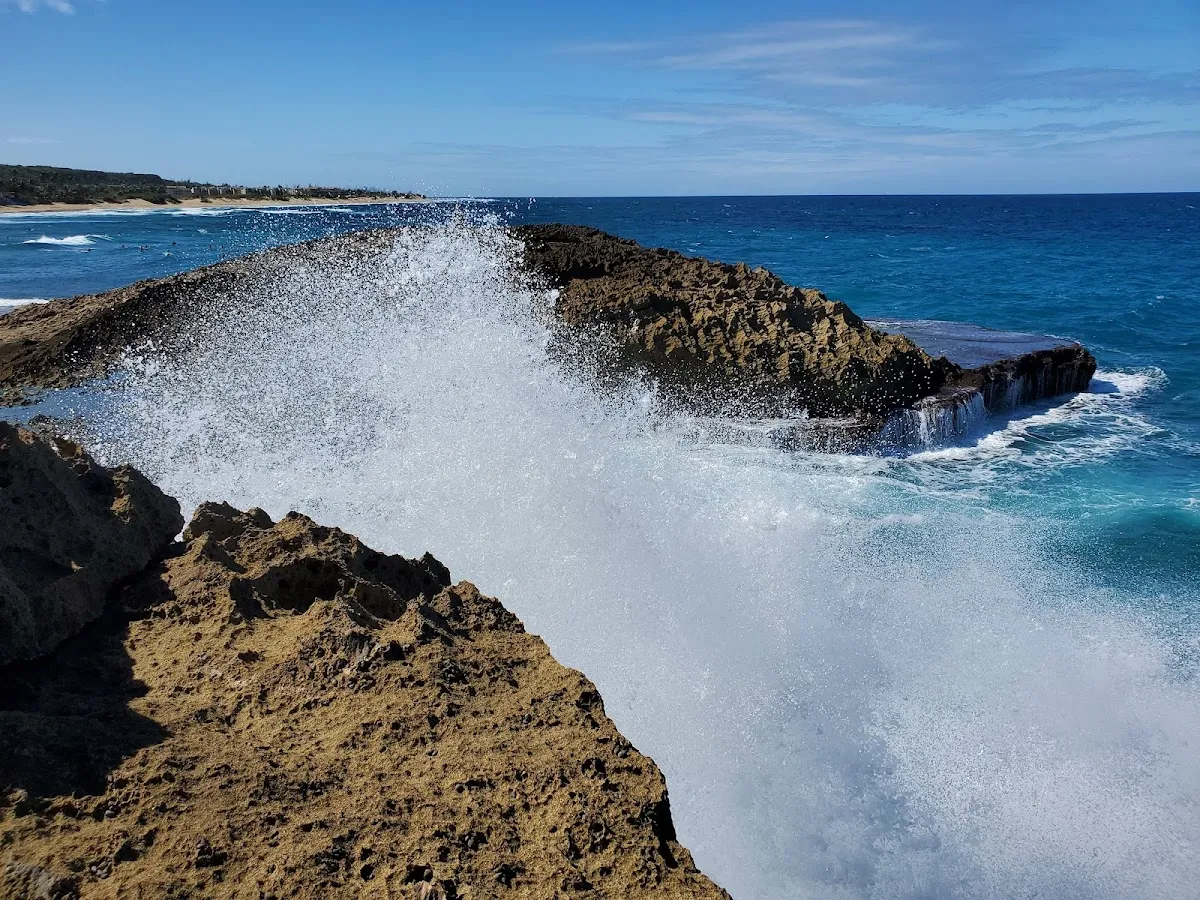
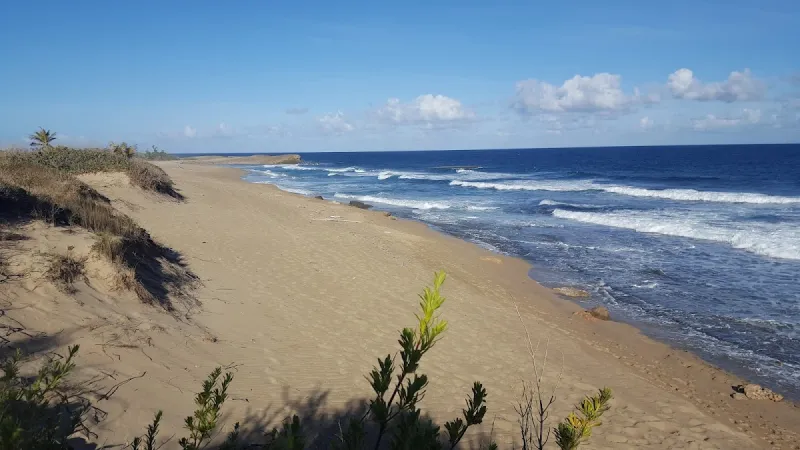
A natural rock pool on Isabela's northwest coast near Jobos Beach, where limestone formations create a sheltered swimming area with varying depths. Atlantic waves spill over the rocks creating small waterfalls, while sand dunes and coconut palms frame this scenic family-friendly spot ideal for calm-water swimming.
Local tips
What to Bring+
Sun & Water Protection:
- Reef-safe sunscreen (SPF 30 or higher)
- Water shoes (strongly recommended—rocks are sharp and slippery)
- Hat or visor for sun protection
- Waterproof phone case for photos
For Families & Swimming:
- Swimwear and towels
- Float or inflatable for lounging
- Sand toys and beach activities
- Beach tent or umbrella for shade
Food & Hydration:
- Cooler with meals, snacks, and plenty of water (no food vendors nearby)
Optional Items:
- Camera with extra battery for sunset photography
- Tripod for scenic shots
- Binoculars for coastal views
History & Background+
Pocita De Teodoro is located in the municipality of Isabela, a northwest coast municipality known for dramatic limestone cliffs and world-class surf breaks. The limestone coastline creates distinctive cliff formations and natural pools carved by centuries of wave action from both north Atlantic swells and Mona Passage energy.
The rock pool itself is a natural formation where Atlantic waves spill over limestone rocks, creating small waterfalls that feed a calm swimming basin protected from open ocean swells. The pool features multiple depth zones ranging from shallow wading areas for children to deeper sections suitable for adults, all naturally carved by wave action over centuries. Sand dunes topped with coconut palms and coastal vegetation frame the pool area, creating a distinct landscape characteristic of Isabela's northwestern shores.
Nearby Attractions+
Pocita De Teodoro is situated in Isabela, which offers several attractions beyond the beach itself. The area is rich with natural and cultural experiences worth exploring during your visit.
- Jobos Beach: Adjacent to the pocita, well worth a visit if you have extra time to explore nearby coastal areas.
- Guajataca Tunnel & Cave: A notable natural attraction combining coastal scenery with geological history.
- Corazón de Isabela: Another beach in the Isabela area with different character and swimming conditions.
- Shore Island Beach & Shacks (Bajuras): Worth visiting for beach hopping if you have time to explore multiple spots.
- Isabela Town Center: Features a central plaza with a church, local shops, and cafes—a good place to experience everyday Puerto Rican town life and sample traditional fare at roadside kiosks (chinchorros).
- Local Restaurants & Food Stalls: Look for fresh seafood, mofongo (mashed plantain with garlic), tostones (fried plantain slices), empanadillas, bacalaítos (codfish fritters), and piraguas (shaved ice with fruit syrup).
- Weekend Markets & Fiestas Patronales: Many towns hold festivals throughout the year featuring live music, food, and cultural performances.
Photos
Be the first to add a photo
Recent photos help others recognize the access point, water, and parking setup.
Reviews
No Puerto Rico Beach Finder reviews yet
Share whether access was easy, how the water felt, and what the next person should know.
Planning your visit
Explore by activity
Nearby beaches


Questions
Where is Pocita De Teodoro located?
Pocita De Teodoro is located in Isabela, Puerto Rico. The exact coordinates are 18.512676, -67.036552. You can use GPS navigation or follow signs to Isabela and look for beach access points.
Is Pocita De Teodoro good for swimming?
Yes, Pocita De Teodoro is a public beach open for swimming. The beach has calm waters, making it ideal for swimming.
What facilities are available at Pocita De Teodoro?
Pocita De Teodoro offers the following facilities: Parking, Shade Structures.
What activities can I do at Pocita De Teodoro?
Popular activities at Pocita De Teodoro include swimming. The beach is family-friendly and perfect for a day trip from Isabela.
Is there parking at Pocita De Teodoro?
Yes, Pocita De Teodoro has parking available.
Similar beaches
Discover more beaches
Explore 400+ beaches across the island with filters, maps, and detailed guides.
Explore all beaches