Punta Arenas (Puerto Real side) Cabo Rojo, Puerto Rico
Quick Facts
About Punta Arenas (Puerto Real side)
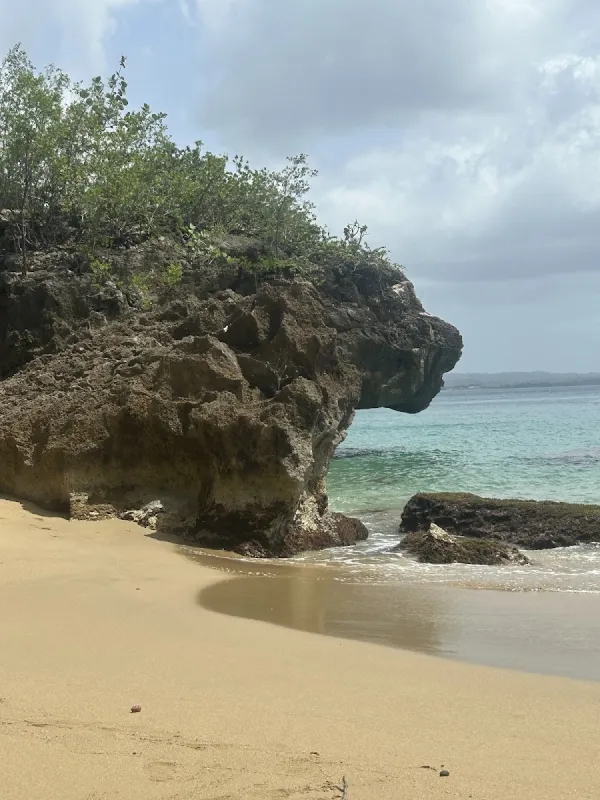
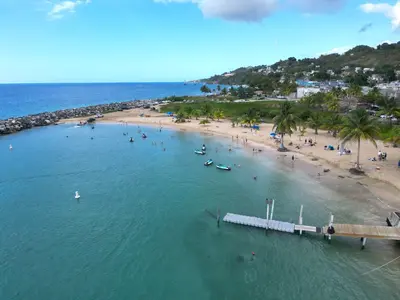
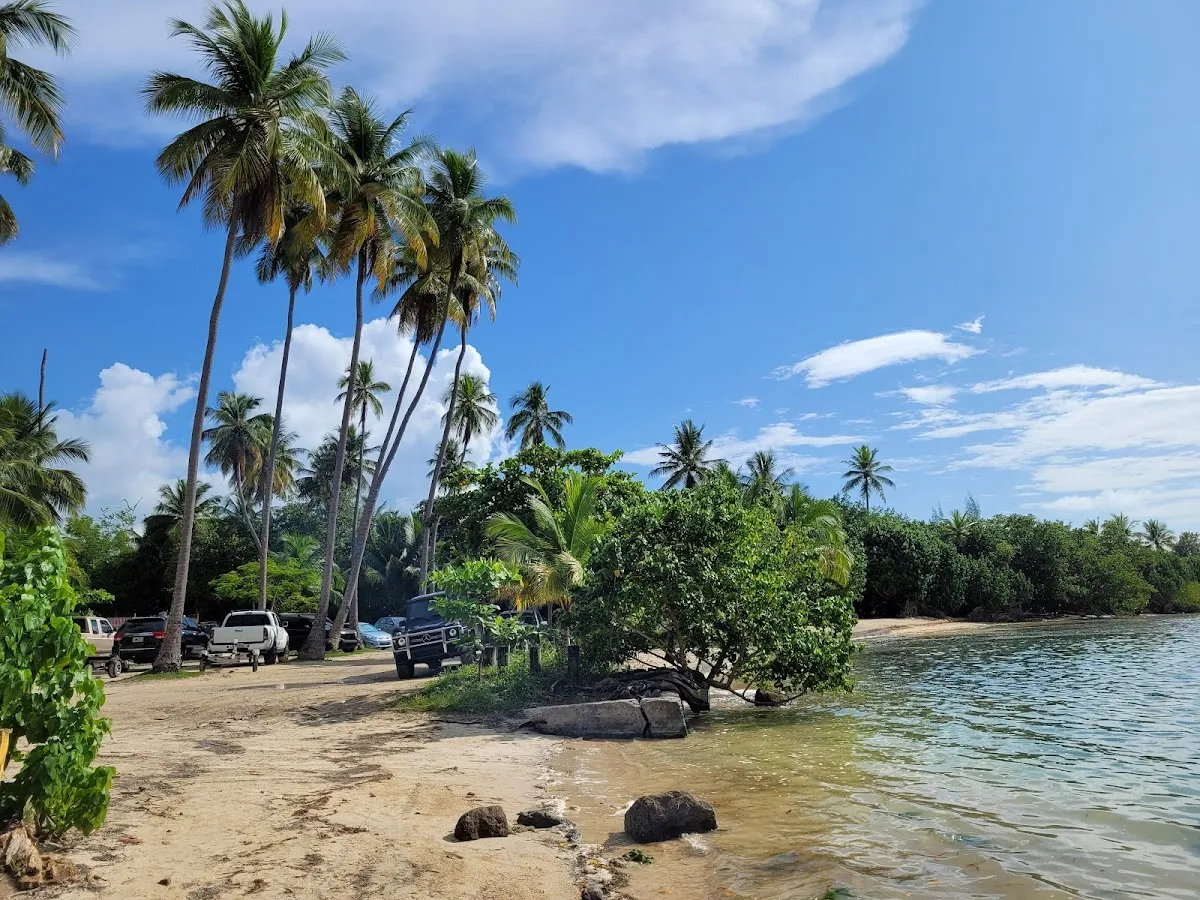
Punta Arenas on the Puerto Real side of Cabo Rojo is a working fishing harbor with sandy pockets nestled between rocky outcrops. This authentic waterfront showcases traditional pangas and fishing operations, local seafood restaurants serving fresh daily catch, and views across the Mona Passage. Unlike nearby resort beaches, Punta Arenas remains tied to its maritime heritage and artisanal fishing culture.
Visitor Tips
- Arrive before 10am to secure the best parking spots and beach locations
- Golden hour (shortly after sunrise or before sunset) provides the best lighting for photos
- Bring your own food and drinks - limited vendors in the area
- Help preserve the beach beauty by taking all trash with you when you leave
- Bring plenty of water - staying hydrated in the tropical heat is essential
History & Background
Punta Arenas sits along one of the oldest fishing corridors in southwestern Puerto Rico. The name Puerto Real, meaning "Royal Port," dates to the Spanish colonial period when the area served as an authorized trading post under the Crown's mercantile policies. During the 17th and 18th centuries, these waters were known for contraband trade with Dutch, English, and French merchants who anchored offshore, bypassing San Juan's heavily taxed port.
The fishing village grew steadily through the 19th century, and Punta Arenas became a natural landmark for mariners. Unlike tourist-oriented beaches elsewhere in Cabo Rojo, this coastline remained tied to the working waterfront. Fishermen launched pangas and yolas from sandy pockets between rocky outcrops, a tradition that continues today. The catch historically included red snapper, lobster, queen conch, and reef fish that supplied markets across the island. During the mid-20th century, Puerto Real's fishing cooperative formalized operations and dock infrastructure expanded.
Today, Punta Arenas retains its honest, unpretentious character as a functional shore where the day's catch is still unloaded onto the dock, fish traps are stacked along the roadside, and life follows the tides rather than the tourist calendar. The area's economy remains rooted in artisanal fishing, boat repair, and seafood restaurants that have gained a reputation across the island for serving some of the freshest fish in Puerto Rico.
Best Time to Visit
The timing of your visit will significantly influence weather conditions, water activity, and crowd levels at Punta Arenas.
- December to April (Dry Season): Clear skies, lower humidity, and infrequent afternoon showers. Water conditions are typically calm, ideal for observing fishing boats and enjoying the harbor atmosphere.
- May to August (Summer): Warmer temperatures with occasional afternoon thunderstorms that usually pass quickly. Summer fishing peaks, bringing more boat activity. This period coincides with local festivals and celebrations, making the waterfront livelier.
- September to November (Hurricane Season): This exposed western coastline can experience rough surf and strong winds during tropical weather systems. Even distant Caribbean storms can push swells that affect conditions here.
- Weekday vs. Weekend: Weekdays are significantly quieter. Weekends bring large crowds to the seafood restaurants, with Saturday and Sunday afternoons getting congested. For a relaxed experience, visit on weekday mornings when fishing boats are heading out.
Getting There
Punta Arenas is accessible by car via several routes depending on your starting location. The area sits along a narrow waterfront road with informal parking near the dock area and restaurants.
- From San Juan metro area: Take PR-2 west toward Mayaguez, exit onto PR-100 south toward Cabo Rojo, then PR-301 into Puerto Real. Drive time: approximately 2.5 hours.
- From Mayaguez: Take PR-100 south. Drive time: approximately 40 minutes.
- From Cabo Rojo town center: Take PR-102 south to PR-301 west into Puerto Real. Drive time: approximately 15 minutes.
- From Boqueron beach area: Head north on PR-101 and connect to PR-301 heading west. Drive time: approximately 20 minutes.
- Follow the waterfront road toward the point, passing seafood restaurants and fishing operations. The road narrows as it approaches Punta Arenas.
Parking: There is no designated parking lot. Informal parking is available along the roadside and near the dock area. During busy weekends, you may need to park further back along the road and walk. All roads are paved, though the final stretch can be narrow with occasional potholes. No ferry or water taxi service is available.
What to Bring
Essentials
- Drinking water and snacks: Come prepared to be self-sufficient, though nearby Puerto Real restaurants offer full meals.
- Sunscreen (high SPF): Essential as there is limited natural shade along the point.
- Hat and UV-protective clothing: Protect yourself during extended visits.
Footwear and Navigation
- Sturdy closed-toe water shoes: Strongly recommended for navigating mixed sand and rock terrain. Flip-flops will not provide adequate grip or protection.
- Towel or beach mat: If you plan to sit on the sandy pockets between the rocks.
For Fishing
- Rod, tackle, and bait: Bring your own if you plan to fish from shore. Rocky areas around the point can be productive for casting snapper and other reef species.
Comfort and Photography
- Cooler: Useful for keeping drinks cold, especially during warmer months above 85 degrees.
- Insect repellent: Helpful during dusk hours when no-see-ums become active near the waterfront.
- Camera or binoculars: Observe fishing boats, pelicans, and frigatebirds that patrol this coastline.
Nearby Attractions
The Puerto Real waterfront and surrounding Cabo Rojo area offer several compelling attractions within easy driving distance of Punta Arenas.
- Puerto Real Waterfront Restaurants: Establishments like Annie's Place and El Bohio serve freshly caught seafood in open-air settings overlooking the harbor. Whole fried snapper, mofongo relleno de mariscos, and lobster plates are staples. Arrive before noon on weekends to avoid long waits.
- Cabo Rojo Salt Flats: Located about 15 minutes south and managed by the US Fish and Wildlife Service, this 1,249-acre reserve features evaporation ponds that turn brilliant shades of pink and orange. Network of trails through mangrove and dry forest habitats. Birdwatchers come here for migratory shorebirds including plovers, stilts, and sandpipers.
- Playa Sucia (La Playuela): About 20 minutes south at the tip of the Cabo Rojo peninsula. Consistently ranks among the most photographed beaches in Puerto Rico with red-toned cliffs and sweeping Caribbean views. The Cabo Rojo Lighthouse, a Spanish colonial structure from 1882, sits on the cliffs above offering panoramic views from Mona Island to the Cordillera Central.
- Boqueron Beach: Popular public balneario with calm waters, food kiosks, and full facilities about 20 minutes south along PR-101. The town of Boqueron has a lively strip of bars and restaurants that comes alive on weekend evenings.
Local Tips
- Buy fish directly from fishermen at the dock: The best seafood in Puerto Real comes straight off the boats in the morning. You can sometimes purchase fresh fish directly from fishermen before restaurants open at significantly lower prices and unmatched quality. Bring a cooler with ice if you plan to take fish home.
- This is not a traditional swimming beach: Harbor traffic, rocky bottom, and boat moorings make the water around Punta Arenas better suited for observing than swimming. If you want to swim, head to Boqueron or Buyé instead, and come here specifically for the food and atmosphere.
- Avoid weekend afternoon congestion: Weekend afternoons can get crowded along the narrow waterfront road, especially when multiple restaurant patrons are trying to park simultaneously. Coming on a weekday or arriving before 11 AM on weekends will save you hassle. Some visitors park near the entrance to Puerto Real and walk along the waterfront, which is actually a pleasant stroll.
- Time sunset dining strategically: The sunsets from Punta Arenas are exceptional since the point faces almost due west across the Mona Passage. Many restaurants time their evening service around sunset, and tables with western views fill up fast. If sunset dining is your goal, call ahead or arrive at least 30 minutes before sunset.
- Bring cash for smaller establishments: Cash is still preferred at some of the smaller seafood restaurants and vendors, so do not rely entirely on credit cards.
Visitor Photos
Sign in to addNo photos yet. Be the first to share!
Reviews
No reviews yet. Be the first to share your experience!
Conditions
5 months agoLive Updates
No recent crowd data
Amenities
Practical Info
No lifeguards are present. Swim at your own risk and never swim alone. Apply waterproof sunscreen regularly - the tropical sun is strong. Check weather conditions before visiting, especially during hurricane season (June-November).