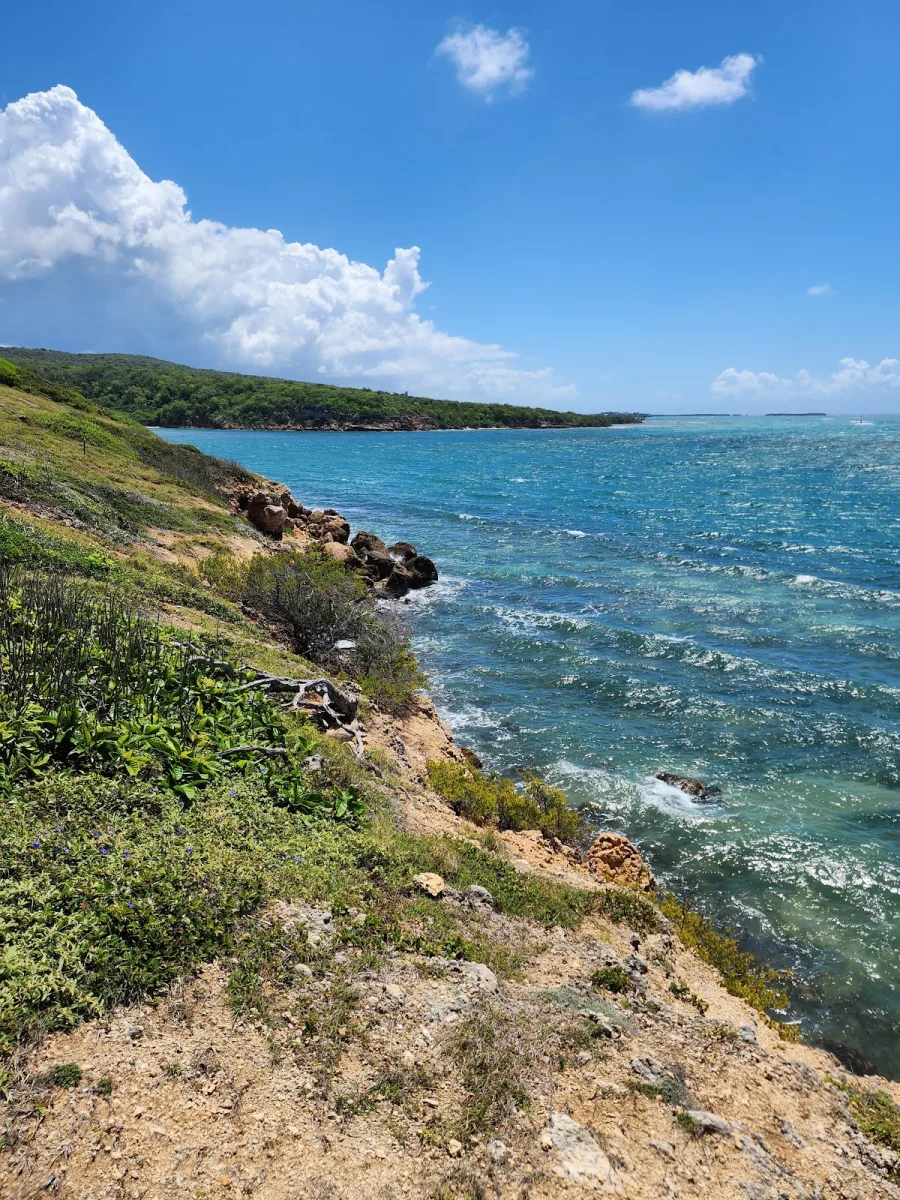
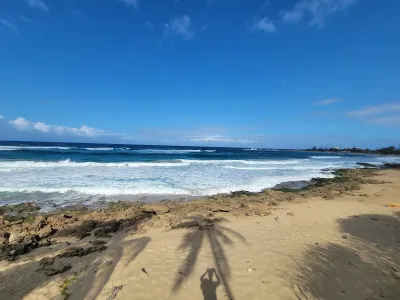
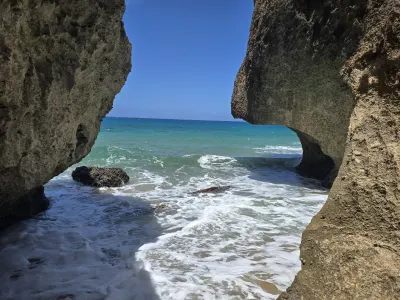
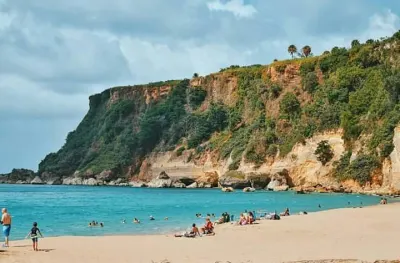
Punta Brea Shorebreak is a secluded beach in Guanica, Puerto Rico, known for scenic views and its secluded atmosphere. A remote and scenic surf break on Guánica's southern cape known for consistent winter swells that rarely draw crowds.
- Scenic
- Secluded
- Surfing
10-min walk.
Winter months (November through February) when southeast swells generated by cold fronts push up consistent wa…
10-min walk.
Remote expert-level surf break with no facilities, no lifeguard, and limited cell service.
Swim with a buddy and know your limits.
Informal dirt pulloff at the end of a rough coastal road. Space for 3-4 cars. No paved surface or markings. Higher-clearance vehicles recommended for the approach.
Bring water, shade, and food for the day.
Ways to experience Punta Brea Shorebreak
Bookable tours and activities at and around this beach.
 Viator photoPopular Puerto Rico experienceAguadilla Tropical SnorkelingWe both love spending time in the ocean, that being surfing, bodysurfing, scubadiving, and swimming keeping safety our #1 priority, in order to have…◷ About 2 hours✓ Free cancellationFrom $98Check availability ↗Browse more tours on Viator ↗
We may earn a commission when you book through Viator links, at no extra cost to you.
About Punta Brea Shorebreak
A remote and scenic surf break on Guánica's southern cape known for consistent winter swells that rarely draw crowds. This dedicated surf spot produces both left and right breaks best during winter months when southeast swells arrive. With no amenities and a secluded location, Punta Brea Shorebreak offers an uncrowded surfing experience for experienced riders willing to make the drive to this undeveloped stretch of Caribbean coastline.
Local tips
What to Bring+
Surfing essentials:
- Surfboard (shortboard or longboard depending on conditions)
- Rash guard and wetsuit if needed for water temperature
- Surf wax and reef boots (rocky bottom sections require protection)
Sun and hydration protection:
- Reef-safe sunscreen (SPF 30 or higher) – Puerto Rico's tropical sun is intense, especially between 10 AM and 2 PM
- Reusable water bottle and extra water in a cooler – pack more than you think you'll need
- Hat or visor for additional sun protection
Food and shade:
- Meals, snacks, and cooler – there are no food vendors at or near this beach
- Portable beach umbrella or pop-up shade tent – natural shade is limited
Safety and documentation:
- First-aid kit – this is a remote expert-level break with no lifeguard or facilities
- Camera with extra battery for scenic shots
- Mobile phone (note: cell service may be limited)
History & Background+
Punta Brea Shorebreak is located in Guánica municipality on Puerto Rico's southern coast, facing the Caribbean Sea. This exposed stretch of shoreline sits on the tip of Guánica's southern cape, in a raw, undeveloped area with views of open water in all directions. The location's remoteness and lack of amenities keep the lineup thin even on good swell days, offering a rare uncrowded surfing experience.
The beach is one of the few reliable surf breaks on Guánica's southern cape, producing both left and right breaking waves that respond to winter southeast swells—conditions when many north coast spots lie flat. The municipality of Guánica has deep historical roots in Puerto Rico, and this stretch of shoreline carries the character of its coastal heritage and ongoing relationship with the sea.
Nearby Attractions+
Punta Brea Shorebreak is situated in Guánica, which offers several attractions and dining options beyond the beach itself. The area reflects Puerto Rico's coastal culture and local traditions.
- Guánica town center: Features a central plaza with a church, local shops, and cafes—a good place to experience everyday Puerto Rican town life. Many towns hold weekend markets or festivals throughout the year, particularly during patron saint celebrations (fiestas patronales) featuring live music, food, and cultural performances.
- Local dining and food stalls: Look for traditional Puerto Rican fare at local restaurants and roadside kiosks (chinchorros). Coastal towns typically offer fresh seafood, mofongo (mashed plantain with garlic), and tostones (fried plantain slices). Informal food stalls that appear on weekends sell empanadillas, bacalaítos (codfish fritters), and piraguas (shaved ice with fruit syrup) at affordable prices.
- Nearby beaches: Other beaches in the Guánica area include Playa Tamarindo and Gilligan's Island, each with a different character worth exploring if you have time for beach hopping.
Photos
Be the first to add a photo
Recent photos help others recognize the access point, water, and parking setup.
Reviews
No Puerto Rico Beach Finder reviews yet
Share whether access was easy, how the water felt, and what the next person should know.
Planning your visit
Explore by activity
Nearby beaches


Questions
Where is Punta Brea Shorebreak located?
Punta Brea Shorebreak is located in Guanica, Puerto Rico. The exact coordinates are 17.928981, -66.922686. You can use GPS navigation or follow signs to Guanica and look for beach access points.
Is Punta Brea Shorebreak good for swimming?
Yes, Punta Brea Shorebreak is a public beach open for swimming. Note that this beach is known for surfing conditions, so waves can be strong.
What facilities are available at Punta Brea Shorebreak?
Punta Brea Shorebreak is a natural beach. Facilities may be limited, so consider bringing your own supplies.
What activities can I do at Punta Brea Shorebreak?
Popular activities at Punta Brea Shorebreak include surfing. The beach is perfect for a day trip from Guanica.
Is there parking at Punta Brea Shorebreak?
Parking near Punta Brea Shorebreak may be limited. It's recommended to arrive early, especially on weekends and holidays.
Similar beaches
Discover more beaches
Explore 400+ beaches across the island with filters, maps, and detailed guides.
Explore all beaches