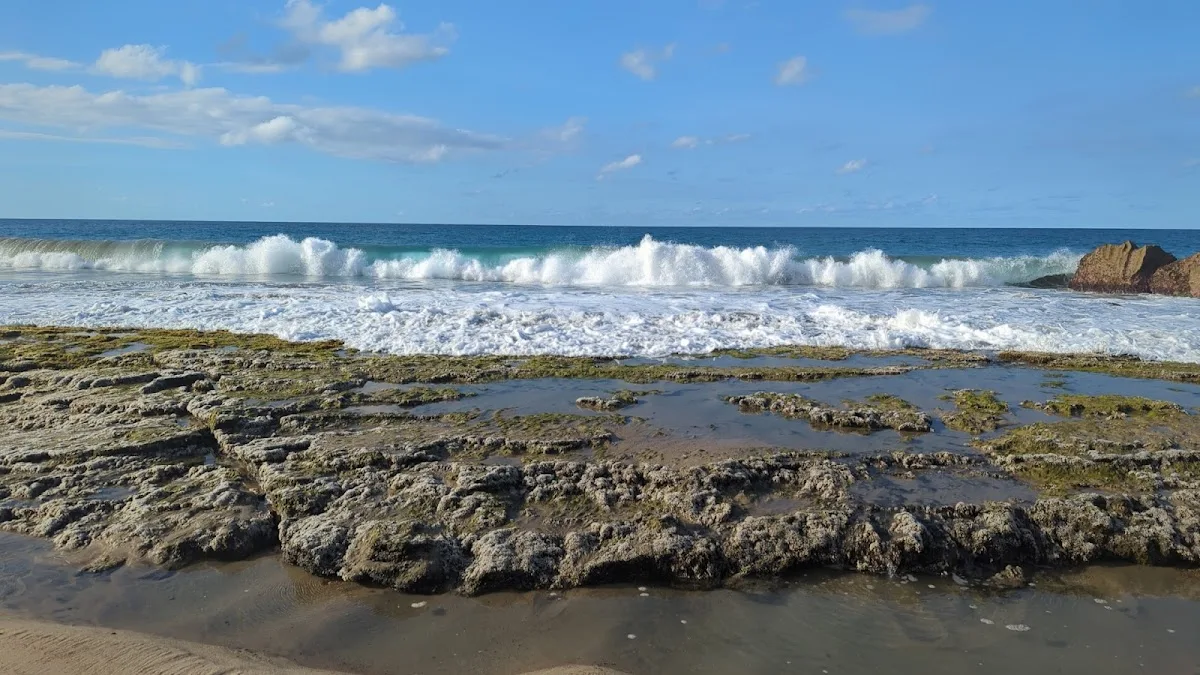
Stoner Beach is a secluded beach in Arecibo, Puerto Rico, known for scenic views and its secluded atmosphere. A secluded surf spot along Arecibo's rocky north coast, known among local riders for consistent Atlantic swells and an uncrowded lineup.
- Scenic
- Secluded
- Surfing
10-min walk.
Winter months from November through March deliver the largest and most consistent swells from North Atlantic s…
10-min walk.
For experienced surfers only. Rocky bottom with exposed reef creates hazards during wipeouts. Strong rip currents are common.
Swim with a buddy and know your limits.
Informal pull-off along the coastal road. Space for only a few vehicles. No paved lot, signage, or facilities. Low-clearance vehicles may have difficulty on the access route.
Bring water, shade, and food for the day.
Ways to experience Stoner Beach
Bookable tours and activities at and around this beach.
 Viator photoPopular near this beachTanama River Cave Tubingour tour is offered at the heart of a subtropical forest through private access and completely away from crowds. Following old trails left by our…◷ About 6 hours✓ Free cancellationFrom $99Check availability ↗Browse more tours on Viator ↗
We may earn a commission when you book through Viator links, at no extra cost to you.
About Stoner Beach
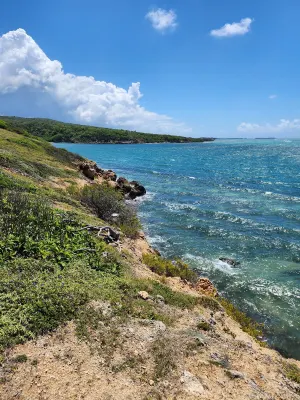
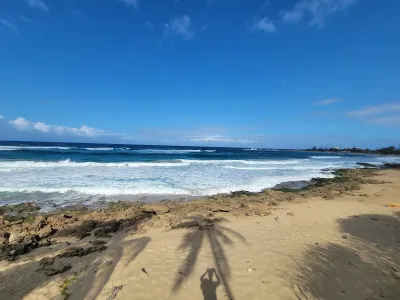
A secluded surf spot along Arecibo's rocky north coast, known among local riders for consistent Atlantic swells and an uncrowded lineup. The rugged shoreline and lack of development give it a raw, off-the-grid feel. This is an experienced surfers-only break with strong currents and hazardous rocky terrain. Bring everything you need as there are no facilities, amenities, or services available.
Local tips
What to Bring+
This is an experienced surfers-only destination. Pack accordingly for harsh conditions and complete self-sufficiency.
- Surfing Essentials: Surfboard (shortboard or longboard depending on conditions), rash guard, surf wax, and reef boots for protection against sharp rocks.
- Water & Nutrition: Large quantities of fresh water in a cooler, all meals and snacks you will need. There are no food vendors or services nearby.
- Sun & Heat Protection: Reef-safe sunscreen (SPF 30 or higher), hat or visor, and a portable beach umbrella or pop-up shade tent as natural shade is limited.
- Safety & First Aid: First aid kit (essential for rocky terrain and reef cuts), waterproof communication device or way to contact emergency services, and headlamp or flashlight if staying past sunset.
- Photography: Camera with extra batteries, tripod for sunset shots, and binoculars for coastal views.
- General: Reusable water bottle, trash bags to pack out all debris, and a detailed map or written directions to the beach.
History & Background+
Stoner Beach is located in Arecibo, a north coast municipality known for the former Arecibo Observatory and distinctive limestone karst landscape. This stretch of Puerto Rico's north coast faces the Atlantic Ocean, where trade winds generate consistent swells and powerful currents that shape the shoreline. The northern coast experiences significantly more wave energy than the southern shores, with winter months bringing larger swells from the North Atlantic.
A secluded surf spot appreciated by local riders for consistent year-round swells and an uncrowded lineup. The rugged, undeveloped shoreline with exposed rock shelves and absence of structures gives this break an isolated, off-the-grid character unlike the more polished beaches of the tourist corridor. The remote location keeps this spot uncrowded compared to famous breaks in Rincón or Aguadilla, attracting surfers who value solitude and authentic conditions in the water.
Nearby Attractions+
Stoner Beach is situated in Arecibo, a municipality with several attractions and cultural experiences worth exploring before or after your beach visit. The area offers authentic local food, historic sites, and alternative beaches with different character.
- Arecibo Lighthouse and Historical Park (Faro de Arecibo): A restored lighthouse with museum exhibits, scenic views, and historical information about the region's maritime heritage.
- Local Cuisine & Food Stalls: Roadside chinchorros (informal eateries) serving traditional Puerto Rican fare including fresh seafood, mofongo (mashed plantain with garlic and broth), and tostones (fried plantain slices). Weekend food stalls sell empanadillas, bacalaítos (codfish fritters), and piraguas (shaved ice with fruit syrup) at affordable prices.
- Arecibo Town Center: A central plaza featuring a historic church, local shops, and cafes—a good place to experience everyday Puerto Rican town life and meet locals.
- Alternative Beaches: Explore nearby beaches including Playa Jenchris, Arena Negra, Islote Beach, and El Faro Beach, each offering different character and conditions.
- Regional Festivals: Many towns host weekend markets and fiestas patronales (patron saint celebrations) throughout the year featuring live music, traditional food, and cultural performances.
Photos
Be the first to add a photo
Recent photos help others recognize the access point, water, and parking setup.
Reviews
No Puerto Rico Beach Finder reviews yet
Share whether access was easy, how the water felt, and what the next person should know.
Planning your visit
Explore by activity
Nearby beaches


Questions
Where is Stoner Beach located?
Stoner Beach is located in Arecibo, Puerto Rico. The exact coordinates are 18.476206, -66.747935. You can use GPS navigation or follow signs to Arecibo and look for beach access points.
Is Stoner Beach good for swimming?
Yes, Stoner Beach is a public beach open for swimming. Note that this beach is known for surfing conditions, so waves can be strong.
What facilities are available at Stoner Beach?
Stoner Beach is a natural beach. Facilities may be limited, so consider bringing your own supplies.
What activities can I do at Stoner Beach?
Popular activities at Stoner Beach include surfing. The beach is perfect for a day trip from Arecibo.
Is there parking at Stoner Beach?
Parking near Stoner Beach may be limited. It's recommended to arrive early, especially on weekends and holidays.
Similar beaches
Discover more beaches
Explore 400+ beaches across the island with filters, maps, and detailed guides.
Explore all beaches