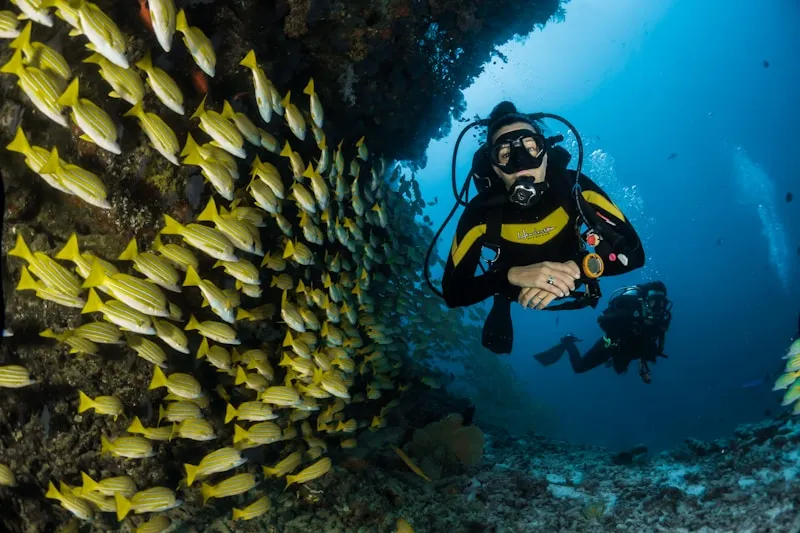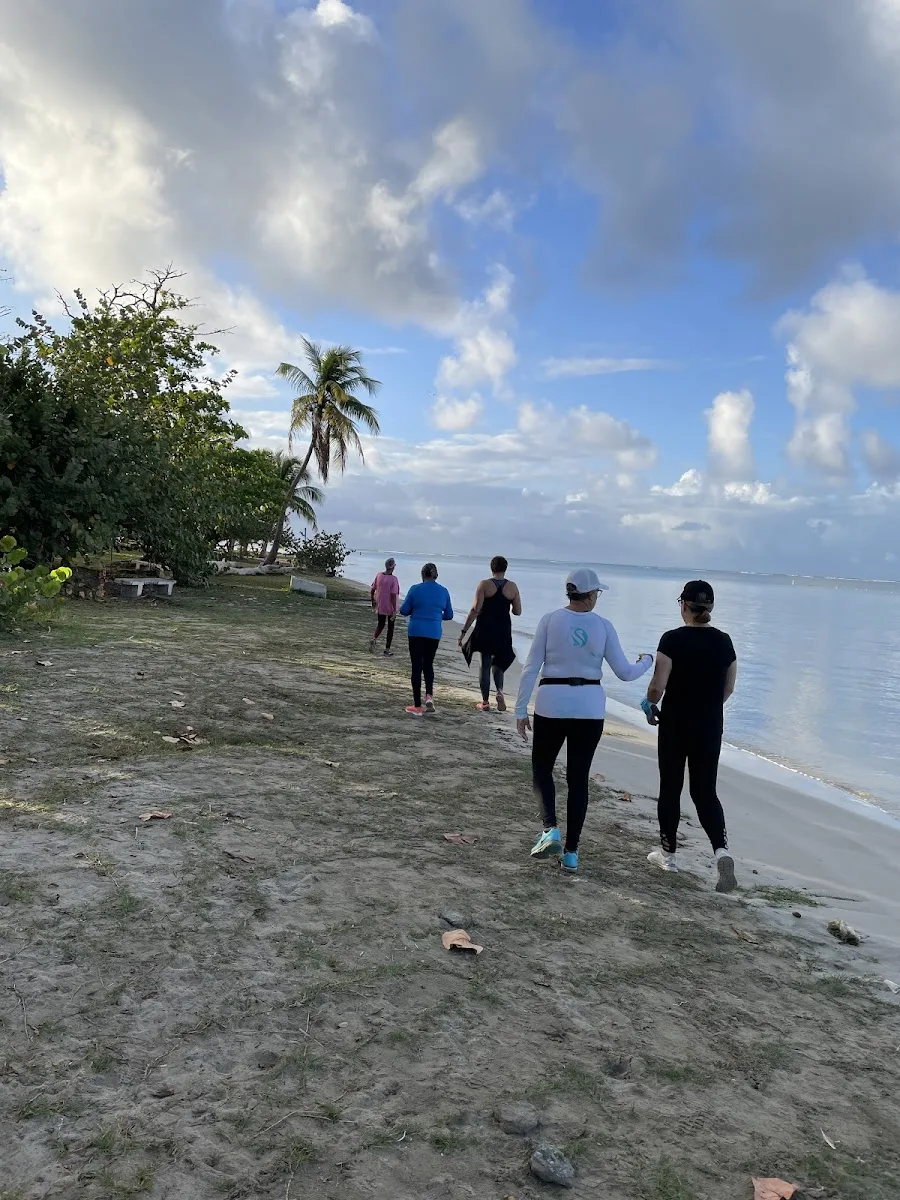
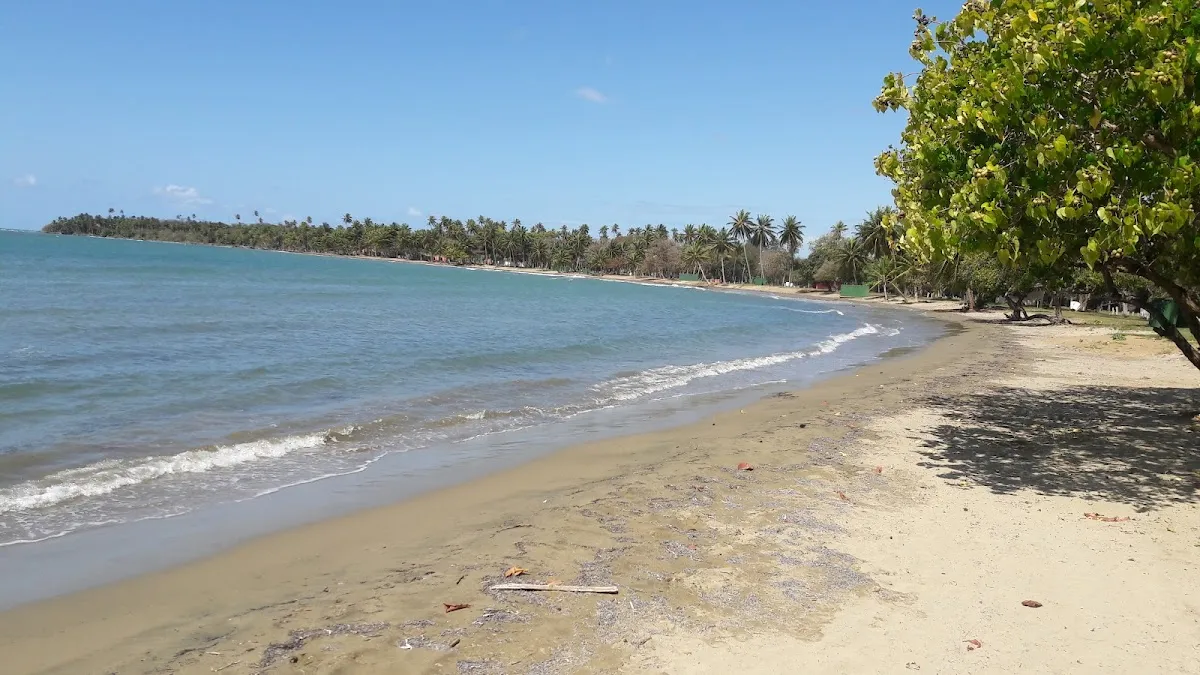
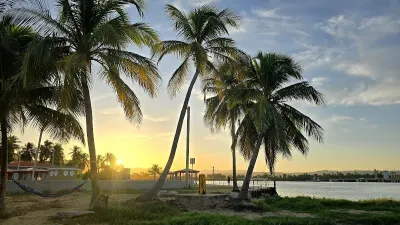
Punta Del Viento Patillas is a secluded beach in Patillas, Puerto Rico, known for scenic views and its secluded atmosphere. A protected nature reserve at the end of a rugged dirt road in southeastern Patillas, where rocky coastline alternates with small sand coves. Facilities include parking.
- Fishing
- Scenic
- Secluded
- ✓ Parking
Moderate hike.
Early mornings offer the calmest seas and best chance of spotting sea turtles and manatees in the nearshore gr…
Moderate hike.
This is a remote nature reserve with no facilities, lifeguard, or cell service in some spots.
Swim with a buddy and know your limits.
Informal dirt parking at the end of the access road. Limited to a few vehicles. A higher-clearance vehicle is recommended for the rough road.
Bring water, shade, and food for the day.
Ways to experience Punta Del Viento Patillas
Bookable tours and activities at and around this beach.
 Viator photoPopular Puerto Rico experiencePrivate: Piñones Beach Buggy Adventure + El Yunque WaterfallsCelebrate unforgettable moments on a private tour exclusively for you and your group, with personal attention from your dedicated guide. Start your…◷ About 6 hours✓ Free cancellationFrom $265Check availability ↗Browse more tours on Viator ↗
We may earn a commission when you book through Viator links, at no extra cost to you.
About Punta Del Viento Patillas
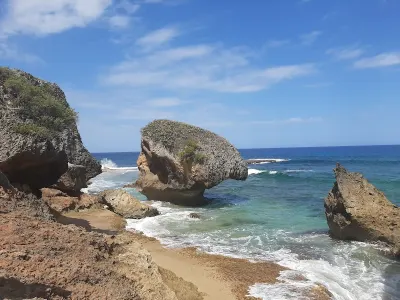
A protected nature reserve at the end of a rugged dirt road in southeastern Patillas, where rocky coastline alternates with small sand coves. Sea turtles and manatees frequent the offshore seagrass beds, offering rare opportunities for marine wildlife spotting. This secluded, undeveloped beach rewards visitors with solitude, dramatic coastal photography, and authentic exploration of Puerto Rico's wild southeast shore.
Local tips
What to Bring+
Sun & Skin Protection:
- Reef-safe sunscreen (SPF 30 or higher)—Puerto Rico's tropical sun is intense, especially between 10 AM and 2 PM
- Hat or cap for head protection
- Reusable water bottle for hydration
- Lightweight, long-sleeved shirt for extended sun exposure
Footwear & Safety:
- Sturdy hiking shoes for the rough dirt access road
- Water shoes for wading in rocky areas and exploring tide pools
- First aid kit—there are no lifeguards or emergency services nearby
Fishing Supplies (if planning to fish):
- Fishing rod and tackle
- Bait and cooler for your catch
- Valid Puerto Rico fishing license
Photography & Wildlife Viewing:
- Camera with extra batteries for extended shooting
- Binoculars for coastal views and wildlife spotting
- Tripod for sunset and landscape photography
Food & Shade:
- All meals, snacks, and water in a cooler—no food vendors nearby
- Portable beach umbrella or pop-up shade tent—natural shade is limited
History & Background+
Punta Del Viento Patillas is located in the municipality of Patillas, known as the Emerald of the South for its mountain backdrop and lush reservoir landscape. Situated at the southeastern corner where the Caribbean and Atlantic waters meet, this area has a distinct character shaped by the Sierra de Pandura mountain range, which influences local weather patterns and coastal conditions.
This protected nature reserve remains undeveloped and actively managed for conservation, offering a truly wild coastal experience. The coastline reveals a distinctive pattern of sand pockets alternating with rocky outcrops, creating a series of small coves ideal for exploration. Sea turtles and manatees frequent the offshore seagrass beds, making this one of the few southern Puerto Rico beaches where marine megafauna can be spotted from shore—a testament to the area's ecological significance and careful stewardship.
The community of Patillas maintains deep historical roots in Puerto Rico, and beaches like Punta Del Viento reflect the enduring relationship between coastal residents and the sea. Whether visited by local families or travelers discovering the southeast coast, this shoreline embodies the character and wild spirit of its surroundings.
Nearby Attractions+
Punta Del Viento Patillas is situated in Patillas, which offers several attractions beyond the beach. The area combines coastal exploration with mountain recreation and authentic Puerto Rican culture. Take time to experience the full character of the region.
- Lake Patillas Reservoir & Trails: A scenic mountain lake with surrounding trails, ideal for hiking and landscape photography if you have extra time.
- Playa Inches (Patillas) and Playa Guardarraya: Nearby beaches with different character; worth visiting for beach hopping if time permits.
- Maunabo: A neighboring coastal town worth exploring, just a short drive away.
- Patillas Town Center: Features a central plaza, church, local shops, and cafes—a good place to experience everyday Puerto Rican town life and try authentic cuisine.
- Local Restaurants & Kiosks (Chinchorros): Serve traditional Puerto Rican fare including fresh seafood, mofongo (mashed plantain with garlic), and tostones (fried plantain slices). Informal weekend food stalls sell empanadillas, bacalaítos (codfish fritters), and piraguas (shaved ice with fruit syrup).
- Weekend Markets & Fiestas Patronales: Many towns hold weekend markets and patron saint celebrations throughout the year, featuring live music, food, and cultural performances.
Photos
Be the first to add a photo
Recent photos help others recognize the access point, water, and parking setup.
Reviews
No Puerto Rico Beach Finder reviews yet
Share whether access was easy, how the water felt, and what the next person should know.
Planning your visit
Explore by activity
Nearby beaches
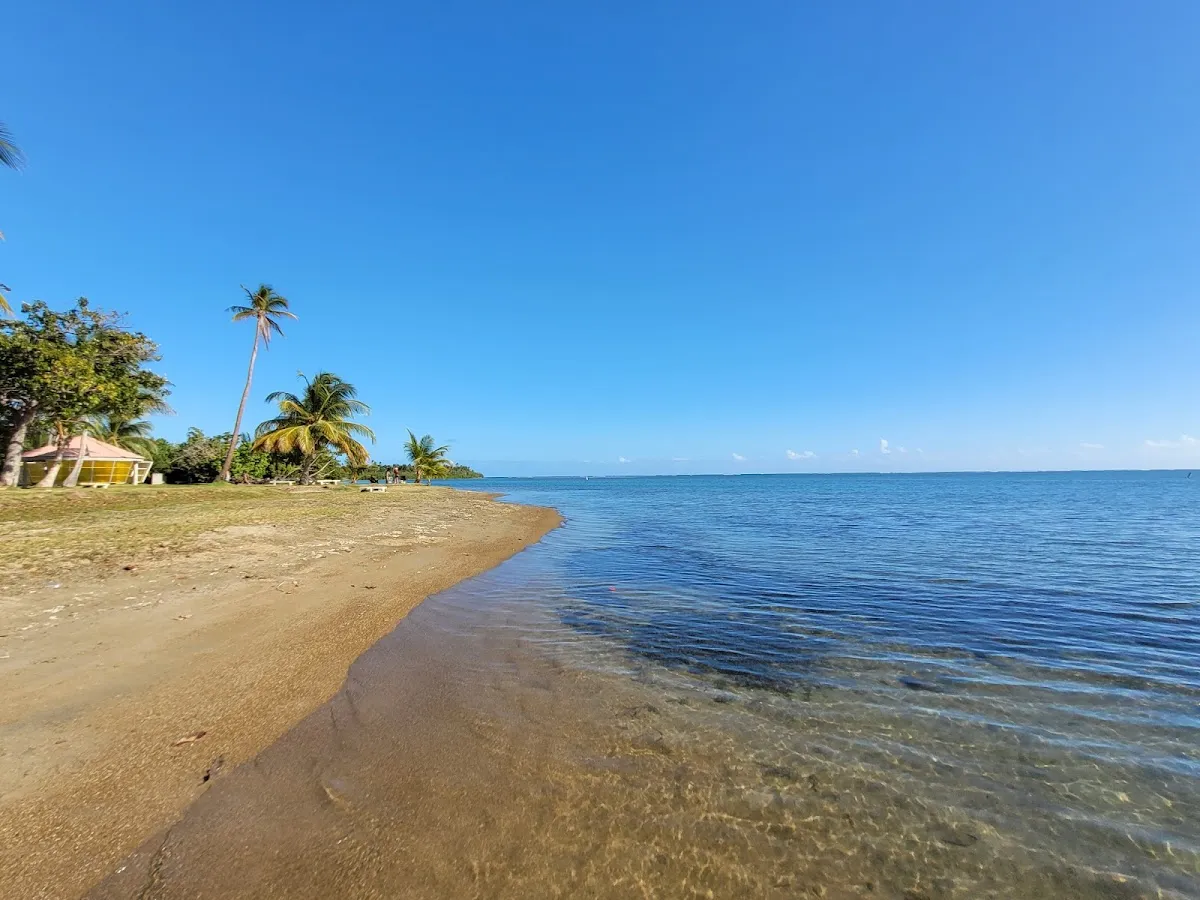
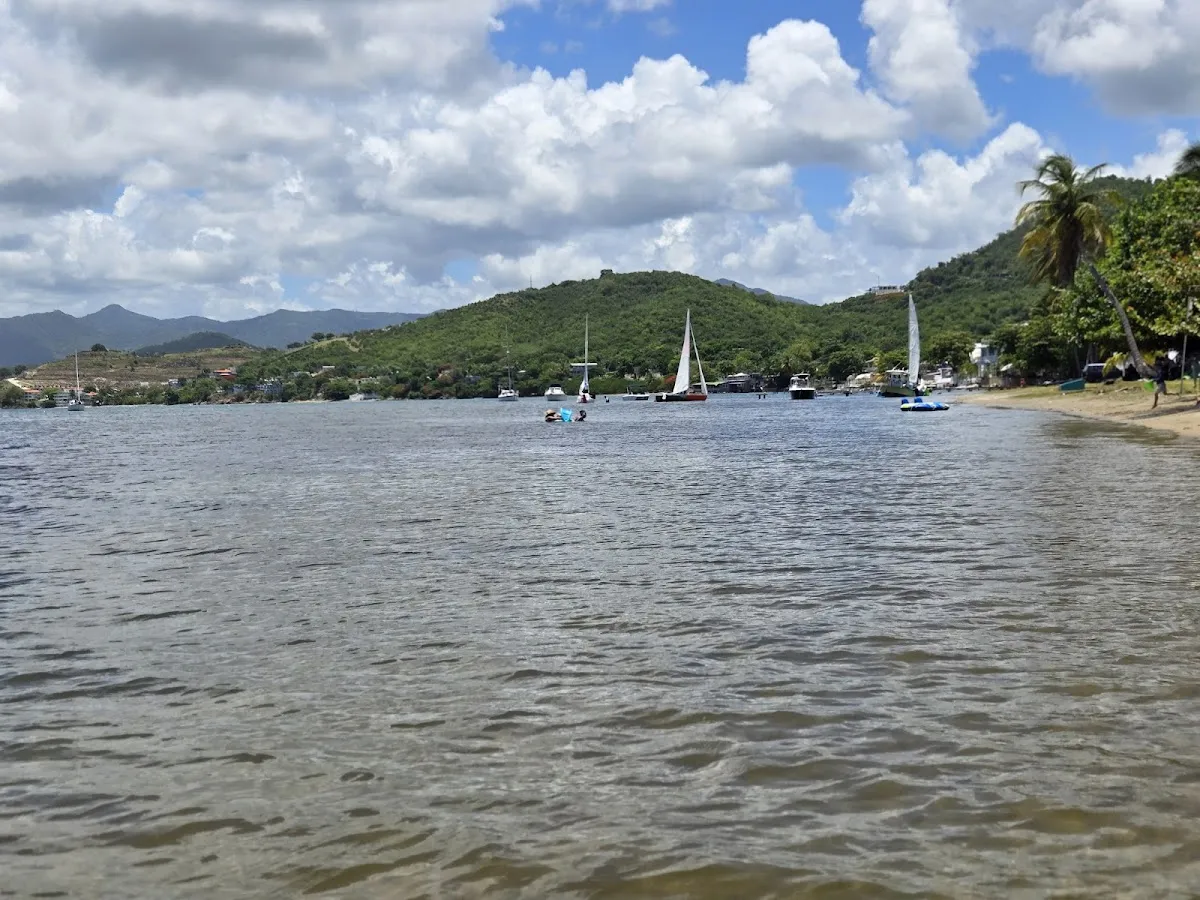

Questions
Where is Punta Del Viento Patillas located?
Punta Del Viento Patillas is located in Patillas, Puerto Rico. The exact coordinates are 17.980889, -65.989853. You can use GPS navigation or follow signs to Patillas and look for beach access points.
Is Punta Del Viento Patillas good for swimming?
Yes, Punta Del Viento Patillas is a public beach open for swimming.
What facilities are available at Punta Del Viento Patillas?
Punta Del Viento Patillas offers the following facilities: Parking.
What activities can I do at Punta Del Viento Patillas?
Popular activities at Punta Del Viento Patillas include swimming, fishing. The beach is perfect for a day trip from Patillas.
Is there parking at Punta Del Viento Patillas?
Yes, Punta Del Viento Patillas has parking available.
Similar beaches
Discover more beaches
Explore 400+ beaches across the island with filters, maps, and detailed guides.
Explore all beaches