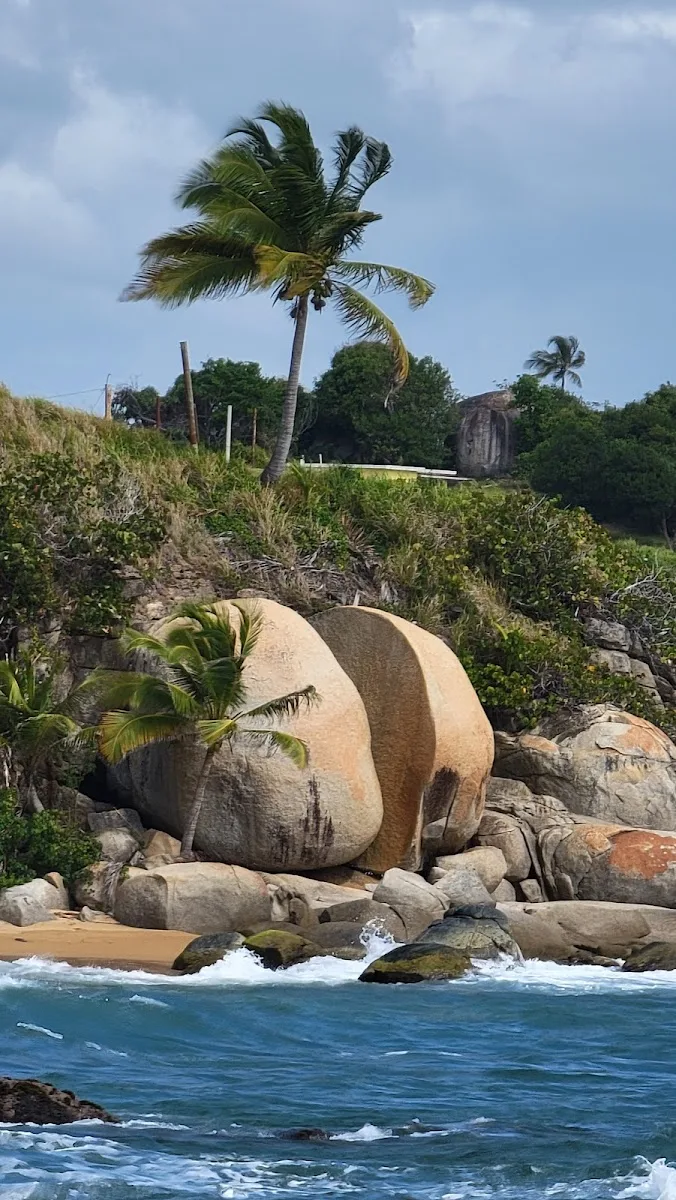
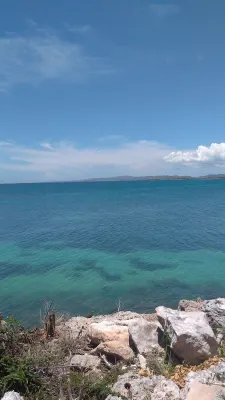
playa El Negro is a secluded beach in Yabucoa, Puerto Rico, known for scenic views and its secluded atmosphere. A secluded beach in Yabucoa defined by dramatic rock formations and a coastal cave that attract photographers and nature lovers. Facilities include parking.
- Fishing
- Scenic
- Secluded
- ✓ Parking
10-min walk.
Year-round on the sheltered southeast coast.
10-min walk.
Swim with a buddy and know your limits.
Informal parking area with limited space and minimal signage. Navigation can be confusing. Ask at local businesses in Yabucoa for current directions. Room for about 5 to 8 cars.
Bring water, shade, and food for the day.
Ways to experience playa El Negro
Bookable tours and activities at and around this beach.
 Viator photoPopular Puerto Rico experiencePrivate: Piñones Beach Buggy Adventure + El Yunque WaterfallsCelebrate unforgettable moments on a private tour exclusively for you and your group, with personal attention from your dedicated guide. Start your…◷ About 6 hours✓ Free cancellationFrom $265Check availability ↗Browse more tours on Viator ↗
We may earn a commission when you book through Viator links, at no extra cost to you.
About playa El Negro
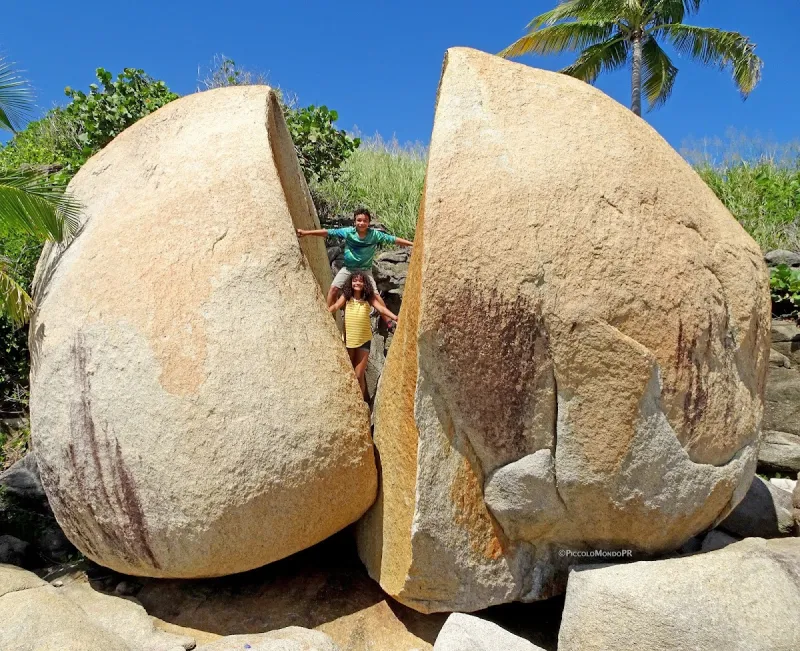
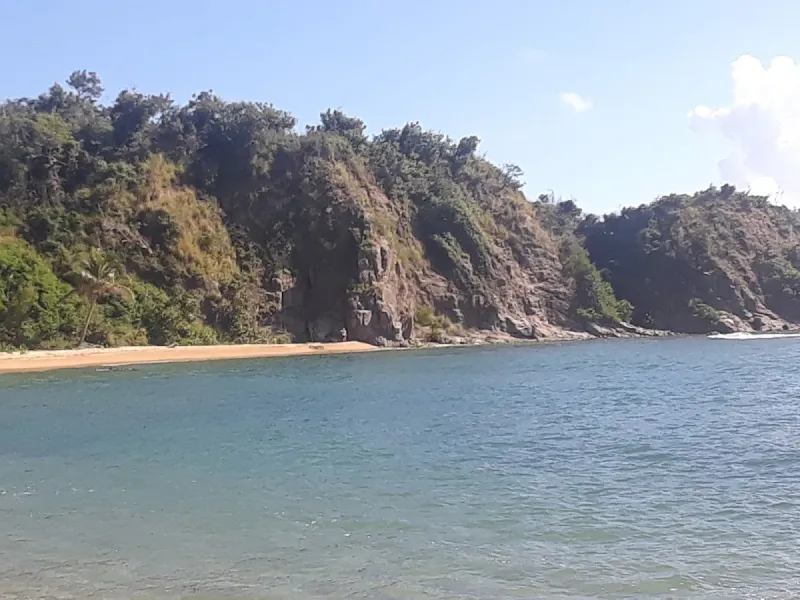
A secluded beach in Yabucoa defined by dramatic rock formations and a coastal cave that attract photographers and nature lovers. The quiet golden sand and gentle waves offer excellent opportunities for swimming and fishing away from crowds. Access requires a short walk from limited parking, and amenities are minimal, making this an ideal destination for those seeking an authentic, undeveloped Puerto Rico beach experience.
Local tips
What to Bring+
Sun and Water Protection:
- Reef-safe sunscreen (SPF 30 or higher) – Puerto Rico's tropical sun is intense, especially between 10 AM and 2 PM
- Reusable water bottle and plenty of fresh water in a cooler
- Wide-brimmed hat for sun protection
- Water shoes for exploring rock formations and cave areas with uneven footing
Food and Shade:
- Meals, snacks, and refreshments – no food vendors at or near this beach
- Portable beach umbrella or pop-up shade tent – natural shade is limited
For Photography:
- Camera with extra battery
- Tripod for sunset and landscape shots
- Binoculars for coastal wildlife viewing
For Fishing:
- Fishing rod and tackle
- Bait
- Cooler for your catch
- Valid Puerto Rico fishing license
Other Essentials:
- First aid kit – no lifeguard or medical facilities available
- Trash bag for packing out all waste
History & Background+
Playa El Negro is located in Yabucoa, the southeastern municipality where sunrise first touches Puerto Rico, known as the Sugar City. Situated at the southeastern corner where the Caribbean Sea and Atlantic Ocean meet, this coastal area has a distinctive character shaped by the Sierra de Pandura mountain backdrop, which influences local weather patterns.
The beach is defined by striking rock formations and a nearby coastal cave carved by centuries of wave action, creating dramatic compositions where dark stone meets golden sand. This quiet stretch of shoreline rarely draws large crowds, offering uncrowded golden sand with manageable waves suitable for swimming and casual fishing. The municipality of Yabucoa has deep roots in Puerto Rico's history, and beaches like Playa El Negro reflect the ongoing relationship between coastal communities and the sea.
Nearby Attractions+
Playa El Negro is situated in Yabucoa, which offers several attractions and activities beyond the beach. The area features local dining, cultural experiences, and other beaches worth exploring during your visit.
- Yabucoa Valley and Punta Tuna: Notable areas well worth visiting if you have extra time to explore the region's natural and coastal landscapes.
- Maunabo: A neighboring coastal town a short drive away, offering additional beach and cultural experiences.
- Yabucoa Beach and Secret Beach: Other beaches in the Yabucoa area, each with different characteristics for beach hopping opportunities.
- Lucia Beach Resort: An alternative beach destination in the area with resort facilities.
- Local Restaurants and Chinchorros: Look for roadside food stands serving traditional Puerto Rican fare including fresh seafood, mofongo (mashed plantain with garlic), tostones (fried plantain slices), empanadillas, bacalaítos (codfish fritters), and piraguas (shaved ice with fruit syrup). Ask locals for their favorite spots – the best food is often at the least conspicuous establishments.
- Yabucoa Town Center: Features a central plaza with a church, local shops, and cafes – a good place to experience everyday Puerto Rican town life. Many towns hold weekend markets or festivals throughout the year, particularly during patron saint celebrations (fiestas patronales) featuring live music, food, and cultural performances.
Photos
Be the first to add a photo
Recent photos help others recognize the access point, water, and parking setup.
Reviews
No Puerto Rico Beach Finder reviews yet
Share whether access was easy, how the water felt, and what the next person should know.
Planning your visit
Explore by activity
Nearby beaches
Questions
Where is playa El Negro located?
playa El Negro is located in Yabucoa, Puerto Rico. The exact coordinates are 18.026372, -65.832377. You can use GPS navigation or follow signs to Yabucoa and look for beach access points.
Is playa El Negro good for swimming?
Yes, playa El Negro is a public beach open for swimming.
What facilities are available at playa El Negro?
playa El Negro offers the following facilities: Parking.
What activities can I do at playa El Negro?
Popular activities at playa El Negro include swimming, fishing. The beach is perfect for a day trip from Yabucoa.
Is there parking at playa El Negro?
Yes, playa El Negro has parking available.
Similar beaches
Discover more beaches
Explore 400+ beaches across the island with filters, maps, and detailed guides.
Explore all beaches