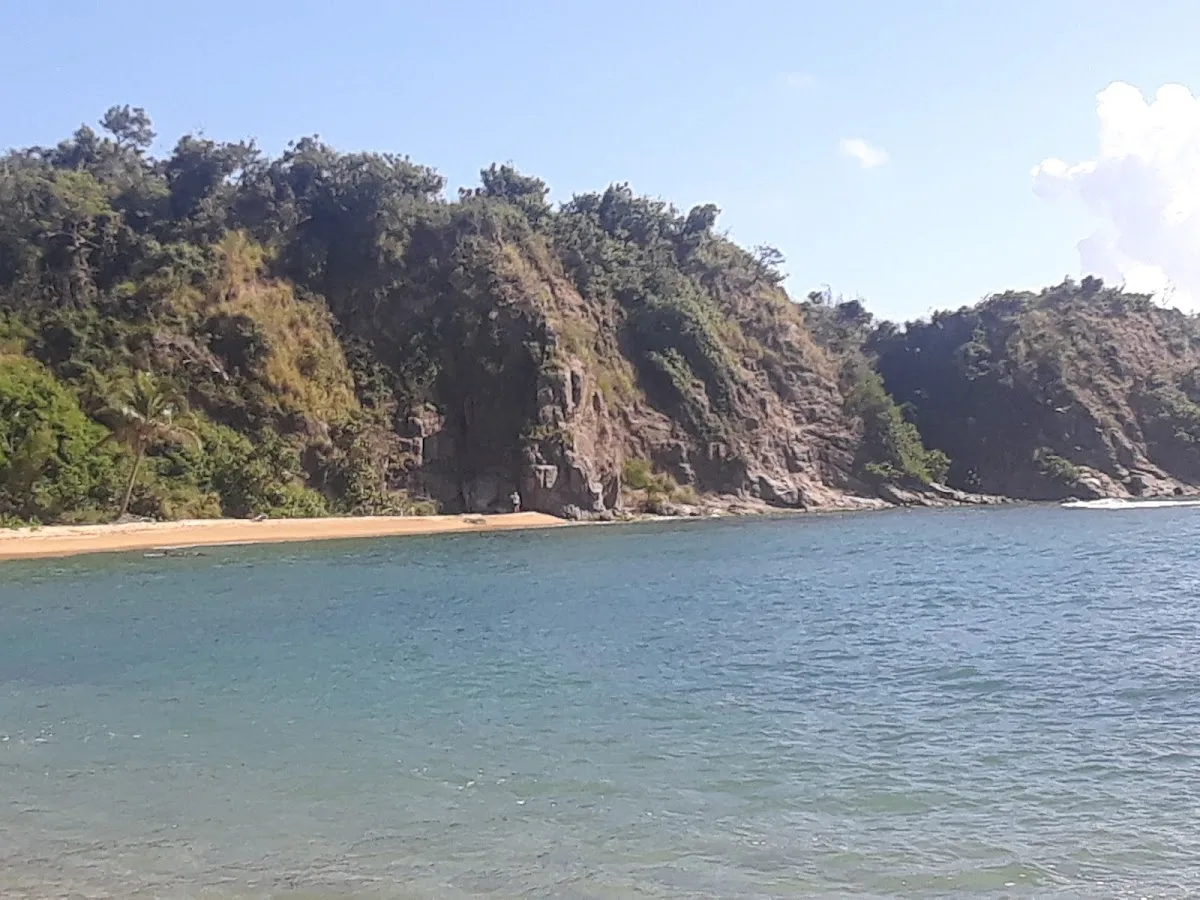
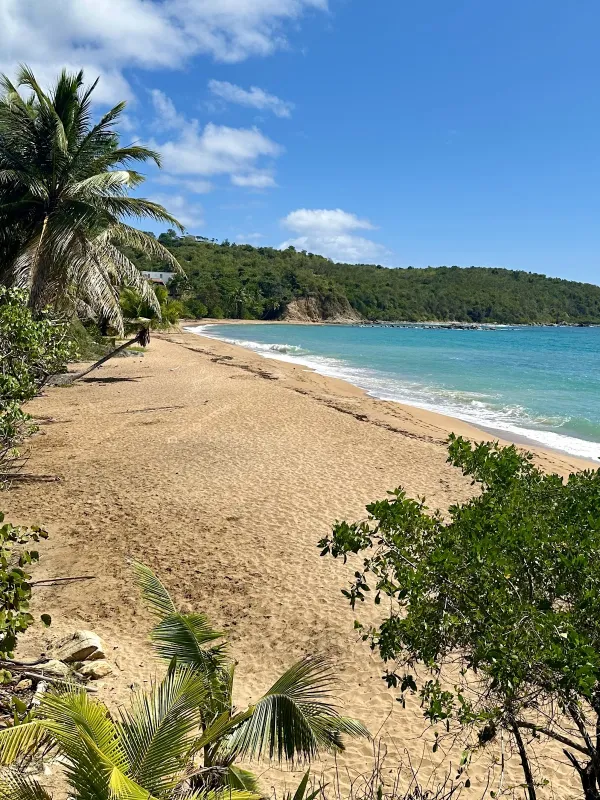
Playa Teresa is a secluded beach in Yabucoa, Puerto Rico, known for scenic views and its secluded atmosphere.
- Scenic
- Secluded
Moderate hike.
Early morning hikes avoid the intense midday heat on the exposed trail through the nature reserve.
Moderate hike.
Swim with a buddy and know your limits.
Informal trailhead parking near the Ines Mendoza Nature Reserve entrance off the local road in Yabucoa. Space for about five to six vehicles on an unpaved shoulder area. No paved lot, markings, or signage indicate the parking spot. Ask locals for precise directions to the trailhead if navigating for the first time.
Bring water, shade, and food for the day.
Ways to experience Playa Teresa
Bookable tours and activities at and around this beach.
 Viator photoPopular Puerto Rico experiencePrivate: Piñones Beach Buggy Adventure + El Yunque WaterfallsCelebrate unforgettable moments on a private tour exclusively for you and your group, with personal attention from your dedicated guide. Start your…◷ About 6 hours✓ Free cancellationFrom $265Check availability ↗Browse more tours on Viator ↗
We may earn a commission when you book through Viator links, at no extra cost to you.
About Playa Teresa
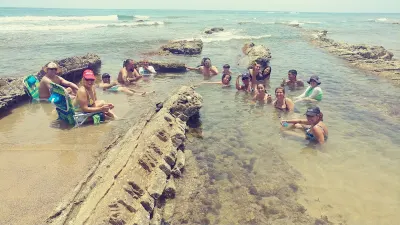
Reached via a challenging 15-minute hike through the Inés Mendoza Nature Reserve, this shell-sand beach stretches just over 100 meters along Yabucoa's southeastern coast where the Caribbean and Atlantic meet. Completely undeveloped with no amenities or infrastructure, it offers swimmers and nature lovers a raw, untouched coastal experience defined by solitude and dramatic scenery.
Local tips
What to Bring+
Critical Supplies (absolutely required): No amenities exist at this beach or along the trail. There are no lifeguards, emergency services, or reliable cell phone coverage.
- Water: Bring abundant water in a cooler or hydration pack for the full round-trip hike.
- Food and snacks: Pack all meals and snacks, as there are no food vendors at or near this beach.
- First aid kit: Essential for treating minor injuries on the rocky trail.
- Companion: Always bring a companion and tell someone your plans before hiking in, as cell service is unreliable.
Sun and Water Protection:
- Reef-safe sunscreen: SPF 30 or higher, as Puerto Rico's tropical sun is intense, especially between 10 AM and 2 PM.
- Hat or cap: For continuous sun protection on the exposed trail.
- Swimsuit: Choose comfortable clothing for swimming.
- Water shoes: Switch from sturdy closed-toe hiking shoes once you reach the beach.
- Towel: For drying off after swimming.
Shade and Photography:
- Portable beach umbrella or pop-up shade tent: Highly recommended, as natural shade may be limited.
- Camera with extra battery: The wild, undeveloped coastline provides dramatic shots; bring a waterproof bag for your gear.
- Binoculars: For enjoying coastal views and wildlife.
Important Note: The shell sand shoreline can conceal sharp coral fragments. Swim with extreme caution as no rescue assistance is available in this remote location. The 15-minute hike is classified as challenging with uneven rocky terrain and steep sections requiring careful footing.
History & Background+
Playa Teresa is located in Yabucoa, the southeastern municipality where the sunrise first hits Puerto Rico, known as the Sugar City. Situated at the southeastern corner where the Caribbean and Atlantic meet, this area carries a unique character shaped by the Sierra de Pandura mountain backdrop, which influences local weather patterns.
Reached via a challenging 15-minute hike through the Inés Mendoza Nature Reserve, the beach stretches just over 100 meters and features a distinctive composition of crushed shells rather than typical sand, creating a textured surface that varies in color from white to tan. The trail passes through coastal dry forest with native vegetation and wildlife, rewarding hikers with a completely undeveloped, raw coastal experience with no amenities or infrastructure of any kind.
The municipality of Yabucoa has deep roots in Puerto Rico's history, and beaches like Playa Teresa reflect the ongoing relationship between coastal communities and the sea. This stretch of shoreline carries the character of its surroundings, whether visited by local families on weekends or travelers discovering the area for the first time.
Nearby Attractions+
Playa Teresa is situated in Yabucoa, which offers several attractions beyond the beach. The area combines natural beauty with authentic Puerto Rican culture and local dining experiences.
- Yabucoa Valley and Punta Tuna Area: Well worth a visit if you have extra time to explore the region's landscape and coastal views.
- Maunabo: A neighboring town a short drive away, offering additional beach and cultural exploration opportunities.
- Other nearby beaches: Playa Guayanés, Piedra Las Guaretas (Cueva de las Cabras), and Playa El Guano each offer different character and are worth exploring if you have time for beach hopping.
- Yabucoa town center: Features a central plaza with a church, local shops, and cafes—a good place to experience everyday Puerto Rican town life. Many towns hold weekend markets or festivals throughout the year, particularly during patron saint celebrations (fiestas patronales) with live music, food, and cultural performances.
- Local dining: Look for roadside kiosks (chinchorros) and local restaurants serving traditional Puerto Rican fare including fresh seafood, mofongo (mashed plantain with garlic), and tostones (fried plantain slices). Weekend food stalls sell empanadillas, bacalaítos (codfish fritters), and piraguas (shaved ice with fruit syrup) at affordable prices. Ask locals for their favorite spot—the best food is often at the least conspicuous establishments.
Photos
Be the first to add a photo
Recent photos help others recognize the access point, water, and parking setup.
Reviews
No Puerto Rico Beach Finder reviews yet
Share whether access was easy, how the water felt, and what the next person should know.
Planning your visit
Explore by activity
Nearby beaches
Questions
Where is Playa Teresa located?
Playa Teresa is located in Yabucoa, Puerto Rico. The exact coordinates are 18.015749, -65.834804. You can use GPS navigation or follow signs to Yabucoa and look for beach access points.
Is Playa Teresa good for swimming?
Yes, Playa Teresa is a public beach open for swimming.
What facilities are available at Playa Teresa?
Playa Teresa is a natural beach. Facilities may be limited, so consider bringing your own supplies.
What activities can I do at Playa Teresa?
Popular activities at Playa Teresa include swimming. The beach is perfect for a day trip from Yabucoa.
Is there parking at Playa Teresa?
Parking near Playa Teresa may be limited. It's recommended to arrive early, especially on weekends and holidays.
Similar beaches
Discover more beaches
Explore 400+ beaches across the island with filters, maps, and detailed guides.
Explore all beaches