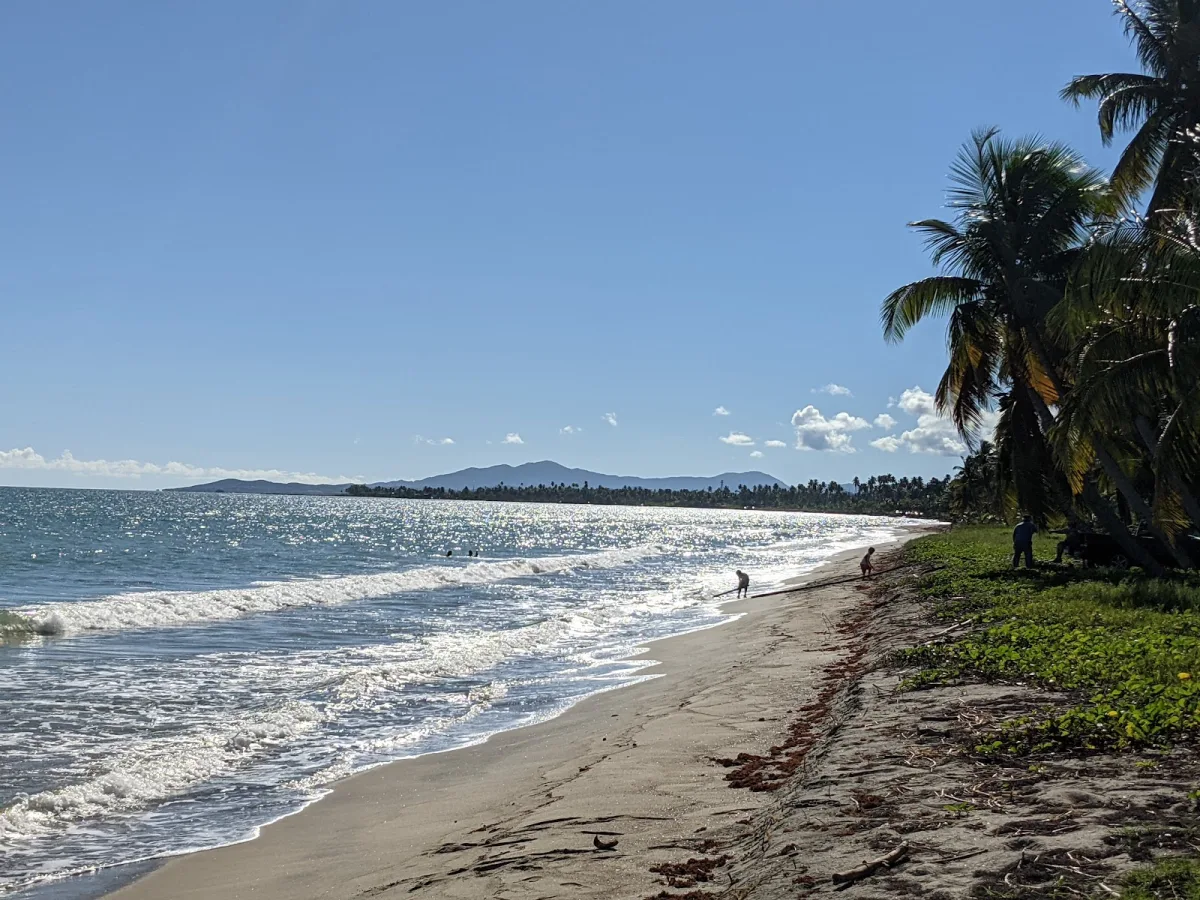
Punta Lima Beach is a beach in Naguabo, Puerto Rico, known for scenic views and swimming. A windswept cape beach in Naguabo offering camping with basic amenities like picnic tables and fire pits. Facilities include parking.
- Camping
- Fishing
- Scenic
- ✓ Parking
- ✓ Picnic Areas
Short path.
Camping is most comfortable from December through April during the dry season.
Steady winds and choppy water are the main hazards on the open beach. Swim only in sheltered rocky pockets, not in the main exposed area.
Swim with a buddy and know your limits.
Gravel lot adjacent to the camping area with space for about 15 cars. Free parking. Campers can typically park close to their tent sites. Easy to find space except on holiday weekends.
Ways to experience Punta Lima Beach
Bookable tours and activities at and around this beach.
 Viator photoPopular near this beachPrivate: Piñones Beach Buggy Adventure + El Yunque WaterfallsCelebrate unforgettable moments on a private tour exclusively for you and your group, with personal attention from your dedicated guide. Start your…◷ About 6 hours✓ Free cancellationFrom $265Check availability ↗Browse more tours on Viator ↗
We may earn a commission when you book through Viator links, at no extra cost to you.
About Punta Lima Beach
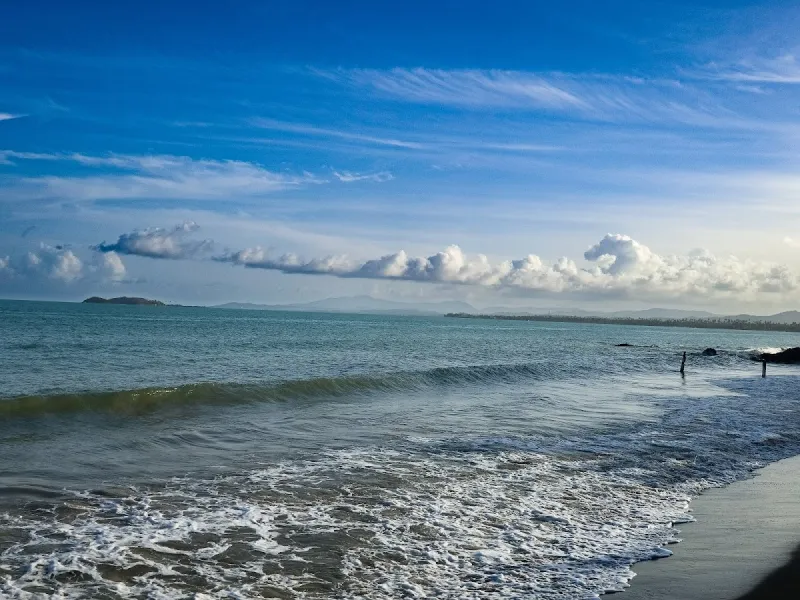
A windswept cape beach in Naguabo offering camping with basic amenities like picnic tables and fire pits. The exposed eastern coastline brings steady trade winds favored by kiteboarding and windsurfing enthusiasts. Snorkeling is possible in calmer pockets along the rocky shore, while fishing and scenic sunset views from the eastern cape reward visitors seeking a quieter, wind-powered coastal experience.
Local tips
What to Bring+
Camping & Shelter:
- Tent with sturdy stakes (wind can dislodge standard camping stakes quickly)
- Sleeping bag rated for tropical conditions
- Camping stove and fuel for cooking
- Headlamp or flashlight with extra batteries
- Portable beach umbrella or pop-up shade tent (natural shade is limited)
Fishing & Water Activities:
- Fishing rod and tackle
- Bait and cooler for your catch
- Valid Puerto Rico fishing license
- Snorkeling gear (mask, fins, snorkel) for exploring sheltered rocky pockets
Sun & Weather Protection:
- Reef-safe sunscreen (SPF 30 or higher)
- Hat for sun protection (Puerto Rico's tropical sun is intense between 10 AM and 2 PM)
- Reusable water bottle to stay hydrated
- Insect repellent for evening hours
Food & Cooking:
- All meals, snacks, and water in a cooler (no food vendors at or near this beach)
- Firewood or charcoal for fire pits (no vendor on-site)
Safety & Documentation:
- First-aid kit and camping safety supplies
- Camera with extra battery and tripod for sunset shots
- Binoculars for coastal views and wildlife observation
History & Background+
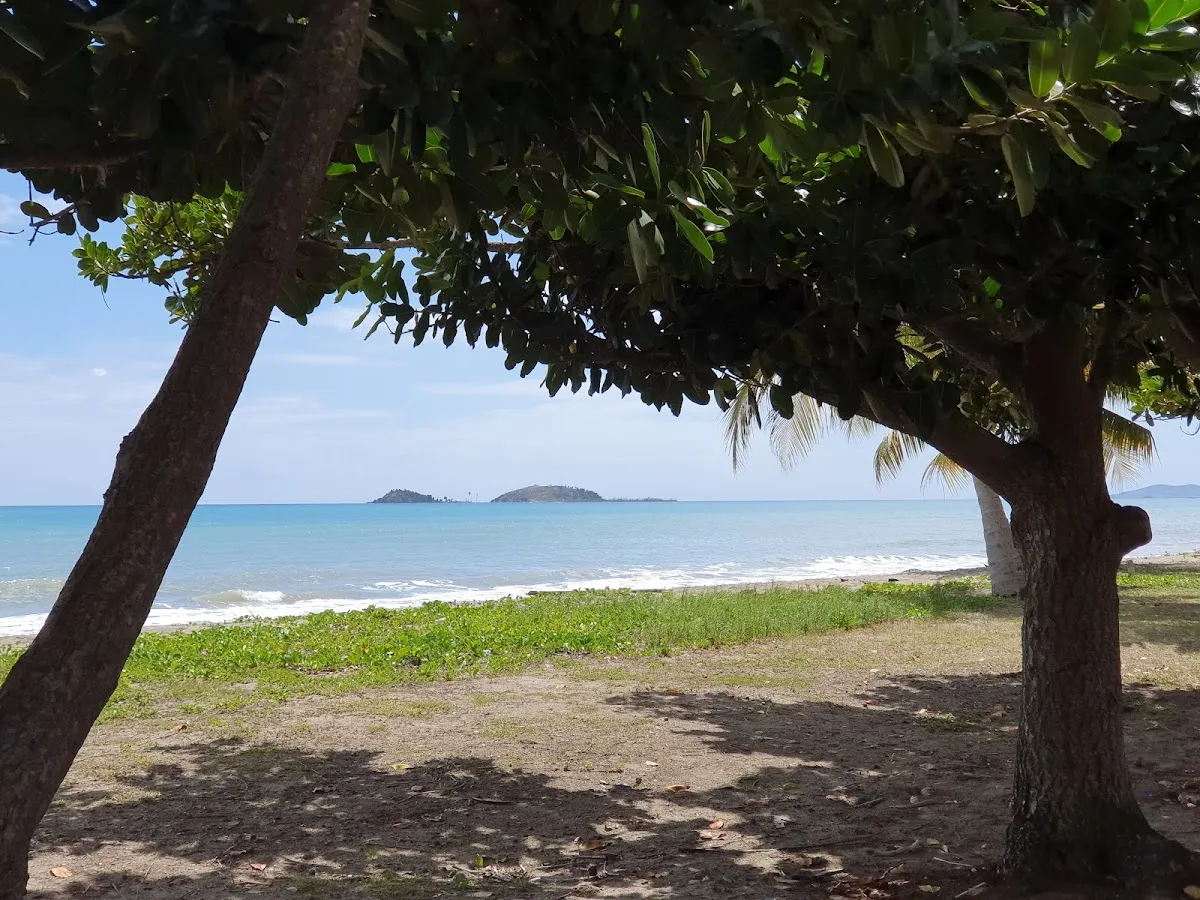
Punta Lima Beach is located in the municipality of Naguabo on Puerto Rico's eastern coast, positioned where the Atlantic and Caribbean converge. The east coast serves as a jumping-off point to offshore islands and cays, including views of Monkey Island (Cayo Santiago). This area sits where trade winds provide steady breezes year-round, shaping both the landscape and the activities that thrive here.
One of the few beaches in eastern Puerto Rico offering organized camping with basic infrastructure including picnic tables and fire pits directly on the windswept shoreline. The exposed eastern cape catches steady trade winds, making Punta Lima a reliable spot for wind-powered water sports, especially kiteboarding and windsurfing. While the main beach is wind-exposed, calmer pockets along the rocky shoreline offer sheltered areas where snorkeling is possible in clear, shallow water.
The municipality of Naguabo has deep roots in Puerto Rico's history, and beaches like Punta Lima reflect the ongoing relationship between coastal communities and the sea. Whether visited by local families on weekends or travelers discovering the area for the first time, this stretch of shoreline carries the character of its surroundings.
Nearby Attractions+
Punta Lima Beach is situated in Naguabo, which offers several attractions beyond the beach itself. The area provides opportunities to experience local culture, sample authentic Puerto Rican cuisine, and explore nearby coastal communities and natural reserves.
- Cayo Santiago (Monkey Island): Visible offshore and well worth a visit if you have extra time, this island is home to a research colony of rhesus macaques.
- Humacao: A neighboring area worth exploring, just a short drive away, offering additional beaches and local amenities.
- Local Restaurants & Kiosks (Chinchorros): Look for traditional Puerto Rican fare including fresh seafood, mofongo (mashed plantain with garlic), and tostones (fried plantain slices). Many beach areas have informal food stalls that appear on weekends, selling empanadillas, bacalaítos (codfish fritters), and piraguas (shaved ice with fruit syrup) at affordable prices.
- Paseo Tablado "El Malecón de Naguabo": Another beach in the Naguabo area with a different character, worth exploring if you have time for beach hopping.
- Reserva Natural Bosque Pterocarpus: A natural reserve offering insights into Puerto Rico's coastal ecosystems and mangrove forests.
- Naguabo Town Center: Features a central plaza with a church, local shops, and cafés. A good place to experience everyday Puerto Rican town life. Many towns hold weekend markets or festivals throughout the year, particularly during patron saint celebrations (fiestas patronales) featuring live music, food, and cultural performances.
Photos
Be the first to add a photo
Recent photos help others recognize the access point, water, and parking setup.
Reviews
No Puerto Rico Beach Finder reviews yet
Share whether access was easy, how the water felt, and what the next person should know.
Planning your visit
Explore by activity
Nearby beaches


Questions
Where is Punta Lima Beach located?
Punta Lima Beach is located in Naguabo, Puerto Rico. The exact coordinates are 18.186167, -65.694125. You can use GPS navigation or follow signs to Naguabo and look for beach access points.
Is Punta Lima Beach good for swimming?
Yes, Punta Lima Beach is a public beach open for swimming.
What facilities are available at Punta Lima Beach?
Punta Lima Beach offers the following facilities: Parking, Picnic Areas.
What activities can I do at Punta Lima Beach?
Popular activities at Punta Lima Beach include swimming, fishing. The beach is perfect for a day trip from Naguabo.
Is there parking at Punta Lima Beach?
Yes, Punta Lima Beach has parking available.
Similar beaches
Discover more beaches
Explore 400+ beaches across the island with filters, maps, and detailed guides.
Explore all beaches