Punta Puerto Nuevo Vega Baja, Puerto Rico
Quick Facts
About Punta Puerto Nuevo
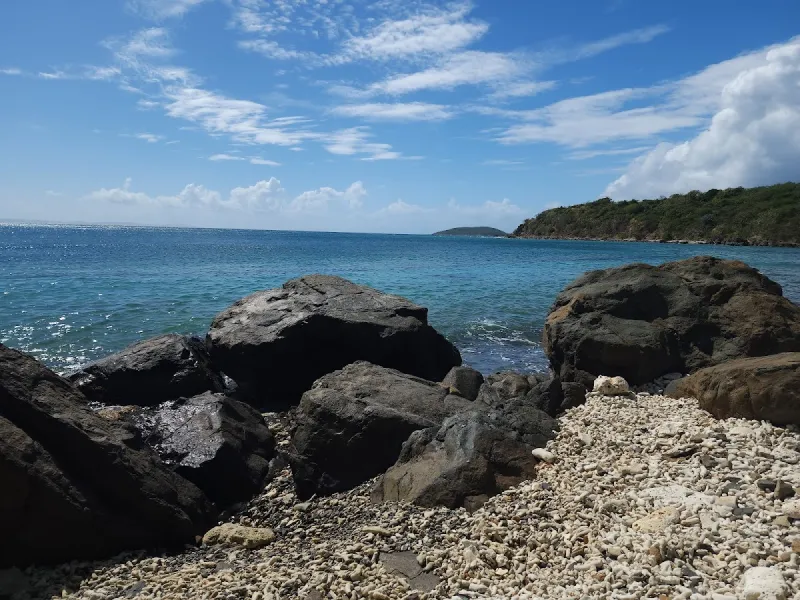
Punta Puerto Nuevo is an exposed rocky point on Vega Baja's northern coast featuring dramatic reef shelves perfect for snorkeling on calm days. This scenic karst formation, shaped by ancient coral and carved by wave action, creates shallow tidal pools and channels rich with marine life. Best visited during summer months with minimal swell and careful attention to ocean conditions.
Visitor Tips
- Arrive before 10am to secure the best parking spots and beach locations
- Golden hour (shortly after sunrise or before sunset) provides the best lighting for photos
- Bring your own snorkeling gear for the best fit and visibility
- Bring your own food and drinks - limited vendors in the area
- Help preserve the beach beauty by taking all trash with you when you leave
- Bring plenty of water - staying hydrated in the tropical heat is essential
History & Background
Punta Puerto Nuevo sits on an exposed rocky point along the coast of Vega Baja, a municipality on Puerto Rico's northern karst belt whose history is deeply intertwined with the sea. The area around Puerto Nuevo has been inhabited since pre-Columbian times, with Taino settlements documented along the northern coast that took advantage of the reef formations and tidal pools for fishing and shellfish gathering. The reef shelves at Punta Puerto Nuevo would have been a natural food source, accessible during low tide and rich with sea urchins, crabs, and small fish.
Vega Baja was officially founded in 1776 during the Bourbon reforms that reorganized Puerto Rico's administrative geography. The karst geology of northern Puerto Rico creates dramatic landforms visible along this coastline—limestone formations carved by wave action into sharp, honeycombed rock structures called dientes de perro (dog's teeth). These formations extend into the water as reef shelves, creating shallow pools and channels that harbor marine life when conditions are calm. At Punta Puerto Nuevo, these reef shelves extend further offshore than at many neighboring beaches, making it a distinctive snorkeling spot on the right day.
In recent decades, particularly after Hurricane Maria in 2017, Vega Baja has promoted its coastal assets more actively. The Puerto Nuevo area received attention as part of recovery efforts, though the exposed point itself remains undeveloped, maintained by the natural forces that shape it.
Best Time to Visit
Punta Puerto Nuevo is only worth visiting on very calm days when ocean swells are minimal. The exposed reef shelves become dangerous when waves break across them, creating surge and turbulent whitewater that makes snorkeling impossible and standing on the rocks hazardous.
- Summer months (June–September): The calmest ocean conditions on Puerto Rico's north shore, when the dominant North Atlantic swells subside. Water over the reef shelves is remarkably clear and still, ideal for observing marine life.
- Winter months (November–March): Larger swells generated by cold fronts make Punta Puerto Nuevo unsafe for water activities. Even on seemingly calm days, rogue waves can sweep across low-lying reef shelves with little warning.
- Early morning visits: Offer the best light conditions for seeing into the water. By midday, surface glare reduces visibility.
- Low tide: Exposes more of the reef shelf and creates additional tidal pools to explore. Check tide tables to significantly improve your experience.
- Surf forecasts: Always check conditions before visiting and look for days with wave heights below two feet along the north coast.
Getting There
From San Juan, take PR-22 west to the Vega Baja exit, then follow PR-686 north toward the coast. From Manati or Arecibo to the west, take PR-2 east and connect to PR-686 north. The drive from San Juan takes approximately 45 minutes to one hour depending on traffic.
- Exit PR-22 at Vega Baja and head north on PR-686 toward the coast.
- Continue through the more developed Puerto Nuevo beach area.
- Move east along the coastal road as it narrows toward the point.
- Look for informal access points along the eastern end of the coastal road.
- Park roadside near the point (see parking information below).
- Reach the point on foot from the road, crossing over rough limestone terrain.
Parking: There is no formal parking lot at the point itself, so roadside parking is the norm. Be careful not to block driveways or access roads when parking. The point is reached on foot from the road, crossing rough limestone terrain. Wear appropriate footwear for this approach; the karst rock is sharp and unforgiving on bare feet or thin sandals. The walk from the road to the water's edge is short but requires careful footing. Public transportation does not serve this location reliably; a car or ride-share service is the practical option. When using ride-share, mark your pickup location clearly, as the area lacks obvious landmarks for unfamiliar drivers.
What to Bring
Essential Footwear:
- Sturdy water shoes or reef booties are the single most important item. The limestone rock formations are extremely sharp and will cut bare feet or thin sandals. Proper footwear allows you to navigate the reef shelves safely and wade into shallow pools without injury.
Snorkeling Gear:
- Mask and snorkel let you take full advantage of clear water when conditions cooperate.
- Fins are optional since snorkeling here is mostly in shallow water over the reef shelf rather than open ocean swimming.
- Mesh bag for your gear helps keep everything organized on rocky terrain.
Sun and Safety Protection:
- Sunscreen is essential; reef-safe formulations are strongly preferred to protect the ecosystem you are there to enjoy.
- Hat and sunglasses round out the sun protection strategy for this fully exposed site.
- First aid kit with bandages and antiseptic is worth carrying given the sharp rock environment. Even careful visitors can scrape a knee or hand.
- Gloves can be useful if you plan to brace yourself on the rocks while exploring tide pools.
Provisions:
- Water and food should all be brought with you, as there are no facilities at the point. The nearest shops and restaurants are back in the main Puerto Nuevo area, a few minutes' drive west.
Nearby Attractions
Several attractions offer varied experiences near Punta Puerto Nuevo, from sandy beaches to natural pools and wetland ecosystems.
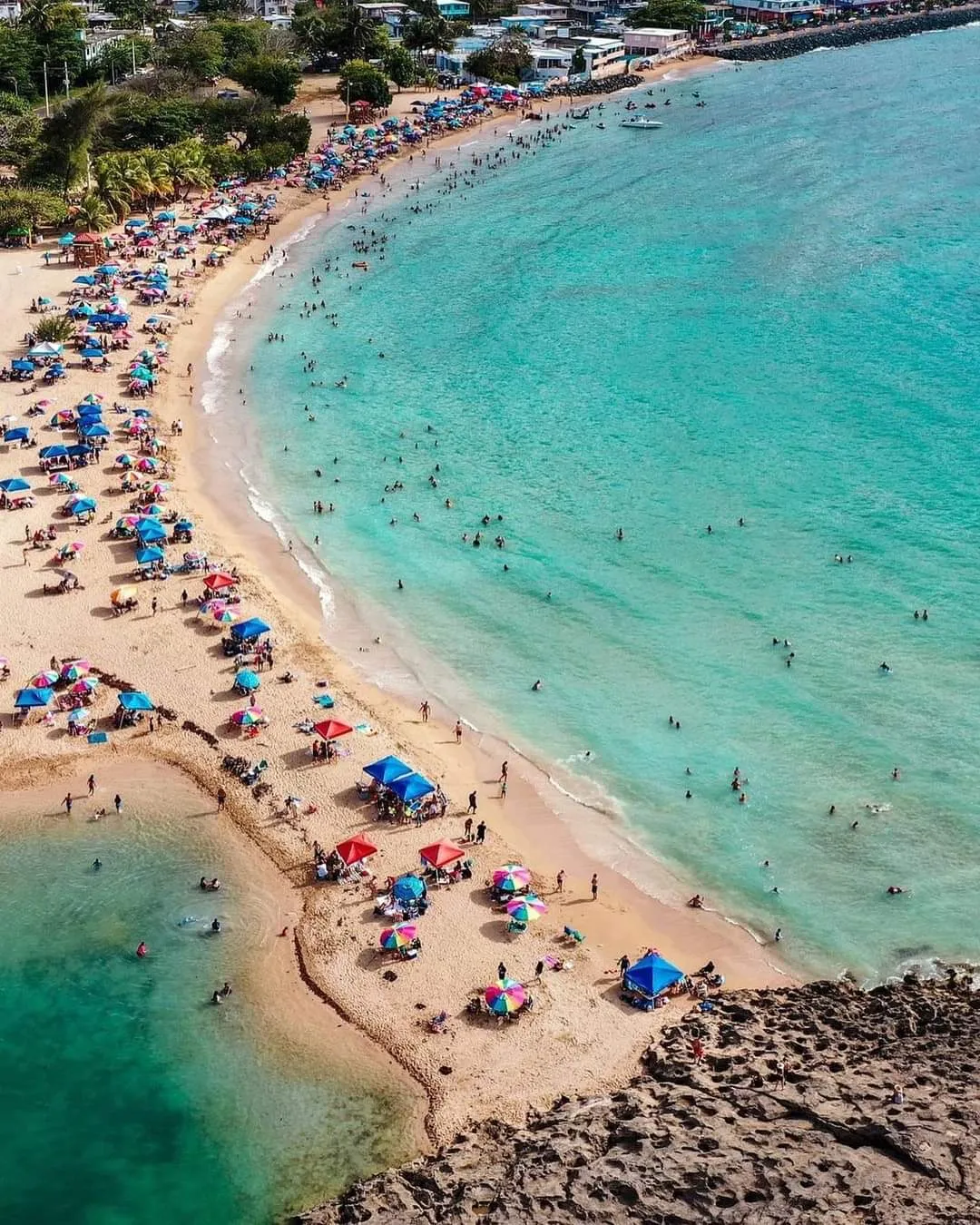
- Playa Puerto Nuevo, the main sandy beach in the Puerto Nuevo sector, is just a short drive or walk west from the point. This beach offers a more conventional beach experience with sand, easier water entry, and occasionally food vendors. It is popular with north coast locals on weekends.
- Playa Mar Chiquita, one of Puerto Rico's most photographed beaches, is located about 10 minutes east in Manati municipality. This natural pool, enclosed by a rock formation that creates a crescent-shaped opening to the sea, is a must-see on the north coast. Weekday visits are recommended to avoid crowds.
- Vega Baja town center is about 15 minutes inland and features a traditional Puerto Rican plaza with a church, local restaurants, and small shops. The town celebrates its annual patron saint festival in June, which brings carnival rides, live music, and food stalls.
- Cano Tiburones nature reserve, the largest freshwater wetland in Puerto Rico, lies south of the coastal zone in Vega Baja and extends into Manati. The reserve is accessible via a boardwalk trail system and is home to migratory birds, manatees, and freshwater fish species.
- Arecibo Observatory site, though the telescope collapsed in 2020, remains a point of interest about 30 minutes west. The visitor center and surrounding karst landscape are worth visiting for science enthusiasts.
Local Tips
- Never turn your back on the ocean. Even on calm days, occasional larger waves can sweep across the reef shelves unexpectedly. Maintain awareness of water levels rising and falling around your feet, and retreat to higher ground if you notice the water surging.
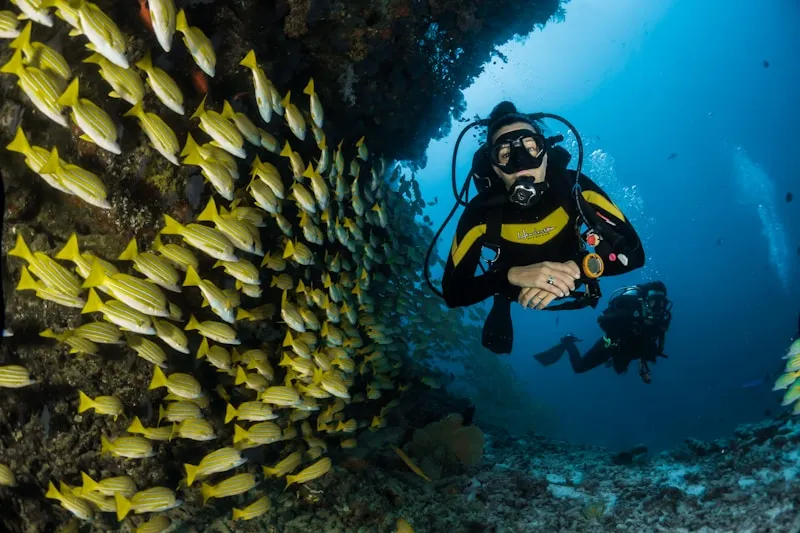
- Best snorkeling is in deeper channels. Explore the deeper channels between reef shelves rather than the shallowest pools. These channels often hold small schools of fish, sea urchins, and occasional octopus. Move slowly and avoid touching the bottom, both for your safety (sea urchin spines are painful) and to avoid disturbing the habitat.
- Assess conditions from the main beach first. Visit Playa Puerto Nuevo first and observe conditions from shore before committing to walk out to the point. If you see waves breaking across the reef shelves, conditions are too rough for the point.
- Try local food vendors. For food after your visit, the kiosks and restaurants along the Vega Baja coastal road serve simple but satisfying local fare. Empanadillas, alcapurrias, and fresh fruit batidas are common offerings. On weekends, you may find pop-up barbecues selling chicken or pork skewers.
- Protect your valuables. Be cautious about leaving belongings in your car at unmonitored roadside parking spots. Carry valuables with you or leave them at your accommodation. This advice applies broadly along Puerto Rico's north coast parking areas.
Visitor Photos
Sign in to addNo photos yet. Be the first to share!
Reviews
No reviews yet. Be the first to share your experience!
Conditions
5 months agoLive Updates
No recent crowd data
Practical Info
No lifeguards are present. Swim at your own risk and never swim alone. Apply waterproof sunscreen regularly - the tropical sun is strong. Check weather conditions before visiting, especially during hurricane season (June-November).