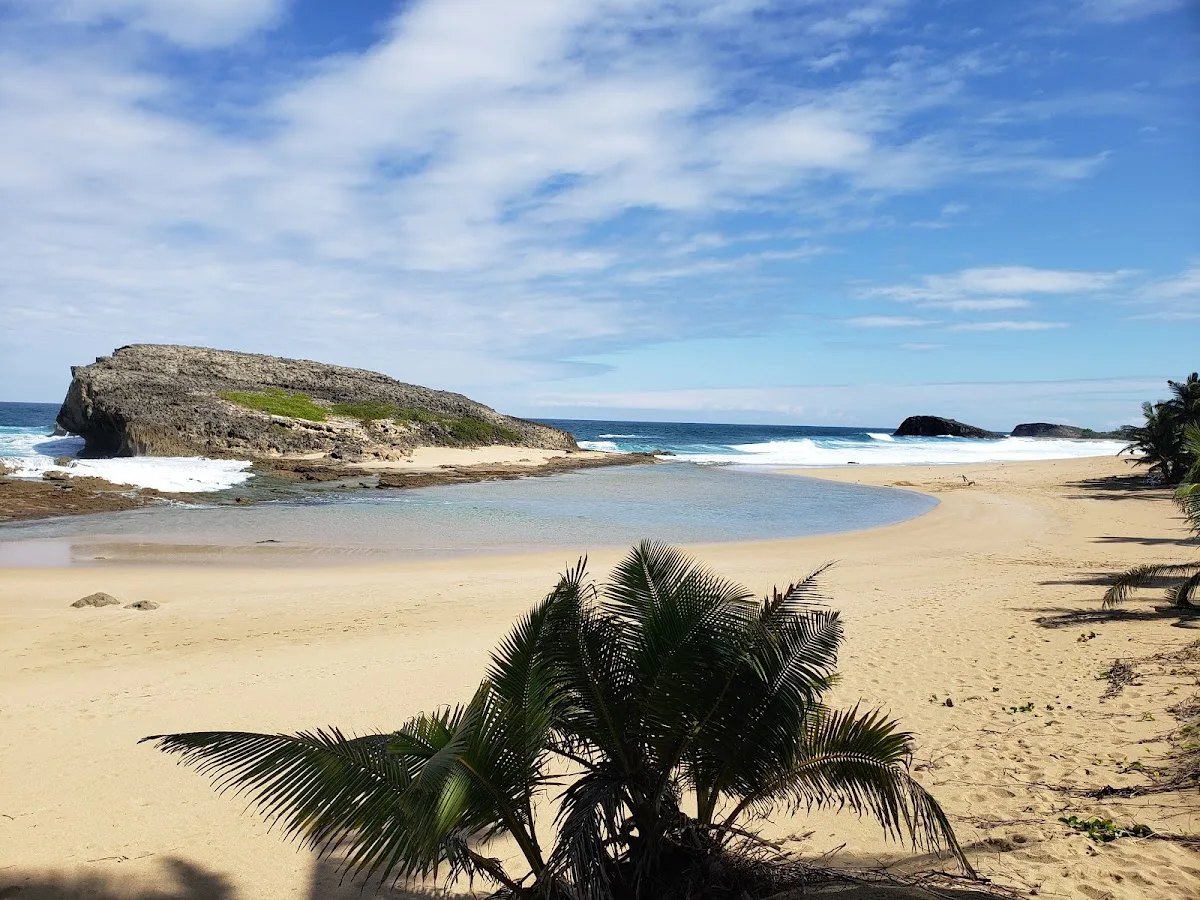
Arecibo Oceanfront Paradise is a family-friendly beach in Caguas, Puerto Rico, known for families and scenic views. A scenic beach access point along Highway 681 on Puerto Rico's north coast near Arecibo, within reach of the inland municipality of Caguas. Facilities include on-site dining, parking.
- Scenic
- ✓ Food & Drinks
- ✓ Parking
Short path.
Summer months from June through September offer the calmest seas for family swimming.
Atlantic-facing beach with variable wave conditions.
Swim with a buddy and know your limits.
Roadside pulloffs along Highway 681. Free, informal parking. Space is ample but unshaded. No designated lot.
Ways to experience Arecibo Oceanfront Paradise
Bookable tours and activities at and around this beach.
 Viator photoPopular near this beachTanama River Cave Tubingour tour is offered at the heart of a subtropical forest through private access and completely away from crowds. Following old trails left by our…◷ About 6 hours✓ Free cancellationFrom $99Check availability ↗Browse more tours on Viator ↗
We may earn a commission when you book through Viator links, at no extra cost to you.
About Arecibo Oceanfront Paradise
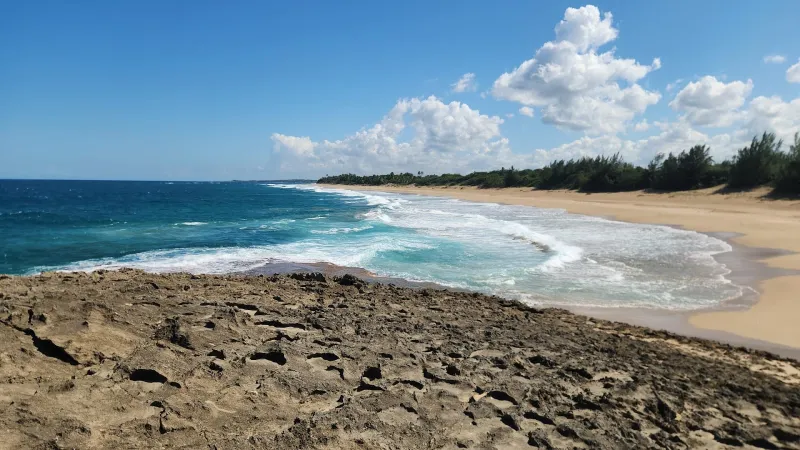
A scenic beach access point along Highway 681 on Puerto Rico's north coast near Arecibo, within reach of the inland municipality of Caguas. The Atlantic-facing shoreline features gentle waves ideal for family swimming, with minimal development and authentic roadside food stands serving fresh local fare. Easy roadside parking and direct sand access make this an accessible coastal escape.
Local tips
What to Bring+
Sun and Water Protection:
- Reef-safe sunscreen (SPF 30 or higher) – Puerto Rico's tropical sun is intense, especially between 10 AM and 2 PM
- Reusable water bottle – Stay hydrated throughout the day
- Wide-brimmed hat or cap – Essential for sun protection
- Swimsuit and goggles – For comfortable swimming
- Beach towel
Shade and Comfort:
- Portable beach umbrella or pop-up shade tent – Highly recommended, as natural shade is limited
- Beach mat or towel – For sitting on sand
For Families with Children:
- Sand toys – Buckets, shovels, and molds for play
- Snacks and water – Plenty of water for the kids, though food vendors are nearby
- Camera with extra battery and tripod – For capturing sunset shots and coastal views
Optional:
- Binoculars – For observing coastal wildlife and views
History & Background+
Arecibo Oceanfront Paradise is a beach access point along scenic Highway 681 on Puerto Rico's north coast, located within reach of the inland municipality of Caguas. Though Caguas sits in the Turabo Valley at the heart of the Criollo Corridor, this coastal area connects mountain communities directly to the Atlantic shoreline.
The Atlantic-facing shoreline features gentle waves suitable for family swimming, unusual for the north coast where larger swells are typical. The surrounding area remains largely undeveloped, preserving its natural character. Local food stands along the beach road serve freshly made fritters, cold drinks, and seafood plates, providing an authentic roadside dining experience without leaving the beach area.
Whether visited by local families on weekends or travelers discovering the area for the first time, this stretch of shoreline carries the character of its surroundings—a place where the relationship between Puerto Rico's inland and coastal communities remains visible and accessible.
Nearby Attractions+
Arecibo Oceanfront Paradise is situated in and near Caguas, which offers several attractions beyond the beach itself. The area provides opportunities to experience Puerto Rican culture, local cuisine, and natural attractions. Here are nearby options worth exploring:
- Jardín Botánico y Cultural de Caguas – A botanical and cultural garden well worth a visit if you have extra time in the area
- Playa Caracoles – Another beach in the Caguas area worth visiting for variety
- Gurabo – The neighboring municipality is a short drive away and offers local character
- Caguas town center – Features a central plaza with a church, local shops, and cafes; a good place to experience everyday Puerto Rican town life. Many towns hold weekend markets or festivals throughout the year, particularly during fiestas patronales (patron saint celebrations) which feature live music, food, and cultural performances
- Roadside kiosks (chinchorros) – Serve traditional Puerto Rican fare including fresh seafood, mofongo (mashed plantain with garlic), and tostones (fried plantain slices). Food vendors also appear at or near the beach itself on weekends, selling empanadillas, bacalaítos (codfish fritters), and piraguas (shaved ice with fruit syrup) at affordable prices
Photos
Be the first to add a photo
Recent photos help others recognize the access point, water, and parking setup.
Reviews
No Puerto Rico Beach Finder reviews yet
Share whether access was easy, how the water felt, and what the next person should know.
Planning your visit
Explore by activity
Nearby beaches

Questions
Where is Arecibo Oceanfront Paradise located?
Arecibo Oceanfront Paradise is located in Caguas, Puerto Rico. The exact coordinates are 18.492439, -66.633602. You can use GPS navigation or follow signs to Caguas and look for beach access points.
Is Arecibo Oceanfront Paradise good for swimming?
Yes, Arecibo Oceanfront Paradise is a public beach open for swimming.
What facilities are available at Arecibo Oceanfront Paradise?
Arecibo Oceanfront Paradise offers the following facilities: Food, Parking.
What activities can I do at Arecibo Oceanfront Paradise?
Popular activities at Arecibo Oceanfront Paradise include swimming. The beach is family-friendly and perfect for a day trip from Caguas.
Is there parking at Arecibo Oceanfront Paradise?
Yes, Arecibo Oceanfront Paradise has parking available.
Similar beaches

Discover more beaches
Explore 400+ beaches across the island with filters, maps, and detailed guides.
Explore all beaches