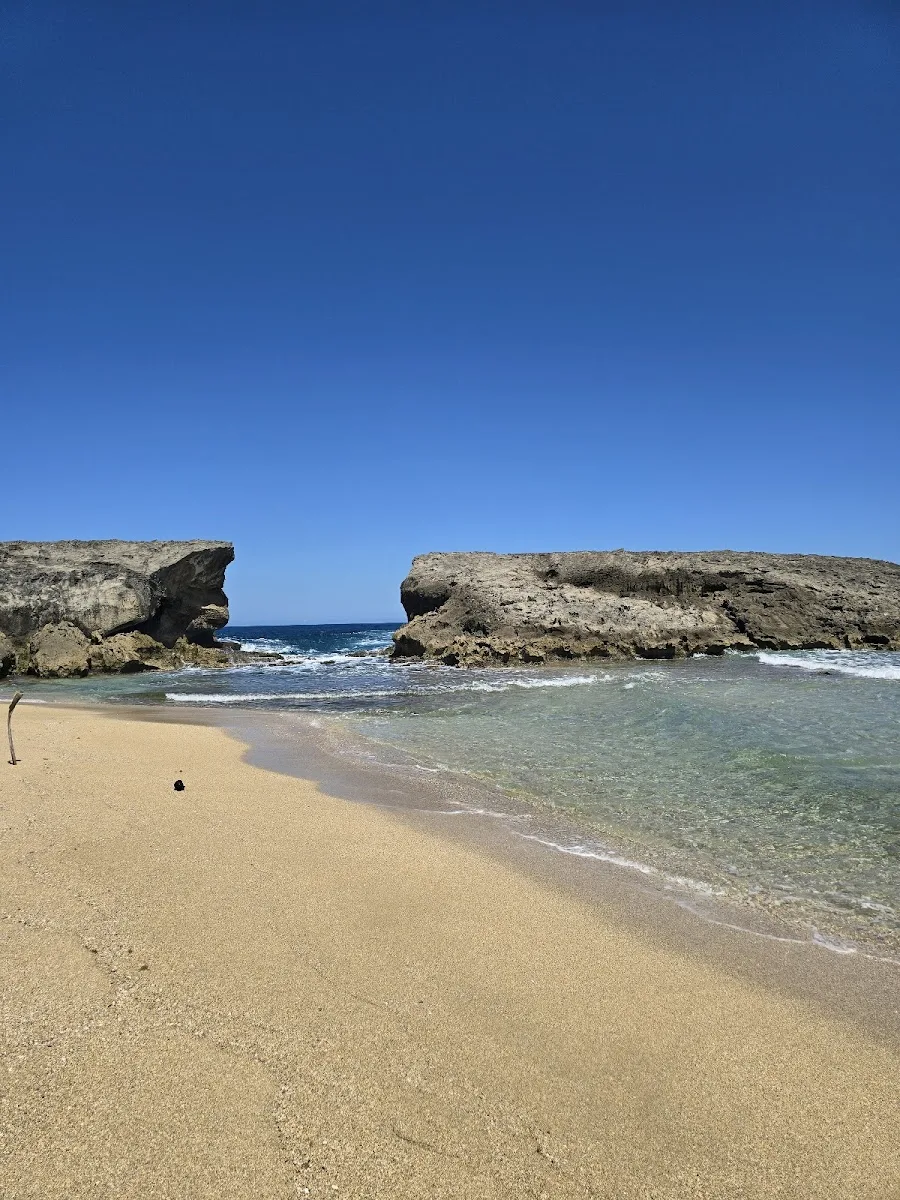
Playa Caracoles is a family-friendly beach in Caguas, Puerto Rico, known for calm waters and families. Facilities include parking.
- Scenic
- ✓ Parking
Short path.
January through April offers the best combination of dry weather and manageable ocean conditions.
Swim with a buddy and know your limits.
Informal roadside parking along Highway 681 with space for about 15 cars. No paved lot or fees. Arrive early on weekends to secure a spot close to the access path. Overflow vehicles park further along the road shoulder.
Bring water, shade, and food for the day.
Ways to experience Playa Caracoles
Bookable tours and activities at and around this beach.
 Viator photoPopular near this beachTanama River Cave Tubingour tour is offered at the heart of a subtropical forest through private access and completely away from crowds. Following old trails left by our…◷ About 6 hours✓ Free cancellationFrom $99Check availability ↗Browse more tours on Viator ↗
We may earn a commission when you book through Viator links, at no extra cost to you.
About Playa Caracoles
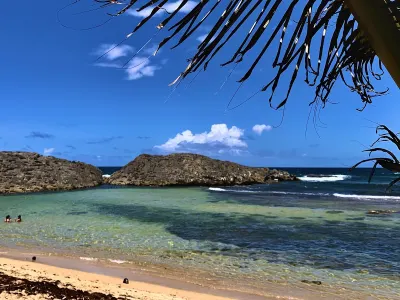
Playa Caracoles, also known as La Poza de Don Guelo, is a scenic cove beach featuring natural rock barriers that create a calm, shallow lagoon ideal for families and beginner swimmers. Located in Caguas along Highway 681 near the Columbus statue, this limestone-enclosed pool offers one of the safest natural swimming experiences on Arecibo's north coast. Arrive early on weekends as roadside parking is limited to about 15 spaces.
Local tips
What to Bring+
Pack these essentials for a safe and comfortable visit to Playa Caracoles:
- Sun Protection: Reef-safe sunscreen (SPF 30 or higher), a hat, and sunglasses. Puerto Rico's tropical sun is intense, especially between 10 AM and 2 PM.
- Water & Hydration: A reusable water bottle and a cooler with plenty of water and snacks, as there are no food vendors at or near this beach.
- Shade & Comfort: A portable beach umbrella or pop-up shade tent, as natural shade may be limited.
- Swimming Gear: Swimwear, water shoes for entering over the rocky edges of the lagoon (the bottom inside is mostly smooth sand), and a float or inflatable for lounging on the calm surface.
- Family Items: Sand toys for children and a camera with extra battery for capturing scenic views.
Safety Note: No lifeguards are present. The rock-formed lagoon is naturally sheltered and shallow, making it safe for children and beginner swimmers. The rocks forming the barrier can be sharp and slippery, so exercise caution when entering and exiting the water. Never attempt to swim in the open ocean beyond the rock barrier.
History & Background+
Playa Caracoles is located in the municipality of Caguas, an inland city in the Turabo Valley at the heart of the Criollo Corridor. Though Caguas sits inland, nearby coastal areas along Highway 681 bring mountain communities to the shore within easy reach.
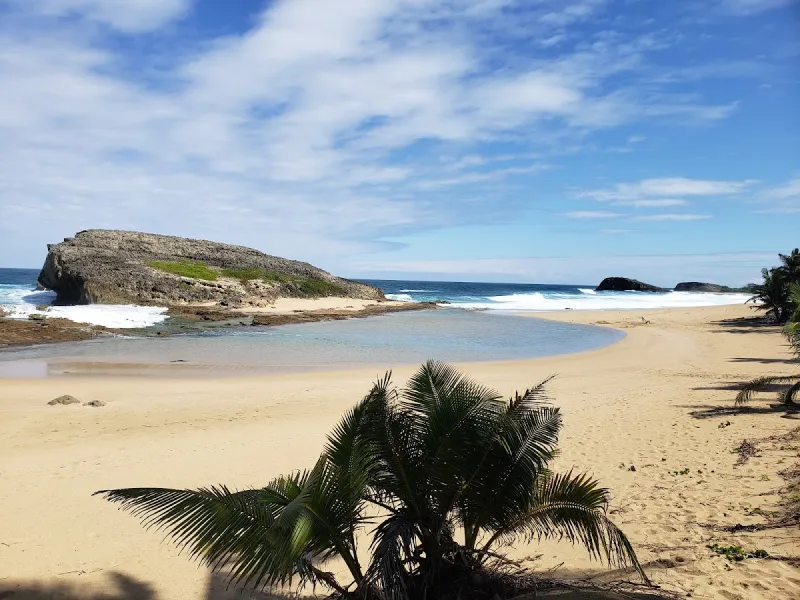
Known locally as La Poza de Don Guelo, this cove's natural rock barriers create a contained lagoon where water remains remarkably calm even when the open Atlantic experiences rough conditions. Limestone rock formations encircle a shallow, sandy-bottomed pool, making it one of the safest natural swimming spots on Arecibo's otherwise surf-heavy north coast. Situated near the Birth of the New World statue, the beach pairs well with a visit to this landmark for a half-day coastal outing.
The municipality of Caguas has deep roots in Puerto Rico's history, and beaches like Playa Caracoles reflect the ongoing relationship between coastal communities and the sea. Whether visited by local families on weekends or travelers discovering the area for the first time, this stretch of shoreline carries the character of its surroundings.
Nearby Attractions+
Playa Caracoles is situated in Caguas, which offers several attractions beyond the beach itself. The area provides cultural experiences, dining options, and opportunities to explore Puerto Rican town life.
- Jardín Botánico y Cultural de Caguas is well worth a visit if you have extra time to explore botanical gardens and cultural exhibits.
- Gurabo, the neighboring municipality, is a short drive away and offers additional local attractions and experiences.
- Arecibo town center features shops, cafes, and the nearby Birth of the New World statue, a good place to experience everyday Puerto Rican town life.
- Local restaurants and roadside kiosks (chinchorros) serve traditional Puerto Rican fare including fresh seafood, mofongo (mashed plantain with garlic), and tostones (fried plantain slices). Weekend food stalls sell empanadillas, bacalaítos (codfish fritters), and piraguas (shaved ice with fruit syrup) at affordable prices.
- Weekend markets and fiestas patronales (patron saint celebrations) throughout the year feature live music, food, and cultural performances in town centers.
Photos
Be the first to add a photo
Recent photos help others recognize the access point, water, and parking setup.
Reviews
No Puerto Rico Beach Finder reviews yet
Share whether access was easy, how the water felt, and what the next person should know.
Planning your visit
Explore by activity
Nearby beaches
Questions
Where is Playa Caracoles located?
Playa Caracoles is located in Caguas, Puerto Rico. The exact coordinates are 18.493078, -66.625218. You can use GPS navigation or follow signs to Caguas and look for beach access points.
Is Playa Caracoles good for swimming?
Yes, Playa Caracoles is a public beach open for swimming. The beach has calm waters, making it ideal for swimming.
What facilities are available at Playa Caracoles?
Playa Caracoles offers the following facilities: Parking.
What activities can I do at Playa Caracoles?
Popular activities at Playa Caracoles include swimming. The beach is family-friendly and perfect for a day trip from Caguas.
Is there parking at Playa Caracoles?
Yes, Playa Caracoles has parking available.
Similar beaches
Discover more beaches
Explore 400+ beaches across the island with filters, maps, and detailed guides.
Explore all beaches