Bahía Lima Beach Naguabo, Puerto Rico
At a Glance
Bahía Lima Beach is a secluded beach in Naguabo, Puerto Rico, known for scenic views and its secluded atmosphere. A secluded coastal area in northern Naguabo near Punta Lima, bordered by dense mangrove forest and offering scenic views of offshore cays and Monkey Island. Facilities include parking.
About Bahía Lima Beach
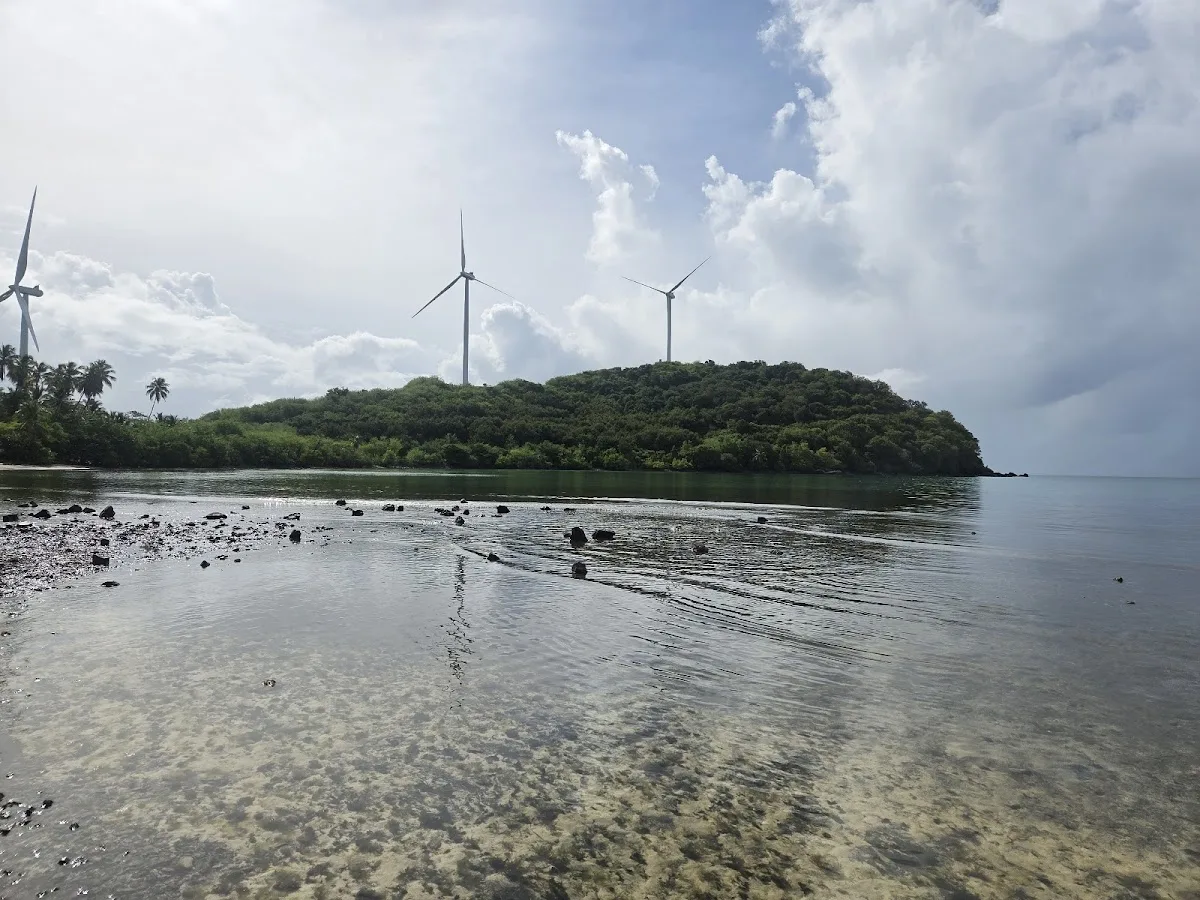
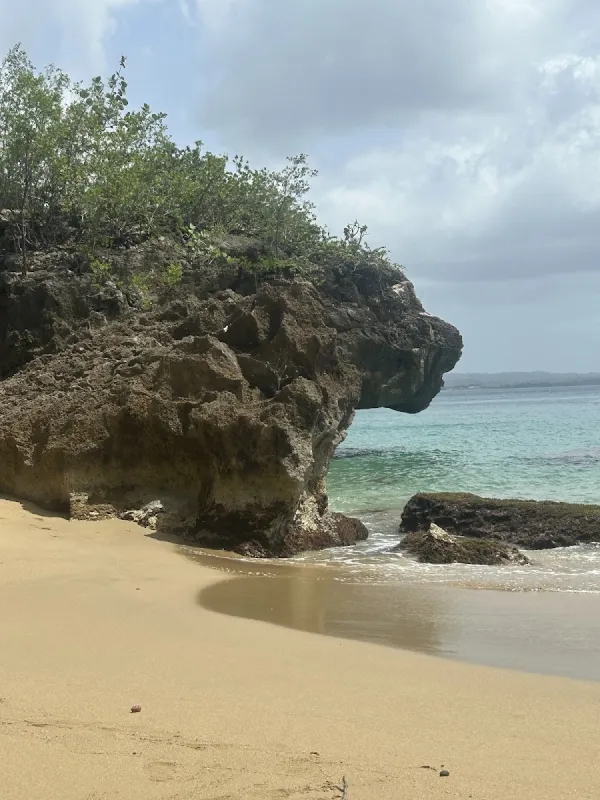
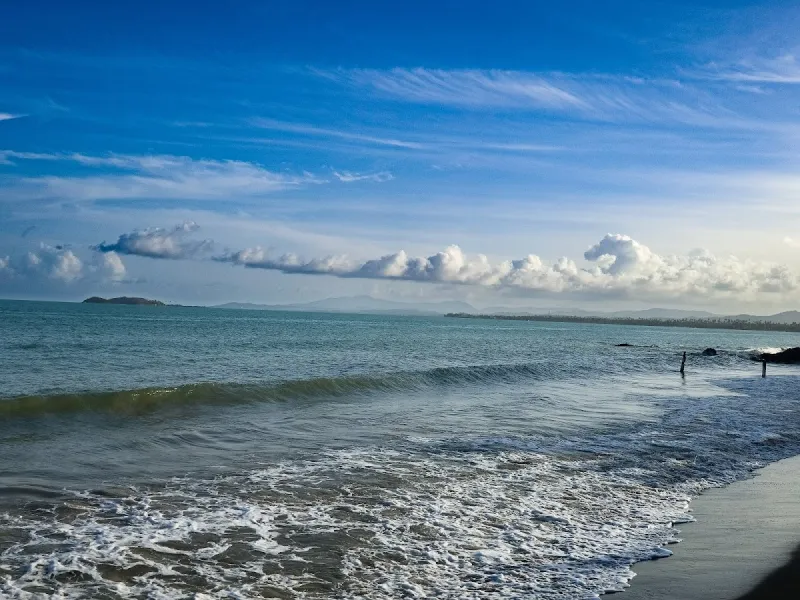
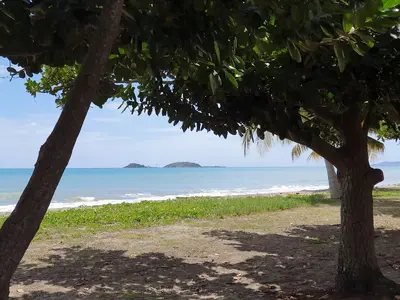
A secluded coastal area in northern Naguabo near Punta Lima, bordered by dense mangrove forest and offering scenic views of offshore cays and Monkey Island. The rugged, rocky shoreline appeals to explorers and photographers rather than traditional swimmers, with tidal pools and rocky outcrops revealing rich marine life. Accessible by a short walk from limited roadside parking, this quiet fishing spot rewards early morning visits with calm waters and abundant wildlife.
Visitor Tips
- Sturdy footwear is essential for navigating the rocky, uneven shoreline. This is not a barefoot-friendly beach.
- Low tide reveals the most interesting tidal features. Visit in the morning for calmer water and better visibility of marine life in the pools.
- The offshore cay views and mangrove edges are best captured in the early morning light when haze is minimal.
- Not recommended for swimming due to the rocky bottom and lack of sandy entry points. This is an exploration and observation beach.
- Local fishermen use the rocky points for shore casting. If you fish, bring your own gear and stay clear of their established spots.
Best Time to Visit
The east coast experiences the most favorable conditions during the dry season from December through April, when trade winds are steady and rainfall is minimal. Early morning visits are recommended before afternoon trade winds strengthen water chop and reduce visibility.
- January through April: Best overall conditions with calm mornings, clear sightlines to offshore cays, and active wildlife in mangrove areas. Low tide reveals the most interesting tidal pools and rocky features.
- May through November: Warmer water temperatures but more frequent afternoon rain showers (typically short-lived) and increased afternoon chop. Wildlife viewing is still productive in early morning hours.
- Timing for wildlife: Mangrove areas are most active with birds and marine life in early morning. Plan for a shorter visit focused on coastal exploration rather than extended beach lounging.
- Crowding: Due to its secluded nature and limited accessibility, this beach rarely experiences significant crowding even on weekends and holidays.
What to Bring
Sun and Water Protection:
- Reef-safe sunscreen (SPF 30 or higher) – Puerto Rico's tropical sun is intense, especially between 10 AM and 2 PM
- Reusable water bottle with plenty of drinking water in a cooler
- Wide-brimmed hat for sun protection
- Portable beach umbrella or pop-up shade tent – natural shade is limited
For Fishing:
- Fishing rod and tackle
- Bait suitable for local fish species
- Cooler for storing your catch
- Valid Puerto Rico fishing license
For Photography and Wildlife Viewing:
- Camera with extra batteries
- Tripod for sunset or landscape shots
- Binoculars for coastal views and bird watching
Safety and Navigation:
- Sturdy, closed-toe footwear – essential for navigating the rocky, uneven shoreline. This is not a barefoot-friendly beach
- First aid kit – the rugged shoreline presents trip and cut hazards from sharp rocks
- Food and snacks – there are no food vendors at or near this beach
History & Background
Bahía Lima Beach is located in the municipality of Naguabo on Puerto Rico's eastern coast, where the Atlantic Ocean and Caribbean Sea converge. The east coast serves as a jumping-off point to offshore islands and cays, including Cayo Santiago (Monkey Island), visible from the shore. Trade winds provide steady breezes characteristic of this region.
This quiet coastal area near Punta Lima is bordered by dense mangrove forest that provides critical habitat for wading birds and juvenile fish, creating a rich ecological zone between land and sea. The shoreline is more rugged than sandy, with rocky outcrops and small tidal pools rather than traditional beach terrain. This rugged landscape appeals to visitors who enjoy coastal exploration and discovering marine life in the intertidal zone, reflecting the character of northern Naguabo's working fishing communities.
Nearby Attractions
Bahía Lima Beach is situated in Naguabo, which offers several attractions worth exploring during your visit to the east coast.
- Cayo Santiago (Monkey Island): Visible offshore from the beach, this island is home to a research colony of rhesus macaques and is well worth a visit if you have extra time and can arrange boat access.
- Nearby beaches: Playa Tropical (Naguabo), Punta Lima Beach, and Tropical Beach Naguabo each offer different character and terrain if you're interested in beach hopping.
- Humacao: A neighboring coastal town a short drive away with additional amenities and attractions.
- Naguabo town center: Features a central plaza with a church, local shops, and cafes – a good place to experience everyday Puerto Rican town life. Weekend markets or festivals occur throughout the year, particularly during fiestas patronales (patron saint celebrations) with live music, food, and cultural performances.
- Local dining: Look for traditional Puerto Rican restaurants and roadside kiosks (chinchorros) serving fresh seafood, mofongo (mashed plantain with garlic), tostones (fried plantain slices), and weekend food stalls selling empanadillas, bacalaítos (codfish fritters), and piraguas (shaved ice with fruit syrup). Ask locals for their favorite spot – the best food is often at the least conspicuous establishments.
Local Tips
- Photography timing: The offshore cay views and mangrove edges are best captured in early morning light when haze is minimal and golden hour lighting enhances rocky textures.
- Not for swimming: This beach is not recommended for swimming due to the rocky bottom, lack of sandy entry points, sharp rocks, and uneven terrain that presents trip hazards. No lifeguards or facilities are available. This is an exploration and observation beach.
- Respectful fishing: Local fishermen use the rocky points for shore casting. If you fish, bring your own gear, obtain a valid Puerto Rico fishing license, and stay clear of established fishing spots to respect local practices.
- Beach access rights: As with all Puerto Rico beaches, the beach zone up to the high-tide mark is public land by law, regardless of any adjacent private property or signage suggesting otherwise. You have the legal right to access and enjoy any beach in Puerto Rico.
- Environmental responsibility: Pack out all trash and leave the beach as you found it. Puerto Rico's coastal ecosystems are under pressure from development and climate change. Between April and November, sea turtles may nest on sandy beaches; if you spot a nest or hatchlings, keep your distance and report it to the DRNA (Department of Natural Resources).
- Language: Spanish is the primary language in most areas outside San Juan's tourist zones. Learning a few phrases like '¿Dónde está la playa?' (Where is the beach?) and 'Gracias' (Thank you) goes a long way with locals. Puerto Ricans are generally warm and helpful toward visitors who show respect for the culture and environment.
Frequently Asked Questions
Where is Bahía Lima Beach located?
Is Bahía Lima Beach good for swimming?
What facilities are available at Bahía Lima Beach?
Find beaches with: With Parking
What activities can I do at Bahía Lima Beach?
Is there parking at Bahía Lima Beach?
What is the best time to visit Bahía Lima Beach?
Amenities
Practical Info
The rugged shoreline is not suitable for swimming. Sharp rocks and uneven terrain present trip and cut hazards. No lifeguards or facilities of any kind. Bring first aid supplies, drinking water, and sun protection. Watch your footing on wet rocks near the waterline where algae makes surfaces slippery.
Planning Your Visit
Similar Beaches


Nearby Beaches

Explore by Activity
Discover More on Puerto Rico Beach Finder
Explore 460+ beaches across the island with filters, maps, and detailed guides.
Explore All Beaches