Caracas Beach Vieques, Puerto Rico
At a Glance
Caracas Beach is a family-friendly beach in Vieques, Puerto Rico, known for calm waters and families. Formerly called Red Beach by the U. Facilities include parking, restrooms.
About Caracas Beach
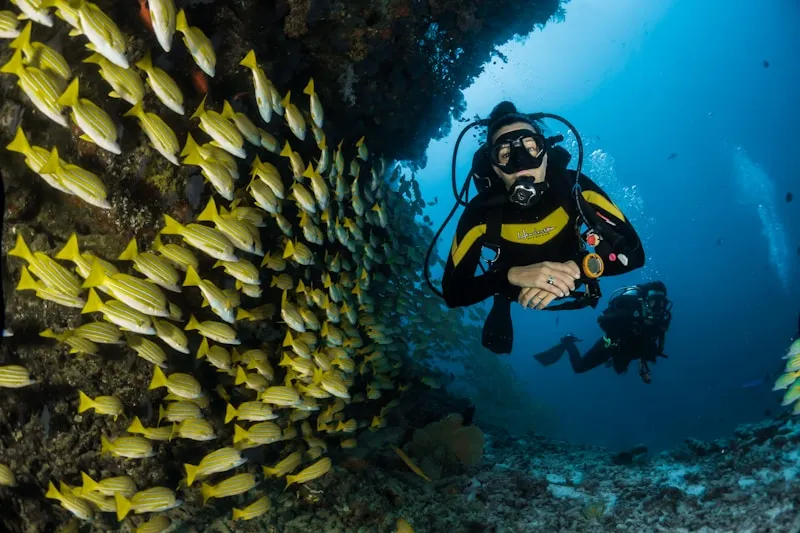
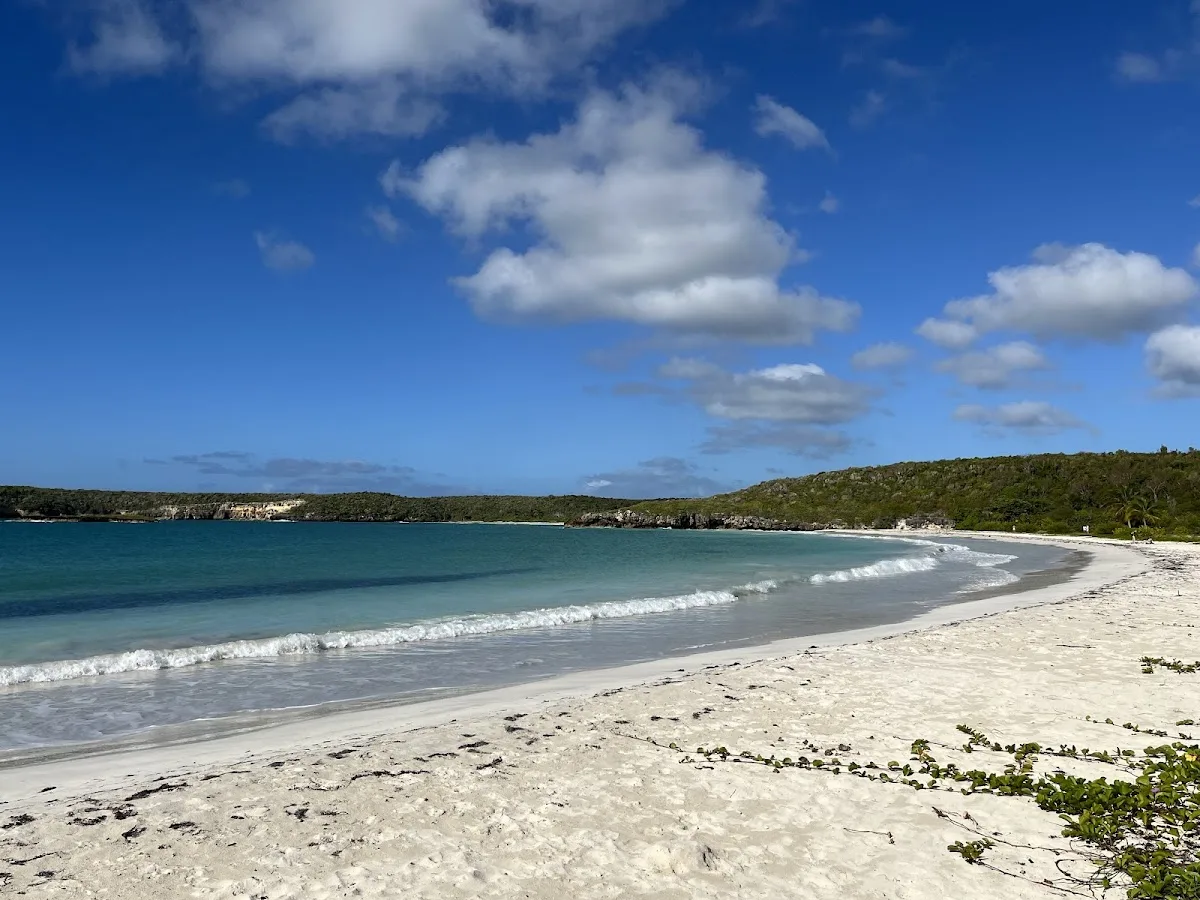
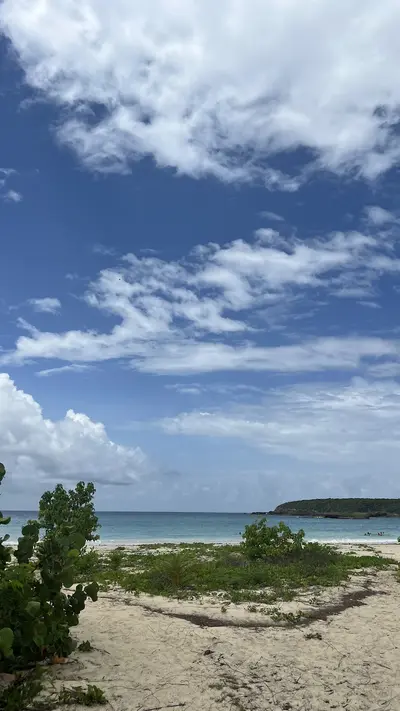
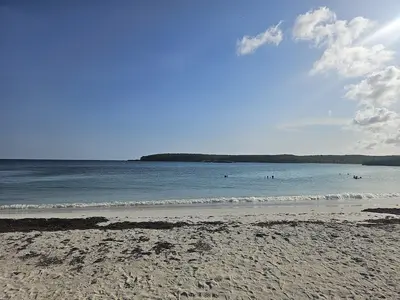
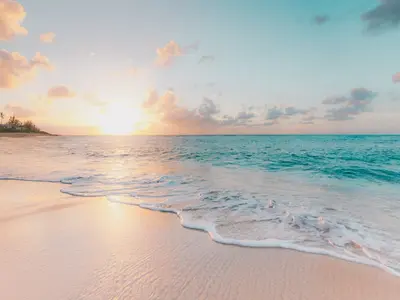
Formerly called Red Beach by the U.S. Navy, this crescent-shaped shoreline in Vieques features white sand, natural tidal pools teeming with marine life, and shaded gazebos perfect for families. One of the most accessible beaches within the Vieques National Wildlife Refuge, Caracas Beach offers paved road access, a maintained parking area, restrooms, and picnic facilities—amenities rarely found on other refuge beaches. Calm waters and shallow tidal pools make it ideal for swimming, snorkeling, and observing coastal ecosystems.
Visitor Tips
- Arrive before 10 AM on weekends when ferry day-trippers start filling the Refuge beaches.
- Bring snorkel gear for the tidal pools and reef areas near the beach edges.
- Paved road leads directly to the beach parking area. No four-wheel-drive needed unlike other Refuge beaches.
- Pack a cooler with lunch. The gazebos make excellent shaded picnic spots. No food vendors at the Refuge.
- Reef shoes recommended for the tidal pool areas. Coral and rocks are sharp underfoot.
Best Time to Visit
The best time to visit Caracas Beach depends on your preferences for weather and crowds. Island conditions tend to be drier and sunnier than mainland Puerto Rico, with calm Caribbean waters making this a year-round destination.
- December through April: High season offers the driest conditions and best weather, though expect the most visitors and crowded ferry schedules.
- May and November: Shoulder months provide a balance of good weather with fewer crowds and easier ferry access.
- Timing your visit: Arrive before 10 AM on weekends to beat midday heat and the influx of ferry day-trippers. Morning visits offer the calmest waters and least crowded conditions.
- Refuge operating hours: Gates typically open at 6 AM to sunset; check current schedules as they may change seasonally.
- Winter note: Ferry schedules may be affected during rough weather in winter months.
What to Bring
Sun and water protection:
- Reef-safe sunscreen (SPF 30 or higher) to protect yourself and the marine environment
- Reusable water bottle filled with fresh water
- Hat or visor for sun protection
- Reef shoes for safe exploration of tidal pools with sharp coral formations
Swimming and snorkeling:
- Swim gear for the whole family
- Snorkel gear (mask, fins, snorkel) for tidal pools and reef areas
- Float or inflatable for lounging on calm waters
Family comfort and shade:
- Beach tent or umbrella for additional shade beyond the gazebos
- Sand toys and activities for children
- Picnic cooler with lunch, snacks, and plenty of water (no food vendors at this beach)
Photography and observation:
- Camera with extra battery for capturing memories
- Tripod for sunset shots
- Binoculars for coastal views and wildlife observation
History & Background
Caracas Beach is located in the municipality of Vieques, an island municipality 8 miles off the southeast coast of Puerto Rico. Once used by the U.S. Navy, Vieques has transformed into a nature and beach destination that preserves its unique character. The surrounding waters are influenced by both Atlantic and Caribbean currents, and the relative isolation of the island has preserved the natural coastal environment.
Formerly called Red Beach during the U.S. Navy's occupation, this crescent-shaped shoreline features white sand, natural tidal pools that harbor small marine life, and shaded gazebos. The beach retains its military-era name alongside its Spanish designation, reflecting the island's dual heritage. Natural tidal pools along the beach edges provide safe, shallow areas where children can observe sea creatures without entering the open water.
As one of the most easily reached beaches within the Vieques National Wildlife Refuge, Caracas Beach stands out for its paved road access and covered gazebos near the shoreline—amenities that provide welcome shade for family picnics and all-day visits, a rarity among Refuge beaches where such facilities are typically scarce.
Nearby Attractions
Caracas Beach is situated in Vieques, which offers several attractions worth exploring beyond the beach itself. The island municipality provides authentic Puerto Rican experiences and diverse coastal ecosystems.
- Mosquito Bay: One of the brightest bioluminescent bays in the world, a must-see natural wonder if you have extra time during your visit.
- Sun Bay: A popular alternative beach in Vieques with its own character and appeal for beach hopping.
- Isabel Segunda: The main town of Vieques, a short drive away, worth exploring for local culture and everyday Puerto Rican town life centered around a plaza with church, shops, and cafes.
- Playa La Chiva and Media Luna: Other beaches in the Vieques area, each with different character worth exploring if you have time for beach hopping.
- Local dining: Roadside kiosks (chinchorros) serving traditional Puerto Rican fare including fresh seafood, mofongo (mashed plantain with garlic), tostones (fried plantain slices), empanadillas, bacalaítos (codfish fritters), and piraguas (shaved ice with fruit syrup).
- Weekend markets and festivals: Many towns hold weekend markets or fiestas patronales (patron saint celebrations) throughout the year, featuring live music, food, and cultural performances.
Local Tips
- Pack a cooler with lunch: No food vendors operate at the Refuge, but the gazebos make excellent shaded picnic spots for all-day visits.
- Reef shoes recommended: Bring sturdy reef shoes for tidal pool exploration, as coral and rocks are sharp underfoot.
- Know your beach rights: As with all Puerto Rico beaches, the beach zone up to the high-tide mark is public land by law, regardless of any adjacent private property or signage suggesting otherwise. You have the legal right to access and enjoy any beach in Puerto Rico.
- Practice responsible beach etiquette: Pack out all trash and leave the beach as you found it. Puerto Rico's coastal ecosystems are under pressure from development and climate change, and responsible visitors make a real difference.
- Protect sea turtles: Between April and November, sea turtles may nest on sandy beaches. If you spot a nest or hatchlings, keep your distance and report it to the DRNA (Department of Natural Resources).
- Respect coral ecosystems: When snorkeling, avoid touching or standing on coral formations, as they are fragile and legally protected under both federal and Puerto Rico law. Maintain neutral buoyancy and keep your fins from scraping the bottom.
- Monitor ocean conditions: While the calm waters here are generally safe, ocean conditions can change quickly. Keep an eye on weather forecasts and be aware that even sheltered areas can develop currents after storms or during unusual tidal patterns.
- Learn basic Spanish: Spanish is the primary language in most areas outside San Juan's tourist zones. Learning a few phrases like '¿Dónde está la playa?' (Where is the beach?) and 'Gracias' (Thank you) goes a long way with locals. Puerto Ricans are generally warm and helpful toward visitors who show respect for the culture and environment.
Frequently Asked Questions
Where is Caracas Beach located?
Is Caracas Beach good for swimming?
What facilities are available at Caracas Beach?
Find beaches with: With Parking, With Restrooms
What activities can I do at Caracas Beach?
More beaches for: Calm Waters, Scenic
Is there parking at Caracas Beach?
What is the best time to visit Caracas Beach?
Amenities
Practical Info
No lifeguard is on duty at this Refuge beach. Caribbean waters are generally calm and suitable for families, but currents can develop near reef areas on the outer edges of the swimming zone. Tidal pools contain sharp coral formations that require reef shoes for safe exploration and wading. Apply only reef-safe sunscreen to protect the surrounding marine environment and coral ecosystem. Refuge rules strictly prohibit removing any shells, coral, sand, or other natural materials from the beach.
Planning Your Visit
Similar Beaches


Nearby Beaches

Explore by Activity
Discover More on Puerto Rico Beach Finder
Explore 460+ beaches across the island with filters, maps, and detailed guides.
Explore All Beaches